 snailhas25000teeth
Related Articles
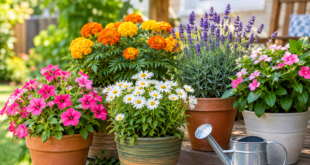
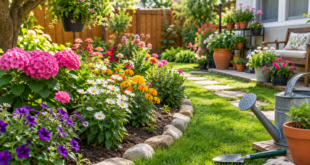
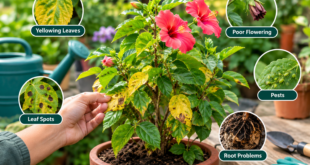
Choosing the right flowers for your garden can make a big difference in how beautiful, healthy, and enjoyable your outdoor space becomes. When I first started paying more attention to gardening, I realized that choosing flowers is not simply about picking the colors I like. A flower may look perfect in a nursery, but that does not always mean it will grow well in my garden.
The best flowers are the ones that match the conditions of your garden and the amount of care you can provide. Sunlight, soil, water, temperature, garden size, and flowering season all matter when selecting plants. Once you understand these basic factors, choosing flowers becomes much easier.
In this guide, I will share the main things I consider when choosing flowers for a garden. These simple tips can help beginners create a colorful and healthy garden without making the process complicated.
Understand Your Garden Conditions
Before buying any flowers, take some time to understand your garden. Every garden has different growing conditions, even if two gardens are located in the same neighborhood.
Start by observing how much sunlight your garden receives. Some areas may receive direct sunlight for most of the day, while others may remain shaded by walls, trees, or buildings.
Flowers such as marigolds, zinnias, petunias, and sunflowers generally enjoy plenty of sunlight. For areas with less direct sunlight, you can consider flowers that tolerate partial shade.
Knowing your garden conditions first can prevent many common gardening problems. Instead of trying to force a plant to grow where it does not belong, choose flowers that naturally suit your environment.
Check How Much Sunlight Flowers Need
Sunlight is one of the most important factors when choosing flowers for your garden. Most flowering plants need sunlight to produce strong growth and beautiful blooms, but their requirements can vary.
Full sun generally means an area receives around six or more hours of direct sunlight each day. Partial shade means the area receives fewer hours of direct sunlight or receives filtered sunlight.
Before planting, observe your garden at different times of the day. A spot that looks sunny in the morning may become shaded in the afternoon.
If your garden receives strong sunlight, flowers such as zinnias, marigolds, cosmos, and sunflowers can be useful choices. For shadier locations, look for flowers that are known to tolerate lower light conditions.
Choosing flowers according to sunlight is one of the easiest ways to improve plant growth.
Consider Your Local Climate
Your local climate should also influence your flower choices. Temperature, rainfall, humidity, and seasonal changes can all affect how well flowers grow.
Some flowers prefer warm conditions, while others perform better during cooler seasons. If you live in a hot region, choosing flowers that tolerate heat can save you a lot of effort.
For gardeners in warm climates, flowers such as marigolds, zinnias, celosia, and portulaca can be worth considering. However, the best choice still depends on your exact growing conditions.
I always recommend checking the growing requirements on the plant label or asking a local nursery before buying a large number of plants. Local knowledge can be extremely useful because gardeners in the same region often know which flowers perform well during different seasons.
Think About Your Soil
Healthy soil gives flowers a strong foundation. Before choosing flowers, it helps to understand the condition of your soil.
Some flowers can grow in ordinary garden soil, while others prefer soil that drains quickly or contains more organic matter. Poor drainage can be especially troublesome because water may remain around the roots for too long.
If your soil is heavy, compacted, or drains slowly, improving it with suitable organic matter may help. You can also choose plants that tolerate the conditions you already have.
A simple soil test can provide useful information about soil characteristics. Understanding your soil allows you to choose flowers more confidently instead of guessing.
Decide How Much Maintenance You Can Handle
One mistake beginners often make is choosing flowers based only on appearance. I understand the temptation because beautiful blooms immediately attract attention. However, it is important to think about how much time you actually have for gardening.
Some flowers need regular watering, pruning, feeding, and removal of faded blooms. Others are relatively easy to maintain once established.
If you have a busy schedule, consider choosing low maintenance flowers that can tolerate normal garden conditions. Marigolds, zinnias, cosmos, and some native flowering plants can be good options depending on your location.
If you enjoy spending time in the garden, you may be happy growing flowers that need a little more attention.
The right flower is not necessarily the flower that requires the least care. It is the flower that fits comfortably into your gardening routine.
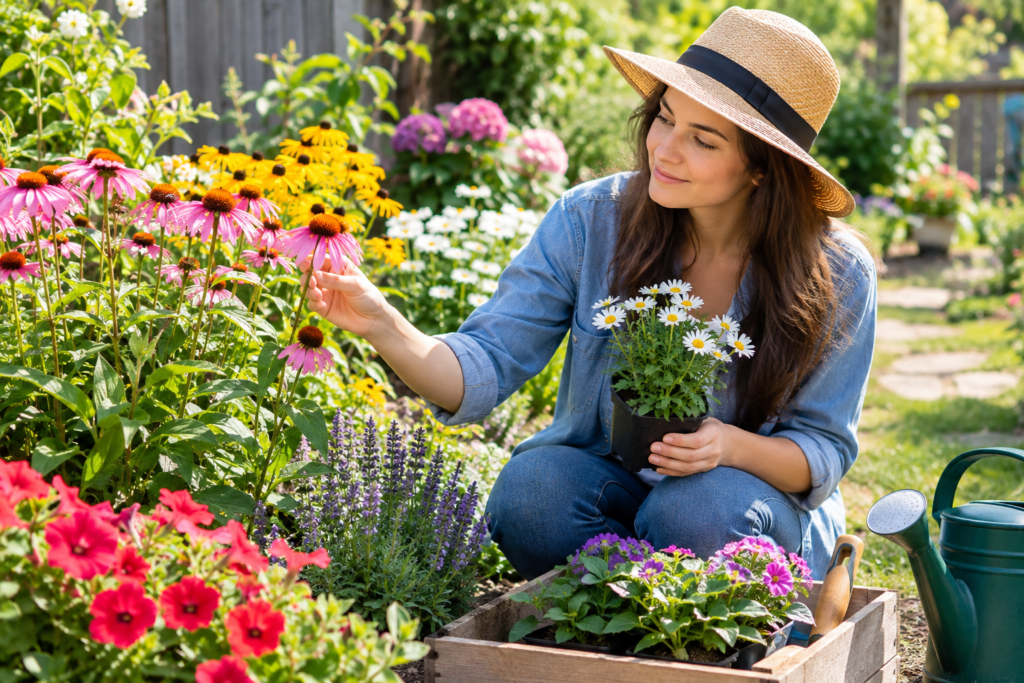
Choose Flowers for Your Garden Size
The size of your garden should influence your flower selection. A small garden can become crowded quickly if you plant too many large varieties.
For smaller spaces, compact flowers and container friendly plants can work well. You can also use pots, hanging containers, and vertical spaces to add more color without using a lot of ground space.
Larger gardens provide more opportunities to combine different flower heights and shapes. Tall flowers can create a background, medium sized plants can fill the middle, and shorter flowers can be placed near pathways or borders.
Planning the space before planting can help you avoid overcrowding.
Choose Colors That Work Together
Flower color is a personal choice, and this is one part of gardening where you can really express yourself.
Some gardeners prefer bright combinations of red, yellow, orange, pink, and purple. Others prefer softer combinations of white, lavender, blue, and pastel shades.
I find that choosing a simple color theme can make a garden look more organized. You do not have to use only one color. Instead, choose a few colors that complement each other.
You can also use green foliage as a natural background for colorful flowers. Sometimes the leaves and plant shapes are just as important as the flowers themselves.
Look for Different Flowering Seasons
If you want your garden to remain colorful for much of the year, do not choose all your flowers based on the same flowering season.
Try to select a mixture of plants that bloom during different parts of the year. This can help provide continuous interest as one group of flowers finishes and another begins.
Annual flowers can provide quick seasonal color, while perennial flowers may return year after year in suitable climates.
Planning for different flowering seasons can make a garden feel more alive and interesting.
Consider Annual and Perennial Flowers
Understanding the difference between annual and perennial flowers can make choosing plants easier.
Annual flowers generally complete their life cycle within one growing season. They are useful when you want quick and temporary color.
Perennial flowers can live for several years under suitable conditions. They may not always provide the same immediate display as annuals, but they can become an important part of a long term garden.
You do not have to choose only one type. A combination of annual and perennial flowers can provide both seasonal color and lasting structure.
Think About Pollinators
Flowers can make your garden beautiful while also supporting beneficial insects. If you want to attract bees, butterflies, and other pollinators, consider flowers that provide nectar and pollen.
Sunflowers, zinnias, lavender, cosmos, and many other flowering plants can attract pollinators when grown in suitable conditions.
When selecting flowers, I like to think beyond appearance. A garden can become a small ecosystem where flowers, insects, birds, and other organisms interact.
Avoiding unnecessary pesticide use and providing suitable flowering plants can make the garden more welcoming to beneficial wildlife.
Choose Healthy Plants From a Nursery
When buying flowers, always inspect the plants before bringing them home.
Look for healthy green leaves, strong stems, and signs of fresh growth. Avoid plants with widespread yellowing, severe wilting, damaged stems, or obvious pest problems.
It is also useful to check underneath the leaves because some pests can hide there.
A healthy plant has a better chance of adjusting to its new location. Buying carefully can also reduce the chance of introducing pests or diseases into your existing garden.
Consider Growing Flowers From Seeds
You do not always need to buy established plants. Growing flowers from seeds can be an affordable and rewarding option.
Seeds allow you to choose from many varieties and can be especially useful when planting a larger area.
However, some flowers are easier to grow from seed than others. Beginners should start with varieties known for reliable germination and simple care.
Always read the seed packet instructions carefully. Pay attention to planting depth, spacing, temperature, sunlight, and watering requirements.
Avoid Planting Too Many Flowers at Once
When starting a new garden, it is easy to get excited and buy more flowers than you can realistically manage.
I recommend starting with a manageable number of varieties. Learn how each plant behaves in your garden, then expand gradually.
This approach gives you time to understand watering needs, sunlight patterns, soil conditions, and seasonal changes.
Gardening becomes much easier when you learn from each planting instead of trying to create everything at once.
Match Flowers With Your Gardening Goals
Think about what you want your garden to provide.
If your main goal is colorful decoration, focus on flowers with attractive blooms and different flowering periods. If you want to attract butterflies and bees, choose suitable pollinator friendly plants. If you want flowers for containers, look for compact varieties.
You can also consider whether you want flowers for cutting and arranging indoors. Some flowers produce attractive blooms that can be enjoyed inside the home as well as outdoors.
Having a clear goal makes flower selection much easier.
Final Thoughts
Choosing the right flowers for your garden does not have to be complicated. The most important thing is to understand your garden before choosing your plants.
Pay attention to sunlight, soil, climate, water requirements, garden size, maintenance needs, and flowering seasons. Then choose flowers that fit those conditions instead of choosing plants based only on appearance.
For beginners, I believe starting with reliable and easy to grow flowers is a smart approach. Once you gain experience, you can experiment with more varieties and create different combinations.
A beautiful garden is not created overnight. It develops as you learn what works in your space. Take your time, observe your plants, and do not be afraid to make small changes.
The best garden is one that fits your environment, your lifestyle, and your personal taste. With the right flower choices and a little regular care, even a simple garden can become a colorful and enjoyable part of your home.