 snailhas25000teeth
Related Articles
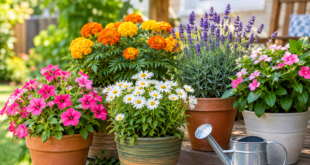
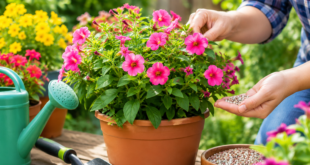
Creating a beautiful flower garden at home is one of the most enjoyable ways to make an outdoor space feel fresh, colorful, and welcoming. In my experience, you do not need a huge yard or expensive gardening equipment to create a garden that looks beautiful. With the right flowers, good soil, enough sunlight, and regular care, even a small space can become a peaceful garden.
I believe the key to a successful flower garden is planning before planting. Many beginners buy flowers because they look attractive at the nursery, but later discover that those plants need different amounts of sunlight, water, or space. A little planning can save time, money, and effort while helping your plants grow healthier.
In this guide, I will explain how to create a beautiful flower garden at home, from choosing the right location to selecting flowers and maintaining your garden throughout the season.
Choose the Right Location
The first step in creating a beautiful flower garden is choosing the right location. Most flowering plants need plenty of sunlight, although the exact requirement depends on the plant.
Before planting, observe your garden during the day. Notice which areas receive full sunlight and which areas remain shaded. A location that receives around six or more hours of direct sunlight can work well for many popular flowering plants.
If your garden receives less sunlight, choose flowers that are suitable for partial shade. This is important because planting a sun loving flower in a dark location can result in weak growth and fewer flowers.
I also recommend choosing a location that is easy to reach. A garden that is close to your home is usually easier to water, inspect, prune, and maintain.
Decide on the Garden Style
Once you have selected the location, think about how you want your flower garden to look. There is no single correct garden design. Your garden should reflect your personal taste and the amount of space available.
You can create a traditional flower bed, a colorful cottage style garden, a small container garden, or a simple garden along a walkway.
For a small home garden, I prefer keeping the design simple. Too many different plants can make a small area look crowded. Instead, choose a few flower varieties that complement each other in color and shape.
You can also create a focal point by placing one larger flowering plant in the center and surrounding it with smaller plants.
Prepare the Soil Properly
Healthy soil is one of the foundations of a beautiful flower garden. Even the best plants may struggle if the soil does not provide good drainage and enough nutrients.
Start by removing weeds, stones, old roots, and other unwanted material from the planting area. Loosen the soil with a garden fork or hand tool so that the roots can grow more easily.
Adding organic matter such as compost can improve soil structure and provide nutrients. If your soil is heavy and compacted, improving drainage is especially important because standing water around roots can cause problems.
I recommend avoiding excessive fertilizer at the beginning. More fertilizer does not always mean more flowers. It is better to understand what your plants need and follow the fertilizer instructions carefully.
Choose Flowers That Suit Your Garden
Choosing the right flowers is one of the most important parts of creating a beautiful flower garden at home.
Some popular choices for home gardens include roses, marigolds, petunias, zinnias, daisies, cosmos, sunflowers, geraniums, and many other seasonal flowers.
When selecting plants, consider sunlight, temperature, soil, available space, and watering requirements. It is also helpful to choose plants that are suitable for your local climate.
If you are a beginner, start with flowers that are relatively easy to grow. Marigolds and zinnias, for example, can be good choices for adding bright color without making the garden unnecessarily complicated.
I also like combining plants with different flower sizes. Larger flowers can provide a strong visual focus, while smaller flowers can fill gaps and create a fuller appearance.
Plan Flower Colors Carefully
Color can completely change the appearance of a garden. A good combination of flower colors can make even a small garden look attractive.
You can choose complementary colors such as purple and yellow or create a softer appearance with pink, white, and light purple flowers.
Another approach is to create a single color theme. For example, a garden based around shades of pink and white can create a calm and elegant appearance.
In my opinion, the best flower garden is not necessarily the one with the most colors. A balanced combination usually looks more attractive than planting every color available.
Give Plants Enough Space
One common mistake I see in home gardening is planting flowers too close together. Small plants may look far apart when they are young, but many varieties grow considerably larger during the season.
Check the recommended spacing before planting. Giving each plant enough room allows air to move around the foliage and gives roots space to develop.
Proper spacing also makes maintenance easier. You will have better access when watering, removing weeds, pruning, or checking the plants for insects and other problems.
Remember that a garden should look slightly open when the plants are first planted. As they grow, the empty spaces will gradually fill in.
Add Height and Different Plant Shapes
A beautiful flower garden usually has more visual interest when plants have different heights and shapes.
Tall flowers can be placed toward the back of a flower bed, while medium sized plants can occupy the middle section. Short flowers and ground covering plants can be placed toward the front.
This simple arrangement creates layers and allows more flowers to remain visible.
You can also use containers, hanging baskets, raised planters, or decorative pots to add height. These options are especially useful if you have limited garden space.
Water Your Flower Garden Correctly
Watering is essential for healthy flowering plants, but too much water can be just as harmful as too little.
Instead of watering automatically every day, check the soil first. If the surface is dry and the plant needs moisture, water thoroughly.
It is generally better to water the soil around the roots rather than constantly wetting the flowers and leaves. Watering early in the day can also give plants time to dry naturally.
The exact watering schedule depends on the plant, soil, weather, and container size. Plants growing in containers may need water more frequently than plants growing in garden beds.
Remove Weeds Regularly
Weeds compete with flowering plants for water, nutrients, sunlight, and space. If weeds are allowed to spread, they can quickly make a beautiful garden look untidy.
I prefer removing small weeds as soon as I notice them. They are much easier to remove when they are young.
Adding a suitable layer of organic mulch around plants can also help reduce weed growth and conserve soil moisture. Keep mulch away from direct contact with plant stems.
Feed Your Plants When Needed
Flowering plants need nutrients to produce healthy foliage and flowers. However, fertilizer should be used according to the needs of the specific plant.
Some plants benefit from regular feeding during active growth, while others require less fertilizer.
Always follow the product instructions when using commercial fertilizer. Overfeeding can damage plants and may encourage excessive foliage instead of healthy flowering.
Compost and other organic materials can also be useful for improving soil quality over time.
Deadhead Flowers for Continued Blooms
Deadheading means removing old and faded flowers from the plant. For many flowering plants, this can encourage the plant to focus energy on producing new flowers.
I find this one of the easiest gardening tasks because it also keeps the garden looking cleaner.
Use clean garden scissors or carefully remove faded flowers according to the plant’s growth habit. Not every flowering plant needs deadheading, so learn about the particular flowers you are growing.
Protect Your Garden From Common Problems
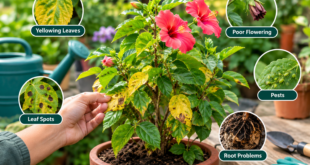
Flower gardens can experience problems caused by insects, diseases, poor drainage, extreme weather, or unsuitable growing conditions.
Regularly inspect leaves, stems, and flowers. Look for unusual spots, holes, discoloration, wilting, or insects.
The earlier you notice a problem, the easier it may be to address. Avoid using strong garden chemicals unnecessarily. Good air circulation, proper watering, healthy soil, and suitable plant spacing can help reduce many common problems.
If you notice a serious issue, identify the cause before choosing a treatment. Treating the wrong problem can sometimes make the situation worse.
Add Simple Garden Decorations
Flowers should be the main attraction, but a few simple decorations can make your garden feel more personal.
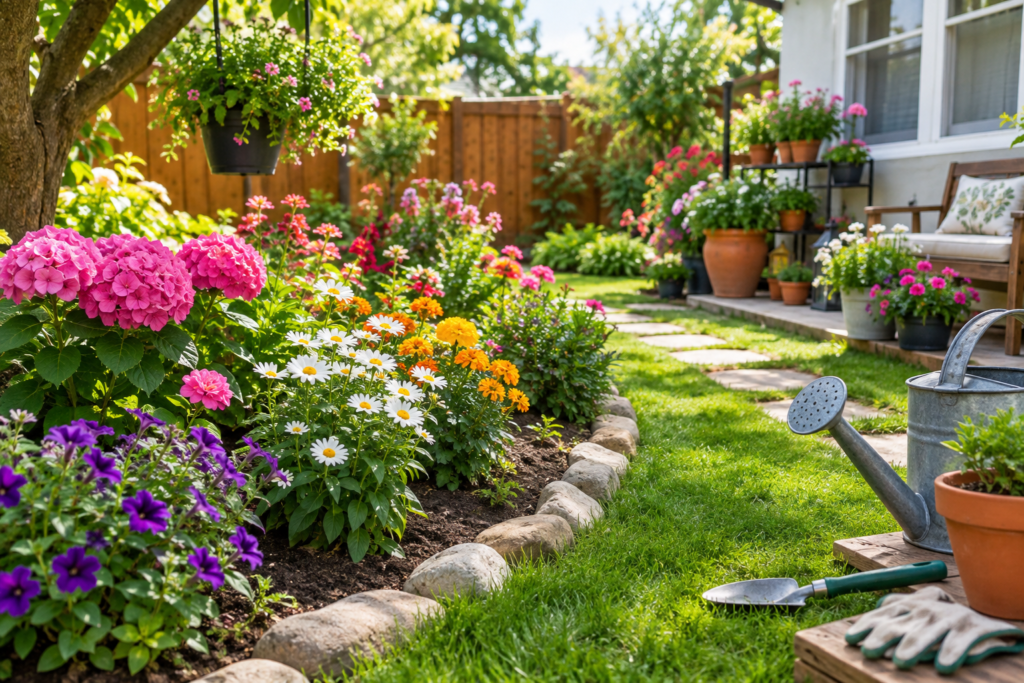
You could add a small bench, attractive pots, stepping stones, a bird bath, or a simple garden border. Even natural materials such as stones or wooden edging can make flower beds look organized.
I recommend avoiding too many decorations. The goal is to support the beauty of the plants rather than hide them.
Maintain Your Garden Throughout the Season
Creating a flower garden is only the beginning. Regular maintenance is what keeps it looking beautiful.
Set aside a little time each week to inspect your plants, remove weeds, check soil moisture, remove faded flowers, and look for signs of pests or disease.
Pruning should be done according to the requirements of each plant. Some flowers benefit from trimming, while others may have different pruning needs.
As seasons change, some plants will naturally finish flowering. Remove unhealthy plant material when appropriate and prepare the garden for the next growing season.
Start Small and Improve Over Time
If you are creating your first flower garden, do not feel that you need to transform your entire yard immediately. Starting with a small flower bed can be much easier to manage.
Choose a few reliable flowering plants, learn how they grow, and observe how they respond to your garden conditions. As you gain experience, you can add new varieties and experiment with different colors and designs.
This is actually one of my favorite things about gardening. Every season teaches you something new. A plant may perform differently because of changes in weather, soil, watering, or sunlight.
Final Thoughts
Creating a beautiful flower garden at home does not require perfection. What matters most is choosing suitable plants, preparing the soil, providing enough sunlight and water, and giving your garden regular attention.
From my point of view, a successful home flower garden should be enjoyable rather than stressful. Start with flowers that suit your space and climate, keep the design simple, and learn from each growing season.
With patience and consistent care, even a small outdoor area can become a colorful and relaxing place. Whether you want bright seasonal flowers, fragrant roses, or a simple collection of easy growing plants, thoughtful planning can help you create a flower garden that looks beautiful and feels like your own.