 snailhas25000teeth
Related Articles
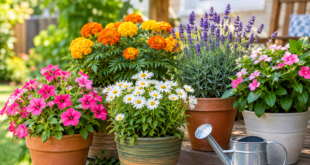
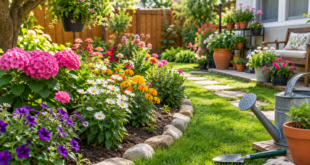
Growing roses in a home garden is one of the most rewarding experiences for any plant lover. Roses are beautiful, fragrant, and available in many colors, shapes, and sizes. I personally believe that roses are not as difficult to grow as many beginners think. With the right location, good soil, proper watering, regular pruning, and a little patience, you can grow healthy rose plants and enjoy beautiful flowers throughout the growing season.
In this guide, I will explain how to grow roses in your home garden using simple and practical methods. Whether you are planting roses for the first time or trying to improve the growth of existing plants, these tips can help you create a healthier and more attractive rose garden.
Choose the Right Rose Variety
The first step in growing roses successfully is choosing the right variety. There are many types of roses, including hybrid tea roses, floribunda roses, climbing roses, shrub roses, and miniature roses. Each type has different growth habits and care requirements.
When I choose plants for a garden, I always consider the available space first. If you have a small garden, compact shrub roses or miniature roses can be a good choice. If you have a wall, fence, or large support structure, climbing roses can add beautiful vertical color.
It is also important to choose a rose variety that can handle the climate in your area. A locally suitable variety will usually have a better chance of growing strongly and producing flowers.
Select a Sunny Location
Roses generally perform best when they receive plenty of sunlight. Choose a location where your rose plant can receive around six hours or more of direct sunlight each day.
Good sunlight helps roses produce strong growth and colorful flowers. A location with morning sunlight is particularly useful because it allows leaves to dry after dew or moisture, which can help reduce the conditions that encourage some fungal problems.
Avoid planting roses in a dark corner surrounded by large trees or buildings. Too much shade can result in weak growth and fewer flowers.
Good air circulation is also important. Try not to place rose plants too close together. Giving each plant enough space allows air to move around the leaves and branches.
Prepare the Soil Properly
Healthy soil is one of the foundations of a successful rose garden. Roses prefer fertile soil that drains well while still holding enough moisture for the roots.
Before planting, loosen the soil to give the roots room to develop. You can improve the soil by adding well aged organic matter such as compost. Compost can improve soil structure and provide useful nutrients.
Avoid planting roses in soil that stays wet for long periods. Poor drainage can damage roots and create serious problems for the plant.
I recommend checking the soil after watering. If water remains around the roots for a long time, improving drainage should be a priority before planting.
Plant Roses at the Right Time
The best planting time depends on your local climate and the type of rose you are planting. In many areas, roses can be planted during cooler parts of the year when extreme heat or freezing conditions are not expected.
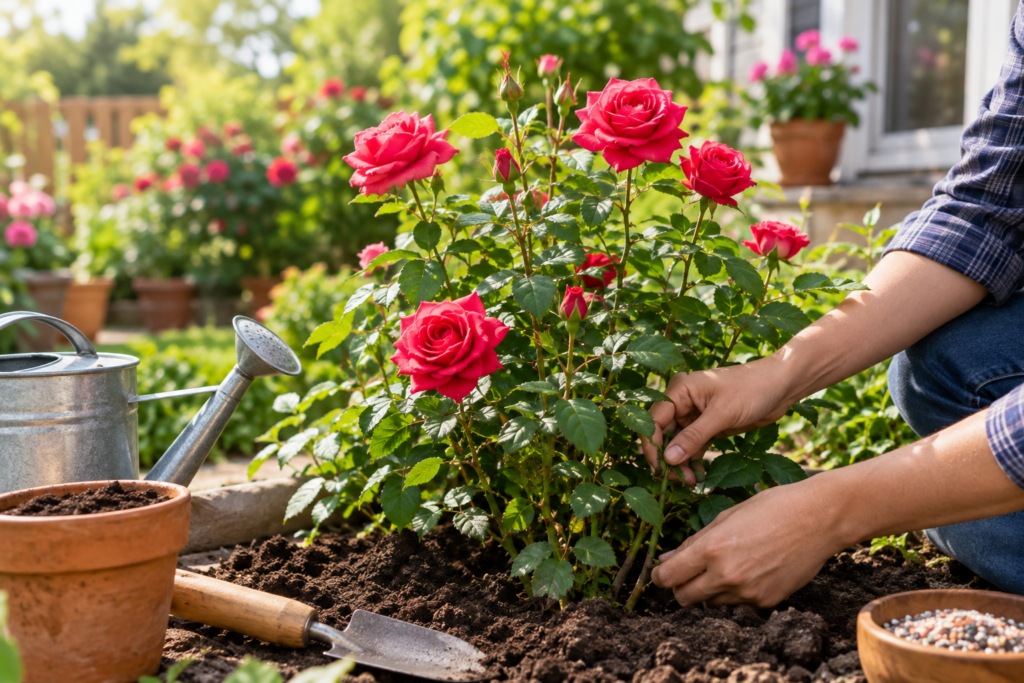
When planting a container grown rose, dig a hole that is wider than the root ball. The roots should have enough room to spread naturally.
Place the plant carefully in the hole and fill the space with good quality soil. Press the soil gently around the roots without compacting it too much.
After planting, water the rose thoroughly. This helps settle the soil around the roots and gives the plant a good start.
Water Roses Correctly
Proper watering is essential when growing roses at home. Newly planted roses need regular moisture while their root systems become established. Mature plants are usually more tolerant, but they still need consistent watering during dry weather.
Instead of giving the plant small amounts of water every day, I prefer deep watering when the soil begins to dry. This encourages roots to grow deeper into the soil.
Water the soil around the base of the plant rather than frequently wetting the leaves and flowers. Wet foliage that remains damp for long periods can create favorable conditions for fungal diseases.
The exact watering schedule depends on temperature, soil type, rainfall, and the size of the plant. During hot weather, roses may need more frequent watering.
Feed Your Rose Plants
Roses are heavy feeders, especially when they are actively growing and producing flowers. Providing appropriate nutrients can support healthy leaves, strong stems, and better flowering.
A balanced rose fertilizer can be used according to the instructions on the product label. Organic options such as compost can also be useful for improving soil quality.
Avoid applying excessive fertilizer. More fertilizer does not always mean more flowers. Too much fertilizer can damage roots or encourage excessive leafy growth.
I find it helpful to watch the plant itself. Strong green leaves, healthy new shoots, and regular flowering are good signs that the plant is receiving suitable care.
Prune Roses Regularly
Pruning is an important part of rose care. It helps remove damaged or unhealthy growth and can encourage new shoots.
Start by removing dead, broken, or diseased branches. You can also remove weak growth that crosses other branches and creates unnecessary crowding.
Use clean and sharp pruning tools. Clean cuts can make pruning easier and reduce unnecessary damage to the plant.
The best pruning method depends on the type of rose. Some roses benefit from heavier pruning, while others perform better with lighter trimming. Before making major cuts, learn the growth habit of your specific rose variety.
Regular removal of faded flowers can also encourage many roses to produce additional blooms.
Protect Roses From Pests
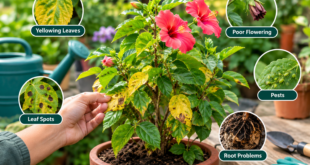
Rose plants can attract pests such as aphids, spider mites, and other insects. Checking your plants regularly is one of the easiest ways to catch problems early.
Look underneath leaves and around new shoots because pests often gather in these areas. If you notice a small number of insects, removing them manually or using a gentle stream of water may help.
For larger pest problems, choose a suitable treatment carefully and follow the product instructions. Avoid spraying unnecessarily when there is no serious pest problem because beneficial insects are also part of a healthy garden.
Keeping the garden clean and removing badly damaged plant material can also help reduce pest related problems.
Watch for Common Rose Diseases
Roses can experience fungal diseases and other problems, particularly when conditions are humid and air circulation is poor. Black spot and powdery mildew are among the problems gardeners may encounter.
Healthy growing conditions are the first line of defense. Give plants enough space, avoid unnecessary overhead watering, and remove badly affected leaves when appropriate.
If a disease continues to spread, identify the problem before choosing a treatment. Different diseases require different approaches.
I have found that prevention is much easier than trying to correct a serious problem after it has spread throughout the plant.
Add Mulch Around Roses
Mulching is another useful technique for rose gardening. A layer of suitable organic mulch around the base of the plant can help conserve soil moisture and reduce weed growth.
Mulch can also help protect the soil from rapid temperature changes. As organic mulch breaks down, it can contribute to soil improvement.
Keep mulch slightly away from the main stem of the rose. Constantly placing wet material directly against the stem can create unwanted problems.
Check the mulch periodically and add more when necessary, especially after heavy rain or garden maintenance.
Give Roses Enough Space
Spacing is sometimes overlooked by beginners. Rose plants need enough room for their roots, branches, and leaves to develop.
Planting roses too close together can reduce air circulation and make maintenance more difficult. It can also make it harder to inspect plants for insects and diseases.
The correct spacing depends on the mature size of the rose variety. Always consider the plant’s expected size rather than its current size when planning your garden.
A little extra space at planting time can make rose care much easier later.
Care for Roses During Hot Weather
Hot weather can place stress on rose plants. During very warm periods, check the soil more frequently and provide water when needed.
Mulching can help slow moisture loss from the soil. Watering early in the morning is often practical because the plant has access to moisture during the hotter part of the day.
Avoid unnecessary disturbance to the roots during extremely hot weather. If a rose is planted in a container, remember that container soil can dry out faster than garden soil.
Watch for signs of stress such as drooping leaves, dry soil, or scorched foliage.
Grow Roses in Containers
If you do not have a large garden, you can still grow roses in containers. Choose a container that provides enough room for the mature plant and has drainage holes.
Use a good quality growing medium that drains properly. Container roses usually require closer attention to watering because pots can lose moisture more quickly.
Place the container where the plant receives sufficient sunlight. Rotate the pot occasionally if necessary so the plant receives balanced light.
Compact rose varieties are often easier to manage in containers than very large climbing roses.
Be Patient With Your Rose Garden
One of the most important lessons I have learned about gardening is that plants need time. A newly planted rose may not immediately look impressive. It needs time to establish roots before putting its full energy into flowers.
Instead of worrying about every small change, focus on the basic needs of the plant. Give it sunlight, suitable soil, proper moisture, nutrients, and regular care.
With consistent attention, the plant can become stronger and produce more attractive growth over time.
Final Thoughts
Learning how to grow roses in your home garden does not have to be complicated. Start by selecting a suitable rose variety and planting it in a sunny location with fertile, well drained soil. Water deeply when needed, provide appropriate nutrients, prune carefully, and check your plants regularly for pests and diseases.
In my experience, successful rose gardening is mostly about consistency. You do not need to spend hours in the garden every day. A few minutes of regular observation can help you notice problems before they become serious.
When properly cared for, roses can become one of the most beautiful features of a home garden. Their flowers can add color, fragrance, and personality to outdoor spaces. With patience and the right gardening habits, even a beginner can learn how to grow healthy roses and enjoy beautiful blooms season after season.
Frequently Asked Questions
How much sunlight do roses need?
Most roses grow well with around six hours or more of direct sunlight each day. Good sunlight supports healthy growth and flowering.
How often should I water roses?
Watering depends on weather, soil, plant size, and location. Water deeply when the soil begins to dry instead of following a fixed schedule.
Can roses grow in pots?
Yes. Many rose varieties can grow successfully in containers when they have enough root space, good drainage, suitable soil, sunlight, and regular watering.
Why are my roses not flowering?
Poor sunlight, improper pruning, nutrient problems, excessive shade, or plant stress can reduce flowering. Check the plant’s growing conditions before changing your care routine.
What is the best soil for roses?
Roses generally prefer fertile, well drained soil that holds some moisture without becoming waterlogged. Adding suitable organic matter can improve soil quality.