 snailhas25000teeth
Related Articles
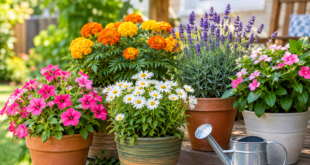
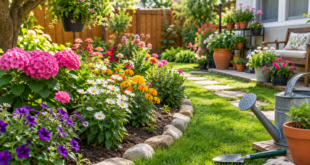
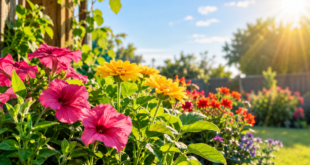
Flowering plants can completely change the look and feel of a garden. When healthy plants produce plenty of colorful flowers, even a small outdoor space can feel fresh and lively. In my experience, getting better blooms is not only about choosing a beautiful flowering plant. The real difference comes from regular care, proper watering, enough sunlight, good soil, and timely pruning.
Many people expect flowering plants to bloom continuously without much attention. However, plants need the right conditions to produce flowers. If a plant receives too much water, too little sunlight, poor nutrition, or improper pruning, flowering can become weak. That is why I believe understanding the basic needs of flowering plants is the best way to enjoy healthier plants and more beautiful blooms.
In this guide, I will explain how to care for flowering plants for better blooms using simple gardening practices that beginners can follow at home.
Choose the Right Location for Flowering Plants
One of the first things I consider when growing flowering plants is their location. Different plants have different sunlight requirements, so placing every plant in the same area may not give good results.
Most flowering plants need several hours of sunlight each day. Some varieties prefer full sunlight, while others grow better with partial shade. Before planting, I recommend checking the sunlight requirements of the particular flower you are growing.
A sunny location can help many flowering plants produce stronger stems, healthier leaves, and more flowers. If your plant is receiving too little light, you may notice weak growth and fewer blooms.
At the same time, extremely strong afternoon sunlight can stress some delicate flowers, especially during very hot weather. In such situations, providing some afternoon shade can help protect the plant.
Water Flowering Plants Correctly
Watering is one of the most important parts of flowering plant care. Both underwatering and overwatering can affect plant health and flowering.
I prefer checking the soil before watering instead of following a strict daily schedule. Push your finger about an inch into the soil. If the soil feels dry, it may be time to water. If it still feels moist, waiting a little longer is usually better.
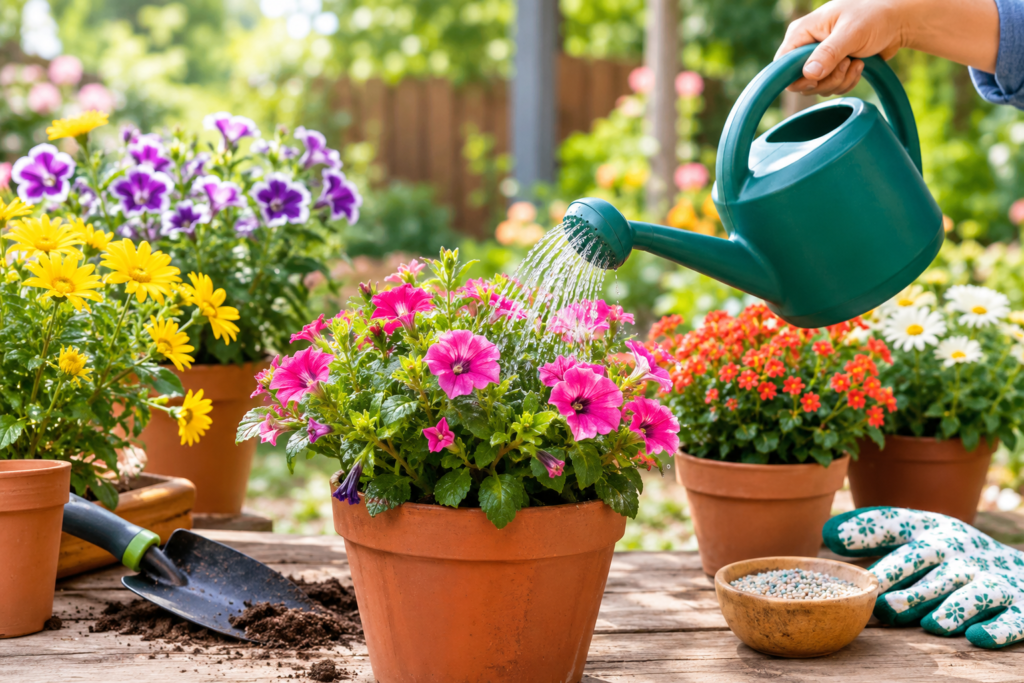
When watering, I try to water deeply around the base of the plant rather than constantly spraying the flowers and leaves. Deep watering encourages roots to grow properly and allows the plant to access moisture from deeper in the soil.
Plants growing in containers may need more frequent watering because pots can dry out faster than garden soil. During hot weather, always pay attention to the moisture level because flowering plants can lose water quickly.
Provide Well Draining Soil
Good soil is another major factor in growing flowering plants successfully. Healthy roots need both moisture and air. Soil that stays completely soaked for long periods can create problems for the roots.
I usually recommend using loose and well draining soil for flowering plants. Organic matter such as compost can improve soil structure while providing nutrients.
For container plants, make sure the pot has drainage holes at the bottom. Without proper drainage, excess water can remain around the roots.
Good soil also supports beneficial microorganisms and helps plants develop stronger root systems. When the roots are healthy, the plant has a better foundation for producing flowers.
Give Plants the Right Nutrients
Flowering plants need nutrients to grow, but too much fertilizer is not always better. I have found that balanced feeding is much more useful than adding fertilizer frequently without considering the plant’s needs.
Nitrogen supports leafy growth, while phosphorus is commonly associated with root development and flowering. Potassium supports overall plant strength and several important plant functions.
A fertilizer designed for flowering plants can be useful when applied according to its instructions. Compost and other organic matter can also improve soil fertility.
Avoid using excessive fertilizer because it can damage roots and may encourage too much leaf growth at the expense of flowers. Always follow the recommended application rate on the fertilizer package.
Remove Old Flowers Regularly
Deadheading is one of the simplest ways to encourage many flowering plants to produce additional blooms. Deadheading means removing old and faded flowers before they remain on the plant for too long.
When I see faded flowers in my garden, I remove them with clean scissors or by carefully pinching them off when appropriate for the plant.
Removing old flowers can make the plant look cleaner and can encourage some flowering varieties to focus their energy on producing new flowers instead of developing seeds.
Not every flowering plant requires deadheading, so it is useful to understand the particular plant before removing flowers. Some plants can naturally produce new flowers without this extra care.
Prune Flowering Plants Carefully
Pruning can help flowering plants maintain a healthy shape and encourage new growth. However, timing is extremely important.
Some plants produce flowers on new growth, while others flower on older branches. If you prune at the wrong time, you may accidentally remove flower producing stems.
I recommend learning when your particular flowering plant should be pruned. Remove dead, damaged, or diseased growth whenever appropriate, but avoid heavy pruning unless you know the plant can handle it.
Use clean and sharp pruning tools. Clean cuts are generally better for the plant than crushing or tearing branches.
Protect Plants From Extreme Heat
Hot weather can be challenging for flowering plants. High temperatures can increase water loss and may cause flowers to wilt quickly.
During very hot periods, I pay closer attention to soil moisture. Watering early in the morning is often a practical choice because the plant has time to absorb moisture before the hottest part of the day.
Mulching around plants can also help conserve soil moisture and keep the root area more stable. Keep mulch slightly away from the main stem to reduce the chance of moisture related problems around the base.
Container plants may need extra attention because pots can become hot and dry faster than garden beds.
Protect Flowering Plants From Cold Weather
Cold temperatures can also affect flowering plants. Some varieties tolerate cool conditions well, while others are sensitive to frost.
Before a cold spell, move sensitive container plants to a protected area if possible. Outdoor plants can sometimes benefit from suitable plant covers during unusually cold nights.
Avoid placing tropical flowering plants outside during conditions that are too cold for their growing requirements. Understanding the natural climate preferences of your plants can make seasonal care much easier.
Watch for Pests and Diseases
Healthy flowering plants can still experience problems with insects and diseases. Common garden pests may feed on leaves, stems, buds, or flowers.
I recommend checking plants regularly rather than waiting until the problem becomes severe. Look underneath leaves and around new growth because pests can sometimes hide in these areas.
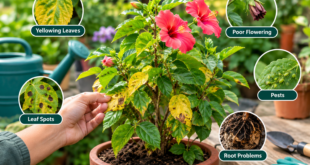
Signs of trouble may include holes in leaves, sticky residue, distorted new growth, spots, yellowing, or flowers that fail to develop normally.
Good air circulation, proper watering, clean gardening tools, and removing badly damaged plant material can help maintain healthier plants. If you need a pest control product, always choose one that is appropriate for the plant and follow the label directions carefully.
Give Plants Enough Space
Crowded flowering plants may compete for sunlight, water, nutrients, and air circulation. This can lead to weak growth and may increase the chance of certain plant diseases.
When planting flowers, I prefer leaving enough room for each plant to reach its mature size. The recommended spacing can vary considerably between species.
Proper spacing also makes gardening easier because you can reach the soil, inspect leaves, water the plants, and remove dead flowers without damaging neighboring plants.
Avoid Overwatering
Overwatering is one of the most common mistakes I see among beginner gardeners. People sometimes assume that more water means healthier plants, but that is not always true.
Constantly wet soil can reduce the amount of oxygen available around the roots. In severe cases, roots can become damaged and the plant may start showing symptoms such as yellow leaves, weak growth, or wilting despite having plenty of water.
The best approach is to understand your soil, climate, pot size, and plant requirements. Let the soil condition guide your watering instead of automatically watering every day.
Encourage Healthy Root Growth
Beautiful flowers begin with healthy roots. If the root system is weak, the plant may struggle to support strong stems and abundant blooms.
When planting, avoid damaging the roots unnecessarily. Give the plant suitable soil and enough space for the roots to develop.
For container plants, repotting may eventually become necessary when roots become severely crowded. Choose a container that provides enough room without being excessively large.
Healthy roots allow the plant to absorb water and nutrients more effectively, which supports stronger overall growth.
Be Consistent With Plant Care
In my opinion, consistency is more important than trying complicated gardening techniques. Flowering plants usually respond well to regular care.
Check your plants several times a week. Look at the soil, inspect the leaves, remove faded flowers when appropriate, and watch for pests.
Keep a simple routine for watering, feeding, pruning, and seasonal protection. This makes it easier to notice small problems before they become serious.
You do not need to spend hours every day caring for your garden. A few minutes of regular attention can make a noticeable difference over time.
Give Each Plant Individual Attention
One important lesson I have learned from gardening is that every plant is slightly different. A rose may have different needs from a marigold, petunia, hibiscus, or geranium.
Instead of using exactly the same care routine for every flowering plant, learn the basic requirements of each variety. Check its preferred sunlight, watering needs, soil type, feeding requirements, and pruning schedule.
This simple habit can improve your results because you are working with the natural needs of the plant rather than forcing every flower to follow the same routine.
Final Thoughts
Learning how to care for flowering plants for better blooms does not have to be complicated. In my experience, the most important things are providing suitable sunlight, watering correctly, using healthy soil, supplying balanced nutrients, removing faded flowers, pruning at the right time, and protecting plants from extreme weather.
It is also important to observe your plants regularly. Leaves, stems, soil, buds, and flowers can tell you a lot about what a plant needs. If you notice changes early, you have a better opportunity to correct the problem.
Beautiful blooms are often the result of simple habits repeated consistently. Give your flowering plants the right environment, be patient with their growth, and pay attention to their individual needs. With proper flowering plant care, your garden can become healthier, more colorful, and full of attractive blooms throughout the growing season.
Frequently Asked Questions
How often should I water flowering plants?
Watering frequency depends on the plant, soil, container size, temperature, and sunlight. Check the soil moisture before watering and avoid keeping the soil constantly saturated.
Does sunlight help flowering plants bloom?
Yes. Many flowering plants need several hours of suitable sunlight to produce healthy growth and flowers. However, the exact amount depends on the plant variety.
Should I remove dead flowers?
Deadheading can encourage additional blooms in many flowering plants. However, some plants do not require it, so check the needs of your specific variety.
What fertilizer is best for flowering plants?
A balanced fertilizer or a fertilizer formulated for flowering plants can be useful when applied according to the product instructions. Avoid excessive feeding.
Why are my flowering plants producing leaves but few flowers?
Possible causes include insufficient sunlight, excessive nitrogen, improper pruning, unsuitable temperatures, poor watering, or the natural flowering cycle of the plant.