 snailhas25000teeth
Related Articles
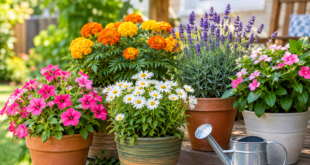
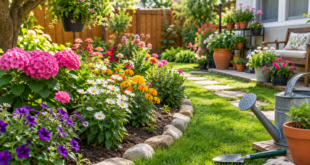
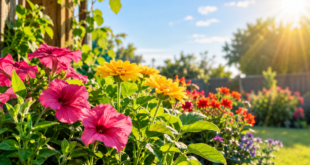
Starting a garden can feel difficult when you are not familiar with plants. I remember that choosing the right plants is often the first challenge because there are so many varieties available. Some plants need special care, while others can grow beautifully with very little attention. For beginners, I always recommend starting with easy flowering plants that can handle common mistakes and still produce attractive blooms.
Flowering plants can make a garden, balcony, terrace, or indoor space feel more colorful and welcoming. They can also give beginners the confidence to learn more about gardening. In my experience, you do not need a huge garden or expensive equipment to enjoy beautiful flowers. A few suitable pots, good soil, enough sunlight, and regular watering can be enough to get started.
In this article, I will share 10 easy flowering plants for beginners that are generally simple to grow and maintain. These plants are suitable for people who are growing flowers for the first time and want attractive results without complicated gardening routines.
1. Marigold
Marigold is one of my favorite choices for beginner gardeners because it is colorful, cheerful, and relatively easy to maintain. Marigolds are available in shades such as yellow, orange, and golden.
They generally prefer plenty of sunlight and well drained soil. Watering should be regular, but the soil should not remain constantly wet. Removing old flowers can also encourage the plant to produce more blooms.
Marigolds can grow well in containers as well as garden beds. If you want an easy flowering plant that gives your garden a bright appearance, marigold is an excellent starting point.
2. Petunia
Petunias are popular flowering plants because they can produce many beautiful flowers during their growing season. They come in several colors, including pink, purple, white, red, and combinations of different shades.
I particularly like petunias for balconies and containers because their flowers can create a full and colorful display in a relatively small space.
Petunias usually prefer plenty of sunlight and soil that drains well. Water them when the top layer of soil starts to dry, but avoid keeping the roots constantly soaked.
With regular care and occasional removal of faded flowers, petunias can remain attractive for a long time.
3. Zinnia
Zinnias are another excellent option for anyone learning how to grow flowers. They are known for their bright and colorful blooms and are available in many different varieties.
One reason I recommend zinnias to beginners is that they can grow quickly under suitable conditions. They generally enjoy warm weather, plenty of sunlight, and well drained soil.
Zinnias can be grown from seeds, making them an interesting choice for beginners who want to experience the complete process of growing a flowering plant.
Regular watering is important, especially during hot weather. However, avoid excessive moisture around the roots.
4. Sunflower
Sunflowers are probably one of the most enjoyable flowers for beginners to grow. Their large yellow blooms can instantly make a garden look brighter.
Sunflowers need plenty of sunlight because they are naturally sun loving plants. Choose a location where they can receive several hours of direct sunlight each day.
Depending on the variety, sunflowers can become quite tall, so it is important to give them enough space. Some smaller varieties are also suitable for containers.
I think sunflowers are particularly rewarding for children and new gardeners because you can easily see the plant developing from a small seed into a tall flowering plant.
5. Geranium
Geraniums are attractive flowering plants that can work well in containers, balconies, and outdoor garden spaces. Their colorful flowers and attractive foliage make them popular among home gardeners.
Geraniums generally prefer good sunlight and well drained soil. They should not be left sitting in water because overly wet conditions can cause problems with the roots.
One useful habit is to remove faded flowers and damaged leaves. This keeps the plant looking cleaner and can encourage continued flowering.
If you want a flowering plant for a sunny balcony or patio, geraniums are worth considering.
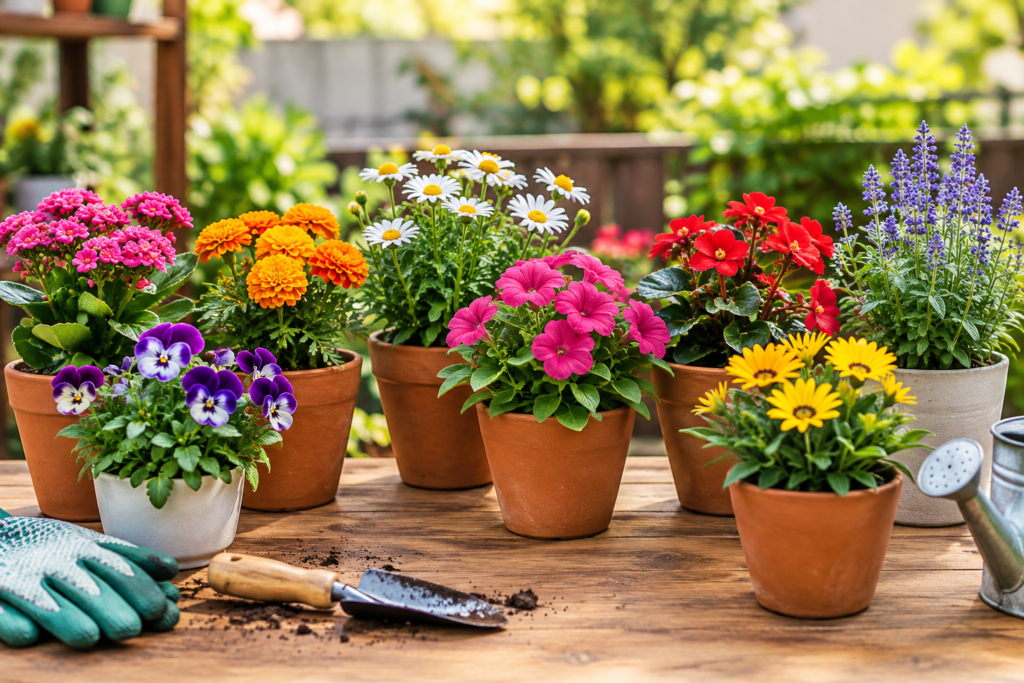
6. Impatiens
If your garden has an area with less direct sunlight, impatiens can be a useful option. They are known for producing colorful flowers and are commonly grown in shaded or partially shaded locations.
Impatiens generally prefer consistently moist soil, especially during warm weather. However, good drainage is still important because constantly waterlogged soil can damage the roots.
I like impatiens because they can bring color to areas where many sun loving flowers may struggle.
Before planting them, check how much light your particular growing location receives. This simple step can make a big difference in the success of your flowering plants.
7. Cosmos
Cosmos is a simple and attractive flowering plant that can add a soft, natural appearance to a garden. The flowers commonly appear in shades such as pink, white, and purple.
Cosmos generally prefer sunlight and reasonably well drained soil. They can also be grown from seeds, making them a good plant for beginners who want to learn about seed starting.
One thing I like about cosmos is that they do not require a complicated gardening routine when grown in suitable conditions. Provide adequate sunlight, water when needed, and give the plants enough room to grow.
They can also attract pollinators, which makes them a useful addition to a garden designed to support local insects.
8. Pansies
Pansies are small flowering plants with colorful blooms that often feature interesting patterns. They can be a good choice for containers, window boxes, and small garden spaces.
Pansies generally prefer cooler growing conditions and moderate sunlight. Their exact performance depends on the local climate, so beginners should choose the appropriate season for growing them.
One advantage of pansies is their compact size. You do not need a large garden to enjoy them.
I recommend growing pansies in attractive containers if you have limited outdoor space. A few pots can create a surprisingly colorful display.
9. Begonias
Begonias are available in many forms and can provide attractive flowers along with decorative foliage. They are especially useful for gardeners who want color in containers or partially shaded locations.
Many begonias prefer bright indirect light or partial shade rather than intense direct sunlight. Their watering requirements depend on the variety, but overwatering should generally be avoided.
Before purchasing a begonia, I suggest checking the care requirements of the specific variety. This is an important gardening habit because different plants within the same broad group can have different needs.
With suitable light, appropriate watering, and good drainage, begonias can become beautiful additions to a beginner garden.
10. Nasturtium
Nasturtiums are another interesting choice for beginner gardeners. Their bright flowers can add strong color to garden beds and containers.
They generally grow well in sunny locations and can tolerate less than perfect soil. In fact, overly rich soil can sometimes encourage more leaves than flowers.
Nasturtiums can be grown from seeds, which makes them useful for people who want an easy introduction to growing flowering plants from seed.
Some nasturtium varieties trail naturally, making them suitable for hanging containers or areas where the stems can spread over the edge of a pot.
How to Choose the Right Flowering Plant
Choosing an easy flowering plant is not only about picking the prettiest flower. I believe beginners should first look at their growing conditions.
Start by checking how much sunlight your garden or balcony receives. A location with several hours of direct sunlight can be suitable for plants such as marigolds, zinnias, sunflowers, and many petunias. Areas with less direct sunlight may be more appropriate for plants such as impatiens or certain begonias.
You should also consider your local climate. Temperature, humidity, rainfall, and seasonal changes can affect plant growth.
The size of your available space is another important factor. If you only have a balcony, choose compact plants or container friendly varieties. If you have a large garden, you have more freedom to grow taller flowers such as sunflowers and larger varieties of zinnias.
Basic Flower Plant Care for Beginners
Even easy flowering plants need basic care. The good news is that the routine is usually simple.
First, use suitable soil that allows excess water to drain away. Poor drainage is one of the common problems beginners encounter.
Second, learn when your plants need water. Instead of watering automatically every day, check the soil first. Some plants prefer consistently moist soil, while others prefer the soil to dry slightly between watering.
Sunlight is equally important. Always check the requirements of your particular plant before deciding where to place it.
Feeding can also support healthy growth. A suitable balanced fertilizer used according to its label directions may help flowering plants develop healthy foliage and blooms. Avoid using excessive fertilizer because more is not always better.
Finally, remove dead flowers and damaged leaves when necessary. This simple maintenance habit can keep plants looking healthier and more attractive.
Common Mistakes Beginners Should Avoid
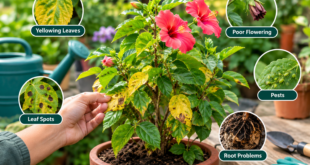
One of the biggest mistakes I see new gardeners make is overwatering. It is natural to think that more water means faster growth, but excessive moisture can create serious problems.
Another common mistake is choosing a plant without checking its sunlight requirements. A beautiful plant may struggle if it is placed in the wrong location.
Using containers without drainage holes is another problem. Excess water needs a way to escape.
Beginners should also avoid planting too many different flowers at once. Starting with a few easy flowering plants makes it easier to understand watering, sunlight, soil, and seasonal care.
Final Thoughts
Growing flowers does not have to be complicated. In my opinion, the best way to become a better gardener is to start small and learn from your plants.
Marigolds, petunias, zinnias, sunflowers, geraniums, impatiens, cosmos, pansies, begonias, and nasturtiums are all worth considering when looking for easy flowering plants for beginners. Each plant has different needs, so paying attention to sunlight, watering, soil, temperature, and space is essential.
The most rewarding part of gardening is watching a small plant develop and eventually produce its first flower. You do not need to be an expert to experience that feeling. Start with a few beginner friendly flowering plants, give them suitable conditions, and pay attention to how they respond.
With time, you will naturally become more confident. Once you understand the basic needs of your plants, you can experiment with more varieties and create a garden that reflects your own style.