 snailhas25000teeth
Related Articles
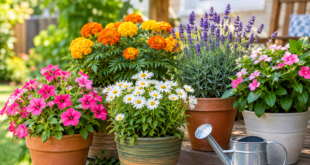
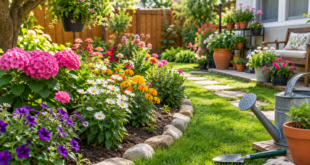
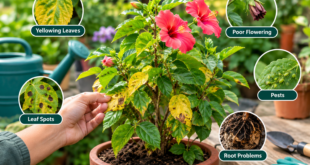
Marigolds are one of my favorite flowers to grow at home because they are colorful, cheerful, and relatively easy to care for. You do not need a large garden to enjoy them. With a few pots, good soil, enough sunlight, and regular watering, you can grow healthy marigold plants on a balcony, terrace, patio, or in a small garden.
What I like most about marigolds is how quickly they can transform an ordinary space. Their bright yellow, orange, and golden flowers bring a warm feeling to the garden, and they can continue producing blooms when they receive the right care. If you are a beginner wondering how to grow marigolds at home, this guide will help you understand everything from choosing seeds to caring for mature plants.
Why Grow Marigolds at Home?
There are many reasons to grow marigolds at home. First, they are beginner friendly plants. They can tolerate a range of growing conditions as long as their basic needs are met.
Marigolds also produce attractive flowers for a long period during suitable growing conditions. Their bright colors work beautifully in containers, flower beds, borders, and mixed gardens.
Another reason I recommend marigolds is that they are useful companion plants. Many gardeners grow them near vegetables and herbs because their strong fragrance can be useful in a garden setting. However, they should not be considered a complete solution for garden pests.
For someone starting a home flower garden, marigolds are a simple and rewarding choice.
Choose the Right Type of Marigold
Before you start growing marigolds, it is helpful to understand that there are different types. French marigolds are usually compact and work very well in pots and smaller gardens. African marigolds can grow taller and produce large flowers. Signet marigolds are smaller and can provide many small flowers throughout the plant.
For container gardening, I usually prefer compact varieties because they are easier to manage. If you have more garden space, taller varieties can create a beautiful background.
When buying seeds, always check the growing instructions on the packet. Choose a variety that matches your available space and local growing conditions.
Select a Sunny Location
One of the most important steps in learning how to grow marigolds at home is choosing the right location.
Marigolds generally perform best when they receive plenty of sunlight. A location that receives around six hours or more of direct sunlight is often suitable. More sunlight can encourage strong growth and flowering, although conditions can vary depending on the climate and variety.
If you are growing marigolds in pots, place them where they can receive good morning and afternoon sunlight. A balcony, rooftop, patio, or sunny garden area can work well.
In very hot weather, especially in extremely warm climates, watch the plants for signs of heat stress. If the afternoon sun becomes intense, some protection during the hottest hours can help prevent excessive stress.
Prepare the Right Soil
Good soil makes a noticeable difference when growing marigolds. They prefer soil that drains well and does not remain constantly wet.
For container gardening, I recommend using a good quality potting mix rather than heavy garden soil. You can improve the soil with mature compost to provide organic matter.
The soil should be loose enough for roots to grow easily. Poor drainage can cause water to remain around the roots, which may lead to root problems.
Before planting, loosen the soil and remove large stones, weeds, and other debris. A simple well prepared growing medium can give marigold seedlings a strong start.
Choose the Right Pot
Marigolds can grow very well in containers, which makes them a great option for people who do not have a traditional garden.
Choose a pot with drainage holes at the bottom. The size depends on the variety you are growing. Compact marigolds can grow successfully in smaller containers, while larger varieties need more space for their roots.
I always prefer a pot that gives the plant enough room to develop without making the container unnecessarily large. An oversized container can hold more moisture than the plant needs, especially when drainage is poor.
If you are planting several marigolds in one container, give each plant enough space for air circulation and root development.
How to Plant Marigold Seeds
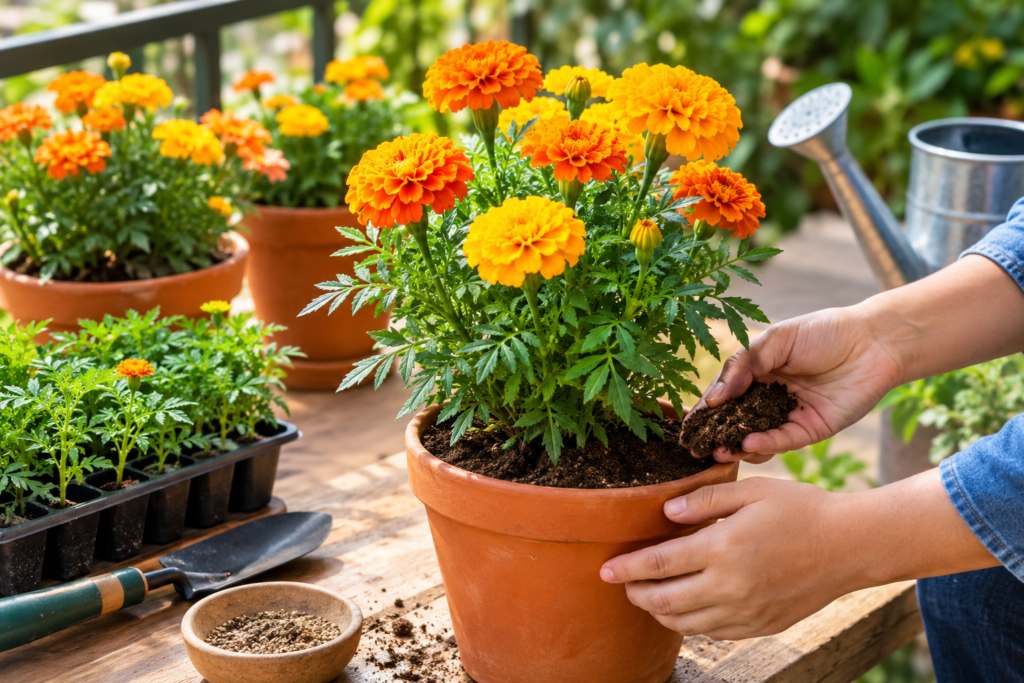
Growing marigolds from seeds is simple and affordable. Fill a seed tray, small pot, or container with a moist growing medium.
Place the seeds according to the instructions on the seed packet. Cover them lightly with soil. Marigold seeds generally do not need to be buried deeply.
Keep the soil slightly moist but avoid making it soggy. Place the container in a warm location with suitable light.
With proper conditions, seedlings can appear relatively quickly. Once they develop several healthy leaves, they can be moved into larger containers or planted in the garden.
If you are new to gardening, starting with seeds can be a great way to learn how plants develop from the earliest stage.
Water Marigolds Properly
Watering is one of the most important parts of marigold plant care. Newly planted seeds need consistent moisture while they are germinating. However, too much water can create problems.
Once the plant becomes established, allow the upper layer of soil to dry slightly before watering again. The exact watering schedule depends on temperature, sunlight, pot size, soil, and rainfall.
I prefer checking the soil rather than following a fixed watering schedule. If the soil feels dry near the surface, it may be time to water.
When watering, apply enough water to moisten the root area and allow excess water to drain away. Avoid keeping the leaves constantly wet, especially when air circulation is limited.
During hot weather, container grown marigolds may need more frequent watering because pots can dry out quickly.
Fertilize for Healthy Growth
Marigolds do not usually require excessive fertilizer. Too much nitrogen can encourage leafy growth while reducing flowering.
A balanced fertilizer used according to the product instructions can support healthy development. Compost can also improve the growing medium by adding organic matter.
I prefer using fertilizer carefully rather than assuming more fertilizer means more flowers. Always follow the recommended application rate on the fertilizer label.
If your plants are growing well and producing flowers, there is usually no reason to overfeed them.
Deadhead Marigold Flowers
Deadheading is one of the easiest ways to keep marigold plants looking attractive.
As flowers fade, remove the old flower heads. This helps the plant focus its energy on continued growth and flowering rather than seed production.
You do not need special equipment for occasional deadheading. Clean scissors or your fingers can be enough for many plants.
I recommend checking marigolds every few days during their active flowering period. Removing faded flowers also keeps the plant looking neat and encourages the garden to maintain a fresh appearance.
Give Plants Enough Space
Good air circulation is important for healthy marigolds. Avoid placing plants so close together that their leaves remain crowded.
When planting in a garden bed, follow the spacing instructions for your particular variety. Taller marigolds generally require more room than compact varieties.
Proper spacing also makes watering, pruning, inspection, and harvesting seeds easier.
If you notice leaves staying wet for long periods or plants becoming overly crowded, increasing airflow around them can help create better growing conditions.
Common Marigold Problems
Marigolds are generally easy to grow, but problems can still occur.
Yellow leaves may result from several causes, including excessive watering, poor drainage, nutrient issues, or natural aging. Instead of immediately adding fertilizer, check the soil moisture and growing conditions first.
Wilting can happen when plants are thirsty, but overwatering can also damage roots and cause a plant to look unhealthy. Always check the soil before watering.
You may also notice insects on the leaves or flowers. Inspect plants regularly and deal with pest problems early. Removing damaged plant material and keeping the garden clean can help.
Good sunlight, appropriate watering, proper spacing, and healthy soil are the foundation of good marigold care.
How to Grow Marigolds in Hot Weather
If you live in a hot climate, growing marigolds requires some additional attention. High temperatures can dry containers quickly, so check the soil regularly.
Water deeply when the soil needs moisture rather than giving the plant tiny amounts of water repeatedly. At the same time, make sure excess water can drain away.
During periods of extreme afternoon heat, temporary shade can reduce stress. Morning sunlight is particularly valuable because it gives plants strong light before temperatures become extremely high.
Adding a thin layer of organic mulch around outdoor plants can also help the soil retain moisture. Keep the mulch slightly away from the main stem to reduce the risk of excess moisture around the base.
How to Encourage More Marigold Flowers
If your goal is to enjoy lots of colorful flowers, focus on the basics first. Give marigolds enough sunlight, avoid excessive nitrogen fertilizer, water correctly, and remove faded flowers.
Healthy plants naturally have a better chance of producing plenty of blooms.
Do not worry if your plant does not look perfect every day. Gardening is a process, and plants respond to changes in weather, water, soil, and sunlight.
I have found that consistent care is much more useful than constantly changing the plant’s growing conditions.
Can You Grow Marigolds Indoors?
Marigolds are primarily outdoor flowering plants because they need plenty of sunlight. Growing them indoors can be difficult if the plant does not receive enough direct light.
If you want to grow marigolds indoors, place them near a very bright sunny window. Watch the plant carefully for signs of weak or stretched growth.
For most beginners, an outdoor balcony, patio, terrace, or sunny window area is easier than trying to maintain marigolds in a darker indoor room.
Saving Marigold Seeds
One of the benefits of growing marigolds is that you can collect seeds from mature flowers.
Allow some flowers to remain on the plant until they become dry. Once the flower heads are completely dry, remove them and carefully separate the seeds.
Store dry seeds in a cool and dry place. Labeling the container with the variety and collection date can help you remember what you saved.
Not every saved seed will necessarily produce a plant identical to the parent, particularly with certain hybrid varieties, but saving seeds can still be a fun part of home gardening.
Final Thoughts
Learning how to grow marigolds at home does not have to be complicated. Start with healthy seeds, choose a sunny location, use well draining soil, select a suitable container, and maintain consistent watering.
Once the plants become established, regular deadheading and simple maintenance can help keep them attractive and productive.
For me, marigolds are one of those flowers that make gardening feel rewarding without requiring complicated techniques. Their bright colors can make a small balcony feel more alive and can add plenty of character to a garden.
If you are looking for an easy flowering plant to start your home garden, marigolds are worth considering. With a little patience and regular care, you can enjoy beautiful marigold flowers throughout their growing season.