 snailhas25000teeth
Related Articles
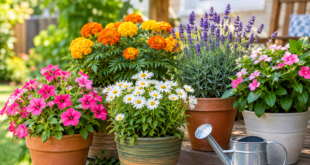
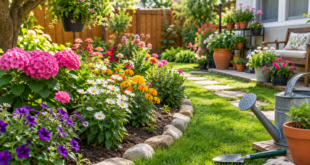
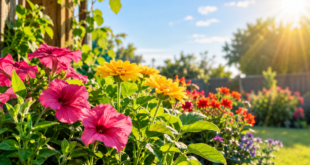
Growing healthy plants is rewarding, but for me, the real joy comes when a plant starts producing lots of beautiful flowers. Whether you are growing flowering plants indoors, keeping pots on a balcony, or maintaining a full garden, getting more flowers often depends on a few simple care practices.
Many people think flowering is completely natural and there is nothing they can do to increase blooms. In reality, plant care has a major effect on flowering. The right amount of sunlight, proper watering, suitable fertilizer, pruning, and good soil can all help plants produce more flowers.
In my experience, the most important thing is to understand what your plant needs instead of giving it too much care. Sometimes people water too often or add too much fertilizer because they want better growth. This can actually reduce flowering. A balanced approach usually gives much better results.
Give Your Plants Enough Sunlight
One of the first things I check when a flowering plant is not producing enough flowers is sunlight. Most flowering plants need plenty of light to produce healthy buds and blooms.
Plants such as roses, marigolds, petunias, zinnias, and many other garden flowers usually perform well when they receive several hours of sunlight each day. However, the exact amount depends on the plant species.
If a plant receives too little sunlight, it may produce plenty of green leaves but very few flowers. The stems may also become weak and stretched as the plant searches for more light.
Before moving a plant into direct sunlight, I recommend checking its specific needs. Some plants prefer bright indirect light, while others can handle strong afternoon sun.
If your flowering plant is growing indoors, place it near a bright window where it can receive adequate natural light. Rotate the pot occasionally so all sides of the plant receive similar exposure.
Water Correctly
Watering is another important factor when you want to encourage more flowers on your plants. Both underwatering and overwatering can cause problems.
A plant that does not receive enough water may become stressed and stop producing new buds. On the other hand, constantly wet soil can damage roots and reduce the plant’s overall health.
I prefer checking the soil before watering instead of following a strict schedule. Insert your finger into the top layer of soil. If the soil feels dry and the plant needs water, water it thoroughly.
Make sure excess water can drain from the pot. Containers without proper drainage can hold too much moisture around the roots.
During hot weather, plants in containers may need water more frequently because their soil dries out faster. Garden plants may need less frequent watering depending on rainfall and soil conditions.
Use the Right Fertilizer
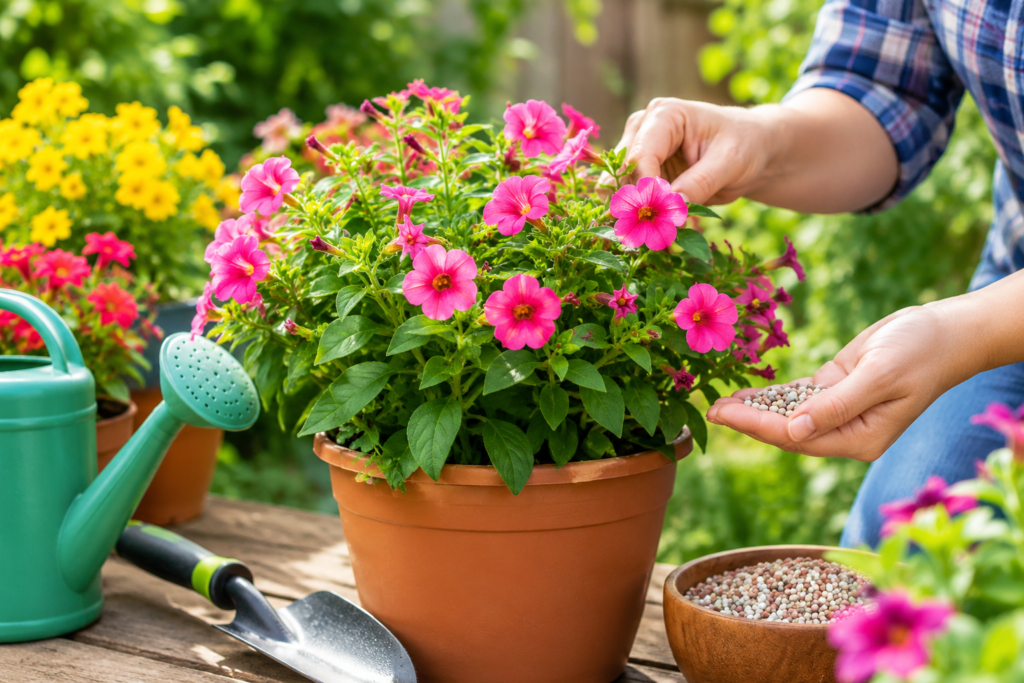
Fertilizer can support flowering when it is used correctly. Plants need nutrients to produce leaves, roots, stems, buds, and flowers, but giving them excessive fertilizer is not a good way to increase blooms.
I usually look for a fertilizer that is suitable for flowering plants and follow the instructions on the package. Fertilizers with an appropriate balance of nutrients can support healthy growth and flower production.
Too much nitrogen can encourage lots of leafy growth while reducing flowering in some plants. This is one reason a plant can look extremely green and healthy but produce very few flowers.
Do not assume that more fertilizer means more flowers. Overfertilizing can damage roots and create other growth problems. Consistency and moderation are much more useful.
Deadhead Old Flowers
Deadheading is one of the easiest ways to encourage some flowering plants to produce additional blooms.
Deadheading means removing flowers after they have faded. When I notice old flowers starting to dry out, I remove them using clean scissors or by pinching them off when appropriate for the plant.
Once a flower fades, many plants begin putting energy into producing seeds. Removing spent flowers can encourage certain plants to focus their resources on producing new flowers instead.
Not every plant needs deadheading, so it is important to understand the particular plant you are growing. Some flowers naturally bloom once and do not benefit significantly from repeated removal.
For plants that respond well to deadheading, however, it can make a noticeable difference in the appearance of the plant and the number of flowers produced over time.
Prune at the Right Time
Pruning can help flowering plants develop a healthier and more attractive shape. It can also encourage new growth that may eventually produce flowers.
However, timing is extremely important. If you prune a plant at the wrong time, you may accidentally remove developing flower buds.
Before pruning, I always try to understand whether the plant flowers on new growth or older growth. Some flowering plants produce blooms on branches that developed during the current season, while others produce flowers on older stems.
Remove dead, damaged, or diseased growth first. For plants that benefit from regular pruning, trimming overly crowded growth can also improve air circulation and light penetration.
Avoid cutting a plant heavily without understanding how it grows. Good pruning should support the plant rather than create unnecessary stress.
Improve the Soil
Healthy roots are essential for healthy flowering. If the roots cannot access enough nutrients, oxygen, and moisture, the plant may struggle to produce flowers.
Good soil should provide both nutrients and drainage. Heavy soil that remains wet for long periods can create root problems, while extremely sandy soil may drain too quickly.
For container plants, I prefer using a quality potting mix that provides good drainage and supports root development.
Adding suitable organic matter to garden soil can also improve soil structure. Compost can provide organic material and support overall soil health.
Remember that soil improvement is a long term process. You do not need to make dramatic changes every time a plant produces fewer flowers.
Give Plants Enough Space
Crowded plants often compete for sunlight, water, nutrients, and air circulation. This can affect their overall growth and flowering.
When planting flowers in a garden, follow the recommended spacing for the plant. If several plants are growing in a container, make sure the container is large enough for their root systems.
I have found that giving plants enough space makes maintenance easier as well. You can inspect the leaves, water the soil properly, remove old flowers, and notice pest problems earlier.
Good spacing also allows sunlight to reach more parts of the plant.
Keep Pests Under Control
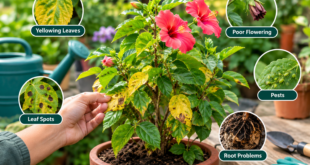
Pests can interfere with flowering by damaging leaves, stems, buds, and new growth. Aphids, thrips, mites, and other pests can become a problem on some flowering plants.
Check your plants regularly, especially when you notice distorted leaves, damaged buds, sticky residue, or unusual spots.
I recommend identifying the pest before choosing a treatment. Avoid applying unnecessary products simply because a plant is not flowering well.
Regular inspection is often the best first step. Catching a pest problem early can prevent it from becoming much more difficult to manage.
Protect Plants From Extreme Weather
Temperature can also affect flowering. Some plants perform best in mild temperatures, while others tolerate heat or cooler conditions better.
During very hot weather, flowering plants may become stressed, especially when they are growing in small containers. Providing suitable shade during extreme heat can help certain plants recover.
At the same time, plants that require strong sunlight should not be kept in deep shade for long periods because insufficient light can reduce flowering.
Cold temperatures can also slow growth and damage sensitive plants. If a plant is not suited to your local climate, consider growing it in a protected location or moving container plants indoors when necessary.
Avoid Overwatering and Overfertilizing
When a plant is not flowering, it is tempting to give it more water or fertilizer. I think this is one of the most common mistakes beginners make.
Plants need balance. Too much water can cause root problems, while too much fertilizer can damage roots or encourage excessive leafy growth.
Instead of adding more of everything, look at the entire growing environment. Check sunlight, soil moisture, drainage, nutrition, temperature, and plant health.
Sometimes the solution is simply moving the plant to a brighter location or allowing the soil to dry slightly between waterings.
Encourage Healthy New Growth
Healthy new growth gives many flowering plants the foundation they need for future blooms. Good light, appropriate watering, proper nutrition, and suitable temperatures all support this process.
I like to monitor new leaves and stems because they can tell me a lot about the plant. Strong, healthy growth is generally a good sign, while weak stems, pale leaves, or distorted growth may indicate that something needs attention.
Do not expect flowers immediately after making a change. Plants need time to respond to better growing conditions.
Choose Flowering Plants That Suit Your Environment
Sometimes the reason a plant does not flower well is simply that its growing conditions are not suitable.
Before buying a flowering plant, consider how much sunlight your garden or home receives. Think about temperature, humidity, soil type, available space, and how much time you can spend caring for the plant.
Choosing plants that naturally suit your environment makes flowering much easier.
For example, a plant that requires strong sunlight may struggle in a dark indoor room. Similarly, a plant that prefers cool conditions may find extremely hot weather difficult.
The right plant in the right location can save a lot of effort.
Be Patient With Your Plants
One thing I have learned from gardening is that plants work on their own schedule. Even when you provide excellent care, a plant may not flower immediately.
Young plants may need time to mature before producing their best flowers. Recently transplanted plants may also spend energy developing roots before they begin flowering again.
Instead of constantly changing the care routine, give the plant stable conditions and observe its progress.
Consistency is often more effective than trying a new solution every few days.
Final Thoughts
Encouraging more flowers on your plants does not require complicated gardening techniques. In my view, the best results usually come from understanding the basic needs of the plant and providing consistent care.
Start with sunlight, proper watering, healthy soil, suitable fertilizer, and regular inspection. Deadhead spent flowers when appropriate and prune according to the plant’s natural growth pattern. Keep pests under control and protect sensitive plants from extreme weather.
Most importantly, avoid trying to force flowering by giving a plant excessive water or fertilizer. A healthy plant that receives the right conditions has a much better chance of producing beautiful flowers.
If you pay attention to your plants and make small improvements over time, you can create a healthier garden with more colorful and long lasting blooms. Gardening takes patience, but watching a plant respond with fresh flowers makes that patience worthwhile.
Frequently Asked Questions
How can I make my plants produce more flowers?
Provide suitable sunlight, consistent watering, healthy soil, appropriate fertilizer, and good growing conditions. Deadheading can also encourage additional blooms on plants that respond well to it.
Does fertilizer increase flowering?
The right fertilizer can support flowering, but excessive fertilizer can cause problems. Follow the recommended application rate and choose a product appropriate for flowering plants.
Why does my plant have lots of leaves but no flowers?
Insufficient sunlight, excessive nitrogen, incorrect pruning, plant maturity, or unsuitable growing conditions can contribute to poor flowering.
Should I remove dead flowers?
For many flowering plants, removing spent flowers can encourage additional blooms. However, some plants do not require deadheading, so check the needs of your specific plant.
How much sunlight do flowering plants need?
The amount varies by species. Many flowering plants need several hours of sunlight each day, while some prefer bright indirect light. Always consider the requirements of the particular plant.