 snailhas25000teeth
Related Articles
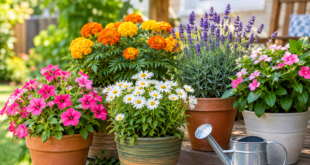
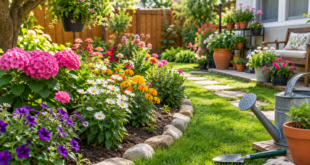
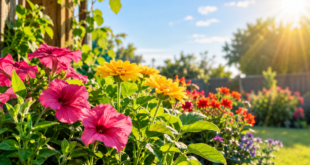
Flowering plants can completely change the look and feel of a garden. When they are healthy, they produce colorful blooms, fresh green leaves, and steady new growth. However, flowering plants can also develop problems that affect their appearance and ability to produce flowers. In my experience, most flowering plant problems are connected to a few basic things such as watering, sunlight, soil, nutrition, pests, or poor air circulation.
The good thing is that many common problems affecting flowering plants can be identified early and corrected with proper care. Instead of immediately using strong treatments, I believe it is better to first understand what the plant is trying to tell you. Yellow leaves, falling buds, weak stems, and poor flowering are often signs that something in the growing conditions needs attention.
In this article, I will discuss the most common problems that affect flowering plants and explain simple ways to help your plants recover and produce healthier blooms.
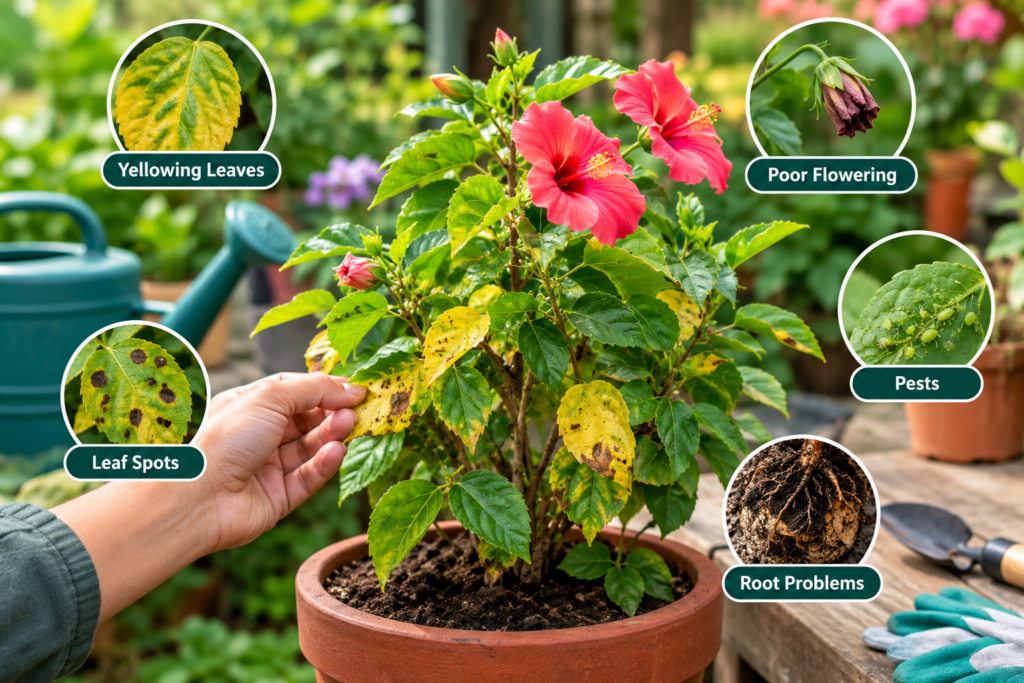
Yellow Leaves on Flowering Plants
Yellow leaves are one of the most common problems seen in flowering plants. Although an occasional old leaf turning yellow is normal, a large number of yellow leaves usually indicate a problem.
Overwatering is a common reason for yellow leaves. When the soil remains wet for too long, the roots may not receive enough oxygen. This can weaken the plant and eventually cause the leaves to turn yellow.
Underwatering can also cause yellowing, especially when the leaves become dry, soft, or wilted. The best approach is to check the soil before watering instead of following a fixed schedule.
Nutrient deficiencies can also contribute to yellow leaves. If the plant is not receiving enough nutrients, its growth may become weak and its leaves may lose their healthy green color. Good quality soil and balanced plant fertilizer can help when nutrition is the problem.
Flower Buds Falling Before Opening
It can be disappointing to see flower buds forming and then falling from the plant before they open. This problem can happen for several reasons.
Sudden changes in temperature can stress flowering plants. Very hot weather, cold nights, strong winds, or sudden changes in growing conditions may cause buds to drop.
Watering problems can also affect flower buds. Both excessive watering and allowing the plant to become extremely dry can create stress. I find that maintaining reasonably consistent soil moisture is much better than allowing the plant to move between very wet and very dry conditions.
Another possible reason is poor nutrition. Plants need enough nutrients to support flower production. However, excessive fertilizer can also damage roots and create additional problems, so fertilizer should always be used according to the plant’s needs.
Flowering Plants Not Producing Flowers
One of the most frustrating flowering plant problems is healthy looking growth without flowers. Sometimes the plant produces plenty of leaves but very few blooms.
Insufficient sunlight is often responsible. Many flowering plants need several hours of bright sunlight each day to produce strong blooms. If a plant is growing in deep shade, moving it to a brighter location may improve flowering.
Too much nitrogen can also encourage leafy growth instead of flowers. This is why I prefer using a balanced fertilizer rather than applying large amounts of fertilizer simply because the plant is not flowering.
The age and variety of the plant also matter. Some plants need time to become established before they begin producing abundant flowers. Understanding the natural flowering season of a plant can prevent unnecessary changes to its care routine.
Overwatering and Root Problems
Water is essential for flowering plants, but too much water can be just as harmful as too little. Overwatering can create waterlogged soil and contribute to root problems.
Signs of overwatering can include yellow leaves, wilting despite wet soil, slow growth, and unpleasant smelling soil. In severe cases, roots may become damaged and the plant can decline quickly.
Good drainage is one of the easiest ways to reduce this problem. Containers should have drainage holes, and garden soil should not remain saturated for long periods.
I recommend checking the soil with your finger before watering container plants. If the upper layer is still very wet, waiting a little longer may be better than adding more water.
Underwatering and Wilting
Underwatering is another common problem affecting flowering plants. When a plant does not receive enough water, its leaves may wilt, become dry, or develop brown edges.
Flowering plants may become especially sensitive to water shortages when they are producing buds and flowers. During hot weather, plants growing in containers may need more frequent watering because their soil dries faster.
However, watering should be done thoroughly rather than giving the plant a tiny amount every day. The goal is to provide enough moisture while still allowing excess water to drain away.
Pest Problems on Flowering Plants
Pests can quickly damage flowering plants. Common garden pests include aphids, whiteflies, spider mites, mealybugs, and thrips.
Aphids often gather around young shoots and flower buds. They feed on plant sap and can cause distorted growth. Spider mites are tiny and may be difficult to notice, but they can cause speckled or faded leaves.
Regular inspection is one of the simplest ways to control pest problems. I like to check the underside of leaves, new shoots, and areas around flower buds because pests often hide there.
For a minor infestation, physically removing pests or washing leaves with a gentle stream of water may help. More serious problems may require an appropriate garden treatment used according to its label instructions.
Fungal Diseases and Leaf Spots
Flowering plants can develop fungal problems when conditions remain humid and leaves stay wet for long periods. Leaf spots, powdery growth, and damaged foliage may appear when fungal diseases become established.
Good air circulation can reduce the risk. Avoid placing plants too close together, especially in areas where humidity is already high.
Watering at the base of the plant instead of repeatedly wetting the leaves can also help. Removing badly affected leaves may prevent the problem from spreading throughout the plant.
It is important to identify the problem correctly before applying a treatment because not every leaf spot has the same cause.
Poor Soil and Nutrient Deficiency
Healthy soil is the foundation of healthy flowering plants. Poor soil can limit root growth and reduce the nutrients available to the plant.
A plant suffering from nutrient deficiency may have pale leaves, slow growth, small flowers, or weak stems. Different deficiencies can create different symptoms, so it is not always easy to identify the exact nutrient problem simply by looking at the leaves.
Adding organic matter such as compost can improve many garden soils. For container plants, using a suitable quality potting mix can provide a better growing environment.
Fertilizer can support flowering, but more fertilizer does not always mean more flowers. Overfertilizing can damage roots and create excessive leafy growth.
Too Much or Too Little Sunlight
Sunlight plays a major role in flowering plant care. Plants use light to produce the energy they need for growth and flower production.
If a sun loving flowering plant receives too little light, it may become tall, weak, and leafy with fewer flowers. On the other hand, a plant that prefers partial shade may suffer when exposed to intense afternoon sunlight.
Before choosing a location, I recommend checking the light requirements of the specific plant. This simple step can prevent many problems later.
Poor Pruning Practices
Pruning can encourage healthier growth, but incorrect pruning can reduce flowering. Some plants produce flowers on new growth, while others bloom on older stems.
Cutting a plant at the wrong time may remove developing flower buds. Heavy pruning can also place unnecessary stress on a plant.
I prefer to learn when a particular flowering plant naturally blooms before doing major pruning. Removing dead flowers and damaged growth is usually easier and safer than cutting large sections without understanding the plant’s growth pattern.
Root Bound Container Plants
Plants grown in containers can eventually become root bound. This happens when roots fill most of the available space and begin circling around the inside of the container.
A root bound flowering plant may show slow growth, require frequent watering, or produce fewer flowers. In some cases, the soil may dry out unusually quickly because there is little room left for healthy root growth.
Repotting into a slightly larger container with fresh growing medium can help. I would avoid moving a plant into a container that is much larger than necessary because excess soil can hold too much moisture.
Temperature Stress
Extreme temperatures can affect flowering plants significantly. Very hot conditions may cause wilting, flower drop, leaf scorch, and dry soil. Cold conditions can slow growth and damage sensitive plants.
During extremely hot weather, watering in the cooler part of the day can help reduce moisture loss. Providing suitable shade during the hottest hours may also benefit plants that cannot tolerate intense heat.
For cold sensitive plants, moving containers indoors or protecting them from cold winds can make a significant difference.
How to Prevent Common Flowering Plant Problems
Prevention is usually easier than trying to rescue a severely damaged plant. I believe a simple care routine can prevent many flowering plant problems.
Start by choosing the right plant for your climate and growing space. Give it the correct amount of sunlight and use soil that provides good drainage. Water according to the plant’s needs rather than using the same watering schedule for every plant.
Inspect your plants regularly. Look closely at leaves, stems, buds, flowers, and the soil. Early signs of pests or disease are much easier to manage than a serious infestation.
Remove dead flowers and damaged leaves when appropriate. Keep gardening tools clean, especially when moving between plants that show signs of disease.
Finally, avoid changing too many things at once. If a plant is struggling, observe it carefully and identify the most likely problem first. Small and consistent improvements often produce better results than several drastic changes.
Final Thoughts
Common problems that affect flowering plants can often be traced back to basic growing conditions. Watering, sunlight, soil quality, nutrients, pests, diseases, temperature, and pruning all influence the health of a flowering plant.
From my point of view, the best approach to flowering plant care is regular observation. A plant often gives you clues before the problem becomes serious. Yellow leaves, falling buds, poor flowering, wilting, pests, and damaged foliage should not simply be ignored.
When you understand these signs and respond with the right care, your plants have a much better chance of producing healthy growth and beautiful flowers. Good gardening is not about making everything perfect. It is about paying attention, learning from the plant, and giving it the conditions it needs to grow naturally.