 snailhas25000teeth
Related Articles
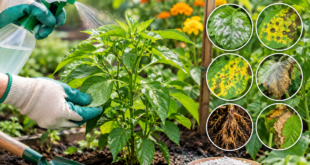
Growing plants can be one of the most enjoyable parts of having a garden, but even healthy looking plants can develop problems from time to time. Yellow leaves, wilting, brown edges, insects, poor growth, and plant diseases are some of the most common issues gardeners face. In my experience, the most important thing is not to panic when a plant starts looking unhealthy. The first step is to understand what is causing the problem.
Most common plant problems are connected to watering, sunlight, soil, nutrients, temperature, pests, or diseases. Once the actual cause is identified, it becomes much easier to help the plant recover.
In this guide, I will discuss common plant problems and how to fix them using simple and practical gardening methods.
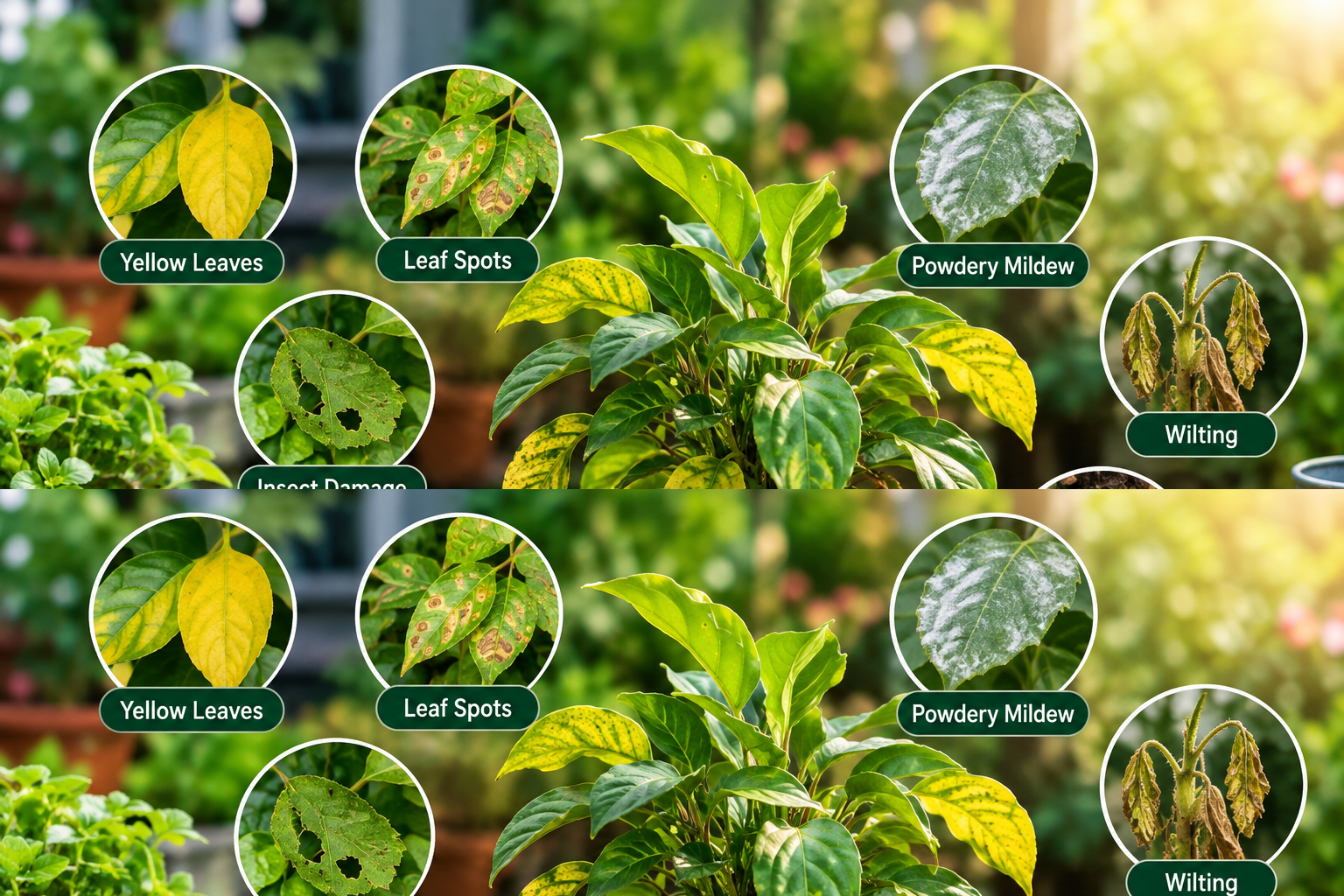
Yellow Leaves
Yellow leaves are one of the most common plant problems. When I notice yellow leaves, I first check the watering routine and the condition of the soil.
Overwatering is a common reason for yellow leaves. When soil stays wet for too long, plant roots may not receive enough oxygen. Poor drainage can make the problem even worse.
Underwatering can also cause leaves to turn yellow, especially when the soil becomes very dry.
Another possible cause is a lack of nutrients. Plants need nutrients such as nitrogen, potassium, magnesium, and iron for healthy growth.
How to Fix Yellow Leaves
Check the soil before watering. If it is still wet, allow it to dry slightly before watering again. Make sure the container has drainage holes.
If poor nutrition appears to be the problem, use a suitable balanced fertilizer according to the plant’s needs. Remove badly damaged leaves so the plant can focus its energy on healthy growth.
Brown Leaf Tips and Edges
Brown leaf tips are another problem that I often see in indoor and outdoor plants. This can happen for several reasons.
Low humidity can cause brown edges, particularly on tropical houseplants. Irregular watering can also create stress. Excess fertilizer may cause a buildup of salts in the soil, which can damage the roots.
Direct sunlight can sometimes scorch delicate leaves as well.
How to Fix Brown Leaves
Start by checking the moisture level of the soil. Create a consistent watering routine rather than allowing the plant to become extremely dry and then watering heavily.
For plants that prefer humid conditions, increasing humidity around the plant may help. If fertilizer buildup is suspected, flushing the soil with clean water can sometimes help, provided the plant and container have proper drainage.
Wilting Plants
Wilting does not always mean that a plant needs more water. This is something I learned to pay attention to because overwatering a wilted plant can make the situation worse.
A plant can wilt because of underwatering, root damage, excessive heat, transplant stress, or disease.
How to Fix Wilting
Check the soil before doing anything. If the soil is very dry, water the plant thoroughly and allow excess water to drain.
If the soil is already wet, inspect the roots if possible. Soft, dark, or damaged roots can indicate root problems.
Also check whether the plant is receiving excessive heat or intense sunlight. Moving a sensitive plant to a more suitable location may help it recover.
Slow Plant Growth
Sometimes a plant looks alive but does not seem to grow. Slow growth can be frustrating, especially when you are expecting new leaves or flowers.
Poor sunlight is one possible reason. Plants need sufficient light to produce energy through photosynthesis. Poor soil, lack of nutrients, unsuitable temperature, and restricted roots can also slow growth.
How to Encourage Healthy Growth
First, find out how much light your particular plant needs. Move it to a suitable location if necessary.
Check whether the soil is compacted or lacking organic matter. Adding suitable compost can improve soil structure and provide nutrients.
For container plants, check whether roots are becoming crowded. A larger container may be needed if the plant has outgrown its current pot.
Leaves Curling
Curling leaves can have several causes, which means it is important to inspect the whole plant instead of focusing only on the leaves.
Water stress is a common cause. Both excessive watering and underwatering can cause leaves to curl.
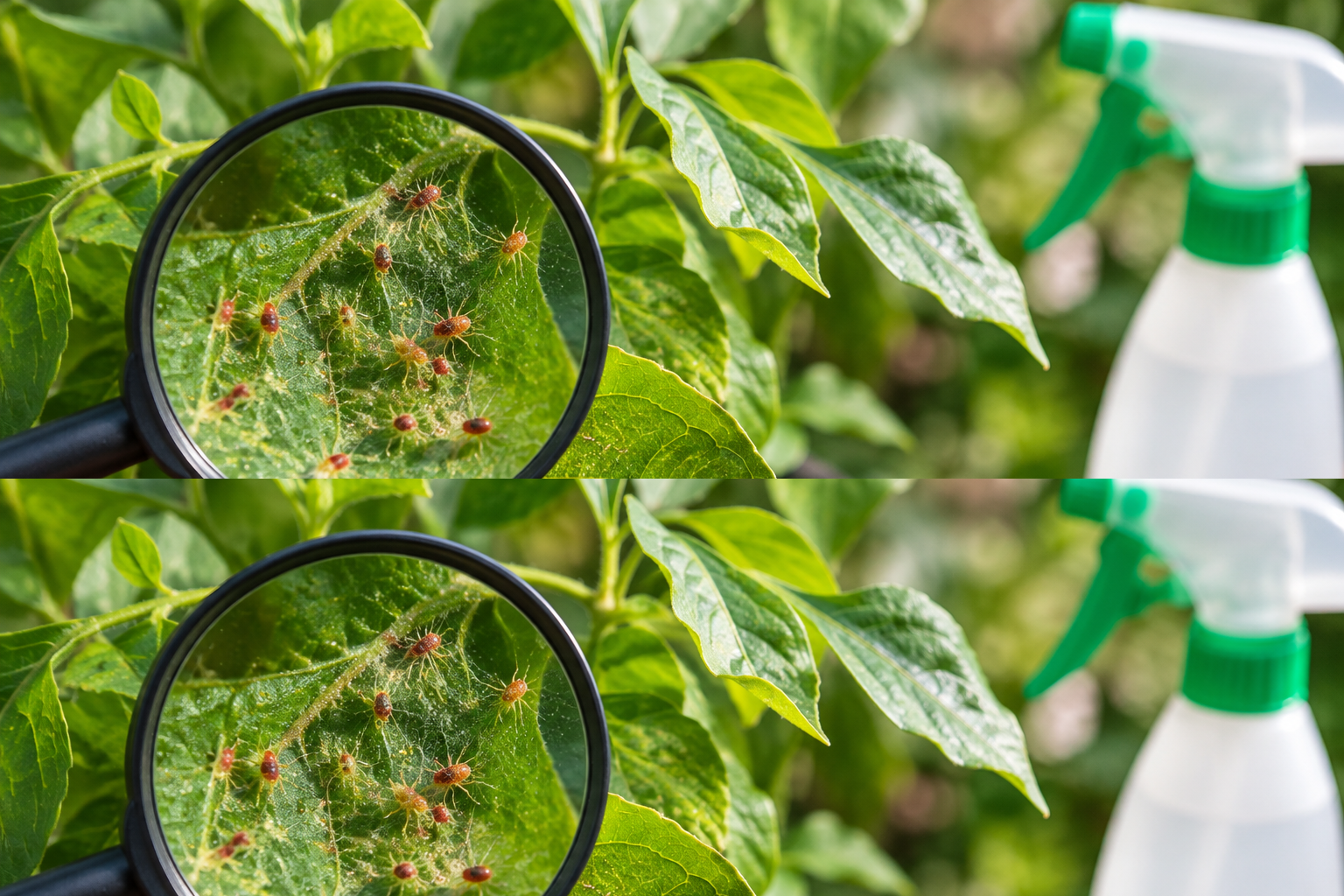
Pests such as aphids and spider mites may also feed on leaves and cause curling or distortion.
High temperatures, dry air, and sudden environmental changes can create additional stress.
How to Fix Curling Leaves
Inspect the underside of the leaves for insects. Check the soil moisture and make sure the plant is receiving suitable light.
If the weather is extremely hot, provide appropriate protection for sensitive plants. Avoid making sudden changes to the plant’s environment whenever possible.
Holes in Plant Leaves
If you find holes in leaves, insects are often responsible. Caterpillars, beetles, slugs, snails, and other garden pests can feed on leaves.
However, holes can sometimes be associated with fungal or bacterial problems, especially when the damaged areas appear as spots before the tissue falls away.
How to Fix Leaf Damage
Inspect the leaves carefully, particularly underneath them and around new growth. Remove visible pests by hand when practical.
Keep the garden clean and remove severely damaged plant material. Avoid unnecessary pesticide use and choose a treatment appropriate for the specific pest if the infestation becomes serious.
White Powder on Leaves
A white powdery coating on leaves can be a sign of powdery mildew. This fungal problem commonly develops when plants experience suitable conditions for fungal growth.
Poor air circulation and crowded planting can make the problem worse.
How to Fix Powdery Mildew
Remove heavily affected leaves where appropriate and dispose of infected material away from healthy plants.
Improve air circulation by giving plants enough space. Water the soil rather than repeatedly wetting the foliage, especially when conditions favor fungal growth.
If the disease continues spreading, use a suitable fungicide according to the product label and the plant’s requirements.
Brown or Black Spots on Leaves
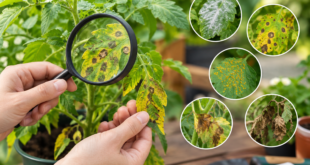
Leaf spots can result from fungal or bacterial diseases, environmental stress, insect damage, or other problems.
I recommend looking closely at the pattern of the spots. Their size, color, shape, and location can provide useful clues.
How to Fix Leaf Spots
Remove badly affected leaves when appropriate and keep fallen infected leaves away from the garden.
Avoid unnecessary overhead watering and improve air movement around plants. Good spacing and clean gardening tools can also help reduce the spread of some plant diseases.
If the problem continues, identify the specific disease before choosing a treatment.
Root Rot
Root rot is a serious plant problem that is often caused by constantly wet soil and poor drainage. It can cause yellow leaves, wilting, slow growth, and eventually plant death.
One confusing thing about root rot is that the plant may appear thirsty even though the soil is wet.
How to Fix Root Rot
Remove the plant from its container if necessary and inspect the roots. Healthy roots are generally firm, while rotten roots may appear soft, dark, or damaged.
Remove affected roots using clean tools and repot the plant in fresh, suitable soil. Use a container with drainage holes and avoid excessive watering in the future.
Aphids and Other Small Insects
Aphids are tiny insects that commonly feed on young leaves and stems. They can cause curling, yellowing, distorted growth, and general weakness.
Other common garden pests include spider mites, whiteflies, mealybugs, scale insects, and caterpillars.
How to Fix Pest Problems
Regular inspection is one of the easiest ways to control garden pests. I prefer finding a small infestation early rather than waiting until an entire plant becomes covered with insects.
For some plants, gently washing leaves with water can reduce small pest populations. Heavily affected plant parts can sometimes be removed.
For larger infestations, use a suitable pest control product according to its label and make sure it is appropriate for the plant and pest involved.
Dropping Leaves
Leaf drop can happen naturally, but sudden or excessive leaf loss may indicate stress.
Changes in temperature, watering problems, low light, pests, disease, and transplanting can all contribute to leaf drop.
How to Fix Leaf Drop
Think about what has changed recently. Did you move the plant? Change its watering routine? Place it near a heater or air conditioner? Has the weather changed?
Finding the recent environmental change can often help identify the cause.
Try to keep the plant’s environment stable and provide the appropriate amount of water, light, and temperature.
Poor Flowering
A plant may produce healthy leaves but fail to produce flowers. This can happen because of insufficient sunlight, excessive nitrogen, incorrect pruning, immature plants, or unsuitable growing conditions.
How to Encourage Flowering
Check the plant’s sunlight requirements first. Some flowering plants need several hours of direct sunlight.
Avoid excessive nitrogen fertilizer because it can encourage leafy growth at the expense of flowers. Use a fertilizer suitable for flowering plants when appropriate and follow the recommended application rate.
How to Prevent Common Plant Problems
Prevention is easier than trying to save a severely damaged plant. I have found that a simple plant care routine can prevent many problems.
Check your plants regularly. Look at the leaves, stems, soil, and new growth. Early signs are usually easier to manage.
Water according to the plant’s needs rather than following the same schedule for every plant. Different plants have different requirements.
Provide suitable sunlight and make sure containers have proper drainage. Keep enough space between plants to improve air circulation.
Remove dead leaves and plant debris from the garden. Clean gardening tools regularly, especially when working with plants that show signs of disease.
It is also useful to learn about the specific plants you grow. Knowing their preferred soil, light, water, and temperature conditions makes plant care much easier.
Final Thoughts
Common plant problems can look worrying at first, but many of them can be managed when the cause is identified early. Yellow leaves, brown tips, wilting, curling leaves, pests, leaf spots, root rot, and slow growth are often signs that a plant is experiencing some type of stress.
In my opinion, the best approach to plant care is to observe before taking action. Instead of immediately adding fertilizer or watering more, I first check the soil, leaves, light, temperature, and overall condition of the plant.
Healthy plants usually need consistency rather than complicated care. With regular observation, suitable watering, proper sunlight, good soil, and early pest control, you can prevent many common plant problems and keep your garden growing well.
The more time you spend observing your plants, the easier it becomes to understand what they need. Gardening is a learning process, and even a struggling plant can teach you something useful for your next growing season.