 snailhas25000teeth
Related Articles
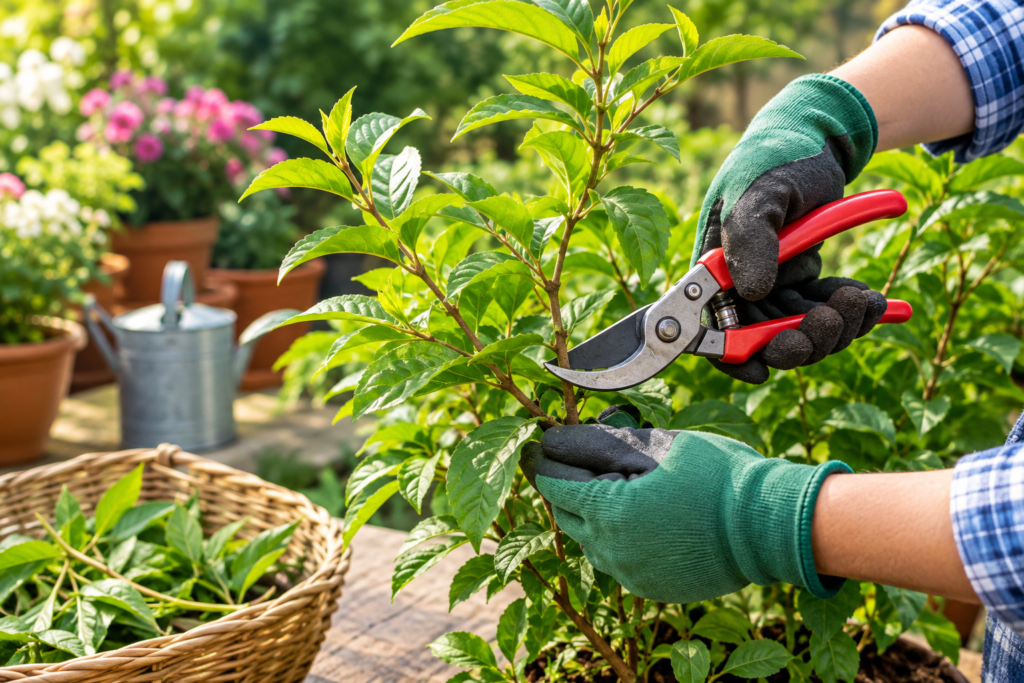
Pruning is one of the most useful things we can do for healthy and attractive plants, but it is also something many beginners feel nervous about. I used to think pruning simply meant cutting away extra branches and leaves. With experience, I learned that proper pruning is more about understanding the plant, choosing the right time, and making the right cuts.
When pruning is done correctly, it can encourage new growth, improve the shape of a plant, remove damaged parts, and allow better air circulation. It can also help flowering plants produce more flowers and keep indoor plants looking fresh.
In this guide, I will explain how to prune plants properly, what tools to use, when to prune, and the common mistakes you should avoid. These simple plant pruning tips can help beginners take better care of their plants and encourage healthier growth.
What Is Plant Pruning?
Plant pruning is the process of selectively removing certain parts of a plant, such as branches, stems, leaves, flowers, or damaged growth. The goal is not to cut as much as possible. Instead, good pruning focuses on removing growth that is unnecessary, unhealthy, or preventing the plant from developing properly.
I believe the most important thing to remember is that every cut should have a purpose. Before cutting a branch, I like to ask myself why I am removing it. If there is no clear reason, it is usually better to leave it alone.
Pruning can be used for several reasons. It can control the size of a plant, improve its appearance, remove dead growth, encourage new branches, and improve the overall health of the plant.
Why Is Pruning Important for Plant Growth?
Regular pruning can have several benefits for plants. One of the main benefits is that it encourages the plant to focus its energy on healthy growth.
When dead or weak branches remain on a plant, they can use energy without contributing much to new development. Removing them allows the plant to direct more resources toward healthier stems and leaves.
Pruning can also improve air circulation. When a plant becomes too dense, air may not move properly through the leaves and branches. Better airflow can help create a healthier growing environment.
Another benefit is better sunlight exposure. Removing selected branches can allow sunlight to reach parts of the plant that were previously shaded.
For flowering plants, proper pruning can sometimes encourage more productive growth and better flowering. However, the best pruning time depends on the specific plant.
Choose the Right Pruning Tools
Using the right tools makes pruning easier and safer for both you and the plant. For small houseplants and soft stems, a clean pair of sharp scissors may be enough.
For thicker branches, pruning shears are more suitable. Larger branches may require stronger loppers or a pruning saw.
I always recommend keeping pruning tools clean and sharp. A dull blade can crush or tear plant tissue instead of making a clean cut. Dirty tools can also transfer unwanted microorganisms between plants.
Before moving from one plant to another, especially when removing diseased growth, clean your tools properly. This small habit can make a big difference in plant care.
Know When to Prune Plants
Knowing when to prune plants is just as important as knowing how to prune them. There is no single pruning schedule that works for every plant.
Many plants can be pruned during their active growing season because they can recover and produce new growth more easily. However, some flowering plants should be pruned after they finish flowering because pruning at the wrong time may remove developing flower buds.
Dead, damaged, or diseased growth can often be removed as soon as you notice it. There is usually little reason to leave unhealthy material on a plant.
Before major pruning, I recommend learning about the particular plant you are growing. A rose, fruit tree, houseplant, shrub, and herb may all respond differently to pruning.
Start by Removing Dead and Damaged Growth
If you are new to pruning, this is the best place to start. Look carefully at the plant and identify branches or stems that are clearly dead, broken, dry, or damaged.
Dead branches may look brown, brittle, or completely lifeless. Damaged stems can sometimes become entry points for disease or pests.
Remove these sections carefully with a clean cut. Avoid cutting healthy tissue unnecessarily.
I find that removing dead growth is one of the safest ways for beginners to practice pruning because the purpose of the cut is clear.
Remove Diseased Parts Carefully
Diseased plant parts should be handled with extra care. If you notice unusual spots, rotting sections, severe discoloration, or other signs of disease, avoid spreading the problem to healthy parts of the plant.
Cut below the affected area where appropriate and use clean tools. After removing diseased material, clean your pruning tool before using it elsewhere.
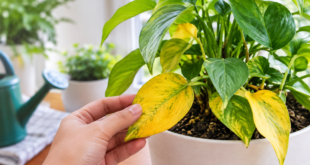
Do not automatically assume that every yellow or brown leaf means disease. Leaves can change color because of age, watering problems, light conditions, temperature, or nutrient issues.
The key is to look at the overall condition of the plant rather than reacting to one leaf.
Prune Above a Healthy Bud or Node
One of the most important pruning techniques is knowing where to make a cut. When shortening a stem, look for a healthy leaf node or bud.
A node is the point where leaves or new shoots develop from a stem. Making a cut slightly above a suitable node can encourage new growth in the desired direction.
Try to avoid leaving long pieces of bare stem above the node. At the same time, avoid cutting directly into the bud.
The exact technique can vary between plant species, so it is worth understanding how your particular plant grows before doing major pruning.
Remove Crossing and Crowded Branches
As plants grow, branches can sometimes cross over each other or become crowded in the center. These branches may rub against each other and create a dense growing area.
Removing selected crossing branches can improve the plant’s shape and allow more air and light into the center.
However, I would not remove every branch simply because the plant looks crowded. The goal is balance. Over pruning can be just as harmful as neglecting the plant.
Step back after every few cuts and look at the plant from different angles. This helps you avoid removing too much.
Encourage Bushier Plant Growth
If you want a plant to become fuller and bushier, selective pruning can encourage branching. Many plants produce new shoots around areas where stems are cut.
For certain plants, trimming the growing tips can encourage side branches to develop. This can create a fuller appearance rather than allowing the plant to grow tall and thin.
This technique is particularly useful for some indoor plants and ornamental plants, but it should be used according to the plant’s natural growth pattern.
Do Not Remove Too Much at Once
One of the biggest pruning mistakes is getting carried away. Once you start cutting, it can be tempting to keep going until the plant looks perfectly shaped.
I prefer a gradual approach. Remove the obvious dead, damaged, weak, or unwanted growth first. Then stop and observe the plant.
Removing too much foliage at once can place unnecessary stress on the plant. Leaves are important because they help the plant produce energy through photosynthesis.
A healthy plant needs enough leaves to continue supporting its growth. Good pruning should improve the plant, not leave it almost bare.
How to Prune Indoor Plants
Pruning indoor plants is usually quite simple. Start by inspecting the plant for yellow leaves, dead leaves, damaged stems, and weak growth.
Remove old leaves close to their base using clean scissors. If a stem has become too long or is growing in an unwanted direction, you can often shorten it above a healthy node.
Indoor plants should also be pruned to maintain their shape and prevent overcrowding.
I recommend rotating indoor plants regularly so you can see their growth from different angles. This makes it easier to notice uneven growth and decide where selective pruning may help.
Pruning Flowering Plants
Flowering plants require a little more attention because pruning at the wrong time can remove future flowers.
Some plants produce flowers on new growth, while others produce flowers on older stems. Because of this difference, the best pruning time varies.
Dead flowers can often be removed to improve the appearance of the plant. This process is commonly called deadheading. For some plants, removing spent flowers can encourage additional flowering.
Before making major cuts on a flowering plant, check its specific growth and flowering habits.
Common Pruning Mistakes to Avoid
There are several mistakes beginners should avoid when learning how to prune plants.
The first is using dirty or dull tools. Clean, sharp tools produce better cuts and make the job easier.
Another mistake is pruning without understanding the plant. Different plants have different growth patterns and pruning requirements.
Over pruning is another common problem. Cutting too many healthy branches can reduce the plant’s ability to produce energy.
It is also a mistake to prune only for appearance. A plant may look slightly uneven while still being healthy. Sometimes natural growth is better than forcing a perfect shape.
Finally, avoid making random cuts. Take your time and think about the result of each cut before using the shears.
Aftercare Following Pruning
Plant care does not stop after the last cut. After pruning, continue providing the plant with appropriate light, water, and growing conditions.
Avoid making sudden changes to several aspects of plant care at the same time. Give the plant time to respond.
If you removed a significant amount of growth, monitor the plant closely over the following days and weeks. Look for healthy new shoots and signs of stress.
Do not automatically add extra fertilizer after pruning unless the plant actually needs it. More fertilizer is not always better, and unnecessary feeding can create additional problems.
How Often Should You Prune Plants?
There is no universal answer to how often plants should be pruned. Some plants benefit from regular light trimming, while others need only occasional pruning.
Instead of following a strict calendar, I prefer to observe the plant. If you see dead growth, damaged branches, or unwanted shoots, it may be time for some maintenance.
Major structural pruning should generally be less frequent and should be based on the plant’s species and growing habits.
Regular observation is one of the best habits any gardener can develop.
Final Thoughts
Learning how to prune plants properly does not have to be complicated. The most important thing is to understand that pruning is about making thoughtful cuts rather than cutting as much as possible.
Start with dead, damaged, and clearly unwanted growth. Use clean and sharp tools, make careful cuts near healthy growth points, and avoid removing too much at once.
From my point of view, the best pruning results come from patience. Instead of trying to completely reshape a plant in one session, I prefer to make a few useful cuts and then give the plant time to respond.
With regular observation and a little practice, pruning can become one of the easiest and most rewarding parts of plant care. When done properly, it can help plants maintain a healthy shape, encourage new growth, improve airflow, and create a stronger and more attractive appearance.
Whether you are caring for indoor plants, flowering plants, shrubs, herbs, or garden plants, understanding basic pruning techniques can make a noticeable difference. The goal is simple: remove what the plant does not need while protecting the healthy growth that helps it thrive.