 snailhas25000teeth
Related Articles
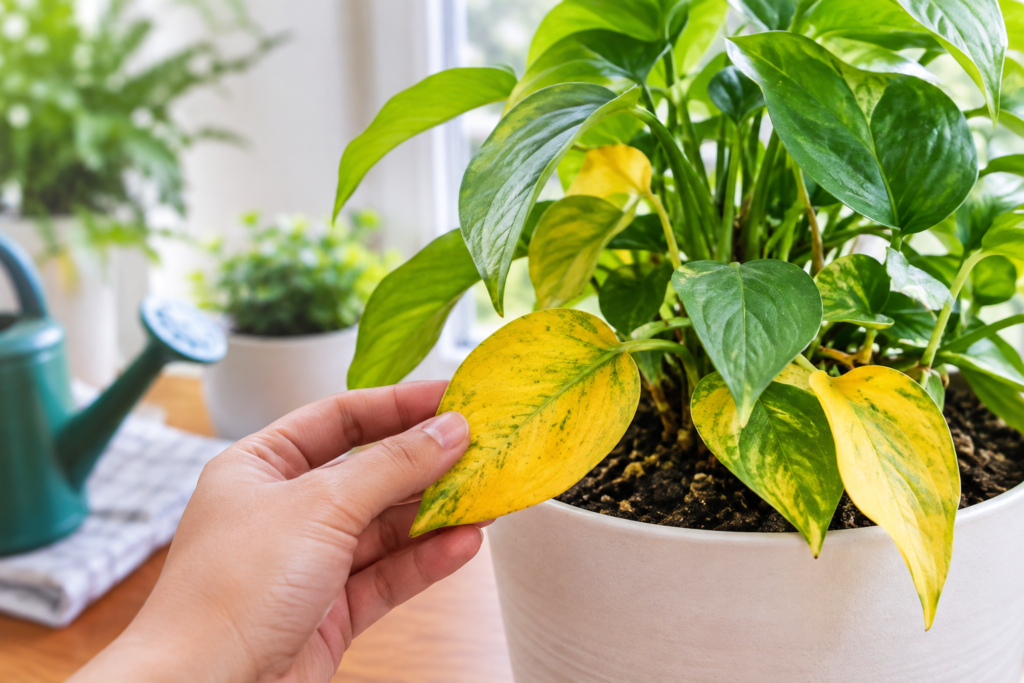
Seeing yellow leaves on a plant can be worrying, especially when the rest of the plant looks healthy. I have noticed that yellow leaves are one of the most common signs that a plant is trying to tell us something. Sometimes the reason is simple, such as too much water, while in other cases the plant may be dealing with poor lighting, nutrient problems, pests, or natural aging.
The good thing is that yellow plant leaves do not always mean the plant is dying. In many situations, you can identify the problem and help the plant recover by making a few changes to its care routine.
In this article, I will explain why plant leaves turn yellow, how to identify the possible cause, and what you can do to keep your plants healthy and green.
Why Do Plant Leaves Turn Yellow?
Plant leaves can turn yellow when the plant is under stress or when the leaves are naturally reaching the end of their life. Healthy leaves contain chlorophyll, which gives them their green color. When chlorophyll breaks down, the green color begins to disappear and the leaf can become yellow.
The important thing is to look at the pattern of yellowing. If only one old leaf is turning yellow, there may be nothing serious happening. If many leaves are becoming yellow at the same time, it is worth checking the plant’s growing conditions.
Overwatering Is a Common Cause of Yellow Leaves
One of the most common reasons for yellow leaves is overwatering. I have found that many plant owners water their plants according to a fixed schedule instead of checking whether the soil actually needs water.
When a plant receives too much water, the soil can remain wet for a long time. This reduces the amount of oxygen available around the roots. Damaged or stressed roots cannot absorb water and nutrients properly, even when plenty of moisture is present.
As a result, the leaves may become pale or yellow and the plant may begin to look weak.
To solve this problem, check the soil before watering. Push your finger a little into the soil and feel whether it is still moist. Make sure the pot has drainage holes so excess water can escape.
Underwatering Can Also Cause Yellow Leaves
Although overwatering is common, underwatering can also cause yellow leaves. When a plant does not receive enough water, it cannot maintain normal growth. The leaves may become dry, weak, curled, or yellow.
The soil may feel extremely dry and may even pull away from the sides of the pot. In some cases, the plant may begin dropping leaves.
If underwatering is the problem, water the plant thoroughly rather than giving it only a small amount. Allow excess water to drain from the bottom of the pot. After that, create a watering routine based on the plant, soil, pot size, weather, and growing conditions.
Poor Drainage Can Damage Plant Roots
Sometimes the problem is not simply how much water you give the plant. The real issue may be poor drainage.
A pot without proper drainage can hold water around the roots. Even if you only water occasionally, the roots may remain wet for too long.
I always consider drainage when trying to understand yellow leaves. Check whether the container has drainage holes and whether water can flow freely from them. Heavy soil can also hold too much moisture.
Using a suitable potting mix can improve drainage and give the roots better access to air.
Lack of Sunlight
Light is another important factor in plant health. Plants need adequate light to produce energy through photosynthesis. When a plant does not receive enough light, its growth can become weak and its leaves may gradually turn pale or yellow.
Indoor plants are especially vulnerable to insufficient light because rooms can be much darker than they appear to us.
If your plant is far away from a window, try moving it closer to a suitable light source. However, avoid suddenly placing a shade loving plant under strong direct sunlight because that can create another problem.
The right amount of light depends on the plant species, so it is important to understand the basic light requirements of the plant you are growing.
Too Much Direct Sunlight
Too much sunlight can also cause problems. Strong direct sunlight can damage sensitive leaves, particularly when a plant has been kept indoors and is suddenly exposed to intense outdoor light.
Sun damaged leaves may develop yellow, pale, brown, or bleached areas.
If you notice leaf damage after moving a plant into stronger sunlight, gradually adjust its exposure. Providing bright but filtered light may be more suitable for plants that do not tolerate intense direct sunlight.
Nutrient Deficiencies
Plants need several nutrients to maintain healthy leaves and new growth. When important nutrients are unavailable, the leaves can become pale or yellow.
Nitrogen deficiency is one possible cause. Nitrogen is important for healthy leafy growth, and a lack of it can cause older leaves to become yellow.
Other nutrient deficiencies can create different patterns. For example, yellowing between the veins may point toward a micronutrient issue, although similar symptoms can also have other causes.
I recommend avoiding excessive fertilizer simply because the leaves look yellow. Too much fertilizer can damage roots and create additional stress. If you believe nutrients are lacking, use a suitable fertilizer according to the plant’s needs and the product instructions.
Natural Aging of Leaves
Not every yellow leaf is a sign of a problem. Older leaves naturally become yellow before they fall from the plant.
This is especially common when the plant is producing plenty of new growth. If one or two older leaves near the bottom of the plant turn yellow while new leaves remain healthy, natural aging may be the explanation.
In this situation, there is usually no reason to panic. Once the leaf has completely yellowed or dried, you can remove it with clean scissors.
Temperature Stress
Plants can react strongly to changes in temperature. Extremely hot or cold conditions can cause stress and may lead to yellow leaves.
Indoor plants can suffer if they are placed directly beside heating equipment, air conditioners, cold windows, or strong drafts.
Outdoor plants may experience temperature stress during sudden weather changes.
Try to keep sensitive plants in a stable environment that suits their natural growing conditions. Avoid moving them frequently between very different temperatures.
Pests Can Cause Yellow Leaves
Small pests can also be responsible for yellowing leaves. Aphids, spider mites, scale insects, and other pests can feed on plant tissue and weaken the plant.
When checking for pests, look closely at both sides of the leaves and around new growth. Some insects are very small and can be difficult to see.
You may also notice sticky residue, fine webbing, small spots, distorted leaves, or unusual marks.
If pests are present, isolate the affected plant from other plants when possible. Then identify the pest and choose an appropriate treatment. Regularly inspecting plants can help you catch pest problems before they become serious.
Root Problems Can Lead to Yellow Leaves
Healthy roots are essential for healthy leaves. If roots are damaged by excessive moisture, poor drainage, disease, or physical damage, the plant may struggle to absorb water and nutrients.
Sometimes a plant can have moist soil but still show signs of dehydration because its damaged roots are unable to function properly.
If yellowing continues despite correcting watering and lighting, inspect the roots if it is appropriate for the plant. Healthy roots are generally firm, while severely damaged roots may be soft, dark, or unpleasant smelling.
If root damage is significant, removing damaged roots and repotting the plant in fresh, suitable soil may help, depending on the situation.
How to Stop Plant Leaves From Turning Yellow
The best way to prevent yellow leaves is to focus on consistent plant care rather than reacting only after a problem appears.
First, learn what your plant actually needs. Different plants have different requirements for water, sunlight, humidity, temperature, soil, and fertilizer.
Check the soil before watering instead of following a strict schedule. Make sure containers drain properly and avoid allowing plants to sit in standing water.
Give the plant an appropriate amount of light. Keep an eye on changes in weather and indoor temperature, especially if your plant is sensitive.
Inspect your plants regularly for pests and unusual changes. I believe that spending a few minutes checking plants each week can prevent many bigger problems later.
Should You Remove Yellow Leaves?
You can remove completely yellow or damaged leaves, especially when they are no longer useful to the plant. Use clean scissors or pruning shears and avoid unnecessarily damaging healthy stems and leaves.
However, removing yellow leaves does not solve the underlying problem. If several leaves are turning yellow, you should first try to understand why.
Think of the yellow leaf as a symptom rather than the actual disease. Cutting off the symptom without correcting the cause may simply result in more yellow leaves later.
How to Identify the Cause of Yellow Leaves
When I see yellow leaves, I like to look at the whole plant instead of focusing on the leaf alone.
Ask yourself a few simple questions.
Is the soil constantly wet or extremely dry?
Has the plant recently been moved?
Is it receiving enough light?
Are the oldest leaves affected or are new leaves turning yellow?
Can you see insects or other signs of pests?
Does the pot drain properly?
Have you recently applied fertilizer?
Has the temperature changed significantly?
The answers can help you narrow down the cause.
For example, yellow leaves combined with constantly wet soil may suggest a watering or drainage issue. Yellow leaves with dry soil and drooping growth may suggest underwatering. Pale growth in a dark room may point toward insufficient light.
Final Thoughts
Yellow plant leaves are not always something to fear. In my experience, the most important thing is to observe the plant carefully and avoid making several changes at once.
Start with the basics. Check the soil, examine the roots when necessary, look for pests, evaluate the lighting, and consider the plant’s recent environment. Once you identify the likely cause, make gradual changes and give the plant time to respond.
Good plant care is not about following a perfect schedule. It is about understanding what your plants are showing you. Yellow leaves can be one of those useful signals.
With proper watering, suitable light, good drainage, appropriate nutrition, and regular observation, many plants can continue producing healthy green leaves and strong new growth.