 snailhas25000teeth
Related Articles
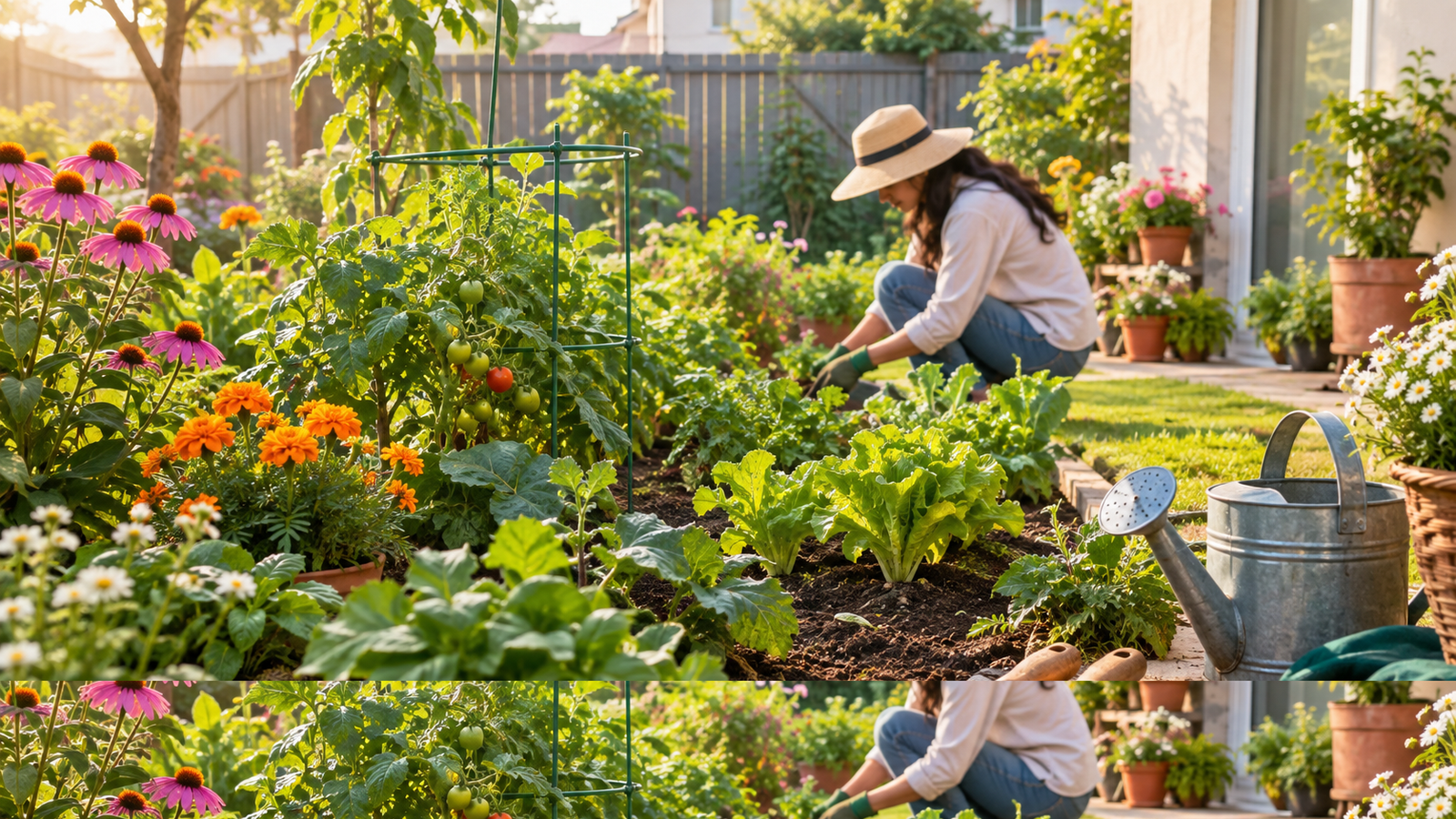
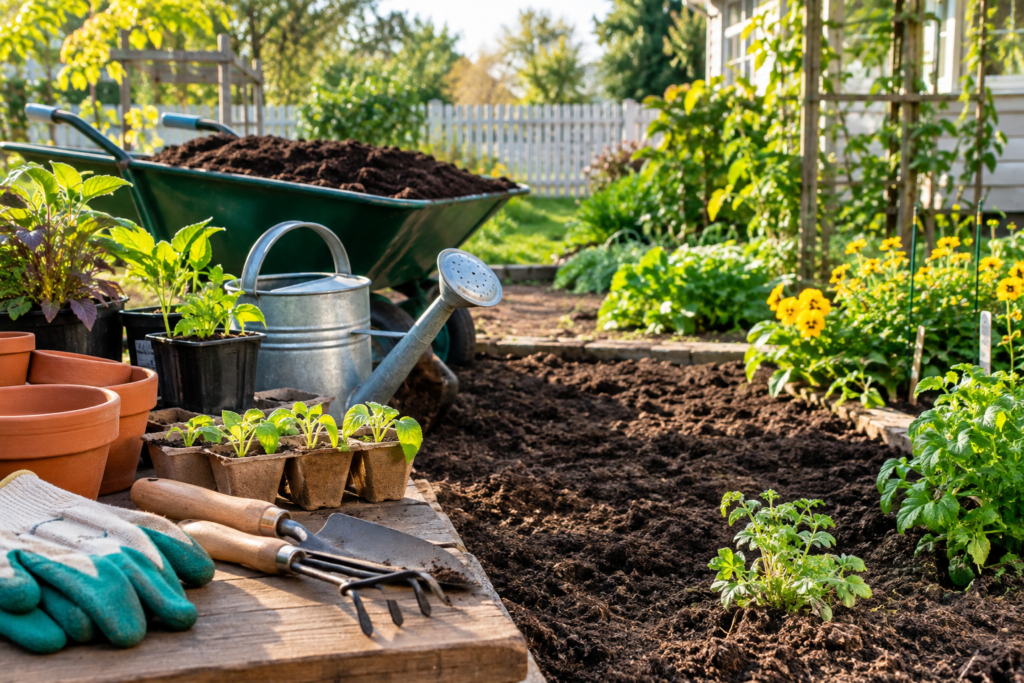
Preparing a garden for the growing season is one of the most important things I like to focus on before planting new flowers, vegetables, or herbs. A garden may look ready after winter or a quiet period, but the soil, plants, tools, and growing space often need some attention first. Good preparation can make gardening easier and give plants a healthier environment to grow.
In my experience, it is much better to spend some time preparing the garden before planting instead of trying to fix problems later. Healthy soil, proper sunlight, good drainage, clean garden beds, and suitable plants can make a noticeable difference throughout the season.
If you are wondering how to prepare a garden for the growing season, the process does not have to be complicated. With a few simple steps, you can create a clean and productive garden that is ready for new growth.
1. Clean the Garden Area
The first step I recommend is cleaning the garden. During the colder months, leaves, dead plants, fallen branches, weeds, and other organic material can collect around the garden.
Remove dead annual plants and old vegetable plants that are no longer producing. Pull out weeds carefully and remove damaged branches from shrubs or other plants. If some plant material shows signs of disease, I prefer not to add it to regular compost because it could spread problems to healthy plants.
Cleaning the garden also makes it easier to see the condition of the soil and existing plants. Once the garden is clear, you can decide what needs to be repaired, removed, pruned, or replanted.
2. Check the Soil
Healthy soil is the foundation of a successful garden. Before planting, I think it is worth checking the soil instead of simply adding fertilizer without knowing what the garden actually needs.
Look at the soil texture and moisture. Good garden soil should generally hold enough moisture for plants while still allowing excess water to drain away. If the soil is extremely hard, compacted, or poor in organic matter, plants may struggle to develop strong roots.
A soil test can also provide useful information about soil pH and nutrient levels. This can help you understand whether the soil needs specific amendments.
I would avoid adding large amounts of fertilizer without a reason. More fertilizer does not always mean better plant growth. Too many nutrients can create problems for plants and the surrounding environment.
3. Add Organic Matter
Adding organic matter is one of my favorite ways to improve garden soil. Compost, well aged manure, leaf mold, and other suitable organic materials can improve soil structure and support healthy plant growth.
Spread a suitable amount of compost over the garden bed and gently mix it into the upper layer of soil when appropriate. Organic matter can help improve moisture retention in sandy soil while also improving drainage and structure in heavier soil.
Compost also provides a natural source of nutrients. However, I prefer using properly prepared compost rather than fresh organic material because fresh material may not be suitable for young plants.
4. Prepare Garden Beds
After improving the soil, prepare your garden beds according to what you plan to grow. If you already have established beds, remove unwanted weeds and level the surface.
Raised beds should also be checked for damaged boards, loose corners, or poor drainage. Make sure water can move through the soil rather than remaining around plant roots.
Try not to walk repeatedly over prepared planting areas because this can compact the soil. I find it easier to create clear paths between garden beds so the growing areas remain loose and easy to work with.
5. Check Sunlight and Garden Location
Sunlight is another important part of preparing a garden for the growing season. Different plants require different amounts of sunlight, so it is useful to observe your garden before deciding where to plant.
Vegetables such as tomatoes and peppers generally perform well in sunny locations, while some leafy plants and ornamental plants can tolerate less direct sunlight.
Spend a little time watching how sunlight moves across your garden during the day. Trees, buildings, walls, and fences can create shadows that may change the amount of light available to plants.
Choosing the right location can prevent many problems later.
6. Plan What You Want to Grow
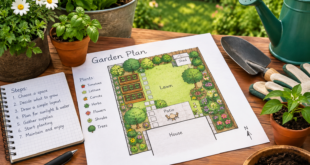
Before buying plants or seeds, make a simple garden plan. Think about what you actually want to grow and how much space each plant needs.
I prefer starting with plants that suit the local climate and growing conditions rather than choosing plants simply because they look attractive at a nursery.
Consider vegetables, herbs, flowers, or other plants that fit your available space. Also check their mature size so that plants do not become overcrowded.
A simple planting plan can help you organize the garden and avoid buying more plants than you can properly care for.
7. Choose Healthy Seeds and Plants
When buying seeds or young plants, check their condition carefully. Healthy plants usually have strong stems, healthy looking leaves, and no obvious signs of pests or disease.
Avoid plants that appear severely damaged, weak, or infested. Starting with healthy plants gives your garden a better chance of developing well.
For seeds, check the packet information for planting depth, spacing, sunlight requirements, and expected growing time. Seed packets can be very useful for planning the garden because they provide basic information about the needs of each plant.
8. Check Your Gardening Tools
Garden preparation is also a good time to inspect your gardening tools. A sharp and clean pair of pruning shears, a hand trowel, garden fork, spade, rake, gloves, and watering can are useful for most basic gardening tasks.
Clean dirt from tools and check for rust or damage. Sharpen pruning tools if necessary and make sure handles are secure.
I find that keeping tools organized saves time when gardening. There is nothing more frustrating than starting a garden task and realizing that the tool you need is dirty, damaged, or missing.
9. Prepare Your Watering System
Water is essential during the growing season, especially when temperatures increase. Before planting, check your watering cans, hoses, sprinklers, drip systems, or other irrigation equipment.
Look for leaks and blocked openings. If you use a hose, make sure it reaches all important areas of the garden.
I also recommend thinking about how often different plants need water. New seedlings may need more careful watering than established plants. At the same time, overwatering can cause root problems, so watering should be based on soil moisture and plant needs.
10. Control Weeds Early
Weeds compete with garden plants for water, nutrients, sunlight, and space. Removing weeds before they become established can make garden maintenance much easier.
Pull young weeds when the soil is slightly moist if possible. Try to remove the roots rather than simply cutting the tops.
After planting, a suitable layer of organic mulch can help reduce weed growth. Mulch can also help the soil retain moisture and protect the soil surface from drying quickly.
However, avoid placing mulch directly against plant stems because excessive moisture around the stem can encourage certain problems.
11. Prune Existing Plants Carefully
If your garden already contains trees, shrubs, or perennial plants, inspect them before the growing season becomes active.
Remove dead, broken, or clearly damaged branches where appropriate. Some plants need pruning at specific times, so it is important to understand the requirements of each plant before making major cuts.
I would avoid pruning every plant in exactly the same way. Different plants have different growth patterns, and incorrect pruning can reduce flowering or damage the plant.
12. Watch for Pests and Plant Diseases
Before introducing new plants into the garden, inspect existing plants for signs of pests or disease. Look underneath leaves, around stems, and near the soil surface.
Common warning signs can include holes in leaves, unusual spots, distorted growth, insects, or sticky residue.
Finding a problem early is usually easier than dealing with a large infestation later. Remove badly damaged plant material when appropriate and identify the cause before choosing a treatment.
I prefer using the simplest suitable solution first and avoiding unnecessary chemical treatments.
13. Start Planting at the Right Time
One of the biggest mistakes gardeners can make is planting too early. Even if the weather feels warm during the day, temperatures can change quickly.
Check the recommended planting time for your area and the specific plants you want to grow. Some plants prefer cooler conditions, while others need consistently warm soil.
If you are starting seeds indoors, give seedlings enough light and gradually prepare them for outdoor conditions before permanently planting them outside.
Timing is an important part of successful garden preparation.
14. Add Mulch After Planting
Once plants are established, consider adding mulch around them. Organic mulch can help conserve soil moisture, reduce weeds, and protect the soil surface.
Materials such as clean straw, shredded leaves, wood based mulch, or suitable compost can be useful depending on the garden.
Keep a small gap around plant stems and avoid creating an excessively thick layer. The goal is to protect the soil without creating an unhealthy environment around the plant.
15. Keep a Simple Garden Schedule
After preparing the garden, create a simple routine. You do not need to spend hours in the garden every day.
Check the soil, inspect plants, remove weeds, monitor pests, and water when needed. Regular observation helps you notice small problems before they become serious.
I also recommend keeping notes about what you plant, when you plant it, and how well it performs. These notes can be very helpful in future growing seasons.
Final Thoughts
Preparing a garden for the growing season is really about giving plants a good starting point. Cleaning the garden, improving the soil, checking sunlight, choosing suitable plants, preparing tools, planning watering, and controlling weeds can all make a difference.
I believe good gardening does not have to be complicated. A little preparation can save time later and make the garden easier to maintain. Instead of rushing to plant everything at once, take time to understand your soil, climate, available space, and the needs of your plants.
Once the garden is clean, organized, and properly prepared, planting becomes much more enjoyable. With regular care and observation, your garden can become a healthy and productive space throughout the growing season.