 snailhas25000teeth
Related Articles
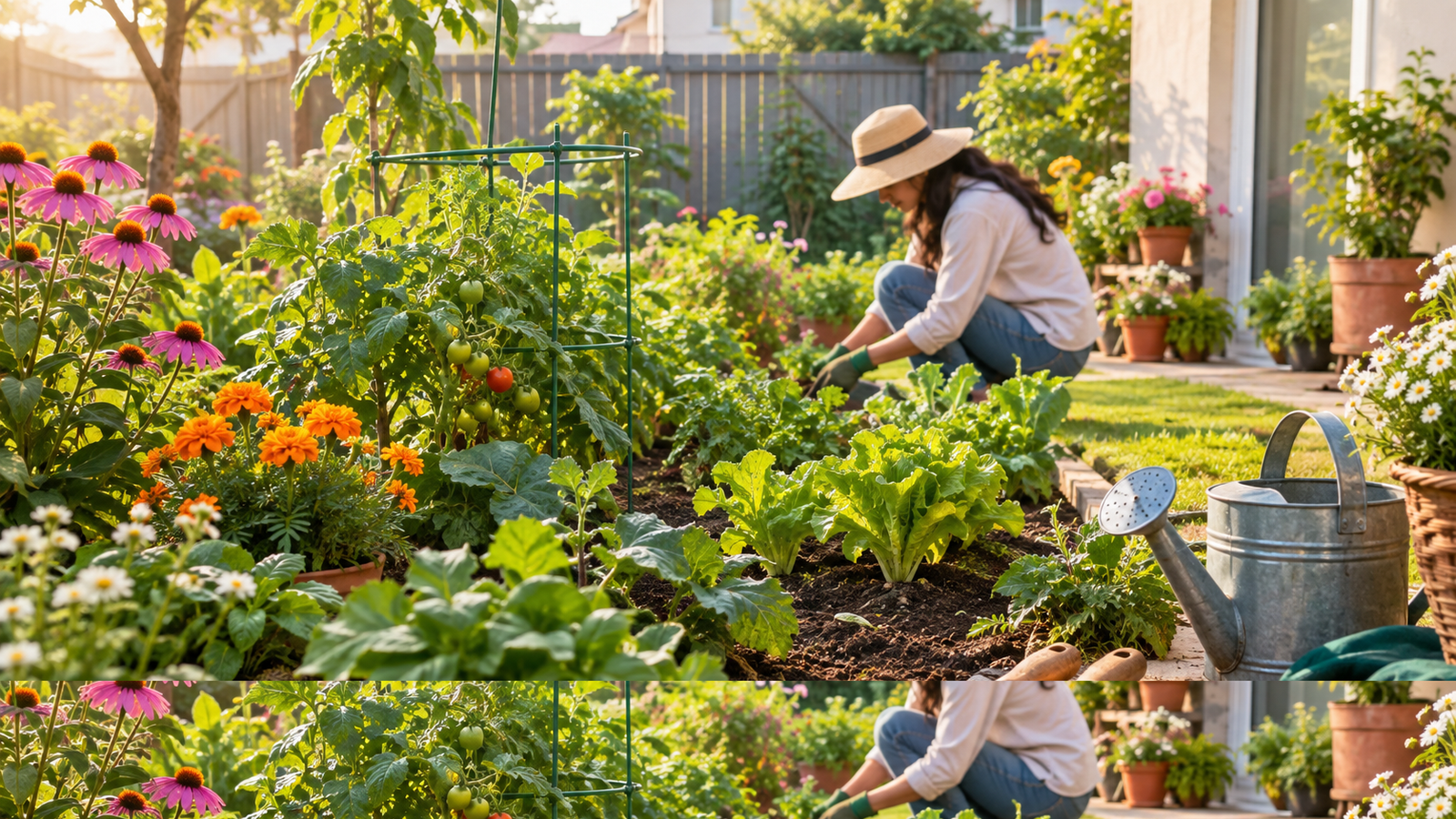
Starting a garden can be an exciting and rewarding experience. There is something special about planting a seed, watching it grow, and eventually seeing healthy flowers, herbs, or vegetables in your garden. However, beginners often make simple gardening mistakes because they are still learning how plants respond to water, sunlight, soil, and care.
I believe gardening becomes much easier when you understand that plants have different needs. A mistake that harms one plant may not affect another plant in the same way. The good thing is that most common gardening mistakes can be avoided with a little planning and observation.
In this article, I will discuss some of the most common gardening mistakes beginners should avoid and share simple gardening tips that can help you build a healthier and more successful garden.
1. Choosing the Wrong Plants
One of the biggest gardening mistakes beginners make is choosing plants simply because they look beautiful. While appearance is important, every plant has specific growing requirements.
Some plants need full sunlight, while others grow better in partial shade. Some prefer moist soil, while others need dry conditions. Before buying a plant, I recommend checking its sunlight, watering, soil, temperature, and space requirements.
It is also important to choose plants that are suitable for your local climate. A plant that grows easily in one region may struggle in another.
2. Giving Plants Too Much Water
Watering seems simple, but overwatering is one of the most common causes of unhealthy plants. Beginners sometimes believe that more water means faster growth. In reality, too much water can damage the roots and create conditions where root problems develop.
Before watering, check the soil with your finger. If the upper layer still feels moist, the plant may not need more water.
I prefer to focus on the actual needs of the plant instead of following a fixed watering schedule. Weather, soil type, pot size, and plant variety can all affect how frequently watering is required.
3. Not Giving Plants Enough Water
Underwatering is another common gardening mistake. Plants need water to carry out important processes, and a lack of moisture can cause leaves to wilt, become dry, or turn brown.
New gardeners should learn to recognize signs of water stress. However, it is important not to immediately assume that a wilted plant needs more water. Wilting can sometimes happen because of heat, root problems, or excessive moisture.
A good approach is to check the soil before watering and observe the plant regularly.
4. Ignoring Soil Quality
Healthy soil is the foundation of a healthy garden. Beginners often concentrate on seeds, pots, and fertilizers while ignoring the condition of their soil.
Poor soil can make it difficult for roots to receive enough air, water, and nutrients. Good garden soil should support root development while allowing proper drainage.
Adding suitable organic matter such as compost can improve many types of garden soil. However, I would not recommend adding random materials without understanding what your soil actually needs.
5. Planting in the Wrong Location
Sunlight is extremely important for plant growth. A common beginner mistake is placing a plant wherever there is an empty space without considering its sunlight requirements.
Vegetables such as tomatoes and peppers generally need plenty of sunlight, while some ornamental plants can tolerate more shade.
Before planting, spend a day observing how sunlight moves across your garden. This simple step can help you decide where different plants should go.
6. Planting Too Close Together
When plants are small, it can be tempting to place many of them in the same area. However, plants need enough space for their roots, leaves, and branches to develop.
Overcrowding can also reduce air movement around plants and make maintenance more difficult.
Always check the recommended spacing before planting. Giving plants enough room may make your garden look less full at first, but the plants will have more space to grow as they mature.
7. Using Too Much Fertilizer
Fertilizer can provide useful nutrients, but using too much can create problems. Some beginners assume that extra fertilizer will automatically produce bigger and healthier plants.
This is not always true. Excess nutrients can damage roots and may negatively affect plant growth.
I recommend following the instructions on the fertilizer package and learning what your plants actually require. Compost and other organic materials can also be useful parts of a balanced garden care routine.
8. Forgetting About Drainage
Good drainage is especially important for container gardening. If excess water cannot escape, the soil may remain wet for too long.
When using pots, make sure they have suitable drainage holes. Avoid choosing attractive containers that have no way for excess water to leave unless they are specifically designed for a particular growing system.
For garden beds, pay attention to areas where water collects after rainfall. Standing water can be a sign that drainage needs attention.
9. Planting at the Wrong Time
Timing can have a major effect on gardening success. Different plants have different growing seasons, and seeds may not germinate properly if temperatures are unsuitable.
Before planting, learn about the growing season in your area. Check whether a plant prefers cool weather, warm weather, or a specific season.
Planting at the right time gives plants a much better opportunity to establish strong roots and healthy growth.
10. Ignoring Pests
Garden pests can appear even when plants initially look healthy. Beginners sometimes notice insects only after significant damage has occurred.
I recommend checking the leaves, stems, and soil regularly. Look for holes, discoloration, sticky residue, damaged leaves, or unusual insects.
Early detection can make pest management much easier. Instead of immediately using strong treatments, identify the pest first and choose an appropriate solution.
11. Not Pruning When Necessary
Pruning can help some plants maintain healthy growth and an attractive shape. However, beginners sometimes either avoid pruning completely or remove too much at once.
Different plants have different pruning requirements. Before cutting branches or stems, learn whether the plant actually needs pruning and when the best time is.
Always use clean and suitable tools when pruning. Removing dead, damaged, or unhealthy growth can sometimes help keep plants in better condition.
12. Planting Without a Plan
Another common mistake is starting a garden without deciding what you want to grow. This can lead to overcrowding, wasted space, and unnecessary expenses.
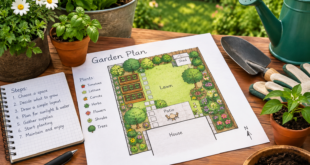
I think even a simple garden plan can make a big difference. Decide which plants you want, how much space they need, how much sunlight is available, and how frequently they may require watering.
You do not need a complicated design. A basic drawing on paper can be enough to organize your garden.
13. Neglecting Regular Observation
Gardening is not something you can completely set up and then forget. Plants change quickly, especially during warm and rainy weather.
Regular observation helps you notice problems before they become serious. Check the leaves, soil, stems, flowers, and overall appearance of your plants.
Over time, you will start recognizing what healthy growth looks like. This is one of the best ways to improve your gardening skills.
14. Trying to Grow Too Many Plants at Once
Beginners sometimes become excited after discovering how many different plants they can grow. However, managing too many plants can quickly become overwhelming.
I believe it is better to start small and learn from a few plants. Once you understand watering, soil preparation, sunlight, fertilizing, and pest management, you can gradually expand your garden.
A small healthy garden is much more rewarding than a large garden that becomes difficult to maintain.
15. Giving Up After One Failed Plant
Not every plant will survive, and that does not mean you are a bad gardener. Gardening involves experimentation and learning.
Sometimes a plant fails because of unsuitable weather, poor soil, pests, disease, incorrect watering, or simply because the plant was not suited to the growing conditions.
Instead of becoming discouraged, try to understand what happened. Every failed plant can teach you something that may help with your next attempt.
Simple Gardening Tips for Beginners
Avoiding common gardening mistakes becomes easier when you develop a few simple habits. First, learn about each plant before bringing it home. Understand its sunlight, water, soil, and space requirements.
Second, check the soil before watering instead of automatically watering every day. Third, give plants enough space to grow. Fourth, observe your garden regularly for pests and signs of stress.
It is also useful to keep a simple gardening record. You can write down when you planted seeds, when you fertilized, and how often you watered. This can help you understand what works best in your garden.
Most importantly, be patient. Plants do not all grow at the same speed, and gardening results rarely happen overnight.
Final Thoughts
Gardening mistakes are a normal part of learning. When I think about successful gardening, I do not see it as simply planting something and adding water. It is more about understanding what each plant needs and paying attention to how it responds.
The most important beginner gardening mistakes to avoid include overwatering, underwatering, choosing unsuitable plants, ignoring soil quality, planting too closely, using too much fertilizer, and forgetting about sunlight and drainage.
You do not need to become an expert before starting your first garden. Start with a few easy plants, observe them regularly, and learn from your results. With time and practice, you will become more confident and your garden will become healthier.
A successful garden is built through patience, consistency, and observation. If you avoid these common gardening mistakes and give your plants the basic care they need, you can create a beautiful and productive garden even as a beginner.