 snailhas25000teeth
Related Articles
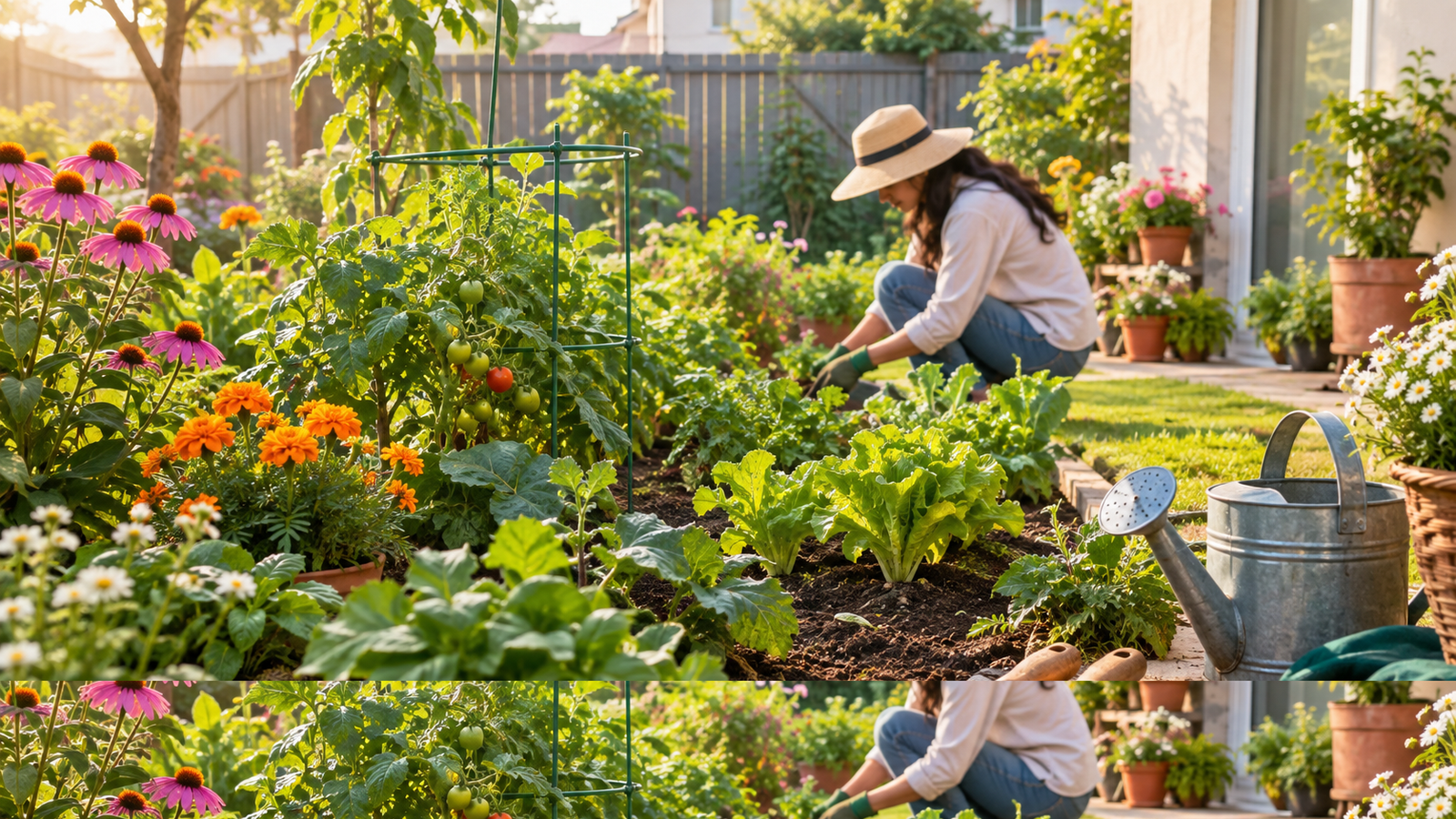
Starting your first garden is exciting, but keeping it healthy and green requires regular care and attention. When I first think about gardening, I believe the most important thing is not doing everything perfectly. Plants need the right amount of water, sunlight, nutrients, space, and protection. Once these basic needs are understood, garden care becomes much easier.
A healthy garden does not happen overnight. It develops through small and regular efforts. Whether you are growing vegetables, flowers, herbs, or a mixture of different plants, a simple routine can help your garden stay fresh, green, and productive throughout the growing season.
In this guide, I will share some practical gardening tips that can help beginners keep their first garden healthy and green.
Choose the Right Plants for Your Garden
One of the first steps in keeping a garden healthy is choosing plants that can grow well in your local conditions. Every plant has different requirements for sunlight, water, soil, temperature, and space.
Before buying plants or seeds, I recommend checking how much sunlight your garden receives during the day. Some plants grow well in full sunlight, while others prefer partial shade. Choosing plants according to your garden conditions can prevent many problems later.
It is also useful to select plants that are suitable for your local climate. A plant that grows well in one region may struggle in another because of temperature or humidity differences.
For beginners, herbs, leafy vegetables, marigolds, tomatoes, peppers, and other easy growing plants can be good choices depending on the local climate and season.
Give Plants Enough Sunlight
Sunlight is one of the most important requirements for healthy plant growth. Plants use sunlight to produce energy through photosynthesis. Without enough light, many plants may become weak, pale, or slow growing.
Before planting, observe your garden throughout the day. Notice which areas receive direct sunlight and which areas remain shaded.
Place sun loving plants where they can receive enough direct light. Plants that prefer shade or partial shade should be placed in areas with less intense sunlight.
Too much sunlight can also create problems for certain plants, especially during very hot weather. This is why understanding the needs of each plant is important.
Water Your Garden Properly
Watering is one of the most common areas where beginners make mistakes. Some people water their plants too often because they want them to grow quickly. Others forget to water regularly.
The best approach is to check the soil before watering. If the upper layer of soil feels dry, the plant may need water. If the soil is still wet, watering again may not be necessary.
I prefer watering plants deeply rather than giving them a small amount of water many times throughout the day. Deep watering can encourage roots to grow further into the soil.
Water should reach the root area instead of constantly wetting the leaves. Watering early in the morning is often a good choice because plants can use the moisture during the day.
However, watering needs depend on weather, soil type, plant size, and season. During hot weather, plants may need more frequent watering.
Keep the Soil Healthy
Healthy soil is the foundation of a healthy garden. Plants receive water, air, and nutrients through their growing medium, so poor soil can affect plant growth.
Before planting, improve the soil by adding suitable organic matter such as compost. Compost can help improve soil structure and provide nutrients for plants.
Avoid constantly disturbing the soil around plant roots. Gentle cultivation and regular addition of organic matter can help maintain good soil conditions.
If you are growing plants in containers, use a suitable potting mix instead of ordinary garden soil when appropriate. Container plants depend heavily on the quality of their growing medium.
Add Compost and Organic Matter
Compost is one of the most useful materials for a home garden. It can improve soil structure and provide nutrients that plants need for growth.
You can use mature garden compost around plants or mix it into the soil before planting. Make sure the compost is properly decomposed.
Adding organic matter regularly can also help soil retain moisture while improving drainage. This is particularly useful when the natural soil is either too compact or too sandy.
I think beginners should focus on improving the soil naturally instead of immediately using large amounts of fertilizer.
Feed Plants When Necessary
Plants need nutrients to grow healthy leaves, strong roots, flowers, and fruits. Good soil can provide many nutrients, but some plants may need additional feeding during the growing season.
Use fertilizer according to the needs of the plant and follow the instructions on the product label. More fertilizer does not always mean better growth. Excessive fertilizer can damage roots and create unhealthy growth.
Different plants also have different nutritional needs. Vegetable plants producing fruits may require different nutrients than leafy greens or flowering plants.
If you notice slow growth, pale leaves, or poor flowering, first check watering, sunlight, soil, pests, and other basic conditions before assuming fertilizer is the solution.
Remove Weeds Regularly
Weeds compete with garden plants for water, sunlight, nutrients, and space. If they are allowed to grow freely, they can quickly take over a garden.
Regularly inspect the garden and remove small weeds before they become large. Pull them carefully from the soil and try to remove the roots.
Weeding is much easier when the soil is slightly moist. However, avoid disturbing the roots of nearby plants.
Keeping garden beds clean can also make it easier to notice pests, diseases, and other problems at an early stage.
Use Mulch Around Plants
Mulching is a simple gardening technique that can provide several benefits. Organic mulch such as dry leaves, straw, or suitable compost can be placed around plants.
Mulch helps reduce moisture loss from the soil and can also slow down weed growth. Over time, some organic mulches break down and contribute organic matter to the soil.
Do not place a thick layer of mulch directly against plant stems. Leave some space around the base of the plant to improve airflow and reduce the risk of moisture related problems.
Check Plants for Pests
Garden pests can damage leaves, stems, flowers, and fruits. The earlier you notice a pest problem, the easier it can be to manage.
Make it a habit to inspect your plants regularly. Look underneath leaves and check new growth because some insects are small and difficult to notice.
You may see holes in leaves, sticky surfaces, discolored leaves, or insects around stems. These signs can indicate a pest problem.
Avoid immediately using strong chemicals for every small problem. First identify the pest and understand whether it is actually causing serious damage. Some insects are harmless or even beneficial to the garden.
Watch for Plant Diseases
Diseases can also affect a garden. Common signs include yellowing leaves, unusual spots, wilting, powdery growth, or rotting plant parts.
Good air circulation can help reduce certain disease problems. Avoid planting everything too closely together. Plants need enough space for air to move around their leaves.
Remove severely damaged plant material when appropriate and keep fallen diseased leaves from accumulating around plants.
Clean gardening tools regularly, especially when moving between plants that may have disease problems.
Prune Plants Carefully
Pruning can help some plants maintain a healthy shape and encourage better growth. Remove dead, damaged, or diseased parts when necessary.
Do not prune every plant in the same way. Some plants naturally grow differently and may not require much pruning.
When cutting branches or stems, use clean and suitable tools. Avoid removing too much healthy growth at once because this can put unnecessary stress on the plant.
Give Plants Enough Space
Plant spacing is another important part of garden care. When plants are crowded together, they compete for sunlight, water, nutrients, and air.
Follow the recommended spacing for each plant whenever possible. Giving plants enough room can also make watering, weeding, harvesting, and pest inspection easier.
A garden does not need to look completely full immediately after planting. Plants need room to grow.
Protect Your Garden During Extreme Weather
Weather can have a major effect on plant health. Very high temperatures, heavy rain, strong winds, and unexpected cold can stress plants.
During extremely hot weather, monitor soil moisture more closely. Container plants may dry out faster than plants growing directly in the ground.
During heavy rain, make sure excess water can drain away. Waterlogged soil can damage plant roots.
If strong winds are expected, taller plants may need support. Stakes or other suitable supports can prevent plants from bending or breaking.
Make Gardening a Regular Routine
One of the best ways to keep your first garden healthy and green is to develop a simple gardening routine.
You do not need to spend hours in the garden every day. Even a short inspection can help you notice problems before they become serious.
Check the soil, look at the leaves, remove weeds, inspect for insects, and observe overall plant growth. Regular observation helps you understand what your plants need.
I believe this is one of the most enjoyable parts of gardening. As you spend more time with your plants, you start recognizing their normal growth and noticing when something changes.
Avoid Overwatering and Overfeeding
Beginners often think that more water and fertilizer will produce faster growth. In reality, too much of either can cause problems.
Overwatering can reduce oxygen around roots and may contribute to root problems. Excess fertilizer can also damage roots or encourage weak, excessive growth.
Instead of following a fixed routine without checking the plants, pay attention to their actual conditions.
Keep Your Gardening Tools Clean
Clean tools can make gardening easier and help reduce the spread of some plant diseases.
After pruning or cutting plants, remove soil and plant material from tools. Store them somewhere dry and clean.
Basic tools such as a hand trowel, pruning shears, watering can, gloves, and garden fork are enough for many beginner gardens.
Taking care of your tools also means they will last longer and perform better.
Harvest Plants at the Right Time
If you are growing vegetables or herbs, regular harvesting can encourage continued production for some crops.
Harvest vegetables when they reach the appropriate size and maturity for that particular plant. Herbs can also benefit from regular harvesting when done correctly.
Avoid damaging the main plant while harvesting. Use clean scissors or pruning shears when appropriate.
Final Thoughts
Keeping your first garden healthy and green is mostly about consistency. Plants do not need constant attention, but they do need the right conditions and regular care.
Start by choosing suitable plants, providing enough sunlight, watering according to soil conditions, and maintaining healthy soil. Keep weeds under control, watch for pests and diseases, give plants enough space, and use compost or fertilizer when necessary.
The most important gardening tip I can give a beginner is to observe the garden regularly. Plants often show signs when something is wrong. Yellow leaves, wilting, slow growth, holes, and dry soil can all provide useful clues.
Do not worry if everything does not go perfectly in your first garden. Gardening is a learning process. Some plants may grow better than others, and some experiments may not work the first time. With regular observation and simple care, you can gradually develop the knowledge needed to maintain a healthy garden.
A green and productive garden is built through small efforts repeated over time. Once you understand what your plants need, garden maintenance becomes easier, more enjoyable, and much more rewarding.