 snailhas25000teeth
Related Articles
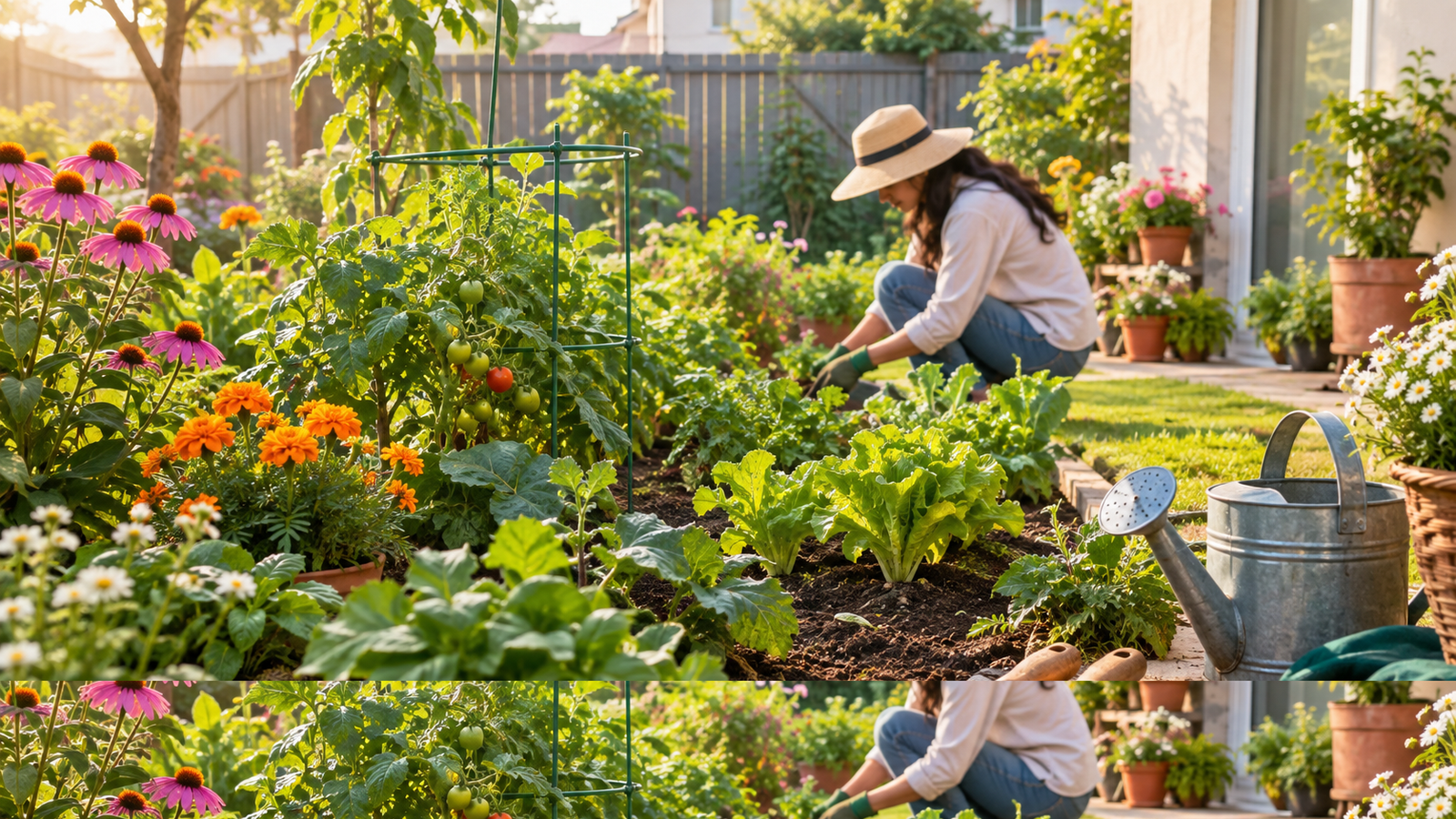
Starting a garden can be exciting, but it can also feel confusing when you are not sure what needs to be done every day. In my experience, gardening becomes much easier when you stop trying to do everything at once and create a simple weekly gardening routine. A few regular tasks can keep plants healthy, soil in good condition, and the whole garden looking fresh.
The good thing about gardening is that you do not need to spend hours working outside every day. Most beginner gardeners can manage their garden with a few minutes of regular care. The important thing is consistency. When I follow a simple routine, I can notice problems early and avoid many common gardening mistakes.
In this guide, I will share a simple weekly gardening routine for beginners that covers watering, checking plants, removing weeds, caring for soil, pruning, and other basic garden tasks.
Why a Weekly Gardening Routine Is Important
Plants need regular attention, but they do not always need complicated care. A weekly gardening routine helps you remember important tasks before they become bigger problems.
For example, checking your plants once a week can help you notice yellow leaves, damaged stems, insects, dry soil, or signs of disease. If you identify these problems early, they are usually easier to manage.
A routine also makes gardening less stressful. Instead of wondering what you should do every time you enter the garden, you already have a basic plan to follow.
I believe beginners should focus on simple habits rather than trying to become expert gardeners immediately. Once these habits become normal, you can slowly add more advanced gardening techniques.
Monday: Check Your Plants
I like to begin the week by taking a few minutes to look carefully at the plants. This does not require any special equipment. Simply walk around the garden and observe what is happening.
Look at the leaves, stems, flowers, and soil around each plant. Healthy leaves usually have a good natural color and should not appear extremely weak or damaged.
Check for:
• Yellow or brown leaves
• Wilting plants
• Holes in leaves
• Insects
• Broken stems
• Dry soil
• Unusual spots on leaves
• Signs of fungal problems
This simple plant inspection is one of the most useful gardening habits for beginners. You may not always know exactly what a problem means, but noticing changes early gives you time to investigate and respond.
Do not forget to check plants in containers as well. Container plants can sometimes dry out faster than plants growing directly in the ground.
Tuesday: Water Your Garden Properly
Watering is one of the most important parts of plant care, but more water does not always mean healthier plants.
I recommend checking the soil before watering. Push your finger slightly into the soil. If the upper layer feels dry, the plant may need water. If the soil is still moist, you may be able to wait.
The exact watering schedule depends on the plant, weather, soil type, and container size. During hot weather, plants may need more frequent watering. During cooler or rainy periods, they may need much less.
When watering, try to water the soil around the base of the plant rather than constantly wetting the leaves. Water should reach the root area without creating standing water.
Overwatering is a common mistake among beginners. Too much moisture can reduce air around the roots and may contribute to root problems.
The goal is not to follow a fixed watering schedule blindly. Instead, learn to observe your soil and plants.
Wednesday: Remove Weeds
Weeds compete with garden plants for water, nutrients, sunlight, and space. That is why weed control should be part of a simple weekly gardening routine.
You do not need to spend an entire day removing weeds. A few minutes each week can make a noticeable difference.
Small weeds are usually easier to remove because their roots have not become deeply established. Gently pull them from the soil and try to remove as much of the root as possible.
Be careful when removing weeds near young plants. Some weeds can look surprisingly similar to seedlings, especially when you are new to gardening.
I prefer regular hand removal for small home gardens because it allows me to see exactly what I am removing. Keeping the garden clean also makes it easier to notice pests and plant diseases.
Thursday: Check and Improve the Soil
Healthy soil is the foundation of a healthy garden. Even if your plants look fine, it is useful to pay attention to the condition of the soil.
Look for soil that has become extremely hard, dry, or compacted. Compacted soil can make it difficult for water and air to reach plant roots.
You can gently loosen the surface of the soil around plants using a suitable hand gardening tool. Avoid damaging the roots while doing this.
Adding organic matter such as mature compost can also help improve soil structure. Compost can provide organic material and support a healthier growing environment.
However, I would not recommend adding large amounts of fertilizer simply because a plant is not growing quickly. Different plants have different nutritional requirements, and too much fertilizer can create problems.
For beginners, it is better to understand the basic condition of the soil first and then make changes when needed.
Friday: Remove Dead Leaves and Flowers
Friday can be a good day for simple garden cleaning. Remove dead leaves, damaged plant parts, and spent flowers where appropriate.
Removing dead material can make the garden look cleaner and may help you notice problems that were hidden underneath leaves.
For flowering plants, removing old flowers can sometimes encourage the plant to focus energy on new growth or additional flowers, depending on the plant species.
Always use clean and suitable gardening tools when cutting plants. Make clean cuts instead of damaging stems.
Do not remove healthy leaves just because they look slightly different from other leaves. Every plant has its own natural appearance, so it is important to understand the plant before pruning heavily.
Saturday: Pruning and Plant Support
Saturday can be your slightly longer gardening day. This is a good time to check whether plants need light pruning or additional support.
Some plants naturally grow outward and may need support to remain upright. Tomato plants, climbing plants, and some flowering plants may benefit from stakes, trellises, or other suitable support.
Pruning should be done carefully. Beginners often make the mistake of cutting too much at once. I prefer to remove only clearly dead, damaged, or unwanted growth unless I know that a particular plant requires specific pruning.
Before cutting a plant, learn about its growth habit and pruning requirements. Some plants should be pruned at particular times of the year, while others need very little pruning.
A few minutes spent understanding the plant can prevent unnecessary damage.
Sunday: Review Your Garden
Sunday can be a simple observation and planning day.
Take a few minutes to look at your garden and think about what changed during the week. Did any plant grow noticeably? Did the soil stay wet for too long? Did you notice insects? Did any leaves change color?
This is also a good opportunity to plan the following week.
I find that keeping simple gardening notes can be useful. You can write down when you watered, when you planted something, when you added compost, or when you noticed a problem.
You do not need a complicated gardening journal. Even a small notebook or phone note can help you remember what you have done.
How Much Time Should Beginners Spend Gardening?
One of the best things about a small garden is that you usually do not need to spend hours caring for it every day.
For a beginner garden, checking plants for a few minutes each day and doing basic maintenance during the week can be enough. The amount of time will depend on the size of your garden and the number of plants.
Instead of focusing on the number of hours, focus on regular observation and timely care.
A neglected garden can become difficult to manage, while a garden that receives small amounts of attention regularly is often much easier to maintain.
Common Mistakes to Avoid
There are several mistakes that beginners commonly make when creating a gardening routine.
The first is overwatering. Always check the soil and understand the needs of your plants.
The second is using too much fertilizer. Fertilizer is not a replacement for sunlight, suitable soil, proper watering, and good plant care.
Another mistake is ignoring pests until the damage becomes obvious. Check leaves regularly so you can notice unusual changes early.
Some beginners also try to grow too many plants at once. I think starting with a manageable number of plants is a much better approach. It gives you time to understand their needs without feeling overwhelmed.
Finally, avoid expecting perfect results immediately. Gardening takes patience. Some plants grow quickly, while others take more time.
Adjust Your Routine According to the Season
A weekly gardening routine should not remain exactly the same throughout the year.
During hot weather, watering and checking soil moisture may become more important. During rainy weather, you may need to reduce watering and pay more attention to drainage.
In cooler months, some plants naturally slow down. You may need less frequent watering and less pruning.
The best gardening routine is flexible. I believe the garden itself should guide your decisions. Observe the weather, soil, and plants instead of following a routine without making adjustments.
Simple Weekly Gardening Checklist
For beginners who want an easy reminder, this basic checklist can be useful:
Monday: Check plants for problems.
Tuesday: Check soil moisture and water when necessary.
Wednesday: Remove weeds.
Thursday: Check soil and add organic matter when appropriate.
Friday: Remove dead leaves and spent flowers.
Saturday: Check plant growth, pruning needs, and plant support.
Sunday: Review the garden and plan the next week.
You can change these tasks according to your garden. The purpose is simply to create a habit that makes garden care easier.
Final Thoughts
A simple weekly gardening routine can make a big difference, especially when you are just starting. You do not need expensive equipment, complicated techniques, or hours of work every day. What matters most is paying attention to your plants and taking care of small problems before they become serious.
From my point of view, the best way to become a better gardener is to spend time observing the garden. Plants can tell you a lot through their leaves, growth, flowers, and soil conditions. The more you observe, the better you become at understanding what they need.
Start with a few plants, keep your routine simple, and give yourself time to learn. Gardening is a gradual process, and not every plant will grow perfectly. That is completely normal.
With regular watering, basic plant inspection, weed control, soil care, cleaning, and occasional pruning, even a beginner can maintain a healthy and attractive garden. Once these tasks become part of your weekly routine, gardening can become an enjoyable habit rather than another difficult responsibility.