 snailhas25000teeth
Related Articles
Plants need water, nutrients, and proper care, but in my experience, sunlight is one of the most important factors that determines whether a plant thrives or struggles. Many people focus on watering schedules and fertilizers, yet they often overlook how much light a plant actually needs. Understanding the sunlight requirements of indoor and outdoor plants can make a huge difference in plant health, growth, flowering, and overall appearance.
If you have ever wondered why a houseplant develops pale leaves or why an outdoor plant fails to bloom, the answer is often related to sunlight. In this guide, I will explain how much sunlight different plants need and how you can provide the right amount for healthy growth.
Why Sunlight Is Important for Plants
Sunlight plays a major role in photosynthesis, the process through which plants make their food. Without enough light, plants cannot produce the energy they need for growth.
Benefits of proper sunlight include:
• Strong root development
• Healthy green leaves
• Better flowering and fruit production
• Faster growth
• Improved resistance against diseases
Too much sunlight can damage leaves, while too little sunlight can lead to weak stems and poor growth. Finding the right balance is the key.
Understanding Different Types of Sunlight
Before choosing plants for your home or garden, it is important to understand the common sunlight categories.
Full Sun
Plants that need full sun require at least six to eight hours of direct sunlight every day. These plants perform best in bright locations.
Examples include:
• Roses
• Sunflowers
• Tomatoes
• Lavender
• Marigolds
Partial Sun or Partial Shade
These plants require around three to six hours of sunlight daily. Morning sunlight is often ideal because it is less intense.
Examples include:
• Hydrangeas
• Begonias
• Spinach
• Lettuce
Full Shade
Shade loving plants need less than three hours of direct sunlight. They usually prefer indirect or filtered light.
Examples include:
• Ferns
• Snake Plants
• Peace Lilies
• Caladiums
How Much Sunlight Do Indoor Plants Need?
Indoor plants depend heavily on the amount of natural light available inside the home. In my experience, placing plants in the correct location is often more important than frequent watering.
Bright Direct Light
Plants that love direct sunlight should be placed near south facing windows where they can receive several hours of sunshine.
Examples:
• Cactus
• Succulents
• Aloe Vera
• Jade Plant
These plants generally need six or more hours of direct sunlight.
Bright Indirect Light
Many popular houseplants prefer bright but indirect light. This means sunlight reaches the plant without directly touching the leaves.
Examples:
• Monstera
• Pothos
• Philodendron
• Peace Lily
These plants grow well near windows with curtains or in bright rooms.
Low Light Plants
Some indoor plants can survive in rooms with limited sunlight.
Examples:
• Snake Plant
• ZZ Plant
• Cast Iron Plant
Even low light plants still need some natural light to stay healthy.
Best Window Directions for Indoor Plants
Understanding window directions can help you provide better light for indoor plants.
South Facing Windows
These receive the most sunlight throughout the day and are ideal for sun loving plants.
East Facing Windows
These provide gentle morning sunlight and work well for many indoor plants.
West Facing Windows
These receive stronger afternoon light and can support many flowering plants.
North Facing Windows
These provide the least sunlight and are suitable for shade tolerant plants.
Signs Your Indoor Plants Need More Sunlight
Plants often show clear signs when they are not getting enough light.
Common symptoms include:
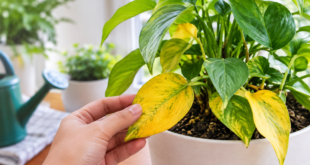
• Yellow leaves
• Weak stems
• Slow growth
• Smaller leaves
• Leaning toward windows
If you notice these signs, move your plant closer to a brighter area.
Signs of Too Much Sunlight
Excessive sunlight can also create problems.
Look for:
• Brown leaf edges
• Burned spots
• Dry leaves
• Wilting despite moist soil
Moving the plant slightly away from direct sunlight can help.
How Much Sunlight Do Outdoor Plants Need?
Outdoor plants generally receive more sunlight than indoor plants, but each species has different requirements.
Flowering Plants
Most flowering plants need six to eight hours of direct sunlight.
Examples include:
• Roses
• Petunias
• Zinnias
• Sunflowers
More sunlight often means more flowers.
Vegetables
Vegetable plants usually require full sun for healthy growth and good harvests.
Examples:
• Tomatoes
• Peppers
• Cucumbers
• Eggplants
Leafy vegetables can tolerate partial shade.
Trees and Shrubs
Different trees have different light preferences.
Examples:
• Citrus trees need full sun
• Ferns prefer shade
• Hydrangeas enjoy morning sunlight
Always read plant labels before planting.
How Seasonal Changes Affect Sunlight
One thing I have noticed is that sunlight changes throughout the year. Plants may receive more light in summer and less during winter.
During winter:
• Move indoor plants closer to windows
• Clean windows to improve light exposure
• Rotate plants regularly
• Use grow lights if needed
Seasonal adjustments can keep plants healthy year round.
Using Grow Lights for Indoor Plants
If natural sunlight is limited, grow lights are a practical solution.
Benefits include:
• Consistent light supply
• Better plant growth
• Support during winter months
• Suitable for apartments and offices
LED grow lights are energy efficient and popular among plant lovers.
Tips to Provide Proper Sunlight for Plants
Over the years, I have learned a few simple ways to ensure plants receive the right amount of light.
Observe Your Plant
Plants communicate through their leaves and growth patterns. Pay attention to any changes.
Rotate Indoor Plants
Turning plants every week helps them grow evenly.
Research Plant Needs
Every plant is different. Understanding individual sunlight requirements leads to better results.
Avoid Sudden Changes
Moving a plant from shade to strong sunlight can cause stress. Make changes gradually.
Use Curtains if Necessary
Thin curtains can protect delicate plants from harsh afternoon sunlight.
Common Mistakes People Make
Many plant owners unknowingly make mistakes related to sunlight.
Common errors include:
• Keeping sun loving plants in dark rooms
• Exposing shade plants to harsh sunlight
• Ignoring seasonal changes
• Not rotating indoor plants
• Assuming all plants need the same amount of light
Avoiding these mistakes can improve plant health significantly.
Final Thoughts
Knowing how much sunlight indoor and outdoor plants need is one of the most important parts of successful plant care. From my experience, understanding light requirements can solve many common plant problems and help create a healthier garden or indoor space.
Some plants love bright direct sunlight, while others prefer shade or indirect light. By observing your plants and providing the right conditions, you can enjoy greener leaves, stronger growth, and more beautiful flowers.
Whether you grow plants indoors or outdoors, giving them the correct amount of sunlight is one of the simplest and most effective ways to keep them thriving all year long.
SEO Meta Description
Learn how much sunlight indoor and outdoor plants need for healthy growth. Discover the differences between full sun, partial shade, and indirect light to keep your plants thriving.