 snailhas25000teeth
Related Articles
Taking care of plants becomes much easier when you learn how to understand what they are telling you. Plants cannot speak, but their leaves, stems, soil, and overall growth can give you many useful signs about their health. In my experience, you do not need to be an expert gardener to know whether a plant is doing well. You simply need to observe it regularly and notice small changes.
A healthy plant usually has strong growth, good leaf color, firm stems, and soil that is neither constantly soaked nor extremely dry. However, every plant is different, so it is important to understand what is normal for the particular plant you are growing.
If you have indoor plants, garden plants, or even a few pots on your balcony, learning how to tell if your plant is healthy can help you prevent problems before they become serious.
Look at the Color of the Leaves
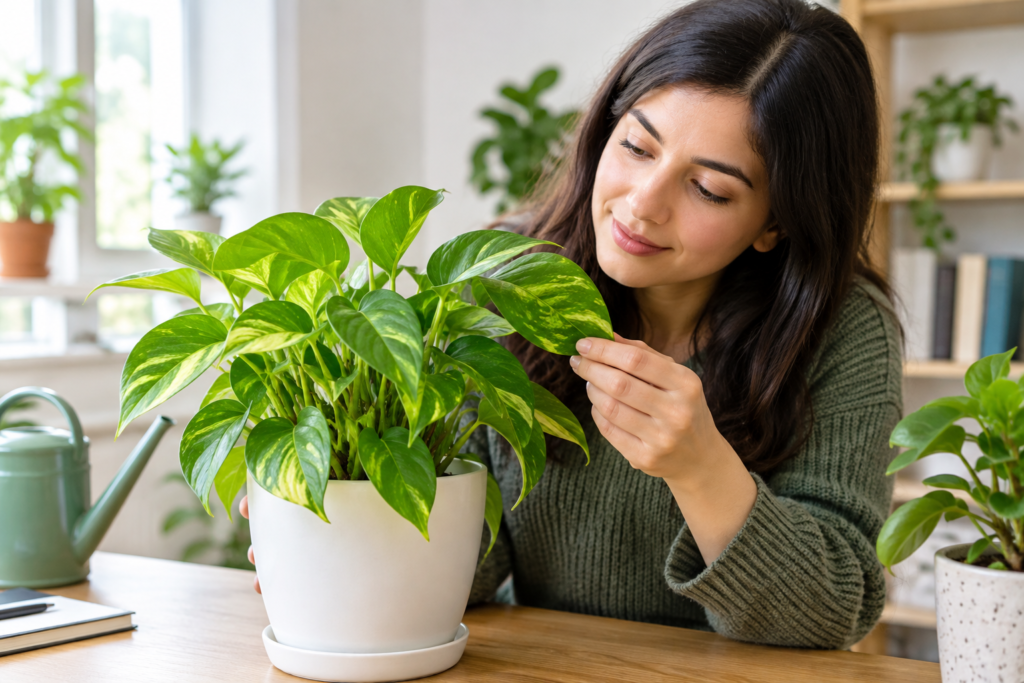
One of the easiest ways to check plant health is by looking at the leaves. Healthy leaves generally have a natural color that matches the plant variety. Many plants have bright green leaves, while others naturally have yellow, purple, silver, or variegated patterns.
If the leaves look fresh and have their normal color, that is usually a positive sign. New leaves can sometimes be lighter than older leaves, which is completely normal for many plants.
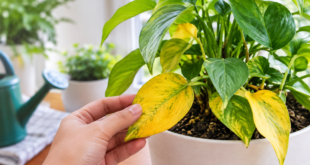
However, sudden yellowing may indicate a problem. Overwatering is one common reason leaves turn yellow, especially when the soil remains wet for too long. Yellow leaves can also appear because of poor light, nutrient problems, or natural aging.
Brown edges or brown spots may also deserve attention. They can be caused by dry air, inconsistent watering, too much direct sunlight, or other environmental conditions.
I personally think that checking leaves regularly is one of the simplest habits any plant owner can develop.
Check for New Growth
New growth is another excellent sign of a healthy plant. Depending on the plant, you may notice new leaves, shoots, stems, flowers, or branches developing.
A plant that is producing new growth during its active growing season is usually receiving suitable care. This does not mean every healthy plant needs to grow quickly. Some plants naturally grow slowly, especially during cooler months or periods of dormancy.
When you notice a small new leaf appearing, avoid making sudden changes to the plant’s environment. Give it appropriate light, water, and space, and allow it to develop naturally.
If a plant has stopped growing for a long time, it is worth checking its light, watering routine, soil condition, and pot size.
Examine the Stems
Healthy stems should generally look firm and stable for the type of plant. They should not appear unusually soft, weak, or damaged.
Soft stems can sometimes indicate excess moisture or root problems. On the other hand, very thin and stretched stems may indicate that the plant is not receiving enough light.
You should also look for unusual marks, wounds, or dark areas on the stems. A small amount of natural variation is normal, but sudden changes can indicate stress.
For climbing plants, strong stems combined with healthy new leaves are usually encouraging signs. For flowering plants, sturdy stems can help support buds and flowers.
Pay Attention to the Soil
The condition of the soil can tell you a lot about what is happening below the surface.
Before watering a plant, I recommend checking the soil rather than simply following a fixed watering schedule. Insert your finger gently into the soil. If the surface and upper layer feel dry and the plant prefers to dry between watering, it may be time to water. If the soil is still very wet, adding more water may create problems.
Different plants have different moisture requirements. Some tropical plants prefer more consistent moisture, while succulents and many drought tolerant plants prefer their soil to dry considerably between watering.
The important thing is to understand your plant instead of treating every plant in your home the same way.
Look at the Roots When Necessary
You do not need to remove a plant from its pot every week to inspect the roots. However, roots can provide useful information when a plant appears unhealthy.
Healthy roots are generally firm and have a natural color appropriate to the plant. Roots that are consistently exposed to excessive moisture can become damaged and may appear soft or unhealthy.
If your plant has stopped growing, the soil stays wet for an unusually long time, or the plant repeatedly looks stressed despite proper care, the roots may be worth checking during repotting.
Always handle roots gently because unnecessary disturbance can stress the plant.
Check the Leaves for Pests
Small insects can sometimes cause major problems if they are ignored. When checking whether your plant is healthy, look closely at both the upper and lower surfaces of the leaves.
Common signs of pests include tiny insects, sticky residue, small spots, distorted new leaves, webbing, or unusual discoloration.
Spider mites, aphids, mealybugs, and other pests can affect indoor and outdoor plants. You may not notice them immediately because some pests are extremely small.
This is why I like to inspect plants regularly, especially new plants that have recently been brought into the home. Early detection makes it much easier to manage a pest problem.
Healthy Plants Usually Have Firm Leaves
Leaf texture can also tell you about plant health. Depending on the species, healthy leaves may feel firm, flexible, thick, or slightly waxy.
Leaves that suddenly become limp or unusually soft may indicate that the plant is experiencing stress. A lack of water can cause wilting, but overwatering can also damage roots and eventually lead to drooping leaves.
It is therefore important not to assume that every wilted plant simply needs more water.
Before watering a wilted plant, check the soil and consider its recent care. This simple step can prevent the common mistake of adding more water to a plant that is already too wet.
Notice the Plant’s Overall Shape
Step back and look at the entire plant. Does it look balanced and full for its variety? Are the stems growing naturally? Are new leaves developing?
A healthy plant usually has an appearance that matches its natural growth habit.
If a plant is leaning strongly toward a window, it may be trying to reach more light. If the stems are unusually long with large spaces between leaves, insufficient light may be one possible reason.
Rotating a plant occasionally can help provide more even light, although plants with specific lighting requirements should always be treated according to their needs.
Check the Amount of Light
Light is one of the most important factors in plant health. Even if you water perfectly, a plant may struggle if it does not receive the type and amount of light it needs.
Some plants prefer bright indirect light, while others can tolerate lower light conditions. Certain outdoor plants need several hours of direct sunlight.
Watch how your plant responds to its location. Pale growth, weak stems, slow development, or stretching toward a window may indicate that the plant needs more suitable light.
At the same time, scorched leaves or bleached patches can sometimes indicate excessive direct sunlight.
Finding the right position is often more important than constantly changing your watering routine.
Healthy Plants Have Clean and Functional Leaves
Dust can collect on indoor plant leaves, particularly on larger leaves. A thick layer of dust can make the plant look dull and may interfere with its ability to use available light.
Gently cleaning suitable plants with a soft, damp cloth can keep the leaves looking fresh. However, avoid harsh cleaning products and do not use household chemicals on plant leaves unless they are specifically designed for that purpose.
For plants with delicate or fuzzy leaves, a different cleaning method may be more appropriate.
Clean leaves are not just about appearance. Regularly looking at them also gives you a chance to notice pests and damage early.
Flowers and Fruit Can Be Positive Signs
For flowering and fruit producing plants, healthy blooms and fruit can be encouraging signs. Strong flowers, developing buds, and normal fruit formation generally indicate that the plant is receiving suitable care.
However, flowering does not automatically mean everything is perfect. A plant can still experience pest problems or nutritional issues while producing flowers.
Similarly, some plants naturally flower only during certain seasons. Do not worry if your plant is not blooming outside its normal flowering period.
Understanding the natural cycle of your plant is an important part of responsible plant care.
Watch for Sudden Changes
One of the most important lessons I have learned about plant care is that sudden changes deserve attention.
If a plant looked healthy last week but now has yellow leaves, drooping stems, brown spots, or damaged new growth, try to identify what changed.
Think about recent watering, light exposure, temperature, repotting, fertilizing, or moving the plant to a new location.
Keeping a simple care routine can help you recognize patterns. You do not need a complicated gardening journal. Even a few notes about watering and major changes can be useful.
Do Not Judge a Plant by One Leaf
It is also important not to panic when you see one yellow or brown leaf.
Older leaves naturally die as a plant produces new growth. A single damaged leaf can result from physical damage, aging, or a temporary environmental change.
Instead of focusing on one leaf, look at the whole plant.
If most of the plant looks healthy, new growth is appearing, and the stems are strong, one imperfect leaf may not be a serious concern.
Plant health should be judged by overall patterns rather than one small imperfection.
Give Your Plant Consistent Care
Consistency is one of the best ways to maintain a healthy plant. This does not mean giving every plant exactly the same amount of water or sunlight. It means understanding its requirements and providing suitable conditions regularly.
Avoid constantly moving plants from one place to another. Do not water simply because a calendar says it is watering day. Do not add large amounts of fertilizer because the plant seems slow.
Instead, observe first and act second.
In my opinion, this approach makes plant care less stressful. You begin to work with the plant rather than against it.
Final Thoughts
Learning how to tell if your plant is healthy is mostly about observation. Look at the leaves, stems, soil, roots, new growth, and overall appearance. Pay attention to light and watering, and check regularly for pests or unusual changes.
A healthy plant does not have to look perfect every day. Some leaves will age, some growth will slow down, and plants naturally change with the seasons. What matters is understanding what is normal for your plant and recognizing when something looks different.
With regular observation and consistent care, you can become much better at understanding your plants. You do not need to be a professional gardener. A little patience, attention, and knowledge can go a long way toward keeping your plants healthy and beautiful