 snailhas25000teeth
Related Articles
Healthy new plant growth is one of the best signs that a plant is receiving the care it needs. When I see fresh leaves, strong stems, and new shoots appearing, I know the plant is responding well to its environment. However, encouraging new growth is not simply about adding more water or fertilizer. Plants need the right balance of sunlight, water, nutrients, soil, temperature, and regular care.
In my experience, the best way to encourage healthy plant growth is to understand what the plant naturally needs and then create conditions that support those needs. Every plant is different, but a few basic principles work well for most indoor and outdoor plants.
Give Your Plant the Right Amount of Light
Light is one of the most important factors affecting new plant growth. Plants use light to produce energy through photosynthesis, so insufficient light can make growth slow and weak.
I always try to learn how much light a particular plant needs before choosing its location. Some plants prefer bright direct sunlight, while others grow better in bright indirect light. Indoor plants should usually be placed near a suitable window where they can receive enough natural light without suffering from excessive heat.
If a plant becomes tall, thin, or starts leaning toward a window, it may be searching for more light. On the other hand, pale or scorched leaves can sometimes indicate that the plant is receiving too much direct sunlight.
Finding the right balance can make a noticeable difference in healthy new plant growth.
Water According to the Plant’s Needs
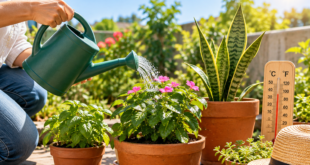
Watering correctly is another important part of plant care. Both underwatering and overwatering can slow down new growth.
I prefer checking the soil before watering rather than following a strict schedule. Insert a finger into the top layer of soil and feel whether it is still moist. If the soil feels dry and the plant needs water, water thoroughly until some moisture reaches the drainage holes.
At the same time, avoid allowing the plant to sit in standing water. Constantly wet soil can reduce oxygen around the roots and may lead to root problems.
The watering needs of a cactus are obviously different from those of a tropical plant. Learning your plant’s natural watering requirements is one of the simplest ways to encourage stronger growth.
Use Healthy and Well Draining Soil
Good soil provides the foundation for healthy roots. If the soil is compacted, roots may struggle to receive enough air, water, and nutrients.
For most potted plants, I like using a quality potting mix that allows excess water to drain easily. The exact mixture depends on the type of plant. Succulents and cacti generally need a faster draining mix, while many tropical plants prefer soil that holds some moisture while still allowing good drainage.
If water remains on the surface for a long time or drains extremely slowly, the soil may need improvement. Healthy roots support healthy leaves and stems, so improving the growing medium can encourage better new plant growth.
Provide the Right Nutrients
Plants need nutrients to produce leaves, stems, flowers, and roots. Even when a plant receives enough sunlight and water, poor nutrition can limit its growth.
A balanced plant fertilizer can help provide essential nutrients during the active growing season. However, I believe more fertilizer does not automatically mean more growth. Using too much can damage roots and create other problems.
Always follow the instructions on the fertilizer package and consider the plant’s specific needs. Some plants need regular feeding, while others require very little fertilizer.
If new leaves are consistently small, pale, or slow to develop, nutrition may be one factor worth considering. Before adding fertilizer, however, check light, watering, soil, and other basic conditions.
Choose the Right Pot
The size and condition of a pot can also affect plant growth. A pot that is too small can restrict roots, while a very large pot can hold excess moisture around the roots for too long.
When roots begin growing through drainage holes or the plant dries out unusually quickly after watering, it may be time to consider repotting.
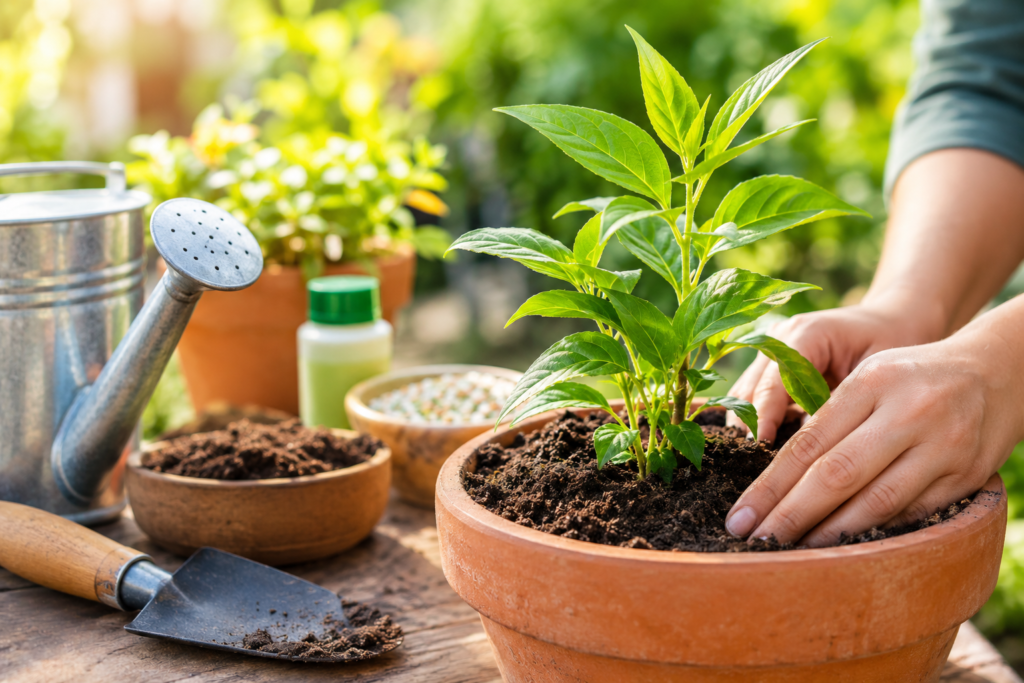
When I repot a plant, I prefer moving it into a container that is only moderately larger than the existing pot. The new container should always have suitable drainage.
A healthy root system gives the plant a stronger foundation for producing new leaves and stems.
Keep the Leaves Clean
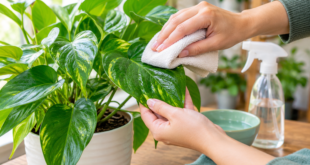
Dust can collect on indoor plant leaves and make them look dull. Cleaning leaves gently can help keep the plant looking fresh and allows you to inspect the foliage for pests or other problems.
I recommend using clean water and a soft, damp cloth for plants that tolerate this method. Support the leaf while wiping it gently instead of rubbing aggressively.
Avoid harsh cleaning products, household detergents, or unnecessary chemicals. Leaves are delicate, and rough handling can cause damage.
Clean leaves also make it easier to notice changes such as yellow spots, insects, discoloration, or new growth.
Maintain Suitable Temperature and Humidity
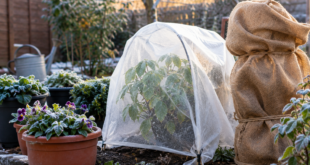
Temperature can have a major influence on plant growth. Many common houseplants grow well in warm, stable conditions, while sudden temperature changes can cause stress.
Try to keep plants away from strong drafts, heating vents, air conditioners, and areas with extreme temperature changes.
Humidity is also important for many tropical plants. If the air inside your home is very dry, plants with high humidity requirements may develop brown leaf edges or slower growth.
Instead of assuming every plant needs high humidity, I recommend checking the natural environment of the plant. This helps avoid creating unnecessary problems.
Prune Damaged Growth
Pruning can help improve the appearance and structure of many plants. Removing dead, damaged, or diseased parts allows you to focus your care on healthy portions of the plant.
I always use clean and sharp pruning tools when cutting plants. Avoid removing large amounts of healthy growth unless the plant specifically benefits from heavier pruning.
For some plants, trimming the growing tips can encourage branching and create a fuller appearance. However, pruning requirements vary significantly between plant types.
The goal should be thoughtful pruning rather than cutting simply because new growth is slow.
Protect New Growth From Pests
New leaves and shoots can sometimes attract pests. Aphids, spider mites, mealybugs, and other insects can weaken a plant and interfere with healthy growth.
I recommend checking the undersides of leaves and the areas around new shoots regularly. Early detection usually makes pest management easier.
If you notice small insects, sticky residue, webbing, distorted leaves, or unusual spots, inspect the plant carefully. Treating the problem early can help prevent further damage.
It is also a good idea to isolate a plant with a suspected pest problem from other plants until you understand what is happening.
Avoid Overwatering and Overfertilizing
Two common mistakes I see in plant care are giving plants too much water and too much fertilizer. It is natural to think that extra care will produce faster growth, but plants can suffer when their basic needs are exceeded.
Healthy growth comes from balance. Roots need both moisture and oxygen. Nutrients are important, but excessive fertilizer can create problems. More sunlight is not always better, and more frequent watering is not always helpful.
Instead of trying to force growth, I recommend creating stable conditions and giving the plant time to respond.
Give Plants Time to Adapt
A newly purchased plant or recently repotted plant may need time to adjust. Changes in light, temperature, humidity, and soil can temporarily affect its growth.
I try not to make several major changes at once. If a plant is healthy but not producing new leaves immediately, patience can be more useful than constant intervention.
Plants have natural growth cycles. Some produce vigorous growth during certain seasons and slow down during others.
Watching the plant over time can help you understand its normal behavior.
Encourage Strong Root Development
Healthy roots are essential for healthy new growth. Roots absorb water and nutrients while anchoring the plant in the soil.
Good drainage, suitable soil, proper watering, and an appropriate pot all contribute to stronger roots.
When caring for a plant, I try to think about what is happening below the soil as well as what I can see above it. A plant may look small above the soil while developing an important root system underneath.
Once the roots are healthy and established, the plant often has a much better ability to produce new leaves and shoots.
Watch the Plant and Adjust Your Care
One of the most useful plant care habits is simply observing your plants regularly. Look at the leaves, stems, soil, and overall shape.
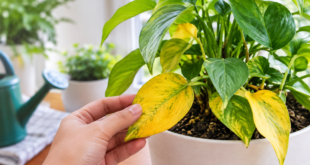
New leaves that appear healthy and continue developing are generally encouraging signs. Slow growth, yellowing leaves, drooping, leaf spots, or sudden changes can indicate that something needs attention.
I do not believe there is one perfect plant care routine for every home. Conditions vary from room to room, and every plant responds differently.
The best approach is to observe, make small adjustments, and then give the plant enough time to respond.
Final Thoughts
Encouraging healthy new plant growth does not require complicated techniques. In my view, the most important things are providing suitable light, watering correctly, using healthy soil, supplying nutrients when needed, maintaining comfortable conditions, and regularly checking the plant.
The biggest mistake is trying to make a plant grow faster without understanding what it actually needs. Healthy growth happens naturally when the roots, leaves, and surrounding environment are properly balanced.
With consistent care and a little patience, you can create conditions that encourage stronger stems, healthier leaves, and fresh new growth. Once you learn to observe your plants, their changes can tell you a lot about what they need. That is what makes plant care both rewarding and enjoyable.