 snailhas25000teeth
Related Articles
Hot weather can be challenging for plants, especially when temperatures stay high for several days. I have noticed that even healthy plants can start looking tired when they are exposed to intense sunlight, dry air, and rapidly drying soil. Leaves may begin to droop, flowers can fade quickly, and young plants may struggle to continue growing.
The good news is that caring for plants during hot weather does not have to be complicated. In my experience, the most important things are proper watering, suitable sunlight, good soil moisture, and regular observation. When I pay attention to these basic needs, plants usually handle hot conditions much better.
Whether you grow indoor plants, balcony plants, vegetables, herbs, flowers, or outdoor garden plants, a few simple changes can protect them from heat stress.
Water Plants at the Right Time
Watering is one of the most important parts of plant care during hot weather. When temperatures rise, water evaporates from the soil much faster. Plants also lose moisture through their leaves, so they may need more water than they normally do.
I prefer watering plants in the early morning because the soil has enough time to absorb moisture before the strongest heat arrives. Early morning watering also gives plants access to water during the hottest part of the day.
Late afternoon or evening can also work when morning watering is not possible. However, I try to avoid leaving plant leaves wet for long periods, especially when humidity is high, because constantly wet foliage can encourage certain plant diseases.
Instead of watering a little every day, I usually check the soil first. If the top layer feels dry, I water thoroughly until moisture reaches deeper into the soil. This encourages the roots to grow deeper and helps the plant remain hydrated for longer.
Check the Soil Before Watering
One mistake I often see is watering plants based only on a fixed schedule. Hot weather can change how quickly soil dries, so a plant that normally needs water every few days may need attention more frequently.
Before watering, I check the soil with my finger. If the upper layer feels dry, I consider watering. For plants in containers, I also check whether the pot feels unusually light.
At the same time, I avoid keeping the soil constantly soaked. Too much water can reduce the air available around the roots and may lead to root problems.
The goal is not simply to give a plant more water. The goal is to maintain suitable moisture around the roots.
Protect Plants From Extreme Afternoon Sun
Sunlight is essential for healthy plant growth, but intense summer sunlight can become stressful for some plants. This is particularly true for young plants, newly transplanted plants, and species that naturally prefer partial shade.
If a plant starts developing scorched, brown, or crispy leaf edges, I consider whether it is receiving too much direct afternoon sunlight.
For container plants, one advantage is that I can move them to a location with morning sunlight and afternoon shade. For plants growing directly in the garden, shade cloth or other temporary protection can help reduce intense exposure.
I do not automatically move every plant away from sunlight. Many plants need several hours of direct light to remain healthy. Instead, I try to understand the individual plant’s light requirements.
Use Mulch to Keep Soil Moist
Mulching is one of my favorite ways to protect outdoor plants during hot weather. A layer of organic mulch over the soil can help slow moisture loss and keep the root area more stable.
Materials such as shredded leaves, compost, straw, or suitable organic garden mulch can be useful. I leave some space around the main stem instead of piling mulch directly against it.
Mulch is especially helpful for plants growing in sunny garden beds. It can also improve soil quality over time as organic materials break down.
For me, the biggest benefit is that the soil does not dry out as quickly. This means the roots have a more consistent supply of moisture during hot days.
Give Container Plants Extra Attention
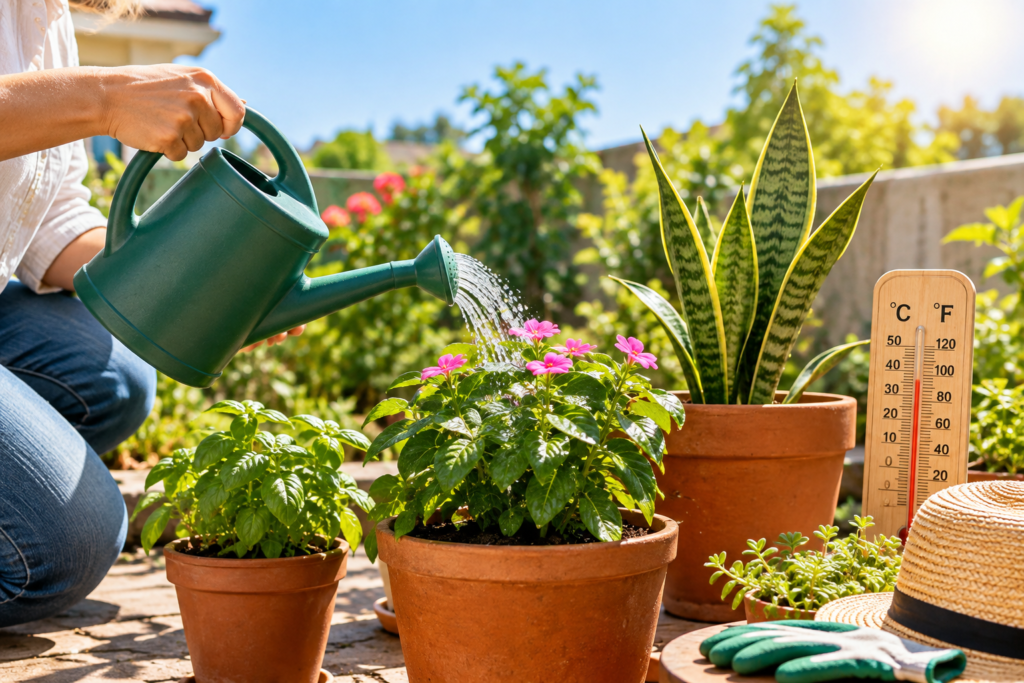
Plants grown in pots can suffer from heat more quickly than plants growing in the ground. Containers have a limited amount of soil, and that soil can become extremely warm when exposed to direct sunlight.
During very hot weather, I check container plants more often. Small pots usually dry out faster than large containers, so they may require more frequent watering.
I also pay attention to the material and color of the pot. Some containers can become very hot when sitting under strong sunlight. Moving them to a cooler location can protect the roots from excessive heat.
Good drainage is still important. A pot should have suitable drainage holes so excess water can escape.
Avoid Fertilizing Stressed Plants
When a plant looks weak during extreme heat, adding extra fertilizer may seem like a good idea. I prefer to be cautious.
Heat stressed plants are already under pressure. Applying strong fertilizer when the plant is struggling can sometimes create additional stress, particularly if the soil is dry.
I focus first on water, shade, and general growing conditions. Once temperatures become more comfortable and the plant begins showing healthy growth again, normal feeding can usually continue according to the plant’s requirements.
This approach also helps me avoid unnecessary fertilizer use.
Improve Air Circulation
Good air circulation is useful for both indoor and outdoor plants during warm weather. Plants placed too close together may have limited airflow, especially when humidity is also high.
I try to avoid overcrowding plants. If leaves are constantly touching each other and the area remains damp, there may be a greater chance of fungal problems.
For indoor plants, opening suitable windows or using gentle air movement can help improve circulation. I avoid directing strong hot air directly at delicate plants.
Outdoor plants generally receive natural airflow, but crowded garden beds can still benefit from proper spacing.
Watch for Signs of Heat Stress
Plants often communicate their problems through their leaves and overall appearance. During hot weather, I regularly look for changes.
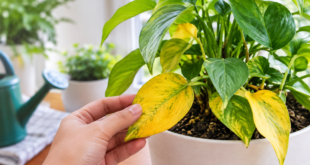
Common signs of heat stress include drooping leaves, curled leaves, dry leaf edges, brown patches, faded flowers, and slow growth. However, these symptoms can have several causes, so I do not immediately assume that heat is the only problem.
For example, drooping leaves can mean the plant needs water, but it can also happen when roots are damaged or the soil is excessively wet.
This is why I check the soil, sunlight, temperature, and general condition of the plant before changing my care routine.
Do Not Overwater a Wilting Plant
A wilted plant can make you want to reach for the watering can immediately. Sometimes that is exactly what the plant needs, but not always.
I first check the soil. If it is dry several centimeters below the surface, watering may be appropriate. If the soil is already wet, adding more water could make the situation worse.
This simple check can prevent one of the most common plant care problems, which is confusing heat stress with a lack of water.
A plant that wilts during the hottest part of the day may recover in the evening when temperatures fall. If it repeatedly wilts or remains damaged, I investigate the growing conditions more carefully.
Keep Indoor Plants Away From Hot Windows
Indoor plants can also experience heat stress. A sunny window can become surprisingly hot, particularly during summer afternoons.
If an indoor plant is showing signs of leaf scorching, I consider moving it slightly away from the glass or using a light curtain to reduce intense sunlight.
This does not mean placing the plant in complete darkness. Most indoor plants still need adequate light. The goal is to provide suitable light without exposing sensitive foliage to excessive heat.
I also keep indoor plants away from direct hot air from air conditioners, heaters, or fans.
Take Care of Newly Planted Plants
Newly planted plants need extra care during hot weather because their root systems may not yet be well established.
Whenever possible, I prefer planting during cooler periods rather than during the hottest part of the day. If I have to plant during warm weather, I give the new plant consistent moisture and protection from excessive sunlight.
A temporary shade structure can be especially helpful for young plants. Once the plant becomes established, it may tolerate more sunlight and heat.
Prune Carefully During Extreme Heat
Pruning can help remove dead or damaged growth, but I avoid heavy pruning during periods of extreme heat unless there is a specific reason to do so.
Leaves provide shade for stems and roots, and removing too much foliage can expose the plant to even more sunlight.
If I need to prune, I usually remove clearly dead, diseased, or badly damaged material and leave healthy foliage in place.
Protect the Roots
Healthy roots are essential for helping plants survive hot weather. When roots remain cool and have access to moisture and oxygen, plants generally have a better chance of handling heat.
Mulch, suitable containers, proper watering, and protection from excessive heat all contribute to healthier roots.
For potted plants, I avoid placing dark containers on surfaces that become extremely hot. When necessary, I move them to a cooler position while still providing enough light for healthy growth.
Check Plants Every Day During Heat Waves
During normal weather, I may not need to inspect every plant every day. During a heat wave, however, daily observation becomes much more useful.
I look at the leaves, feel the soil, check for pests, and observe whether flowers or new growth are developing normally.
Plants can change quickly during very hot weather. A container that had adequate moisture yesterday may be dry today.
Regular observation allows me to respond before a small problem becomes serious.
Final Thoughts
Caring for plants during hot weather is mainly about helping them maintain moisture while protecting them from excessive heat. I have found that simple habits often make the biggest difference.
Watering at the right time, checking the soil before watering, protecting sensitive plants from intense afternoon sunlight, using mulch, monitoring container plants, and watching for signs of heat stress can all improve plant health.
I also believe that every plant should be treated according to its own needs. A cactus, vegetable plant, tropical houseplant, and flowering plant may respond very differently to the same weather conditions.
Instead of following a strict watering schedule, I prefer to observe the plant and its growing environment. When I understand what the plant is showing me, it becomes much easier to provide the right care.
With a little extra attention during hot weather, many plants can continue growing, flowering, and producing healthy new leaves. The key is consistency. Protect the roots, maintain suitable soil moisture, provide the right amount of light, and give stressed plants time to recover.