 snailhas25000teeth
Related Articles
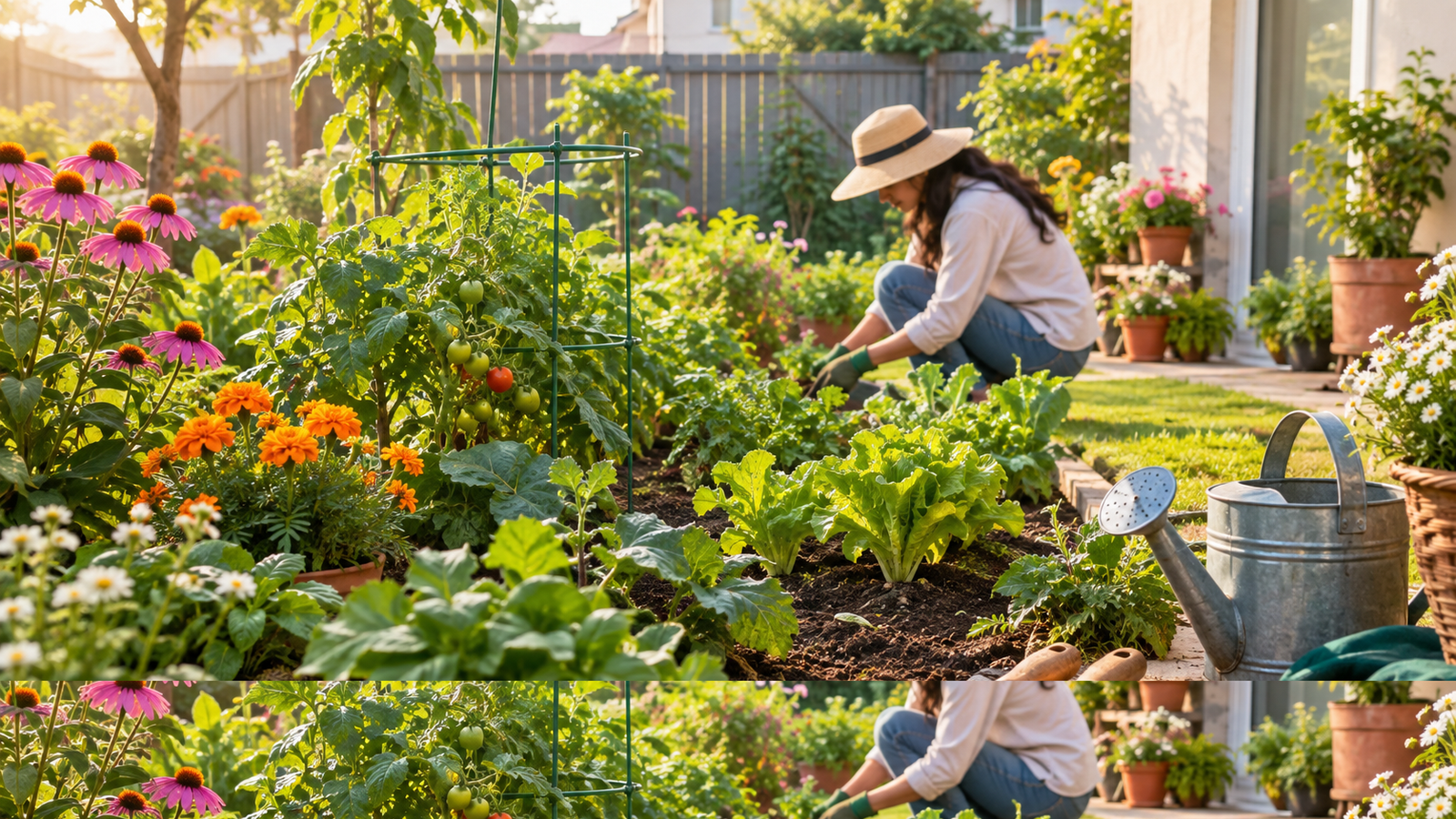
Starting your first garden can feel exciting, but it can also seem confusing when you do not know where to begin. In my opinion, gardening becomes much easier when you start with a simple plan instead of trying to grow too many plants at once. You do not need a large backyard or expensive equipment to enjoy gardening. Even a small outdoor space, balcony, or a few containers can become a healthy and beautiful garden.
In this beginner gardening guide, I will explain how to start your first garden, how to choose the right location, prepare the soil, select beginner friendly plants, water them properly, and take care of your garden as the plants grow.
Choose the Right Location for Your Garden
The first step in starting a garden is choosing a suitable location. Before buying seeds or plants, look around your home and observe how much sunlight different areas receive during the day.
Most vegetables and many flowering plants need several hours of sunlight every day. A location that receives around six hours of direct sunlight can be suitable for many common garden plants. However, some plants prefer partial shade, so it is always useful to check the requirements of each plant.
If you are gardening on a balcony or in a small space, containers can be a great option. You can place pots where they receive enough sunlight and move them when necessary.
I recommend spending a few days observing your chosen area before planting. This simple step can help you understand sunlight, shade, wind, and drainage conditions.
Decide What You Want to Grow
One of the biggest mistakes beginners make is trying to grow too many plants during their first gardening experience. It is better to start small and learn gradually.
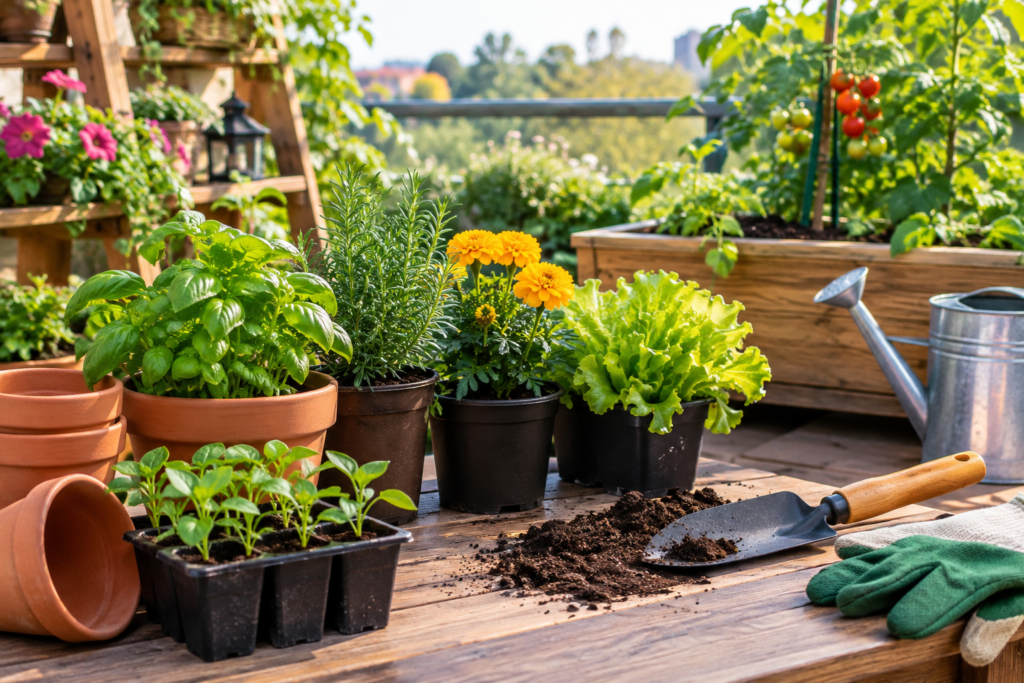
Think about what you actually want from your garden. If you enjoy fresh vegetables, you can start with lettuce, spinach, radishes, tomatoes, chilies, or herbs. If your main goal is to add color to your outdoor space, flowers such as marigolds, petunias, and zinnias can be good choices.
I personally think herbs are especially useful for beginner gardeners because they can grow well in containers and do not always require a large amount of space.
Choose plants that are suitable for your local climate and growing season. A plant that grows successfully in one region may struggle in another because of differences in temperature, sunlight, rainfall, and soil.
Start With Good Soil
Healthy soil is one of the most important parts of successful gardening. Plants depend on soil for water, nutrients, air, and support.
Before planting, check whether your garden soil is loose and drains reasonably well. Very hard soil can make it difficult for roots to spread. Soil that stays wet for a long time can also create problems for many plants.
You can improve garden soil by adding mature compost or other suitable organic matter. Compost can help improve soil structure and provide nutrients for plants.
If you are using containers, choose a quality potting mix instead of simply filling the container with heavy garden soil. Container plants need a growing medium that provides good drainage while still holding enough moisture for healthy roots.
Choose Seeds or Young Plants
As a beginner, you have two basic choices. You can grow plants from seeds or purchase young plants from a nursery or garden center.
Growing from seeds can be inexpensive and rewarding because you can watch the complete development of a plant. However, it requires patience and proper care during the early stages.
Young plants can be easier for beginners because they have already passed the earliest stage of growth. You can transplant them into your garden and focus on maintaining healthy growing conditions.
If you choose seeds, read the instructions on the seed packet carefully. Information about planting depth, spacing, sunlight, watering, and growing season can make a significant difference.
Prepare Your Garden Bed
Once you have selected the location and plants, prepare the area before planting.
Remove large weeds, stones, and unwanted plant material. Loosen compacted soil carefully and mix in compost if necessary. Try not to disturb the soil more than needed.
If you are creating a garden bed, leave enough space between plants. Plants need room for their roots, leaves, and stems to develop. Crowding plants can reduce airflow and may increase the risk of certain plant diseases.
For a small garden, you can also use raised beds or containers. These options can make it easier to control the growing medium and organize your plants.
Learn How to Plant Correctly
Planting correctly gives your garden a strong beginning. Seeds should generally be planted according to the depth recommended on their packet. Planting seeds too deeply can make it difficult for young seedlings to reach the surface.
When transplanting young plants, handle their roots carefully. Dig a hole that is appropriate for the size of the root system, place the plant inside, and gently cover the roots with soil.
After planting, water the area thoroughly but avoid creating standing water.
Spacing is another important consideration. Every plant has different spacing requirements, so follow the instructions provided for the particular vegetable, herb, or flower you are growing.
Water Your Plants Properly
Watering is one of the most important gardening tasks, but more water does not always mean healthier plants.
Beginners sometimes water their garden every day without checking the soil. Instead, I recommend checking the moisture of the soil first. If the upper layer feels dry, the plants may need water, depending on their type and the weather.
Young plants may need more consistent moisture while they become established. Established plants can have different watering requirements based on their species, soil, temperature, and rainfall.
Water the soil around the roots rather than constantly wetting the leaves. Morning watering can be useful because plants have time to absorb moisture before the heat of the day becomes intense.
Always remember that different plants have different water requirements. Succulents, herbs, vegetables, and flowering plants should not all be treated exactly the same way.
Give Plants Enough Sunlight
Sunlight provides the energy plants need for photosynthesis. Without adequate light, many plants may grow slowly, become weak, or produce fewer flowers and fruits.
Before planting, check the sunlight requirements of every plant. Some vegetables require plenty of direct sunlight, while certain ornamental plants can tolerate partial shade.
If your garden is in a balcony or patio, observe how sunlight moves across the space. A location that looks sunny in the morning may become shaded later in the day.
Understanding your garden’s sunlight pattern can help you place each plant in a better position.
Keep Weeds Under Control
Weeds compete with garden plants for water, nutrients, sunlight, and space. Keeping weeds under control is much easier when you deal with them regularly.
Check your garden every few days and remove small weeds before they become large. Pull them carefully from the soil, especially when the ground is slightly moist.
Adding an appropriate layer of organic mulch around plants can also help reduce weed growth and conserve soil moisture. Keep mulch slightly away from the main stem of plants to avoid creating overly damp conditions around the base.
Use Fertilizer Carefully
Plants need nutrients to grow, but using too much fertilizer can cause problems. Beginners should avoid assuming that more fertilizer will automatically produce bigger and healthier plants.
Compost can be a useful starting point for improving soil. If you decide to use commercial fertilizer, read the product instructions and follow the recommended amount.
Different plants also have different nutrient requirements. A leafy vegetable may have different needs from a flowering plant or fruiting vegetable.
It is better to understand what your plants need before adding fertilizer.
Watch for Pests and Plant Problems
Garden pests are a normal part of gardening. You may eventually notice insects feeding on leaves, damaged stems, holes in foliage, or changes in plant color.
The first step is to regularly inspect your plants. Look at the upper and lower surfaces of leaves and check new growth.
Not every insect is harmful, so avoid immediately using strong pesticides whenever you see a bug. Some insects are beneficial and can help your garden.
Good garden hygiene, appropriate watering, adequate spacing, and healthy soil can help plants remain stronger. If you identify a serious pest problem, choose a control method that is appropriate for the specific plant and pest.
Keep a Simple Gardening Routine
A simple routine makes gardening much easier. You do not need to spend hours in your garden every day.
A basic routine can include checking soil moisture, looking for pests, removing weeds, checking plant growth, and removing damaged leaves when appropriate.
I also recommend keeping a small gardening notebook. Write down what you planted, when you planted it, how often you watered it, and how the plants responded.
This information becomes very useful over time because every garden teaches you something new.
Be Patient With Your First Garden
One of the most important gardening tips for beginners is to be patient. Not every seed will germinate, and not every plant will grow perfectly.
Weather can change. Pests can appear. Some plants may grow faster than others. These experiences are normal parts of learning how to garden.
Instead of becoming discouraged by mistakes, use them as lessons. If one plant does not perform well, try to understand why. Maybe it needed more sunlight, better drainage, different soil, or a different planting time.
Gardening is a learning process, and your knowledge will improve with every growing season.
Final Thoughts
Starting your first garden does not have to be complicated. Begin with a small space, choose a few plants that suit your climate, prepare healthy soil, provide enough sunlight, and learn how to water correctly.
In my view, the best beginner garden is not necessarily the biggest or most beautiful one. It is the garden that teaches you something and encourages you to continue.
You can start with a few containers of herbs, several flowering plants, or a small vegetable bed. As you gain confidence, you can gradually add more plants and experiment with different gardening methods.
The most rewarding part of gardening is watching something grow because of the care you provide. With patience, observation, and regular attention, your first garden can become the beginning of a long and enjoyable gardening journey.