 snailhas25000teeth
Related Articles
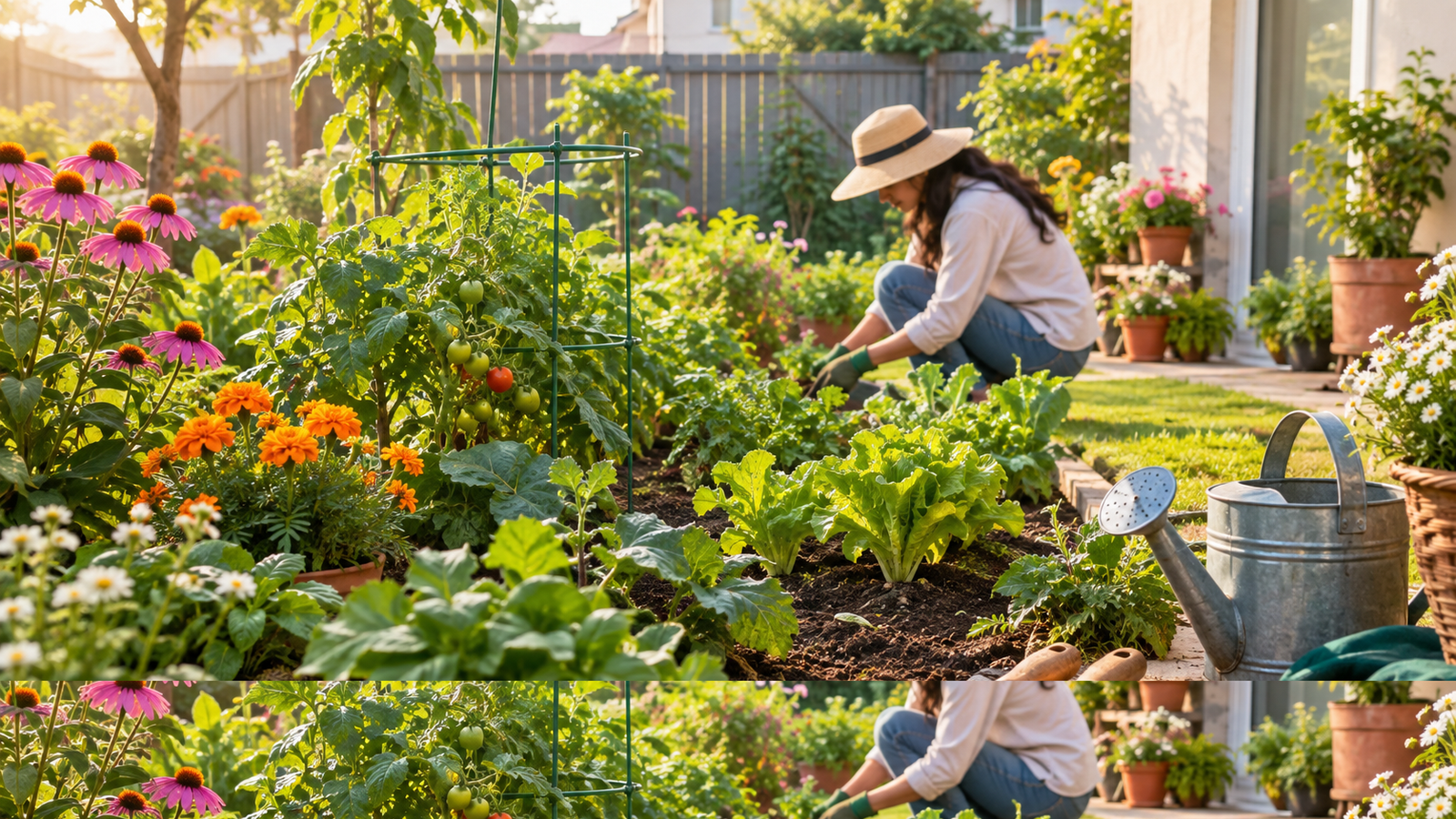
Gardening can look difficult when you see large gardens filled with healthy plants, colorful flowers, vegetables, and beautiful greenery. However, in my experience, gardening becomes much easier when you understand a few basic principles. You do not need expensive equipment or years of experience to start growing plants. You mainly need patience, regular care, and a little knowledge about what your plants need.
If you are starting your first garden, it is better to begin with a small area and a few easy plants. This allows you to understand watering, sunlight, soil, fertilizing, and plant care without feeling overwhelmed. With time, you can add more plants and try different gardening methods.
In this article, I am sharing 10 easy gardening tips for beginners that can help you create a healthier and more enjoyable garden.
1. Start With a Small Garden
One of the biggest mistakes beginners can make is starting too big. When you are new to gardening, it is tempting to plant many flowers, vegetables, and herbs at once. However, a large garden requires more watering, weeding, pruning, and general maintenance.
I recommend starting with a small garden. You can use a few containers, a small piece of land, or even a balcony. Once you become comfortable with basic plant care, you can slowly expand your garden.
Starting small also gives you the opportunity to learn from mistakes. Some plants may not grow as expected, and that is completely normal. Gardening is a learning process.
2. Choose Plants That Suit Your Area
Not every plant grows well in every location. Temperature, sunlight, humidity, soil type, and seasonal changes can affect plant growth.
Before buying seeds or plants, check whether they are suitable for your local climate. Beginners should preferably choose plants that are known to grow easily in their region.
Herbs such as mint and basil can be good choices in suitable conditions. Many common flowers and vegetables are also relatively easy to grow when planted during the correct season.
I believe choosing the right plant is one of the easiest ways to make gardening successful. If a plant naturally suits your environment, you usually have fewer problems caring for it.
3. Understand How Much Sunlight Plants Need
Sunlight is one of the most important requirements for healthy plant growth. However, different plants need different amounts of sunlight.
Some plants grow best under several hours of direct sunlight, while others prefer partial shade. Before planting anything, check its sunlight requirements.
Spend some time observing your garden. Notice which areas receive direct sunlight during the morning and afternoon. You may find that one part of your garden gets strong sunlight while another remains shaded.
Place plants according to their needs rather than simply putting them wherever there is empty space. This simple gardening tip can make a noticeable difference in plant growth.
4. Learn to Water Your Plants Properly
Watering sounds simple, but it is one of the areas where beginners often make mistakes. Some people water their plants too frequently, while others do not provide enough water.
The correct watering schedule depends on the plant, weather, soil, container size, and growing conditions. Instead of following a strict daily schedule, check the soil first.
Push your finger slightly into the soil. If the upper layer feels dry, the plant may need water. If the soil is still damp, you may not need to water it immediately.
When watering, try to provide enough water to reach the roots. Avoid constantly keeping the soil completely wet because excessive moisture can cause root problems.
In hot weather, plants may require more frequent watering. During cooler or rainy periods, they may need less.
5. Use Good Quality Soil
Healthy soil gives plants a strong foundation. It provides support for roots and helps supply water and nutrients.
Before planting, make sure the soil is suitable for the type of plant you are growing. Garden soil that is hard and compacted may not provide the best environment for roots.
Adding organic matter such as compost can improve soil structure and help provide nutrients. Compost can also support beneficial soil organisms.
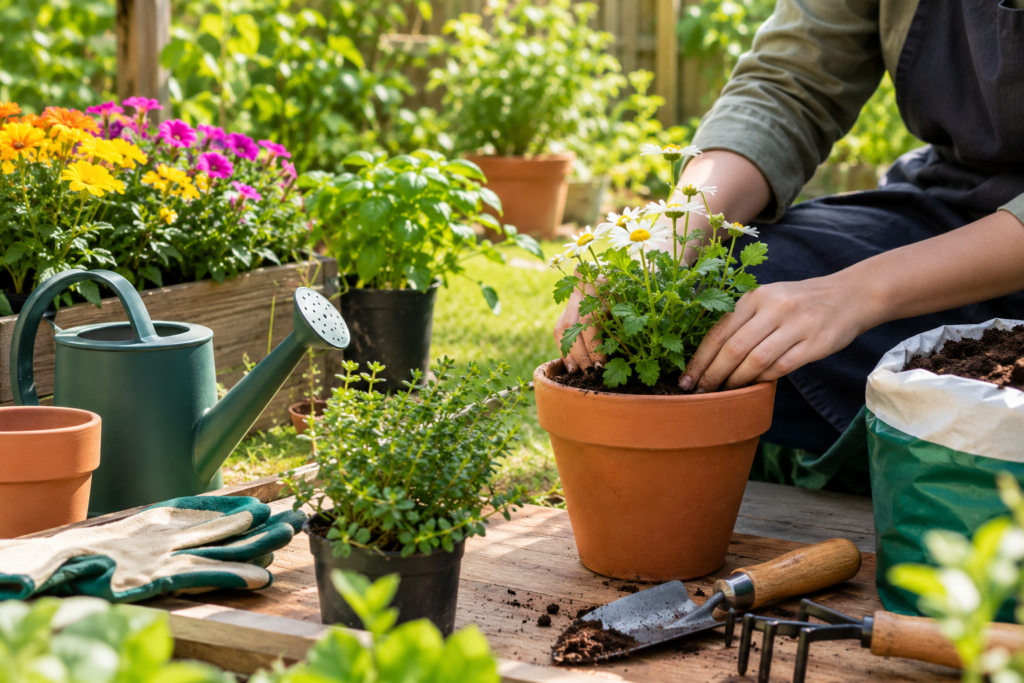
For container gardening, I recommend using a suitable potting mix rather than simply filling containers with heavy garden soil. Good drainage is especially important in pots.
Remember that healthy roots usually lead to healthier plants, so soil should never be ignored.
6. Do Not Overuse Fertilizer
Plants need nutrients to grow, but more fertilizer does not necessarily mean faster or healthier growth. Using too much fertilizer can actually damage plants.
Beginners should always follow the instructions provided with a fertilizer product. If you are using compost or other organic material, apply it appropriately rather than adding large amounts.
Different plants also have different nutrient requirements. A flowering plant may have different needs from a leafy vegetable or herb.
I prefer keeping fertilizing simple when starting a garden. Focus first on good soil, proper sunlight, and correct watering. Once you understand your plants better, you can learn more about specific fertilizers and nutrient requirements.
7. Give Plants Enough Space
Plants need room for their roots, stems, and leaves to develop. Planting everything too close together may create problems as the plants become larger.
Crowded plants may have less access to sunlight and air circulation. They can also compete with each other for water and nutrients.
Always check the recommended spacing before planting seeds or seedlings. Even if the plants look small at first, remember that they will grow.
This is particularly important when growing vegetables. A small seedling can eventually become a large plant.
Giving plants enough space is a simple gardening habit that can improve the appearance and health of your garden.
8. Remove Weeds Regularly
Weeds can compete with garden plants for sunlight, water, nutrients, and growing space. If weeds are left unattended, they can quickly become difficult to control.
I recommend checking the garden regularly and removing small weeds before they become large. Pull them carefully so you remove as much of the root as possible.
Avoid allowing weeds to completely cover the soil around your plants. A clean garden area makes it easier to monitor plant health as well.
You can also use suitable organic mulch around plants to help reduce weed growth and maintain soil moisture. However, mulch should be used properly and should not be piled directly against plant stems.
9. Check Your Plants Regularly
You do not need to spend hours in the garden every day. A few minutes of regular observation can help you notice problems early.
Look at the leaves, stems, flowers, and soil. Check whether leaves are changing color, wilting, developing spots, or showing signs of insect activity.
Early detection can make plant problems easier to manage. For example, if you notice a few insects on a plant, you can investigate the problem before it becomes widespread.
Regular observation also helps you understand your plants. Over time, you will begin to recognize what healthy growth looks like.
For me, this is one of the most enjoyable parts of gardening because you get to see small changes from day to day.
10. Be Patient and Learn From Mistakes
The final tip is perhaps the most important one. Gardening requires patience.
Seeds do not become large plants overnight, and some plants naturally grow faster than others. Weather conditions can also affect growth.
You will probably lose a plant at some point. A seed may not germinate, a plant may receive too much water, or insects may damage your vegetables. These things happen even to experienced gardeners.
Instead of becoming discouraged, try to understand what went wrong. Think about the amount of sunlight, watering, soil, temperature, and care the plant received.
Every mistake can teach you something useful. The more you garden, the better you become at understanding what your plants need.
Easy Gardening Routine for Beginners
If you are unsure where to begin, keep your gardening routine simple. Spend a few minutes checking your plants and soil. Water only when necessary, remove weeds, look for insects, and remove damaged leaves when appropriate.
Once a week, take a closer look at the overall condition of your garden. Check whether plants have enough space and sunlight. You can also add compost or fertilizer when needed according to the requirements of your plants.
Keeping a simple routine is much better than doing too much work for a few days and then ignoring the garden for several week