 snailhas25000teeth
Related Articles
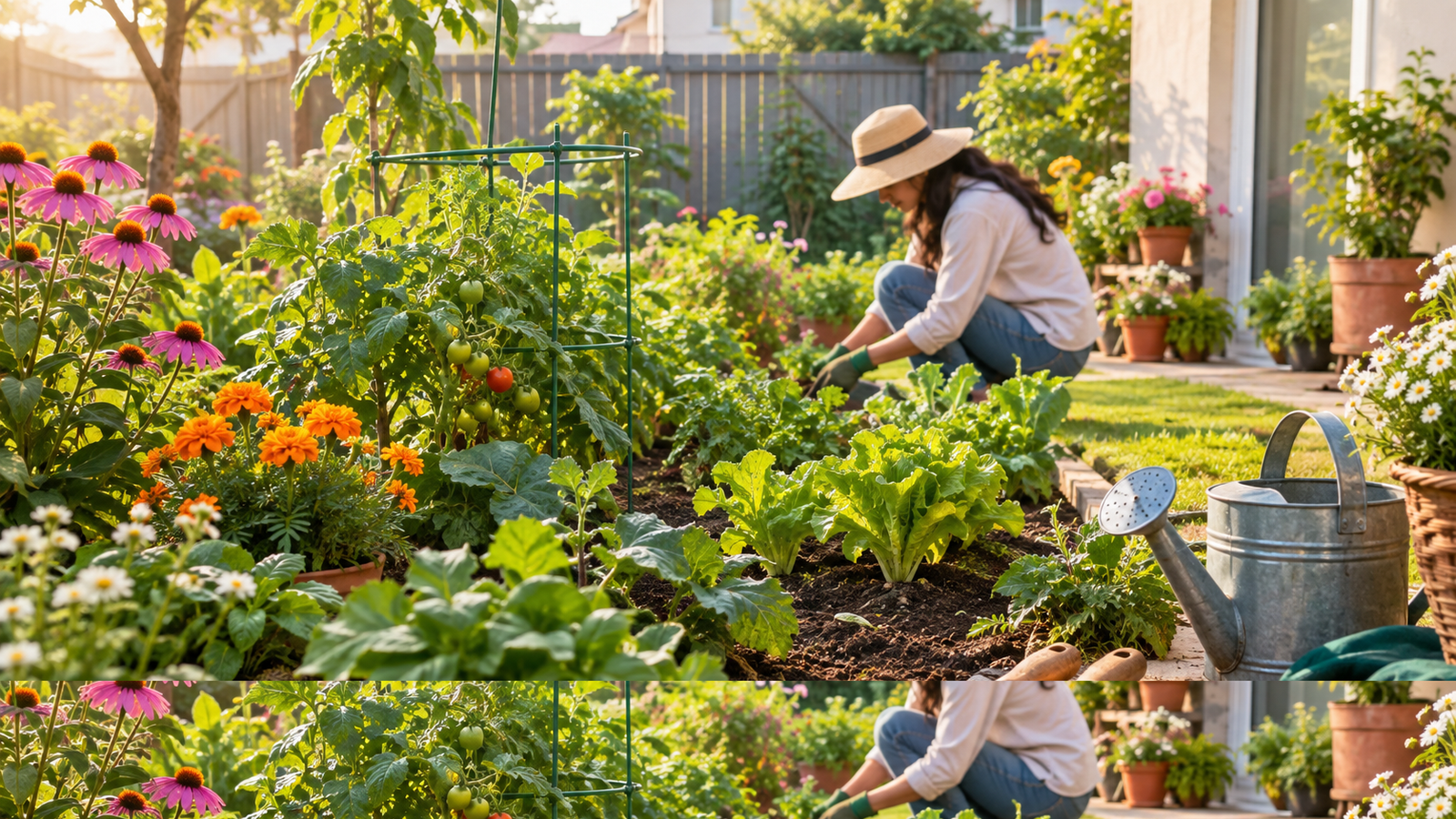
Starting a garden can be an exciting experience, especially when you see your first plants growing and producing new leaves, flowers, or vegetables. However, having the right gardening tools can make the entire process much easier. In my experience, beginners often think they need a large collection of expensive equipment, but that is not really necessary. A few basic and useful gardening tools are enough to get started.
The best gardening tools for beginners are simple, comfortable to use, and suitable for the type of garden you want to create. Whether you are planning a small balcony garden, a vegetable garden, a flower bed, or a few plants around your home, choosing the right tools can save time and effort.
In this guide, I will explain the essential gardening tools every beginner needs, what each tool is used for, and how to choose tools that are practical for everyday gardening.
1. Gardening Gloves
Gardening gloves are one of the first things I recommend to anyone starting a garden. They protect your hands from dirt, small stones, thorns, sharp plant stems, and minor scratches.
A good pair of gardening gloves should fit comfortably without being too tight. Breathable gloves are useful during warm weather because they help reduce sweating. If you are working with roses or thorny plants, stronger gloves with additional protection can be helpful.
I also recommend keeping your gloves clean and dry after gardening. This can help them last longer and keep your hands more comfortable.
2. Hand Trowel
A hand trowel is one of the most useful gardening tools for beginners. It is a small tool with a pointed or rounded metal blade and a handle.
You can use a hand trowel for planting flowers, herbs, and small vegetables. It is also useful for digging small holes, moving soil, and transplanting young plants.
When buying a hand trowel, I would look for a strong metal blade and a comfortable handle. A tool that feels good in your hand is much easier to use when you are working for a longer period.
3. Garden Fork
A small garden fork is another useful tool for basic gardening work. Its pointed metal teeth make it useful for loosening compact soil and removing small weeds.
I find a garden fork especially helpful when preparing soil before planting. It can break up hard areas and help improve the texture of the soil.
A garden fork can also be used to mix compost into the soil. For small gardens, a hand sized fork is usually enough.
4. Pruning Shears
Pruning shears, also called hand pruners, are designed for cutting small branches, stems, and dead plant growth.
Regular pruning can help many plants maintain a healthy shape. Removing dead or damaged parts can also make the plant look cleaner and encourage healthy new growth.
When choosing pruning shears, make sure they open and close smoothly. Sharp blades are important because they can make cleaner cuts than dull blades.
After using pruning shears, I recommend wiping the blades and storing them somewhere dry. Proper care can help prevent rust and keep the blades working well.
5. Watering Can
Water is essential for every garden, so a watering can is one of the most basic gardening tools you can own.
A watering can gives you better control over how much water reaches your plants. This is especially useful for seedlings and plants growing in containers.
Choose a size that you can comfortably carry when it is full. A watering can with a long spout can make it easier to reach plants without damaging their leaves.
One important lesson I have learned is that watering more does not always mean healthier plants. Different plants have different water requirements, so it is better to understand the needs of your plants before creating a watering routine.
6. Garden Hose
If you have a larger garden, a garden hose can be more practical than a watering can. It allows you to cover a larger area and makes watering easier.
A hose with an adjustable spray nozzle can be particularly useful because you can change the water flow depending on the plant. A gentle spray is better for delicate seedlings, while a stronger flow can be useful for cleaning outdoor areas.
I recommend storing the hose properly after use. Leaving it tangled in the garden can create unnecessary problems and may reduce its lifespan.
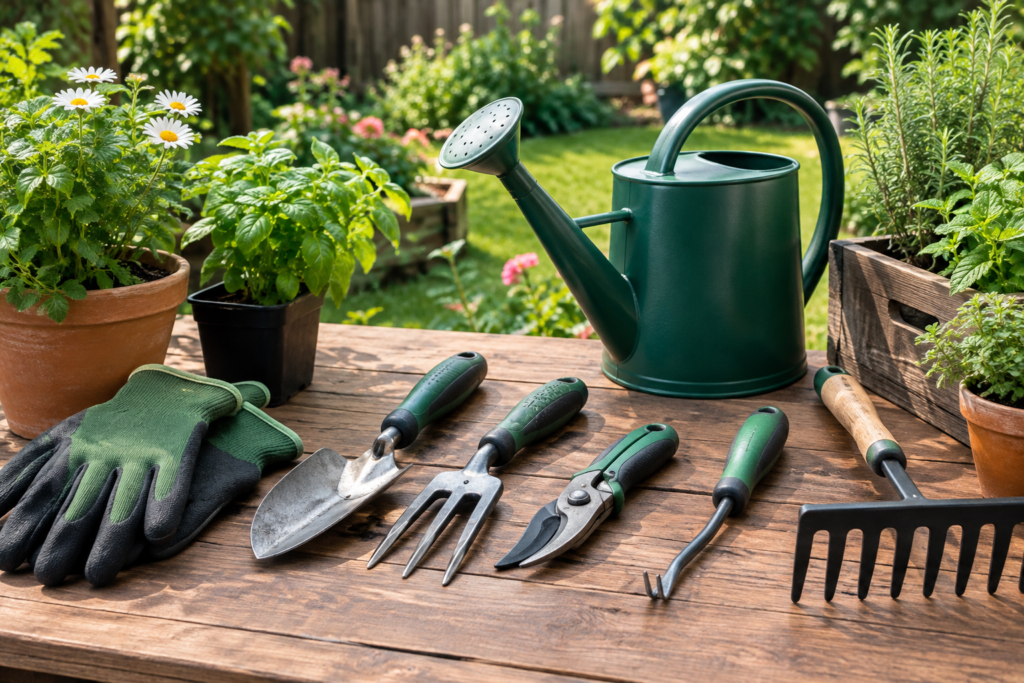
7. Garden Rake
A garden rake is useful for collecting leaves, grass, and other garden debris. It can also help spread soil and level certain areas.
There are different types of rakes, so beginners should choose one according to the size of their garden. A lightweight rake is usually easier to handle for general garden cleanup.
Keeping the garden area free from excessive fallen leaves and debris can make it easier to notice weeds, pests, or plant problems.
8. Hand Weeder
Weeds can compete with garden plants for water, nutrients, light, and space. A hand weeder can make removing unwanted plants much easier.
Some weeds can be pulled out by hand, but a weeding tool can help loosen the soil around deeper roots.
I prefer removing weeds when the soil is slightly moist because the roots can often come out more easily. It is also better to remove weeds before they become large and produce seeds.
9. Garden Spade
A garden spade is useful for digging, moving soil, creating planting holes, and dividing certain plants.
It has a flat or slightly curved blade and a long handle. A sturdy spade can be useful for larger gardening jobs that would be difficult with a small hand trowel.
For beginners, I suggest choosing a spade that is strong but not unnecessarily heavy. The right weight depends on your strength and the type of soil in your garden.
10. Garden Shovel
A garden shovel is similar to a spade but is generally designed for moving loose materials such as soil, compost, and mulch.
If you are creating a new garden bed, you may need to move a considerable amount of soil or compost. A shovel can make this job much faster.
For small gardens, you may not need a large shovel immediately. However, it can become a valuable tool as your gardening activities grow.
11. Wheelbarrow
A wheelbarrow is not essential for every beginner, especially if you have a small balcony or container garden. However, it can be extremely useful for larger outdoor gardens.
You can use it to transport soil, compost, mulch, leaves, gardening tools, and plant materials.
If you have enough space and expect to do regular gardening work, a wheelbarrow can save a lot of physical effort.
12. Garden Kneeler
Gardening often involves bending, kneeling, and working close to the ground. A garden kneeler can make these activities more comfortable.
This tool is particularly useful when planting flowers, removing weeds, or working with small plants.
Some garden kneelers can also be turned over and used as a small seat. For beginners who spend a lot of time working at ground level, this can be a practical addition.
13. Measuring Tools
A simple measuring tape or ruler can be surprisingly useful in gardening. Plants need enough space to grow properly, and planting them too close together can create problems later.
Before planting vegetables or flowers, check the recommended spacing for each plant. Measuring the distance between plants can help you create a more organized garden.
I also find measuring tools useful when planning raised beds and container arrangements.
14. Soil Moisture Meter
A soil moisture meter is not necessary for every gardener, but it can be helpful for beginners who are unsure when to water their plants.
The tool measures moisture levels in the soil and can give you an idea of whether the soil is dry or still contains enough moisture.
However, I would not rely completely on a moisture meter. Learning to check the soil with your fingers is also a useful gardening skill. Over time, you can become familiar with how moist or dry healthy soil should feel.
How to Choose Gardening Tools as a Beginner
When buying gardening tools, I recommend starting with the basics instead of purchasing everything at once. Your garden will help you understand which tools you actually need.
For a small garden, a good starting set could include gardening gloves, a hand trowel, pruning shears, a hand fork, a watering can, and a weeding tool.
If you have a larger garden, you may eventually need a spade, shovel, rake, garden hose, and wheelbarrow.
Quality is also important. You do not always need the most expensive tools, but extremely cheap tools may break quickly. Look for strong materials, comfortable handles, and tools that are appropriate for the work you plan to do.
How to Take Care of Gardening Tools
Taking care of your gardening tools can help them last for many years. After using a tool, remove soil and plant material from it. Clean and dry metal parts before storing them.
Pruning shears should be kept sharp and clean. Wooden handles should be protected from excessive moisture, while metal tools should be stored in a dry place to reduce the chance of rust.
I also recommend keeping your gardening tools together in one place. A simple storage box, shelf, or garden tool organizer can prevent tools from getting lost.
Final Thoughts
Having the right gardening tools can make gardening more enjoyable and less stressful. The good news is that beginners do not need a huge collection of equipment. A few essential gardening tools can handle most basic tasks.
I would suggest starting with gardening gloves, a hand trowel, pruning shears, a garden fork, a watering can, and a hand weeder. As your garden becomes larger or your gardening skills improve, you can add tools such as a rake, spade, shovel, hose, and wheelbarrow.
The most important thing is to choose tools that match your garden and your needs. Good tools are not just about convenience. They can also help you work more safely, care for your plants properly, and enjoy the gardening process.
In my view, gardening is much easier when you have simple tools that you know how to use. Instead of buying everything at the beginning, start small, learn what your plants need, and gradually build your collection. This approach can save money while helping you become a more confident gardener.