 snailhas25000teeth
Related Articles
Starting a vegetable garden can feel difficult when you have never grown anything before. I used to think that gardening required a large backyard, expensive tools, and a lot of experience. However, I have learned that growing vegetables can actually be quite simple when you choose the right plants.
Some vegetables grow quickly, need very little attention, and can handle small mistakes. These are the vegetables I recommend to anyone who is starting a home garden for the first time.
In this article, I will share 10 easy vegetables to grow for beginners. These vegetables are suitable for gardens, raised beds, containers, balconies, and other small growing spaces. With good soil, enough sunlight, regular watering, and a little patience, you can enjoy fresh vegetables from your own garden.
1. Radishes
Radishes are one of the easiest vegetables for beginners. They grow quickly and usually do not require complicated care. If you want to see results soon, radishes are an excellent vegetable to start with.
Radishes prefer loose and well drained soil because the edible root grows underground. I recommend choosing a sunny location and keeping the soil slightly moist. Seeds can be planted directly into the soil, which makes the process even easier.
One of the best things about growing radishes is their fast growth. Depending on the variety and growing conditions, you may be able to harvest them within a few weeks.
2. Lettuce
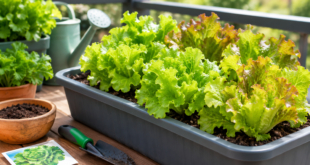
Lettuce is another excellent choice for a beginner vegetable garden. It does not require a huge amount of space and can easily be grown in containers.
I like lettuce because you can harvest the leaves gradually instead of removing the entire plant at once. This allows you to enjoy fresh leaves for salads and sandwiches while the plant continues producing.
Lettuce generally prefers cooler conditions and some protection from intense afternoon heat. Keep the soil consistently moist, but avoid keeping it waterlogged.
If you have a small balcony or patio, lettuce is one of the easiest vegetables to grow in pots.
3. Green Beans
Green beans are productive plants that can give beginners a satisfying gardening experience. They can grow from seeds and usually develop quickly when conditions are suitable.
There are different types of green beans. Bush varieties are compact and are often easier for container gardening. Climbing varieties need support, but they can produce a large harvest from a relatively small area.
I recommend planting green beans in a sunny location with fertile soil. Water them regularly and provide support if you are growing a climbing variety.
Fresh beans picked directly from the garden can taste much better than beans that have been stored for a long time.
4. Cucumbers
Cucumbers are a popular choice for home vegetable gardens because they can produce a good amount of food from a few plants.
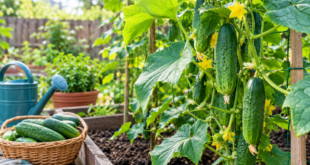
They prefer warm weather, sunlight, and regular moisture. If you have limited space, you can grow cucumber plants vertically by giving the vines a suitable support.
One thing I learned about cucumbers is that regular harvesting encourages the plant to keep producing. Try not to leave mature cucumbers on the plant for too long because they can become large and less enjoyable to eat.
Cucumbers are especially useful for beginners who want a vegetable that provides a visible and rewarding harvest.
5. Tomatoes
Tomatoes are probably one of the first vegetables many people think about when they imagine a home garden. Technically, tomatoes are fruits, but they are commonly grown and used as vegetables.
They can be grown in garden beds or containers. Cherry tomatoes are particularly suitable for beginners because many varieties grow well in pots and can produce plenty of fruit.
Tomatoes need plenty of sunlight and regular watering. They may also need support as the plant becomes larger.
For me, one of the most enjoyable parts of gardening is picking a ripe tomato directly from the plant. The experience makes the effort of growing your own food feel worthwhile.
6. Carrots
Carrots may look complicated because the edible part grows underground, but they can actually be quite easy to grow if the soil is prepared properly.
The most important thing is loose soil. Hard or rocky soil can make it difficult for carrots to develop straight roots. If you are growing them in containers, choose a container that is deep enough for the variety you are planting.
Carrots prefer a sunny location and regular moisture. You can plant seeds directly where you want the carrots to grow.
Harvesting carrots is also fun because you cannot always see the full root developing underground. Pulling one from the soil and discovering its size can be a rewarding part of the gardening experience.
7. Spinach
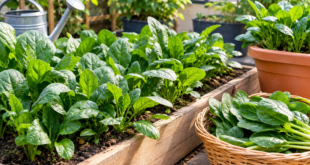
Spinach is a great vegetable for people who want to grow leafy greens at home. It does not require a lot of space and can be grown in containers.
Spinach generally prefers cooler weather. In warmer conditions, it may grow quickly and produce flowers before you get the type of leaves you want. For this reason, timing your planting according to your local weather can make a big difference.
Keep the soil moist and harvest young leaves when they reach a useful size. Regular harvesting can encourage continued production.
Fresh spinach can be used in salads, cooked dishes, sandwiches, and smoothies, making it a practical vegetable to grow at home.
8. Green Onions
Green onions are among the simplest vegetables to grow. They take up little space and can be grown in containers, garden beds, or even small balcony planters.
They prefer sunlight and reasonably fertile soil. Water them when the soil begins to dry, but avoid excessive watering.
Green onions are useful because you can harvest the green tops while allowing the plant to continue growing in many cases. Their mild flavor makes them useful in salads, soups, rice dishes, eggs, and many other meals.
If you are completely new to gardening, green onions are a good way to build confidence.
9. Zucchini
Zucchini is known for being a productive garden vegetable. A small number of healthy plants can sometimes produce more zucchini than a beginner expects.
The plants need space because their leaves can become quite large. They also prefer plenty of sunlight and consistent watering.
When growing zucchini, check the plant regularly for developing vegetables. Young zucchini can be harvested when they are still tender.
I recommend zucchini to beginners who have enough garden space and want a vegetable that can provide a substantial harvest during the growing season.
10. Bell Peppers
Bell peppers can be a little slower than some of the vegetables on this list, but they are still a good choice for beginner gardeners.
They prefer warm weather, plenty of sunlight, and fertile soil. They can also be grown in containers if the container is large enough for the plant.
Regular watering is important, especially during hot weather. However, the soil should have good drainage so the roots are not sitting in excess water.
One of the satisfying things about growing peppers is watching the fruit change as it matures. Depending on the variety, peppers may turn from green to other colors when fully ripe.
Tips for Growing Vegetables Successfully
Choosing easy vegetables is only part of successful gardening. Your growing conditions also matter. Before planting, I recommend paying attention to a few basic things.
Choose a Sunny Location
Most vegetables need several hours of sunlight every day. Look around your garden, balcony, or patio and identify the area that receives the most direct sunlight.
If you are growing leafy vegetables such as lettuce and spinach, they may tolerate slightly less sunlight than tomatoes and peppers.
Use Good Soil
Healthy soil gives plants a strong foundation. Vegetable plants need soil that provides nutrients while allowing excess water to drain away.
If your existing soil is poor, adding suitable organic matter can improve its structure. For container gardening, use a quality growing mix that is suitable for vegetables.
Do Not Overwater
One of the most common mistakes beginners make is watering too much. More water does not always mean healthier plants.
Before watering, check the soil. If the surface is already wet, you may not need to add more water. The goal is to provide consistent moisture without leaving the roots constantly saturated.
Start With a Few Vegetables
I recommend resisting the temptation to grow everything at once. Starting with three or four easy vegetables can make gardening much more manageable.
Once you understand how your plants respond to sunlight, water, soil, and weather, you can gradually add more varieties.
Check Your Plants Regularly
You do not need to spend hours in the garden every day. A quick inspection can help you notice problems before they become serious.
Look at the leaves, stems, soil, and developing vegetables. If you notice damaged leaves, unusual spots, or insects, investigate the cause and take appropriate action early.
Can You Grow Vegetables in Containers?
Absolutely. Container gardening is one of the best options for beginners who do not have a large garden.
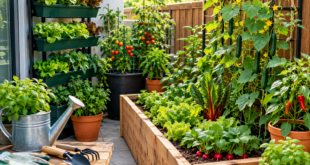
Lettuce, radishes, green onions, carrots, spinach, tomatoes, peppers, and many herbs can grow successfully in suitable containers. The important thing is choosing a container with enough space and drainage.
Place containers where plants receive the amount of sunlight they need. Remember that containers can dry out faster than garden soil, especially during hot weather, so check them regularly.
Final Thoughts
Growing your own vegetables does not have to be complicated. In my experience, the best way to learn gardening is to start small and learn from each growing season.
Radishes, lettuce, green beans, cucumbers, tomatoes, carrots, spinach, green onions, zucchini, and bell peppers are all useful options for beginners. Each vegetable has slightly different needs, but none requires you to become an expert before you begin.
The most important thing is to give your plants suitable soil, enough sunlight, regular moisture, and some attention. Do not worry if everything does not work perfectly on your first attempt. Gardening is a learning process, and even a small harvest can teach you something valuable.
If you are planning your first vegetable garden, choose a few vegetables from this list and give them a try. Watching a tiny seed develop into something you can actually eat is one of the most rewarding parts of growing food at home.
With patience and regular care, your beginner vegetable garden can become a healthy and enjoyable part of your home.