 snailhas25000teeth
Related Articles
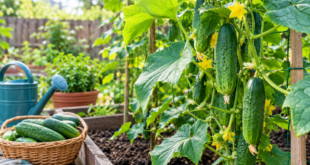
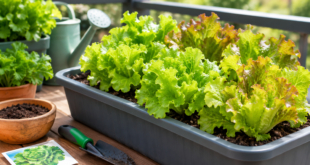
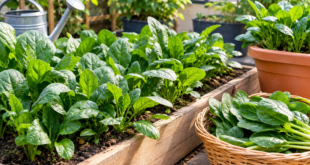
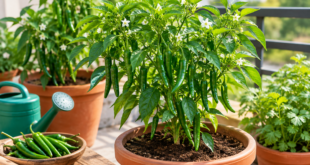
Having a small outdoor space does not mean you have to give up on growing fresh vegetables. In my experience, a productive vegetable garden is more about planning and using available space wisely than having a large piece of land. Even a balcony, small backyard, rooftop, patio, or narrow corner can become a useful garden when you choose the right vegetables and organize everything properly.
A small space vegetable garden can provide fresh food, make your home look greener, and give you the satisfaction of growing something yourself. The key is to avoid overcrowding, understand how much sunlight your plants need, and make every part of your available space useful.
In this article, I will share practical ideas on how to create a productive vegetable garden in a small space, including choosing vegetables, containers, soil, watering, vertical gardening, and simple maintenance techniques.
Start by Understanding Your Available Space
Before buying seeds or containers, I recommend looking carefully at the space you have. You do not need to start planting immediately. Spend a little time observing the area during the day.
The most important thing to check is sunlight. Most vegetables grow best when they receive around six or more hours of direct sunlight each day. However, some leafy vegetables can tolerate less sunlight.
Look at whether your space receives morning sun, afternoon sun, or sunlight throughout the day. Also check whether nearby walls, trees, buildings, or fences create shade.
Once you understand your space, decide how much of it you actually want to use for gardening. Leaving enough room to walk around and care for your plants will make the garden much easier to manage.
Choose Vegetables That Suit Small Gardens
One of the biggest mistakes beginners make is trying to grow too many large plants in a small area. Instead, choose vegetables that produce well without requiring excessive space.
Some excellent vegetables for small gardens include lettuce, spinach, radishes, carrots, green onions, coriander, green chilies, tomatoes, bush beans, cucumbers, and herbs.
Leafy vegetables are especially useful because they can be harvested repeatedly. Lettuce and spinach can provide several harvests when you pick the outer leaves carefully.
Radishes are another good option because they grow quickly and do not need deep containers. Green onions and herbs can also grow successfully in relatively small pots.
For larger vegetables such as tomatoes and cucumbers, look for compact varieties whenever possible. These varieties are easier to manage in containers and limited spaces.
Use Containers to Save Space
Container gardening is one of my favorite solutions for a small vegetable garden. Containers allow you to grow plants almost anywhere, and you can move them whenever necessary.
You can use traditional pots, wooden boxes, grow bags, buckets designed for gardening, or other suitable food safe containers. Whatever you choose, make sure there are drainage holes at the bottom.
Poor drainage can cause water to remain around the roots, which may lead to root problems. Good drainage is just as important as regular watering.
The size of the container should match the plant. Lettuce and herbs can grow in relatively shallow containers, while tomatoes and cucumbers usually need larger containers that provide enough room for their roots.
Another advantage of containers is that you can arrange them according to the amount of sunlight available. If one area becomes too hot or shaded, you may be able to move certain plants.
Make Use of Vertical Space
When floor space is limited, look upward. Vertical gardening can dramatically increase the amount of growing space available.
Cucumbers, climbing beans, peas, and some tomato varieties can be trained to grow vertically using a strong trellis or support.
Instead of allowing a cucumber plant to spread across the ground, I prefer giving it a structure to climb. This keeps the garden more organized and makes harvesting easier.
You can also use shelves or plant stands for smaller pots. Wall mounted planters can work well for herbs and leafy vegetables, provided the wall receives enough sunlight and the structure is secure.
The important thing is to make sure heavy containers are properly supported. Safety should always come before saving space.
Create a Simple Planting Plan
A little planning can make a huge difference. Before planting, draw a simple layout of your garden. You do not need professional gardening software. A piece of paper is enough.
Mark where the containers, raised beds, pathways, and vertical supports will go.
Place taller plants where they are less likely to block sunlight from shorter plants. If you grow tomatoes beside lettuce, for example, the tomato plant can eventually cast shade over the lettuce.
You can also group plants according to their water and sunlight requirements. This makes everyday maintenance easier.
I find that a simple garden plan also prevents impulse planting. When you know exactly how much space you have, you are less likely to buy more plants than you can comfortably manage.
Choose Good Quality Soil
Healthy soil is the foundation of a productive vegetable garden. Plants need a growing medium that provides nutrients, holds enough moisture, and still drains properly.
For container gardening, use a good quality potting mix rather than relying only on ordinary garden soil. Garden soil can become heavy and compacted inside containers.
Adding mature compost can help improve the growing medium and provide organic matter. If you make your own compost, make sure it is properly decomposed before using it around vegetables.
Good soil supports stronger roots, and healthy roots generally lead to healthier plants.
Practice Succession Planting
One of the best ways to make a small garden productive is to avoid leaving empty space for long periods.
Succession planting means planting another crop after an earlier crop has been harvested. For example, once you harvest radishes, you can plant another quick growing vegetable in the same container if the season and conditions are suitable.
You can also stagger your planting dates. Instead of planting all your lettuce seeds at once, plant a small amount every couple of weeks. This can provide a more continuous supply of fresh leaves rather than having everything ready at the same time.
This technique is particularly useful when working with limited space because every container can produce more than one crop during a suitable growing season.
Grow Vegetables Together Carefully
Companion planting can be useful, but I believe the most important consideration in a small garden is simply giving every plant enough room.
You can grow compatible plants together when their requirements are similar. For example, herbs and leafy vegetables can sometimes share larger containers if they have adequate space.
Avoid packing plants too closely together just because the containers look empty at first. Plants become much larger as they mature.
Good spacing improves airflow and gives plants better access to sunlight. It also makes it easier for you to inspect leaves and harvest vegetables.
Water Your Garden Correctly
Small containers can dry out faster than plants growing in the ground. This means watering requires regular attention.
However, watering too frequently can be just as problematic as allowing plants to become extremely dry.
I prefer checking the soil before watering instead of following a strict schedule every day. Push your finger slightly into the soil and check whether it feels dry.
Water deeply enough to reach the root zone, but make sure excess water can drain away.
During hot weather, containers may need more frequent watering. Morning is generally a convenient time because plants can access moisture during the warmer part of the day.
Feed Plants When Necessary
Vegetables growing in containers have limited access to nutrients because their roots cannot explore a large area of soil.
Adding compost and using a suitable vegetable fertilizer when needed can help maintain plant growth. Always follow the instructions provided with any fertilizer product.
Do not assume that more fertilizer means better growth. Excess fertilizer can damage plants and create unnecessary problems.
Watch your plants for signs of nutrient deficiencies, weak growth, or pale leaves, but remember that these symptoms can have several causes.
Protect Your Garden From Pests
Even a small vegetable garden can attract insects. Regular observation is one of the easiest ways to prevent minor problems from becoming serious.
Check the underside of leaves, stems, and new growth regularly. Look for holes, discoloration, insects, or unusual marks.
Removing damaged leaves and dealing with pests early can save a plant from significant damage.
Keeping the garden clean also helps. Remove dead leaves and harvested plant material when appropriate, and avoid allowing weeds to compete with your vegetables.
Harvest Regularly
Harvesting is one of the most enjoyable parts of vegetable gardening, but it also helps keep a productive garden productive.
Many vegetables benefit from regular harvesting because it encourages the plant to continue producing. Herbs can be trimmed regularly, leafy greens can be harvested from the outside, and beans should generally be picked while they are young and tender.
Do not wait until every vegetable becomes oversized. Fresh vegetables are often at their best when harvested at the right stage.
Regular harvesting also gives you an opportunity to inspect plants and notice problems early.
Keep Your Small Garden Simple
A productive vegetable garden does not have to become complicated. In fact, I believe simple gardens are often easier to maintain and enjoy.
Start with a few vegetables that you actually like eating. Learn how they grow, understand their watering needs, and pay attention to how much sunlight they receive.
Once you become comfortable, gradually add more plants.
It is better to successfully grow five useful vegetables than to plant twenty different varieties and struggle to maintain them.
Final Thoughts
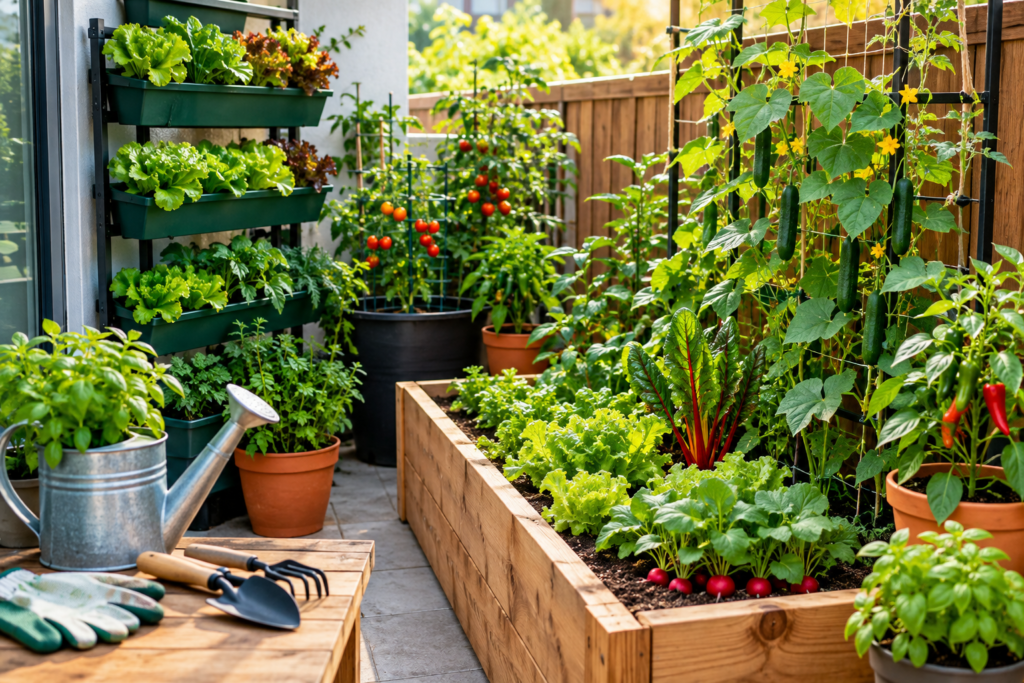
Creating a productive vegetable garden in a small space is completely possible with thoughtful planning. You do not need a huge backyard or expensive equipment. With containers, suitable soil, vertical supports, good sunlight, and the right vegetables, even a small area can produce an impressive harvest.
From my point of view, the biggest advantage of small space gardening is that it encourages you to use every available area carefully. A sunny balcony can hold pots of herbs and lettuce. A narrow corner can support climbing cucumbers. A few containers can provide tomatoes, chilies, spinach, and other fresh vegetables throughout the growing season.
Start small, observe your plants, and learn from each season. As you gain experience, you will naturally discover which vegetables perform best in your particular space.
The goal is not to create the biggest garden. The goal is to create a productive vegetable garden in a small space that is practical, enjoyable, and capable of giving you fresh food throughout the season. With patience and consistent care, even a tiny growing area can become a surprisingly productive garden.