 snailhas25000teeth
Related Articles
Growing cucumbers in a small garden is one of the easiest ways to enjoy fresh vegetables at home. I have always liked cucumbers because they grow quickly, produce a good harvest, and do not require a huge garden when they are grown the right way. The biggest challenge in a small space is usually not the soil or watering. It is managing the vines because cucumber plants can spread across a surprisingly large area.
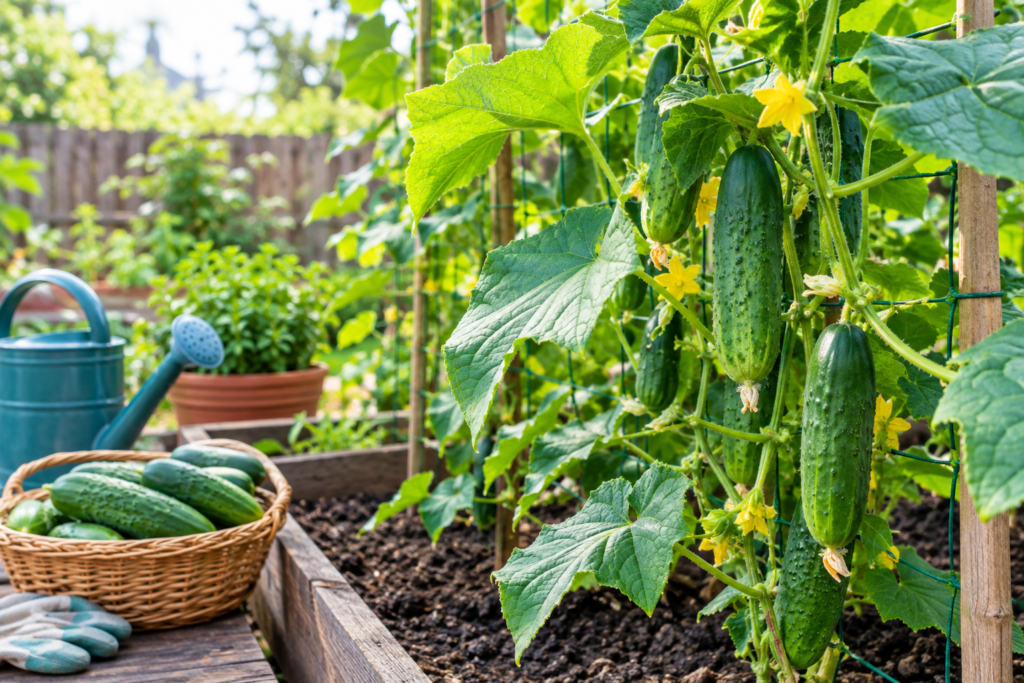
The good news is that you can save a lot of space by growing cucumbers vertically. With a simple trellis, support, or garden net, the vines can grow upward instead of taking over the ground. In this guide, I will share how I grow cucumbers in a small garden, from choosing the right variety to harvesting fresh cucumbers.
Choose the Right Cucumber Variety
When you have limited garden space, choosing the right cucumber variety makes a big difference. Some cucumber plants produce long vines that spread several feet across the ground. Others are more compact and work better in containers, raised beds, and small gardens.
For a small garden, I recommend looking for compact, bush, patio, or container friendly cucumber varieties. You can also grow regular vining cucumbers if you provide a trellis.
Before buying seeds, I always check the expected mature size of the plant and the recommended growing conditions. This simple step can prevent problems later.
If your goal is to save as much space as possible, a climbing cucumber variety can be an excellent choice because you can train the vines upward.
Pick a Sunny Location
Cucumbers grow best when they receive plenty of sunlight. I prefer to choose a location that receives around six to eight hours of direct sunlight each day.
A sunny area helps cucumber plants grow strong leaves, healthy vines, and plenty of flowers. If the plant receives too little sunlight, growth can become weak and the harvest may be smaller.
In a small garden, sunlight can sometimes be limited because of walls, fences, buildings, or larger plants. Before planting cucumber seeds, I recommend watching your garden during the day and finding the area that receives the most consistent sunlight.
Good air movement is also helpful. Avoid placing cucumber plants in an extremely crowded corner where moisture stays around the leaves for long periods.
Prepare the Soil
Healthy soil is one of the most important parts of growing cucumbers successfully. Cucumbers prefer fertile soil that drains well while still holding enough moisture for the roots.
Before planting, I like to improve the soil with mature compost or well decomposed organic matter. Compost can help improve soil structure and provide nutrients that support plant growth.
The soil should not remain soaked after watering. Poor drainage can create problems for the roots. If your garden soil is heavy, adding organic matter can improve its structure.
For container gardening, use a quality potting mix instead of ordinary garden soil. A good potting mix provides better drainage and creates a healthier environment for the roots.
Plant Cucumber Seeds at the Right Time
Cucumbers are warm season plants, so they should be planted when the danger of cold weather has passed and the soil has warmed.
I usually prefer direct sowing cucumber seeds because cucumbers can grow quickly and their roots do not always appreciate being disturbed. Make a small hole in the soil and plant the seeds according to the depth recommended on the seed packet.
After planting, keep the soil consistently moist but not waterlogged. Depending on temperature, cucumber seeds can begin germinating within several days.
If you live in a warm climate, you may have a longer growing season. However, extremely hot weather can also stress cucumber plants, so timing your planting is still important.
Use a Trellis to Save Space
For anyone wondering how to grow cucumbers in a small garden, my number one suggestion is to grow them vertically.
A trellis can completely change how much space your cucumber plants need. Instead of allowing vines to crawl across the ground, you encourage them to climb upward.
You can use a wooden trellis, garden netting, wire support, or another strong structure. The support should be secure enough to hold the weight of mature vines and cucumbers.
As the cucumber plant grows, gently guide the young vines toward the support. Once the tendrils begin wrapping around the trellis, the plant can often continue climbing with little help.
Vertical growing also makes it easier to see the cucumbers when harvesting. It can keep the fruit cleaner and improve airflow around the plant.
Give Cucumbers Enough Water
Watering is especially important when growing cucumbers because the plants contain a lot of water and grow rapidly.
I try to keep the soil evenly moist, particularly when the plant is flowering and producing cucumbers. However, I avoid watering the leaves unnecessarily.
Watering the soil around the base of the plant is generally better than frequently wetting the foliage. Morning watering is also useful because it gives excess moisture on the plant surface time to dry during the day.
The exact amount of water required depends on temperature, soil type, plant size, and rainfall. During hot weather, small gardens and containers can dry out quickly, so I check the soil regularly.
A layer of organic mulch around the plant can help slow moisture loss and keep the soil temperature more stable.
Feed the Plants Properly
Cucumbers are productive plants and need adequate nutrients for healthy growth. If the soil is already fertile and contains plenty of organic matter, you may not need heavy feeding.
I prefer to start with compost and then monitor the plants. If growth appears weak or the leaves begin showing signs of nutrient deficiency, a suitable vegetable fertilizer can be used according to its instructions.
Avoid applying excessive fertilizer. Too much nitrogen can encourage lots of leafy growth while reducing the balance between vegetative growth and fruit production.
For container grown cucumbers, nutrients may need more attention because watering can gradually move nutrients through the potting mix.
Give the Vines Some Guidance
Cucumber vines can become difficult to manage if they are allowed to grow in every direction.
When I grow cucumbers vertically, I check the vines regularly and guide them back toward the trellis. There is no need to handle the plant roughly. Young vines are flexible, but older stems can become harder to redirect.
If a vine starts moving away from the support, gently position it near the trellis. Soft plant ties can also be used when necessary, but they should never be wrapped tightly around growing stems.
Regularly checking the plant makes it much easier to keep a small garden organized.
Watch for Flowers and Pollination
Once cucumber plants become established, you will start seeing yellow flowers. This is an exciting stage because it means the plant is moving toward fruit production.
Cucumber plants can produce male and female flowers. Pollinators such as bees play an important role in transferring pollen between flowers.
If your garden does not attract many pollinators, you can encourage them by growing suitable flowering plants nearby. Avoid unnecessary pesticide use, especially when flowers are open and pollinators are visiting.
Poor pollination can sometimes result in small fruits that stop developing. Creating a garden environment that attracts beneficial insects can help improve the situation.
Protect Cucumbers From Common Problems
Like most garden vegetables, cucumbers can experience pests and diseases. Regular observation is one of the simplest ways to catch problems early.
Check the leaves regularly for unusual spots, holes, discoloration, or insects. Look underneath the leaves as well because some pests prefer hidden areas.
Good spacing and vertical growing can improve air circulation around the foliage. Removing badly damaged plant material can also help keep the garden cleaner.
I try not to react immediately to every small mark on a leaf. Instead, I look at the overall condition of the plant and identify the actual problem before choosing a treatment.
Healthy soil, proper watering, good sunlight, and adequate airflow can go a long way toward preventing many common cucumber problems.
Harvest Cucumbers Regularly
One of the best parts of growing cucumbers at home is harvesting them fresh from the plant.
I recommend checking cucumber plants frequently once they begin producing fruit. Cucumbers can grow surprisingly quickly during warm weather.
Harvest the cucumbers when they have reached the size and appearance you prefer. Smaller cucumbers are often tender and crisp, while leaving them on the plant too long can result in larger, tougher fruit.
Use a clean knife or garden scissors to cut the cucumber from the vine rather than pulling forcefully. Regular harvesting can also encourage the plant to continue producing.
Do not worry if your first harvest is small. Cucumber plants often become more productive as the growing season continues when they receive good care.
Growing Cucumbers in Containers
If you do not have a traditional garden bed, you can still grow cucumbers in containers.
Choose a reasonably large container with drainage holes. Cucumbers need enough room for their roots, and larger containers generally provide more stability for climbing plants.
Place the container in a sunny location and install a trellis or support before the plant becomes too large.
Container cucumbers need closer attention to watering because pots can dry out faster than garden soil. During warm weather, I check containers regularly rather than relying on a fixed watering schedule.
Common Mistakes to Avoid
There are several mistakes that can make growing cucumbers more difficult.
The first is planting them in a shady location. Cucumbers need plenty of sunlight for strong growth and good production.
Another common mistake is allowing the soil to become extremely dry and then soaking it heavily. Consistent moisture is generally better.
Overcrowding is another problem in a small garden. It can reduce airflow and make the plants harder to manage. This is why I prefer vertical growing whenever possible.
Finally, do not ignore harvesting. Leaving mature cucumbers on the plant for too long can affect the plant’s productivity and reduce the quality of the fruit.
My Simple Approach to Growing Cucumbers
If I had only a small garden and wanted to grow cucumbers, I would keep the process simple. I would choose a suitable variety, select the sunniest available location, prepare the soil with compost, and install a trellis.
After planting, I would focus on consistent moisture, good sunlight, and regular observation. I would guide the vines upward as they grow and harvest the cucumbers regularly.
You do not need an expensive setup or a huge garden to enjoy homegrown cucumbers. Even a small raised bed, patio space, or suitable container can produce a satisfying harvest when the plants receive the right conditions.
Final Thoughts
Learning how to grow cucumbers in a small garden is mostly about using your available space wisely. The plants themselves are relatively easy to grow, but their vines can spread quickly if they are not supported.
For me, vertical growing is the most practical solution. A simple trellis allows cucumber vines to climb upward, leaving valuable ground space available for other vegetables and herbs.
With fertile soil, plenty of sunlight, consistent watering, proper support, and regular harvesting, you can grow fresh cucumbers even when your garden is small. Once you experience the taste of a crisp cucumber picked directly from your own garden, it becomes much easier to understand why this vegetable is such a popular choice for home gardeners.