 snailhas25000teeth
Related Articles
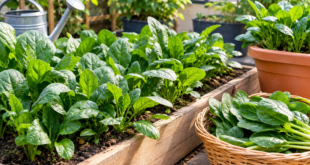
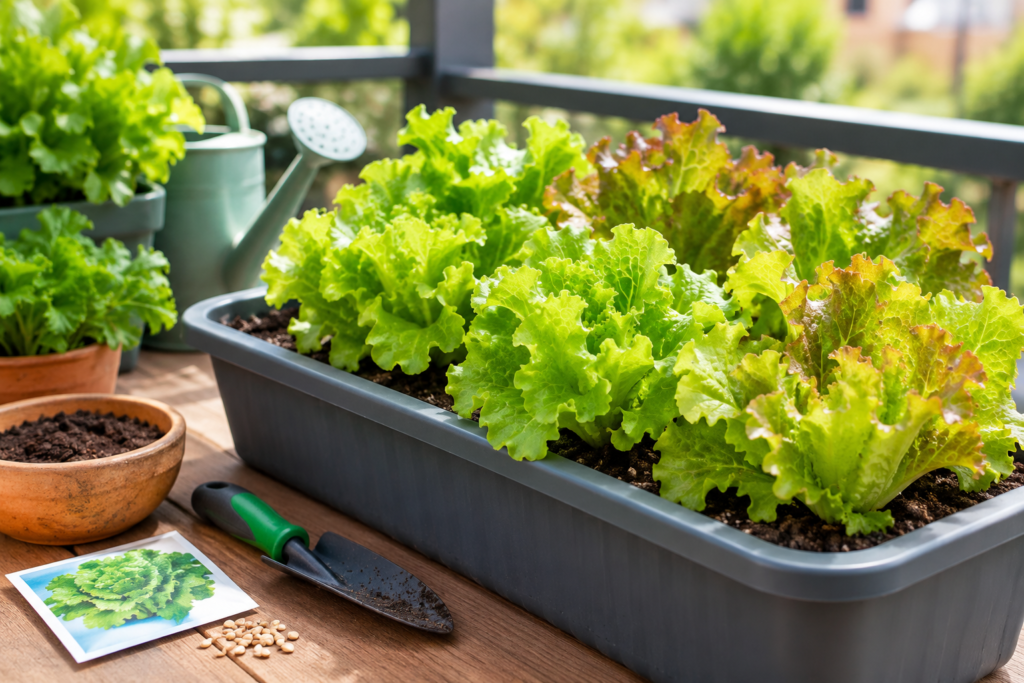
Growing lettuce in containers is one of the easiest ways to enjoy fresh vegetables at home. I personally like growing lettuce because it does not require a large garden, and you can grow it on a balcony, patio, rooftop, or even near a sunny window. With the right container, good soil, enough sunlight, and regular watering, lettuce can grow surprisingly well in a small space.
If you are a beginner, lettuce is also a great vegetable to start with. It grows relatively quickly, does not need complicated care, and you can harvest the outer leaves while allowing the plant to continue producing new growth. In this guide, I will explain how to grow lettuce in containers from choosing the right pot to harvesting fresh leaves.
Why Grow Lettuce in Containers?
One of the biggest advantages of growing lettuce in containers is that you do not need a traditional garden. A suitable container can provide enough space for several lettuce plants, making it perfect for people with limited outdoor space.
Container gardening also gives you better control over the growing environment. You can choose the soil, move the container when the weather changes, and keep the plants away from areas where weeds or other garden problems may occur.
I also find container grown lettuce convenient because harvesting is simple. Instead of buying a whole head of lettuce from the store, you can pick fresh leaves whenever you need them.
Choose the Right Lettuce Variety
Before planting, think about what type of lettuce you want to grow. There are several varieties available, and most can grow successfully in containers.
Leaf lettuce is particularly suitable for beginners because it produces loose leaves that can be harvested gradually. Butterhead lettuce forms soft, tender leaves, while romaine lettuce grows upright and produces crisp leaves.
For container gardening, I usually prefer leaf lettuce because it grows quickly and allows repeated harvesting. You can also grow several varieties together if your container is large enough.
Select a Suitable Container
Choosing the right container is an important part of growing lettuce successfully. Lettuce has relatively shallow roots, so you do not need an extremely deep pot.
A container around 6 to 8 inches deep can work well for many lettuce varieties. A wider container is even better if you want to grow several plants together.
Make sure the container has drainage holes at the bottom. Excess water needs somewhere to escape because constantly wet soil can cause root problems.
You can use plastic pots, terracotta containers, wooden planters, or rectangular vegetable containers. I prefer wider containers because they provide enough room for several lettuce plants and make watering and harvesting easier.
Use Good Quality Soil
Lettuce grows best in loose, fertile soil that drains well while still holding enough moisture. Avoid using heavy garden soil alone in a container because it can become compacted and restrict the roots.
A good container mix can contain quality potting soil, compost, and another material that improves drainage. The soil should feel light and crumbly rather than hard or sticky.
Adding compost can provide nutrients that support healthy leaf growth. Since lettuce is mainly grown for its leaves, fertile soil can make a noticeable difference in the size and quality of your harvest.
How to Plant Lettuce Seeds
Growing lettuce from seeds is simple. Fill your container with moist potting mix and gently level the surface.
Scatter the seeds across the soil and cover them with only a very thin layer of soil. Lettuce seeds are small and do not need to be planted deeply.
After planting, water gently so the seeds are not washed away. Keeping the soil consistently moist during germination is important.
Depending on the variety and growing conditions, lettuce seeds may begin to germinate within several days. Once the seedlings appear, give them enough light so they can develop strong stems and healthy leaves.
Give Lettuce Enough Sunlight
Lettuce needs plenty of light for healthy growth, but it does not always enjoy intense heat. In cooler conditions, lettuce can handle several hours of direct sunlight.
During very hot weather, strong afternoon sunlight can cause plants to become stressed. If you are growing lettuce in containers, this is where container gardening becomes especially useful because you can move the pots to a location with bright morning sunlight and some afternoon protection.
In my experience, finding the right balance between sunlight and temperature is one of the most important parts of growing lettuce successfully.
Watering Lettuce in Containers
Lettuce has relatively shallow roots, so it can dry out faster than some other vegetables. Check the soil regularly and water whenever the upper layer begins to feel dry.
Try to keep the soil evenly moist without making it constantly waterlogged. During hot weather, containers may need watering more frequently because moisture evaporates quickly.
Morning is generally a good time to water. Apply water gently around the base of the plants and avoid damaging the young leaves.
If your container dries out very quickly, adding a thin layer of organic mulch around the plants can help the soil retain moisture.
Thin the Seedlings
When lettuce seedlings become large enough to handle, you may notice that some are growing very close together. Crowded plants compete for light, water, and nutrients.
Thinning gives the strongest seedlings enough space to develop properly. Instead of pulling seedlings aggressively, remove unwanted plants carefully.
The exact spacing depends on the lettuce variety and whether you want baby leaves or full sized plants. For baby leaf harvesting, plants can generally be kept closer together. Larger plants need more room.
Do not throw away every seedling you remove. Very young lettuce seedlings can sometimes be used as tender greens in salads.
Feed Your Lettuce Plants
Lettuce does not usually require complicated fertilizing. If you start with good quality potting soil enriched with compost, the plants may have enough nutrients for early growth.
As the plants develop, a mild vegetable fertilizer can help maintain healthy growth if the soil becomes depleted.
Avoid overfertilizing because excessive fertilizer is not necessary for good lettuce production. Follow the instructions on the fertilizer product you choose and apply it appropriately.
I prefer focusing first on healthy soil and regular watering rather than trying to solve every growing problem with fertilizer.
Protect Lettuce From Heat
Temperature can be one of the biggest challenges when growing lettuce in containers. Lettuce generally prefers cooler growing conditions. When temperatures become too high, plants may grow poorly or develop a bitter taste and eventually produce a flower stalk.
If your area experiences hot summers, try growing lettuce during cooler parts of the year. You can also provide afternoon shade when temperatures rise.
A container can be moved under partial shade during the hottest part of the day. This simple advantage makes container gardening particularly useful in warm climates.
Watch for Common Pests
Although lettuce is relatively easy to grow, pests can sometimes appear. Aphids, caterpillars, slugs, and other insects may feed on the leaves.
Check your plants regularly, especially underneath the leaves. Early detection makes pest management much easier.
If you notice a small number of insects, manually removing them may be enough. Keeping the growing area clean can also reduce potential pest problems.
Avoid using unnecessary chemical treatments, especially when growing lettuce for eating. If a pest problem becomes serious, choose a treatment that is specifically labeled for edible vegetables and follow its instructions carefully.
Harvesting Lettuce From Containers
One of my favorite things about growing lettuce is how easy harvesting can be. You do not always need to wait until the entire plant reaches full size.
For leaf lettuce, you can begin harvesting the larger outside leaves while leaving the smaller center leaves intact. This allows the plant to continue growing.
Use clean scissors or a clean knife to remove leaves without unnecessarily damaging the plant. Harvesting in the morning can be especially enjoyable because the leaves are often fresh and crisp.
If you want a complete head, allow the plant to mature before cutting it near the base.
How to Keep Lettuce Growing Longer
Succession planting is a useful technique if you want a continuous supply of lettuce. Instead of planting all your seeds at the same time, plant a small number every couple of weeks during the suitable growing season.
This means you can have young plants, developing plants, and harvest ready plants at different stages.
I think this is one of the best strategies for a small container garden because it prevents having too much lettuce ready at once.
Common Mistakes to Avoid
One common mistake is using a container without drainage holes. Water needs to escape, so always check the bottom of your container before planting.
Another mistake is planting the seeds too deeply. Lettuce seeds are tiny and should be covered lightly.
Overcrowding is another problem. Although it may be tempting to plant many seeds in a small space, crowded lettuce plants often become weak and small.
Finally, do not ignore temperature. If lettuce is exposed to excessive heat, it can become stressed and may bolt. Adjusting the container location can make a major difference.
Final Thoughts
Learning how to grow lettuce in containers is a simple and rewarding gardening project. You do not need a large backyard or expensive equipment. A suitable container, quality soil, healthy seeds, sunlight, and regular watering are enough to get started.
From my point of view, lettuce is one of the best vegetables for beginners because you can see progress quickly and harvest the leaves gradually. Container gardening also gives you the flexibility to move your plants when sunlight or temperature becomes a problem.
If you are starting a home vegetable garden, I would definitely recommend adding lettuce to your list. Start with one container, learn how your plants respond to your local conditions, and gradually expand your garden. With a little attention and consistency, you can enjoy fresh, homegrown lettuce directly from your own container garden.