 snailhas25000teeth
Related Articles
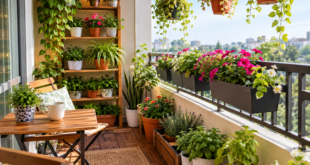
Container gardening is one of the easiest ways to start growing plants at home, especially if you do not have a large garden. In my opinion, you do not need a big backyard or expensive equipment to enjoy gardening. A balcony, patio, rooftop, windowsill, or even a small corner near a sunny window can be enough to grow flowers, herbs, vegetables, and small fruit plants.
What I like most about container gardening is the control it gives you. You can choose the soil, select the right container, move plants when necessary, and create a small garden according to the space you have. For beginners, this makes gardening less complicated and much easier to manage.
If you are wondering how to start container gardening, this guide will take you through the basic steps, from choosing containers and soil to selecting plants and caring for them.
What Is Container Gardening?
Container gardening means growing plants in pots, boxes, baskets, or other suitable containers instead of planting them directly in the ground. Almost any plant with a suitable root system can be grown in a container when it receives the right amount of sunlight, water, nutrients, and space.
This type of gardening is especially useful for people who live in apartments or homes without traditional garden beds. It also works well for gardeners who want to keep plants organized and easy to move.
I find container gardening particularly useful because you can start small. You can begin with just two or three pots and learn how your plants respond before expanding your collection.
Why Container Gardening Is Great for Beginners
There are several reasons why container gardening is a good choice for beginners. The first is simplicity. You can manage one container at a time instead of dealing with an entire garden.
Another advantage is flexibility. If a plant is receiving too much sunlight, you can move it to a better location. If the weather becomes too cold, you may be able to move certain plants indoors or into a protected area.
Containers also allow you to control the growing environment more easily. You can choose a quality potting mix instead of depending on the soil available in your yard.
Container gardening can also make gardening more accessible. People with limited outdoor space can still grow fresh herbs, vegetables, and beautiful flowers at home.
Choose the Right Location
Before buying containers or plants, I recommend looking carefully at the space where you want to grow your garden.
The amount of sunlight is one of the most important factors. Most vegetables and flowering plants need several hours of sunlight every day. Herbs such as basil, rosemary, thyme, and oregano generally perform well in sunny locations.
Some plants prefer partial shade, while others can tolerate lower light conditions. Watch your chosen area during the day and notice how much direct sunlight it receives.
Also think about access to water. You do not want to carry heavy watering cans across your home every morning. A convenient location can make regular plant care much easier.
If you are gardening on a balcony or rooftop, remember that large containers filled with wet soil can become very heavy. Make sure the area can safely support the containers you plan to use.
Select Suitable Containers
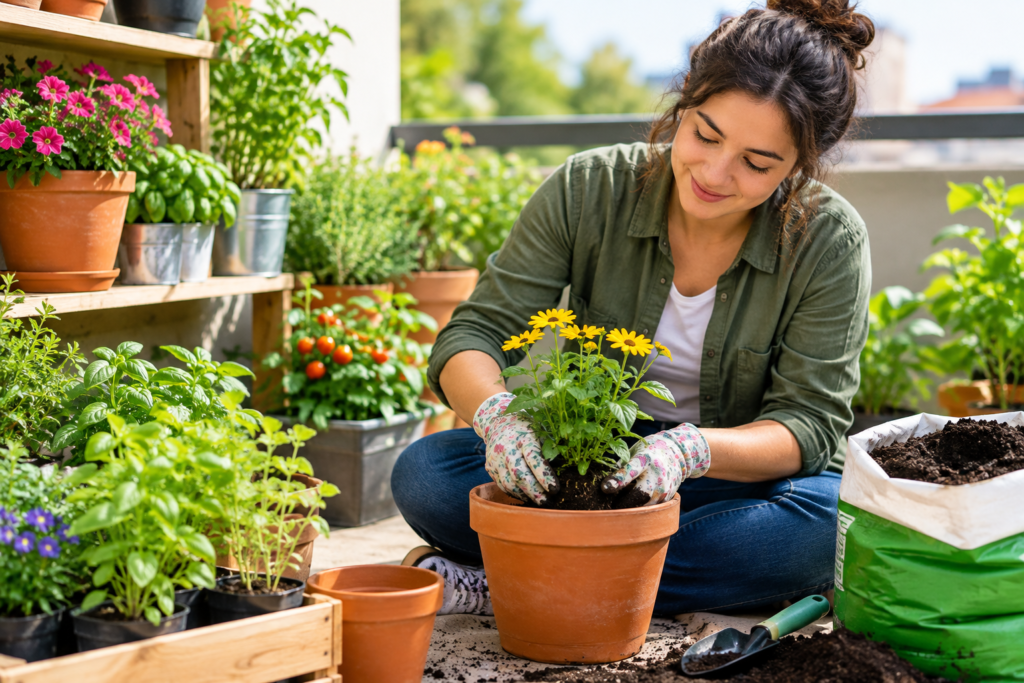
Choosing containers is an important part of successful container gardening. You can find pots made from plastic, terracotta, ceramic, metal, wood, and other materials.
For beginners, I usually recommend choosing containers that are practical rather than simply attractive. A beautiful pot is useful only if it provides a healthy environment for the plant.
Drainage is extremely important. Containers should have holes at the bottom so excess water can escape. Without proper drainage, water may remain around the roots and create problems such as root rot.
The size of the container should also match the plant. Small herbs can grow in relatively small pots, while tomatoes, peppers, eggplants, and larger plants usually need more room for their roots.
As the plant grows, it may eventually need to be moved into a larger container.
Use Quality Potting Soil
One of the biggest mistakes beginners can make is filling containers with ordinary garden soil. Garden soil can become compacted inside a container and may not provide the drainage and air circulation that container plants need.
A good potting mix is generally a better choice. It should be light, well drained, and capable of holding enough moisture for healthy plant growth.
You can purchase ready made potting mix from a garden center or create your own mix using suitable ingredients such as compost and other materials designed for container growing.
The goal is to give plant roots enough air, moisture, and nutrients without allowing the soil to remain constantly wet.
Pick Easy Plants for Your First Garden
When starting container gardening, I recommend choosing plants that are relatively easy to grow. There is no need to begin with difficult or demanding varieties.
Herbs are excellent choices. Basil, mint, parsley, chives, coriander, thyme, and rosemary can work well in containers when their growing requirements are met.
For vegetables, beginners can try lettuce, spinach, radishes, green onions, peppers, and compact tomato varieties.
Flowers are another great option. Marigolds, petunias, geraniums, and many other container friendly flowers can add color to a small space.
When selecting plants, always check their mature size and growing requirements. A plant may look small when you purchase it but become much larger as it develops.
Understand Sunlight Requirements
Sunlight has a major effect on plant growth. Before placing a plant in a container, learn how much light it prefers.
Plants that require full sun should receive several hours of direct sunlight. Vegetables such as tomatoes and peppers generally need plenty of light to produce well.
Plants that prefer partial shade may struggle if they are exposed to intense sunlight throughout the day.
One thing I have learned about gardening is that there is no perfect location for every plant. Instead of putting every container in the same place, it is better to group plants according to their sunlight needs.
Water Your Container Plants Properly
Watering sounds simple, but it is one of the areas where beginners often make mistakes. Some people water too frequently, while others allow their plants to become extremely dry.
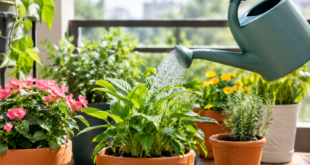
The best approach is to check the soil before watering. Push your finger gently into the top layer of soil. If it feels dry and the plant needs moisture, water it thoroughly.
When watering, apply enough water so that some excess comes out through the drainage holes. This helps ensure that moisture reaches the deeper parts of the container.
However, do not assume that every plant needs water every day. Temperature, container size, plant type, sunlight, humidity, and soil composition all affect watering needs.
During hot weather, containers can dry out quickly. Smaller pots may require more frequent attention than larger ones.
Feed Your Plants With Nutrients
Plants growing in containers have limited access to nutrients because their roots cannot spread into a large area of soil. Over time, nutrients in the potting mix can become depleted.
A suitable plant fertilizer can help provide nutrients when used according to the product instructions.
Compost can also be useful for many container plants. However, more fertilizer is not always better. Excess nutrients can damage plants and create other growing problems.
I recommend starting carefully and observing how your plants respond rather than applying large amounts of fertilizer.
Give Plants Enough Space
It can be tempting to place many plants into one container because you want your garden to look full. However, overcrowding can cause problems.
Plants need enough space for their roots and leaves. When plants are packed too closely together, air circulation may be reduced and plants can compete for water, sunlight, and nutrients.
Always consider the mature size of the plants rather than their size when you purchase them.
Learn About Repotting
Some plants eventually outgrow their containers. You may notice roots coming through drainage holes, slow growth, water passing through the container unusually quickly, or the plant becoming too large for its pot.
These can be signs that the plant needs more space.
Repotting involves carefully removing the plant from its current container and moving it into a larger one with fresh potting mix.
Do not automatically move every plant into a huge container. A container that is excessively large can hold more moisture than the plant needs. Choose a size that gives the roots additional room without creating unnecessary problems.
Protect Your Plants From Pests
Container gardens can still attract insects and other pests. Regularly inspect the leaves, stems, and soil.
Look for unusual spots, holes in leaves, sticky residue, or visible insects. Early detection can make pest problems easier to manage.
Good gardening habits also help. Remove damaged leaves, keep the growing area clean, and avoid keeping plants constantly wet.
If you notice a pest problem, identify the pest before choosing a treatment. Different pests require different approaches, and unnecessary treatments can harm beneficial insects.
Common Container Gardening Mistakes
One common mistake is choosing a container without drainage holes. Another is using a container that is too small for the plant.
Overwatering is another frequent problem. Beginners sometimes believe that giving plants more water will automatically make them grow faster. In reality, excessive moisture can create unhealthy root conditions.
Ignoring sunlight requirements can also lead to weak growth. A plant that needs strong sunlight may struggle in a dark corner.
Another mistake is trying to grow too many different plants at once. Starting with a few easy plants gives you an opportunity to learn without becoming overwhelmed.
Create a Simple Container Garden Plan
You do not need a complicated plan to begin. Start by choosing a few containers and deciding what you would like to grow.
For example, you could create one container for basil, another for mint, and another for a compact tomato plant. You could also keep a few flower pots nearby to add color.
Labeling containers can be helpful, especially when you are growing several varieties.
Keep a simple record of planting dates, watering habits, fertilizer applications, and plant growth. This can help you understand what works best in your particular environment.
Final Thoughts on Container Gardening for Beginners
Container gardening is a simple and rewarding way to grow plants even when you have limited space. From my point of view, the best way to learn is to start small and pay attention to your plants.
Choose suitable containers with good drainage, use quality potting soil, select plants that match your sunlight conditions, and develop a consistent watering routine. As you gain experience, you can experiment with more vegetables, herbs, flowers, and larger containers.
The biggest advantage of container gardening is that you do not have to wait for the perfect garden space. You can start with a single pot today and gradually build a healthy little garden around your home.
With patience and regular care, even a small collection of containers can become a productive and beautiful part of your living space. The more you observe and learn from your plants, the more confident you will become as a gardener.