 snailhas25000teeth
Related Articles
Living in a small home does not mean I have to give up the joy of gardening. In fact, I believe a small balcony can become one of the most enjoyable gardening spaces when it is planned properly. Even a narrow balcony can hold flowers, herbs, vegetables, and attractive green plants if every corner is used wisely.
When I first think about small balcony gardening, I focus on three things: available sunlight, the amount of space, and the type of plants I want to grow. Instead of filling the balcony with too many pots, I prefer using smart arrangements that keep the area attractive and practical.
In this guide, I am sharing some of my favorite small balcony gardening ideas for limited spaces. These ideas are simple, affordable, and suitable for beginners who want to create a beautiful balcony garden without needing a large outdoor area.
Start With the Space You Have
The first step I recommend is looking carefully at the balcony before buying plants or containers. Measure the available floor space and notice where sunlight enters during the day.
Some balconies receive several hours of direct sunlight, while others are mostly shaded. This makes a big difference when choosing plants. Sun loving plants need plenty of light, while shade tolerant plants can grow comfortably with less direct sunlight.
I also recommend keeping enough walking space. A balcony garden should feel relaxing rather than crowded. Leaving a clear path makes watering and caring for plants much easier.
Use Vertical Gardening
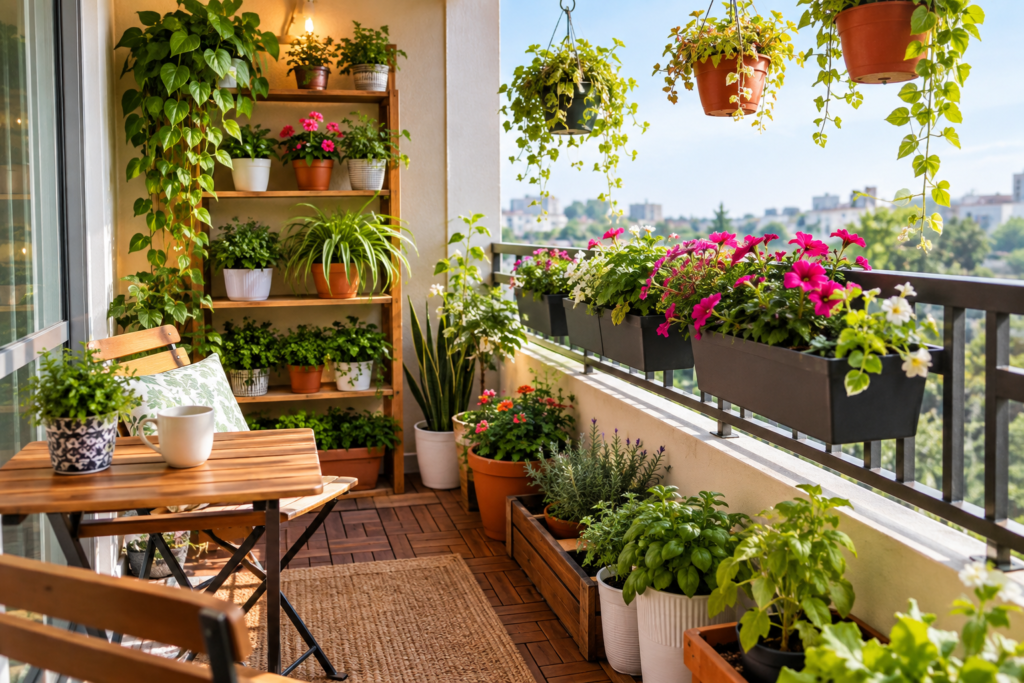
One of the best balcony garden ideas for small spaces is vertical gardening. Instead of spreading plants across the floor, I like to move upward.
Wall mounted shelves can hold several small pots without taking much floor space. A vertical plant stand is another useful option. These stands allow me to place multiple plants at different heights while keeping the balcony organized.
Hanging planters can also be attached to suitable balcony structures where permitted. They are particularly useful for trailing plants and flowers.
Vertical gardening not only saves space but also gives a small balcony a fuller and greener appearance.
Choose Compact Plants
For limited balconies, I find that compact plants are usually easier to manage than large spreading varieties. Small herbs, flowers, leafy greens, and naturally compact houseplants can provide plenty of greenery without taking over the entire area.
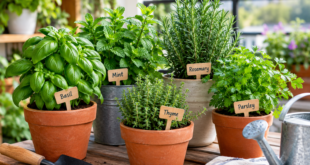
Basil, mint, parsley, coriander, thyme, and chives are excellent choices if I want a small herb garden. For flowers, I can choose compact varieties that grow well in containers.
When selecting plants, I always consider their mature size rather than how small they look when purchased. A plant that looks tiny at the nursery may eventually need much more room.
Grow Herbs in Small Containers
A balcony does not need to be large to produce fresh herbs. In my opinion, growing herbs is one of the easiest ways to make a small balcony garden useful.
I can place individual herb pots on a narrow shelf, windowsill, or small table. Basil and parsley work well in containers, while mint is better kept in its own pot because it can spread quickly.
Fresh herbs also make the garden feel more rewarding because I can pick a small amount whenever I am cooking. There is something satisfying about using herbs that I have grown myself.
Try Railing Planters
If floor space is extremely limited, railing planters can be a practical solution. They use an area that would otherwise remain unused.
Railing planters are suitable for flowers, herbs, and some shallow rooted vegetables. Before installing them, I would always check that the planter is securely attached and that using it is allowed by the building or property rules.
I also prefer lightweight containers for balcony gardening. Wet soil can become surprisingly heavy, so the total weight should always be considered.
Create a Small Container Vegetable Garden
Growing vegetables on a balcony is possible if I select varieties that are suitable for containers. Leafy greens such as lettuce and spinach can work well in relatively small pots.
Radishes are another interesting option because they mature relatively quickly and do not require a huge amount of space. Compact tomatoes and peppers can also be grown in containers when the balcony receives enough sunlight.
The key is choosing plants according to the available space. I would rather grow three healthy vegetables in suitable containers than try to grow too many plants and struggle to care for them.
Use Hanging Baskets
Hanging baskets are another simple way to save valuable floor space. They can add color and texture while keeping the ground area open.
Trailing flowers and foliage plants can look especially attractive in hanging baskets because their stems naturally grow downward. This creates layers in the garden and makes a small balcony feel more interesting.
However, I would avoid hanging too many baskets in one area. A few carefully selected plants can look much better than a balcony overloaded with containers.
Add a Narrow Plant Shelf
A narrow plant shelf is one of my favorite solutions for limited spaces. A tall shelf can provide several growing levels while occupying only a small amount of floor area.
I can place smaller plants on the upper shelves and slightly larger containers toward the bottom. This arrangement also makes watering and maintenance easier when the plants are organized properly.
Wooden shelves can create a warm natural appearance, while metal shelves may provide a lighter modern look. The important thing is to choose something stable and suitable for outdoor conditions.
Choose the Right Pots
The containers I use can make a major difference in a small balcony garden. Large pots may look attractive, but several oversized containers can quickly consume all available space.
I prefer selecting pots based on the needs of each plant. Small herbs can usually use smaller containers, while plants with larger root systems need more room.
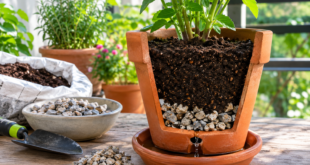
Good drainage is also essential. Containers should have drainage holes so excess water can escape. Without proper drainage, roots can remain too wet and plants may develop problems.
Make Use of Corners
Corners are often forgotten when planning a small balcony garden. I find that a corner can be perfect for a tall plant, vertical stand, or group of containers.
Instead of placing pots randomly, I like to create small sections. One corner might contain herbs, another could hold flowering plants, and a third area might be reserved for a larger decorative plant.
This approach keeps the garden visually organized while making better use of the available space.
Select Plants According to Sunlight
Understanding sunlight is one of the most important parts of balcony gardening for beginners. Before choosing plants, I recommend observing the balcony for a few days.
If the area receives strong direct sunlight for several hours, sun loving plants may be suitable. If the balcony receives only indirect light, I would choose plants that tolerate lower light conditions.
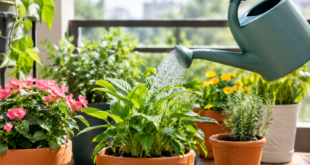
Plants also have different watering requirements. Grouping plants with similar needs can make daily care much easier.
Use Multi Purpose Furniture
When space is very limited, I like the idea of combining gardening with furniture. A small bench with storage underneath can provide seating while also giving me a place to keep gardening tools.
A folding table can be another smart choice because it can be opened when needed and stored away when I want more space.
The same principle applies to plant stands. A useful stand can display plants while keeping the balcony neat and organized.
Keep the Color Scheme Simple
A small balcony can quickly look cluttered if every pot and decoration has a different appearance. I personally prefer keeping the design simple.
Using a few complementary pot colors and similar container styles can make the space feel more organized. Green plants naturally provide plenty of visual interest, so I do not think the balcony needs excessive decoration.
Flowers can then be used to add seasonal color without making the garden feel overwhelming.
Create a Mini Relaxation Corner
A balcony garden does not have to be only about growing plants. I believe it should also be a place where I can relax.
Even a small chair, cushion, or folding seat can turn the balcony into a peaceful corner. A few plants around the seating area can provide a natural atmosphere.
If space allows, I might add a small table for tea, coffee, or a book. This makes the garden feel like an extension of the home rather than simply a collection of pots.
Make Gardening Easy to Maintain
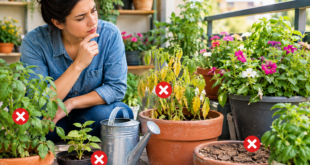
One mistake I try to avoid in a small balcony garden is choosing more plants than I can realistically maintain. Every plant needs water, light, pruning, feeding, and occasional repotting.
A smaller collection of healthy plants is often more attractive than dozens of neglected ones.
I also recommend keeping basic gardening tools nearby. A small watering can, hand trowel, pruning scissors, and gardening gloves are usually enough for a simple balcony garden.
Think About Seasonal Changes
Plants do not grow the same way throughout the year. Some flowers perform best during cooler weather, while others prefer warmer conditions.
For a successful small balcony garden, I recommend selecting plants according to the local climate and season. This can help reduce plant stress and make the garden more productive.
Seasonal planting also gives me a reason to refresh the balcony throughout the year. I can replace plants that have finished their season with varieties that are better suited to the current weather.
Final Thoughts
Creating a beautiful garden in a limited balcony space is easier than many people think. I have found that the secret is not having more space but using the available space intelligently.
Vertical shelves, railing planters, hanging baskets, compact containers, and corner arrangements can turn even a narrow balcony into a pleasant green space. Choosing the right plants and matching them with the available sunlight can make the garden much easier to maintain.
For me, the best small balcony gardening ideas are the ones that combine beauty with practicality. I do not need dozens of plants or expensive equipment. A few healthy plants, suitable containers, good sunlight, and regular care can be enough to create a balcony garden that feels fresh and inviting.
The most important thing is to start small. Choose a few plants that you genuinely enjoy growing, learn how they respond to your balcony conditions, and gradually expand the garden. With a little planning and patience, even the smallest balcony can become a green and relaxing part of the home.