 snailhas25000teeth
Related Articles
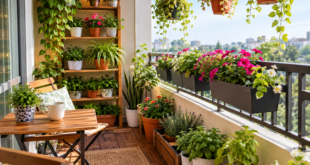
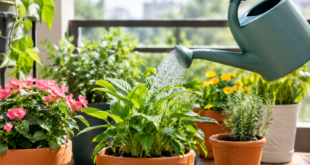
Container gardening is one of the easiest ways to grow plants when you do not have a large yard. I personally think it is a great option for balconies, patios, rooftops, windowsills, and even small outdoor spaces. You can grow flowers, herbs, vegetables, and decorative plants in pots with surprisingly little space.
However, container gardening also has its own challenges. A plant growing in a pot does not have access to the same amount of soil, moisture, and nutrients as a plant growing directly in the ground. Because of this, small mistakes can sometimes affect the plant very quickly.
In my experience, understanding the most common container gardening mistakes can save a lot of time, money, and frustration. If you are new to growing plants in containers, avoiding these mistakes will give your plants a much better chance of staying healthy and productive.
Choosing the Wrong Pot Size
One of the most common container gardening mistakes is choosing the wrong pot size. Some people place a small plant into a very large container because they think more space is always better. Others keep plants in tiny pots for too long.
Both approaches can cause problems.
A pot that is too small may restrict root growth and dry out quickly. A container that is much too large can hold excess moisture around the roots, especially when the plant is still small.
I recommend choosing a container according to the mature size and root requirements of the plant. If a plant eventually becomes large, give it enough room to develop a strong root system. At the same time, avoid putting a tiny seedling into an unnecessarily huge container.
Ignoring Drainage
Good drainage is essential for successful container gardening. Plants need water, but their roots also need access to air. When water remains trapped around the roots for too long, root problems can develop.
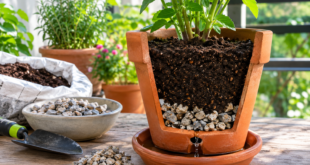
Always choose pots with drainage holes at the bottom. If your decorative container does not have drainage, consider using it as an outer pot and placing the plant inside a suitable container with holes.
I also avoid relying on a thick layer of stones at the bottom of a pot as a solution for poor drainage. The better approach is to use a suitable potting mix and make sure excess water can actually leave the container.
Using Garden Soil in Containers
Another common mistake is filling pots with ordinary garden soil. It may seem like an easy and inexpensive option, but garden soil can become compacted inside containers.
Compacted soil makes it difficult for roots to receive enough air and can also interfere with proper drainage. It may become especially heavy when wet.
For most container plants, I prefer a quality potting mix designed for containers. A good potting mix is generally lighter and better suited to the restricted environment of a pot.
The exact mix can depend on what you are growing, but the main goal is to provide good drainage while still holding enough moisture for healthy plant growth.
Overwatering Container Plants
Overwatering is probably one of the biggest problems beginners face. Many people assume that watering plants frequently will make them grow faster.
Unfortunately, too much water can be just as harmful as too little.
Before watering, check the moisture level of the soil. Push your finger slightly into the top layer and see whether it feels dry or still moist. The watering schedule should also depend on the plant, pot size, soil, temperature, and weather.
During hot weather, containers may dry much faster than expected. During cooler or rainy periods, they may remain moist for longer.
Instead of following a strict daily schedule, I believe it is better to observe the plant and soil.
Underwatering Plants
The opposite problem is underwatering. Container plants have limited access to moisture because their roots are restricted to the pot.
Small containers can dry particularly quickly. Plants placed in direct sunlight may also require more frequent watering than plants growing in shaded locations.
A plant that is consistently underwatered may develop wilted leaves, dry soil, yellowing foliage, or poor growth.
When watering, I prefer to water thoroughly until some water begins to come out of the drainage holes. This helps moisten the root area more evenly instead of only wetting the surface.
Giving Every Plant the Same Amount of Sunlight
Not every plant has the same sunlight requirements. One of the most important container gardening tips I have learned is to understand what each plant actually needs.
Some vegetables and flowering plants perform best with several hours of direct sunlight. Other plants prefer partial shade or filtered light.
Putting a shade loving plant in strong afternoon sunlight can lead to leaf damage and stress. On the other hand, keeping a sun loving vegetable in deep shade can result in weak growth and limited production.
Before choosing a location, check the plant’s light requirements. Then observe your space throughout the day so you know how much sunlight the containers actually receive.
Planting Too Many Plants in One Container
It is tempting to create a full looking container by planting many seedlings close together. The container may look attractive at first, but overcrowding can create problems later.
Plants compete for water, nutrients, sunlight, and root space. Poor air circulation can also increase the chance of certain plant diseases.
When planting vegetables or herbs, follow the recommended spacing as closely as possible. Some plants can share containers successfully, but they should have compatible growth habits and similar environmental requirements.
A little extra space often gives plants a much better opportunity to grow.
Forgetting to Feed Container Plants
Plants growing in the ground can often access nutrients from a much larger soil area. Container plants are more dependent on the nutrients available in their limited potting mix.
Over time, nutrients can become depleted, particularly when plants are watered frequently.
This is why feeding container plants can be important. The right fertilizer and feeding schedule depend on the type of plant. Vegetables that produce fruit may have different nutritional needs from leafy herbs or ornamental flowers.
I recommend following the instructions for the fertilizer you choose rather than assuming that more fertilizer will produce better growth.
Too much fertilizer can damage roots and cause other problems.
Choosing Plants That Are Too Large
Another mistake is selecting plants that simply do not fit the available space.
Some plants have extensive root systems or become very tall and wide. Trying to keep these plants in a small container can create ongoing problems.
Before buying a plant, consider its mature height, width, root requirements, and growing habits.
For small balconies, compact varieties are often a better choice. Herbs, salad greens, peppers, compact tomatoes, and many flowering plants can work well when the container and growing conditions are suitable.
Placing Containers in the Wrong Location
Even when you choose the right pot and soil, location matters.
A container placed against a hot wall may become much warmer than expected. A balcony exposed to strong wind may cause plants to dry out quickly. Some lightweight pots can even become unstable during windy weather.
I like to consider sunlight, wind, temperature, accessibility, and safety before arranging containers.
It is also useful to place plants somewhere you can easily reach them. If watering and maintenance require too much effort, it becomes easier to forget about them.
Neglecting the Roots
Many gardeners focus on leaves and flowers while forgetting that healthy roots are the foundation of the plant.
Roots can become crowded when a plant stays in the same container for too long. You may notice roots growing out of drainage holes or circling around the inside of the pot.
When a plant becomes root bound, it may stop growing normally or require water much more frequently.
If the plant is suitable for repotting, moving it into a slightly larger container can give the roots additional room. Avoid jumping into an extremely large pot because gradual increases in container size are usually easier to manage.
Ignoring Pests and Plant Diseases
Container plants can still attract insects and develop diseases. A common mistake is waiting until the problem becomes severe before taking action.
I recommend checking plants regularly. Look underneath leaves, around stems, and near new growth. Watch for unusual spots, holes, discoloration, sticky residue, or insects.
Early detection makes many gardening problems easier to manage.
Good airflow, appropriate watering, proper spacing, and removing badly damaged plant material can all contribute to healthier plants. If you use any pest control product, always follow its label directions carefully.
Forgetting to Rotate Containers
Plants growing near windows or in partially enclosed spaces may receive uneven light. They can begin leaning toward the brightest direction.
Rotating containers occasionally can help plants receive light more evenly and encourage balanced growth.
This is a simple container gardening practice that takes very little time but can make a noticeable difference in the appearance of many plants.
Not Considering Seasonal Changes
A container garden can change dramatically with the seasons. A location that receives pleasant sunlight during one part of the year may become extremely hot during another.
Water requirements can also change with temperature and humidity.
Instead of treating your container garden exactly the same throughout the year, pay attention to seasonal conditions. You may need to adjust watering, feeding, plant selection, or container placement.
Growing plants that are appropriate for your local climate and season can make container gardening much easier.
Using Containers That Are Difficult to Move
Large containers can become extremely heavy after they are filled with soil and watered. This is something worth considering before placing them in a permanent position.
If you know you may need to move your plants, lightweight containers or plant stands with wheels can make maintenance easier.
For balconies and rooftops, always consider the structural safety and weight limitations of the location before adding many heavy containers.
Expecting Perfect Results Immediately
One mistake I think every beginner should avoid is expecting perfect results from the beginning.
Gardening is a learning process. Sometimes a plant will struggle even when you do many things correctly. You learn by observing what happens and adjusting your approach.
If a plant fails, try to understand why. Was the container too small? Was there too much water? Did it receive enough sunlight? Was the weather unsuitable?
Keeping simple notes can help you identify patterns over time.
Final Thoughts
Container gardening can be incredibly rewarding, especially when space is limited. However, healthy plants require more than simply putting soil into a pot and adding water.
The most common container gardening mistakes usually involve pot size, drainage, watering, sunlight, soil, spacing, feeding, and plant selection. Fortunately, these mistakes are easy to avoid once you understand the basic needs of your plants.
My biggest advice for beginners is to pay attention to your plants. Leaves, soil moisture, growth rate, and overall appearance can tell you a lot about what is happening below the surface.
Start with a few suitable plants rather than filling every available space at once. Choose good containers, use an appropriate potting mix, provide the right amount of sunlight, and water according to actual conditions.
With a little observation and regular care, even a small balcony or patio can become a productive and beautiful container garden. The more you practice, the easier it becomes to recognize what your plants need and avoid the common mistakes that hold many new gardeners back