 snailhas25000teeth
Related Articles
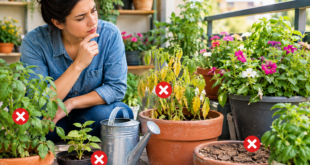
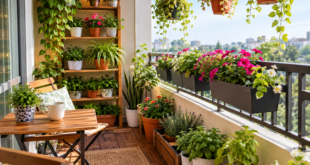
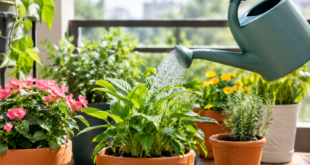
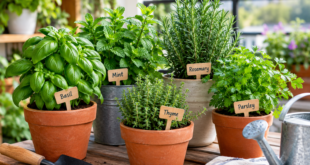
Growing plants in containers is one of my favorite ways to enjoy gardening, especially when space is limited. Whether I am growing herbs on a balcony, flowers on a patio, or vegetables in pots, I have learned that good drainage is one of the most important things to get right. A plant may receive enough sunlight and water, but if excess water cannot escape from the pot, the roots can quickly suffer.
Poor drainage is one of the common reasons container plants become weak, develop yellow leaves, or eventually die. The good news is that improving drainage in plant pots does not have to be complicated. With the right pot, suitable soil, proper watering habits, and a few simple techniques, it is possible to create a healthier environment for plant roots.
In this guide, I will explain how to improve drainage in plant pots and share the practical methods I find most useful for keeping container plants healthy.
Why Good Drainage Matters for Plants
Plant roots need both water and air. While water is essential for growth, roots also need oxygen around them. When a pot remains soaked for a long time, the air spaces in the soil become filled with water. This can make it difficult for roots to breathe.
I have found that plants growing in poorly drained containers often show signs of stress even when they are being watered regularly. The soil may stay wet for several days, leaves can become yellow, growth may slow down, and the roots can become damaged.
Good drainage allows extra water to leave the container after watering. This keeps the soil moist without keeping it permanently saturated.
Choose a Pot With Drainage Holes
The first thing I check when choosing a plant pot is whether it has drainage holes. A container without a drainage hole can hold excess water at the bottom, creating a very wet environment for the roots.
Ideally, the pot should have one or more properly sized drainage holes at the bottom. Larger containers may benefit from several holes because they allow water to escape more efficiently.
If you already have a decorative container that does not have drainage holes, you can use it as a cover pot and place a smaller plant container with drainage holes inside it. This gives you the attractive appearance you want while still allowing proper drainage.
Use the Right Potting Soil
The type of soil you use can make a huge difference in container drainage. Garden soil taken directly from the ground can become heavy and compact inside a pot. When this happens, water may have difficulty moving through the soil.
For container gardening, I prefer a good quality potting mix designed for plants grown in containers. These mixes are generally lighter and provide better air circulation around the roots.
You can also improve a heavy potting mix by adding materials that increase air spaces. Depending on the plant, materials such as perlite, pumice, coarse sand, or coconut coir can help improve the structure of the growing medium.
The important thing is to choose the soil according to the plant. A cactus or succulent needs much faster drainage than a moisture loving plant.
Avoid Overwatering Your Plants
Even a pot with excellent drainage can cause problems if the plant is watered too frequently. I believe watering habits are just as important as the container itself.
Before watering, I usually check the moisture level of the soil. For many plants, allowing the upper portion of the soil to dry slightly before watering again is helpful. However, the ideal moisture level depends on the plant.
When you do water, water thoroughly until some water begins to come out of the drainage holes. This helps moisten the root area evenly. Afterward, allow the excess water to drain away.
Avoid giving a small amount of water every day simply because the surface looks dry. The surface can become dry while deeper soil remains wet.
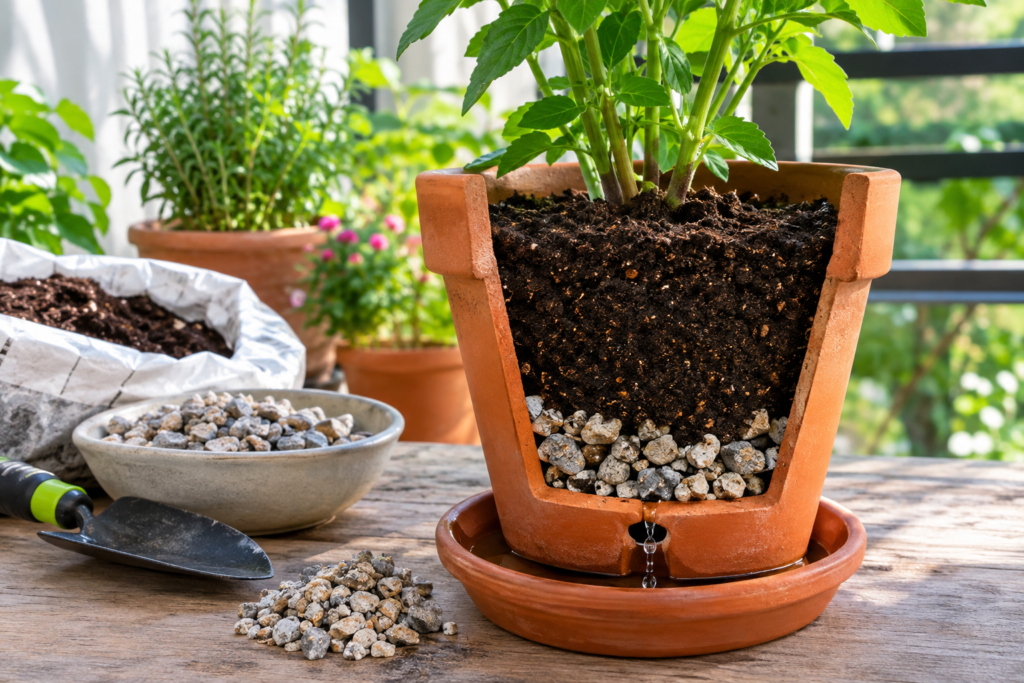
Make Sure Drainage Holes Are Not Blocked
Sometimes a pot has drainage holes, but they are not working properly because they have become blocked by soil or roots.
When I repot a plant, I always check the bottom of the container. If the drainage holes are covered with compacted soil, I gently clear them.
For pots placed outdoors, leaves, mud, and other debris can also collect underneath the container. Keeping the bottom of the pot clear helps water escape.
You can place the container on small pot feet, bricks, or a suitable stand if the bottom is sitting directly on a surface that blocks drainage. This is particularly useful for outdoor containers.
Should You Put Gravel at the Bottom of a Pot?
One common gardening suggestion is to put a thick layer of gravel at the bottom of a pot to improve drainage. However, simply adding gravel does not necessarily improve drainage through the soil above it.
In my experience, the better approach is to use a well draining potting mix throughout the container and make sure the drainage holes are open.
A thin layer of material may sometimes be used to keep soil from escaping through a large drainage hole, but you should not depend on a deep gravel layer as a solution for poor drainage.
The growing medium itself should have the right structure for the plant you are growing.
Choose the Correct Pot Size
Pot size can also affect drainage. A container that is much larger than the plant may hold more soil than the roots can use. That extra soil can remain wet for a long time after watering.
I prefer choosing a pot that provides enough room for healthy root growth without being unnecessarily large.
When moving a plant into a larger container, increase the pot size gradually. A slightly larger pot is often easier to manage than placing a small plant directly into a very large container.
Use Perlite to Improve Drainage
Perlite is one of the materials I often consider when a potting mix needs better drainage. It is lightweight and creates additional air spaces within the soil.
Adding perlite can help prevent the growing medium from becoming overly compact. It can be especially useful for plants that prefer well drained conditions.
However, there is no single mixing ratio that works for every plant. Succulents, herbs, flowers, and vegetables can all have different requirements. Always consider the needs of the specific plant before changing the soil mixture.
Consider Pumice for Container Plants
Pumice is another useful material for improving soil structure. It is a porous volcanic material that can create air spaces and improve drainage.
I particularly like the idea of using pumice for plants that dislike sitting in wet soil. It is heavier than perlite, which can also help prevent the growing medium from becoming too lightweight.
Pumice can be useful in containers where you want a balance between drainage, air circulation, and moisture retention.
Keep Saucers From Holding Standing Water
Many indoor and outdoor pots are placed on saucers to catch excess water. Saucers are useful because they protect surfaces from water damage, but they can become a problem if they remain full of water.
After watering, check the saucer and empty standing water when necessary. I find this especially important for indoor plants because water trapped underneath the pot can keep the lower part of the soil unnecessarily wet.
The goal is to allow excess water to drain away rather than allowing the pot to sit in it.
Repot Plants When Soil Becomes Compacted
Over time, potting soil can become compacted. Organic material breaks down, roots fill the container, and the soil structure can change.
If water starts sitting on the surface instead of moving into the soil, or if the pot remains wet much longer than it normally does, I consider checking the root system and soil.
Repotting can give the plant fresh growing medium and more room for its roots. While repotting, remove damaged roots when appropriate and make sure the new container has good drainage holes.
Improve Drainage for Succulents and Cacti
Succulents and cacti are especially sensitive to excessive moisture. These plants generally prefer a growing medium that drains quickly.
For these plants, I would avoid heavy soil that stays wet for extended periods. A suitable cactus or succulent potting mix, combined with an appropriate container, can provide a much better growing environment.
Terracotta pots can also be useful because the material is porous and can allow some moisture to evaporate through the sides.
However, even with a terracotta pot, proper watering remains important.
Improve Drainage for Vegetables and Herbs
Container vegetables and herbs also need good drainage. Plants such as tomatoes, peppers, basil, mint, and many other herbs can grow successfully in pots when their basic needs are met.
For vegetables, I prefer using a high quality container mix that holds enough moisture for growth while still allowing excess water to escape.
Large vegetables often need larger containers because their root systems require more space. A suitable container combined with good soil drainage can make container vegetable gardening much easier.
Signs That a Plant Has Poor Drainage
Knowing the warning signs can help you fix drainage problems before serious damage occurs.
Some common signs include yellowing leaves, slow growth, wilting despite wet soil, unpleasant soil odor, mold on the soil surface, and roots that appear dark or soft.
One sign I pay particular attention to is a plant that looks thirsty even though the soil is constantly wet. This can happen when damaged roots are no longer functioning properly.
If you notice these symptoms, check the drainage holes, inspect the soil, review your watering schedule, and consider whether the pot is too large for the plant.
Simple Ways to Improve Drainage in Plant Pots
If you want a quick checklist, these are the methods I would start with:
Choose pots with proper drainage holes.
Use a quality potting mix instead of heavy garden soil.
Add perlite or pumice when appropriate for the plant.
Avoid using a container that is much too large.
Check that drainage holes remain open.
Do not allow pots to sit in standing water.
Water according to the plant’s needs instead of following a fixed daily schedule.
Repot plants when the soil becomes severely compacted or the roots outgrow the container.
Use fast draining soil for plants that dislike wet conditions.
Place outdoor containers where excess water can escape easily.
Final Thoughts
Learning how to improve drainage in plant pots has made container gardening much easier for me. I have found that good drainage is not about simply adding rocks or watering less. It is about creating the right combination of a suitable container, healthy potting mix, open drainage holes, and sensible watering habits.
Every plant has different moisture requirements, so I always try to understand what the plant actually needs before changing its growing conditions. Some plants prefer consistently moist soil, while others need the soil to dry between watering.
If your container plants are struggling with wet soil, start with the basics. Check the drainage holes, examine the potting mix, make sure the container is an appropriate size, and adjust your watering routine.
With these simple changes, you can create a healthier root environment and give your plants a much better chance to grow strongly. Good drainage may seem like a small part of container gardening, but in my experience, it can make a major difference in the overall health and appearance of your plants.
Frequently Asked Questions
How can I improve drainage in a plant pot?
Start by using a pot with drainage holes and a well draining potting mix. You can also add materials such as perlite or pumice when appropriate for the plant.
Is gravel good for plant pot drainage?
A thick layer of gravel at the bottom of a pot is not a reliable solution for poor drainage. Good quality potting soil and proper drainage holes are more important.
Why is my potting soil staying wet?
The soil may be too compact, the pot may be too large, the drainage holes may be blocked, or the plant may be receiving too much water.
Should every plant pot have drainage holes?
Most container plants benefit from drainage holes because excess water needs a way to escape. Plants that are sensitive to wet soil especially benefit from containers with good drainage.
Can I add perlite to potting soil?
Yes. Perlite can help create air spaces and improve drainage in many container mixes. The amount should depend on the plant and the type of growing medium being used.
How often should I water plants in pots?
There is no universal watering schedule. Check the moisture of the soil and consider the plant, pot size, weather, sunlight, and growing conditions before watering.