 snailhas25000teeth
Related Articles
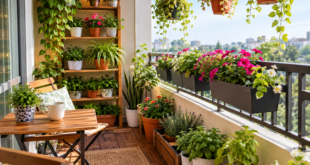
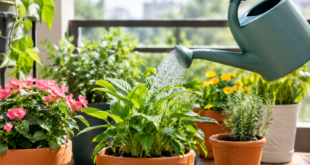
Container gardening is one of the easiest ways to bring greenery into your home, especially when you do not have a large garden. From my experience, you do not need a huge outdoor space to enjoy fresh herbs, colorful flowers, or even homegrown vegetables. A few good containers, quality potting soil, sunlight, water, and a little patience can be enough to create a beautiful container garden.
I personally think growing plants in containers is a great option for beginners because it gives you better control over the growing environment. You can move pots when the weather changes, place plants where they receive the right amount of sunlight, and replace or improve the soil whenever necessary.
In this article, I am sharing 10 of the best plants to grow in containers at home. These plants are popular, practical, and suitable for different types of home gardens, including balconies, patios, windowsills, rooftops, and small outdoor spaces.
1. Basil
Basil is one of my favorite herbs for container gardening because it grows quickly and does not require a large pot. It also gives you a useful harvest throughout the growing season.
Basil prefers plenty of sunlight, so I recommend placing the container in a location that receives several hours of direct sunlight each day. Keep the soil slightly moist but avoid keeping it constantly wet.
Regularly picking the leaves can encourage the plant to produce more growth. Fresh basil is excellent for pasta, salads, sauces, sandwiches, and homemade pizza.
For beginners, basil is a rewarding choice because you can see noticeable growth relatively quickly.
2. Mint
Mint is another excellent plant for growing in containers. It grows vigorously and can spread quickly when planted directly in the ground. This is one reason I prefer growing mint in a pot.
Mint usually appreciates bright light and consistently moist soil. However, the exact amount of sunlight it needs can depend on your local climate.
One advantage of container grown mint is that you can easily keep it under control. You can harvest the leaves for tea, drinks, desserts, salads, and cooking.
If you want an easy herb that provides plenty of fresh leaves, mint is definitely worth considering.
3. Cherry Tomatoes
Cherry tomatoes are among the best vegetables to grow in containers. Watching small green tomatoes gradually turn red can be surprisingly satisfying.
For good results, choose a reasonably large container because tomato plants need enough room for their roots. They also need plenty of sunlight and regular watering.
Some cherry tomato varieties remain relatively compact, making them suitable for patios and balconies. Other varieties may need support as they grow.
I recommend using a sturdy stake or suitable plant support when necessary. With proper care, a single container can produce a useful supply of fresh tomatoes.
4. Rosemary
Rosemary is a fantastic container plant if you want something attractive and useful in the kitchen. Its narrow green leaves have a strong fragrance, and the plant can remain attractive throughout much of the year in suitable climates.
Rosemary generally prefers plenty of sunlight and well draining soil. One mistake beginners sometimes make is watering it too frequently.
I find rosemary easier to manage when the soil is allowed to dry somewhat between watering sessions. A container with drainage holes is especially important.
Fresh rosemary can be used with roasted vegetables, potatoes, breads, soups, and many other dishes.
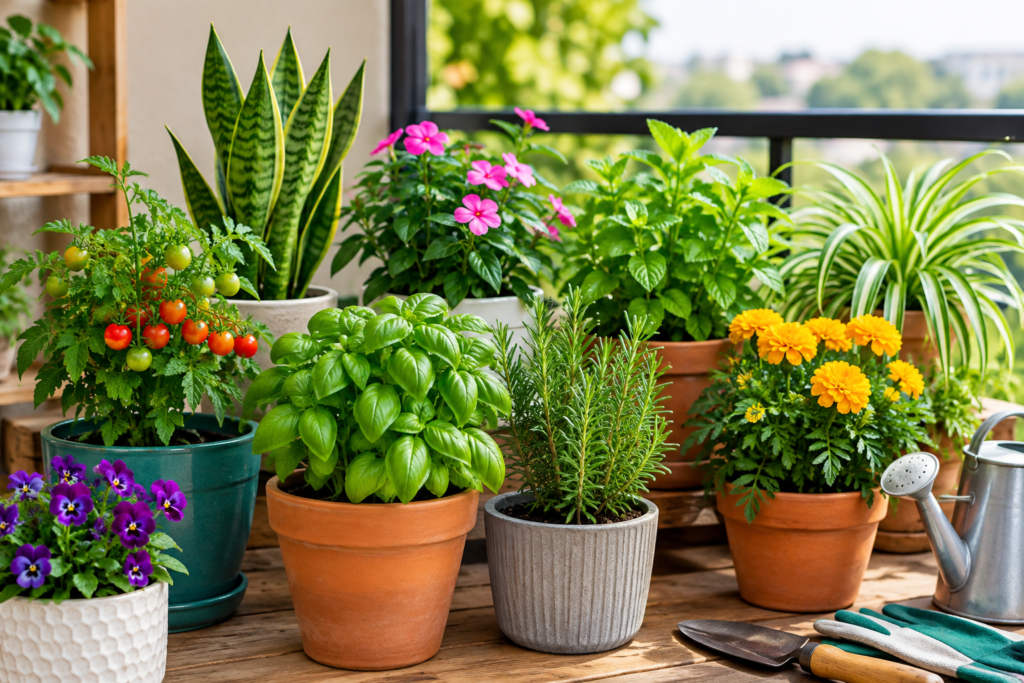
5. Marigolds
If your main goal is to add color to your container garden, marigolds are an excellent choice. Their bright flowers can make even a small balcony or patio look much more cheerful.
Marigolds generally enjoy sunlight and can grow well in containers when provided with suitable soil and drainage.
Another benefit is that they are relatively straightforward for beginners. Remove faded flowers when appropriate to help maintain a tidy appearance and encourage continued flowering.
I like using marigolds around edible plants because they add visual interest while making the garden feel more complete.
6. Lettuce
Lettuce is one of the easiest vegetables to grow in containers, particularly when you want something useful rather than purely decorative.
It does not require the deep root space needed by many larger vegetables. A suitable container filled with good quality potting mix can provide enough room for several plants, depending on the variety and container size.
Lettuce prefers cooler growing conditions, so timing is important. In hot weather, it may struggle or become bitter and bolt quickly.
One thing I like about growing lettuce at home is that you can harvest fresh leaves when you need them. This makes it a practical choice for small gardens.
7. Strawberries
Strawberries can be grown successfully in containers and are particularly attractive when the plants begin producing fruit.
You can use ordinary pots, hanging containers, or specially designed strawberry planters. Good sunlight and suitable drainage are important for healthy growth.
The advantage of container gardening is that you can place strawberry plants somewhere convenient for watering and harvesting. It also makes it easier to protect the plants from certain garden problems.
Growing strawberries requires a little patience, but seeing your first fruits develop makes the effort worthwhile.
8. Snake Plant
Not every container plant needs to produce food or flowers. Snake plants are excellent choices when you want attractive indoor greenery with relatively simple care requirements.
Snake plants are known for their upright leaves and ability to tolerate a range of indoor conditions. They generally prefer well draining soil and should not be kept constantly wet.
I consider snake plants especially useful for people who sometimes forget to water their plants. Overwatering is usually a bigger concern than underwatering.
Choose a container with drainage holes and place the plant somewhere with suitable indirect light. While snake plants are adaptable, good lighting can help support healthy growth.
9. Spider Plant
Spider plants are another popular choice for growing indoors. They have long, narrow leaves that can create a fresh and attractive appearance.
One feature that makes spider plants interesting is their ability to produce small plantlets that develop from the mother plant. These can eventually be used to grow additional plants.
Spider plants generally prefer bright indirect light but can adapt to different indoor conditions. Water when the soil begins to dry rather than keeping it constantly saturated.
I think spider plants are particularly suitable for beginners because they are attractive without demanding complicated care.
10. Aloe Vera
Aloe vera is a useful container plant that can add an interesting shape and texture to an indoor or outdoor plant collection.
It is a succulent, so it stores water in its leaves and generally prefers well draining soil. Too much water can cause root problems, so I would avoid treating it like a plant that needs frequent watering.
Aloe vera generally enjoys bright light. If you grow it indoors, place it near a bright window where it can receive plenty of suitable light.
Its thick green leaves also make it visually different from many traditional houseplants.
How to Choose the Right Container
Choosing the right container is just as important as selecting the plant. In my opinion, beginners often focus heavily on the plant while forgetting about the pot.
Always consider the mature size of the plant. A small herb may be comfortable in a smaller container, while tomatoes and strawberries may need more room.
Drainage is extremely important. The container should have drainage holes that allow excess water to escape. Without proper drainage, the soil can remain too wet and damage the roots.
You should also think about the material. Terracotta pots are popular because they are attractive and porous, while plastic containers are lightweight and easy to move.
Use Good Quality Potting Soil
Regular garden soil is not always the best choice for containers. Container plants usually benefit from a quality potting mix that provides suitable drainage and moisture retention.
The right growing medium allows roots to receive air while still holding enough moisture for healthy growth.
Different plants have different preferences. For example, herbs such as rosemary generally appreciate better drainage, while lettuce prefers a more moisture retentive growing environment.
Give Plants the Right Amount of Sunlight
Sunlight is one of the most important factors in successful container gardening.
Before choosing where to place a container, observe the amount of sunlight available. A sunny balcony may be perfect for tomatoes, basil, rosemary, and marigolds.
Indoor plants such as snake plants and spider plants can work better in locations with suitable indoor lighting.
One of the biggest mistakes I see beginners make is choosing a plant first and then trying to find a suitable location afterward. I prefer doing the opposite. Look at your available space, understand its lighting conditions, and then select plants that match those conditions.
Watering Container Plants
Container plants often need more frequent attention than plants growing in the ground because containers have a limited amount of soil.
However, watering every plant on the same schedule is not a good idea. Different plants have different moisture requirements.
Before watering, check the soil. If it is still wet, you may not need to add more water. If the upper layer has dried and the plant needs moisture, water thoroughly until some water drains from the bottom.
Weather also makes a difference. Hot, dry conditions can cause containers to dry much faster than cool or humid weather.
Fertilizing Container Plants
Plants growing in containers eventually use nutrients from their growing medium. Depending on the plant and potting mix, occasional fertilizing may help support healthy growth.
Always follow the instructions on the fertilizer product you choose. More fertilizer does not necessarily mean faster or healthier growth.
For edible plants such as tomatoes, basil, and lettuce, use a fertilizer appropriate for edible garden plants and follow the recommended application rate.
Common Container Gardening Mistakes
There are several simple mistakes that can make container gardening more difficult.
The first is choosing a container that is too small. When roots become crowded, plant growth can suffer.
The second is poor drainage. A beautiful container is not useful if excess water cannot escape.
The third is overwatering. Many beginners assume that more water means better growth, but this can actually create serious root problems.
Another mistake is ignoring sunlight. A plant that requires strong sunlight will not perform well in a dark corner.
Finally, do not expect every plant to grow perfectly immediately. Gardening involves observation, adjustment, and learning.
Final Thoughts
Growing plants in containers is one of the simplest ways to start gardening at home. You can grow useful herbs such as basil, mint, and rosemary, produce vegetables such as cherry tomatoes and lettuce, enjoy fruits such as strawberries, or add attractive greenery with snake plants, spider plants, and aloe vera.
From my point of view, the best container garden is not necessarily the biggest one. Even a few healthy plants can make a balcony, patio, windowsill, or small outdoor area feel completely different.
Start with plants that match your available sunlight and space. Choose containers with good drainage, use suitable potting soil, learn the watering requirements of each plant, and give yourself time to understand what works in your environment.
The most important thing is to enjoy the process. Once you successfully grow your first few plants, you may find yourself wanting to experiment with even more herbs, flowers, fruits, and vegetables. Container gardening can turn a small space into a productive and beautiful home garden with surprisingly little equipment.