 snailhas25000teeth
Related Articles
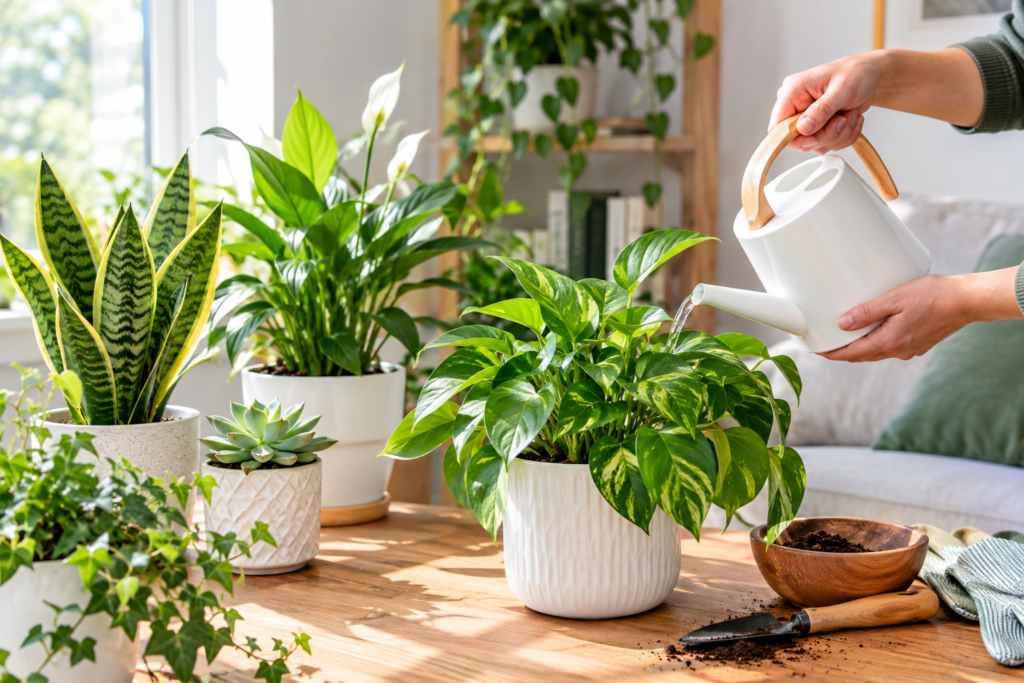
Taking care of plants at home is one of the simplest ways to make a living space feel fresh, peaceful, and welcoming. In my opinion, you do not need to be an expert gardener or have a large garden to enjoy healthy plants. Even a few plants placed near a window, on a balcony, or in a small corner can make a noticeable difference.
The important thing is to understand what your plants actually need. Water, sunlight, suitable soil, proper pots, enough space, and regular attention all play an important role in plant care. I have found that plants usually do not need constant attention. They simply need the right care at the right time.
If you are a beginner and want to learn how to take care of plants at home, this guide will help you understand the basic steps. With a little patience and consistency, you can keep your indoor and outdoor plants healthy throughout the year.
Choose the Right Plants for Your Home
The first step in home plant care is choosing plants that match your environment. Every plant has different needs. Some plants grow well in bright sunlight, while others can survive in areas with less light.
Before buying a plant, I recommend checking how much sunlight is available in your home. If you have a bright window, you can consider plants that enjoy plenty of natural light. If your room has limited sunlight, choose plants that are more comfortable in low light conditions.
It is also important to consider the temperature and humidity of your home. Plants that prefer warm and humid conditions may not perform well in a very dry environment.
Choosing the right plant from the beginning can make plant care much easier.
Give Your Plants Enough Sunlight
Sunlight is one of the most important requirements for healthy plant growth. Plants use sunlight to produce energy through photosynthesis, which helps them grow and remain strong.
The amount of sunlight needed depends on the type of plant. Some plants need several hours of direct sunlight every day, while others prefer bright but indirect light.
If you notice that a plant is growing slowly, becoming weak, or producing pale leaves, insufficient light could be one possible reason. On the other hand, leaves that become scorched or develop brown patches may be receiving too much direct sunlight.
I usually recommend observing the plant rather than following a fixed rule for every plant. Look at its leaves and growth pattern. They can often tell you whether the plant is comfortable in its current location.
Water Plants Properly
Watering is probably the part of plant care that beginners struggle with the most. Many people think that giving plants plenty of water will help them grow faster. In reality, overwatering can cause serious problems.
Before watering, check the soil. Put your finger slightly into the soil and feel whether it is still moist. If the upper layer feels dry, the plant may need water.
Different plants require different watering schedules. Some plants prefer consistently moist soil, while others need the soil to dry out between watering sessions.
When you water a plant, make sure excess water can escape through drainage holes. Water sitting at the bottom of a pot can lead to root problems.
In my experience, it is better to understand your plant’s needs than to water every plant according to the same schedule.
Use Good Quality Soil
Healthy soil provides plants with support, nutrients, air, and moisture. Using the right soil can make a major difference in plant health.
Different plants may require different types of soil. Succulents and cactus plants usually prefer soil that drains quickly, while some tropical plants prefer soil that can hold more moisture.
Avoid using very compact soil that becomes hard after watering. Roots need access to air as well as water.
If you are growing indoor plants, using a suitable potting mix is generally a practical choice. Good quality soil can help improve drainage and provide a better environment for root growth.
Choose the Right Pot
The pot you choose is also important. A beautiful pot may look attractive, but it should also provide a suitable growing environment for the plant.
Make sure the pot is large enough for the plant’s roots. A pot that is too small can restrict root growth. However, choosing a pot that is much larger than necessary can also create problems because excess soil may hold moisture for too long.
Drainage holes are especially important. They allow excess water to leave the pot and reduce the risk of waterlogged soil.
As the plant grows, check whether it needs to be moved into a larger container.
Keep Leaves Clean
Indoor plant leaves can collect dust over time. Dust can make plants look dull and may interfere with the amount of light reaching the leaves.
You can gently clean large leaves with a soft, damp cloth. For smaller plants, a gentle shower or light spray may help, depending on the plant.
Be careful not to damage delicate leaves. Avoid using household cleaning products on plant leaves because they can cause damage.
Clean leaves can also make your indoor plants look much healthier and more attractive.
Feed Your Plants When Needed
Plants need nutrients to grow properly. While good soil provides some nutrients, potted plants may eventually need additional plant food.
Fertilizer should be used according to the requirements of the particular plant. Using too much fertilizer can damage roots and leaves, so more is not always better.
I prefer following the instructions provided with a suitable fertilizer and adjusting the feeding routine according to the plant’s growth and season.
Plants often grow more actively during their growing season and may need more nutrients during that period. Their needs can decrease when growth slows.
Check Plants for Pests
Even healthy looking plants can sometimes develop pest problems. Common houseplant pests include insects that feed on leaves, stems, or new growth.
Check your plants regularly, especially underneath the leaves and around new shoots. Look for unusual spots, sticky residue, damaged leaves, or small insects.
Finding a pest problem early makes it easier to deal with. If you notice something unusual, separate the affected plant from other plants until you understand the problem.
Regular observation is one of the easiest ways to protect your home garden.
Prune Damaged Leaves and Stems
Pruning can help keep plants neat and encourage healthier growth. Remove dead, yellow, or seriously damaged leaves when appropriate.
Use clean and sharp gardening scissors for pruning. Avoid cutting healthy parts unnecessarily.
Pruning requirements vary between plants. Some plants benefit from regular trimming, while others need very little pruning.
I believe the best approach is to understand the natural growth pattern of the plant before cutting it.
Give Plants Enough Space
Plants need space for their leaves and roots. Keeping too many plants in one small area can create poor air circulation and make care more difficult.
When arranging indoor plants, leave enough space between containers. This also makes watering, cleaning, and checking for pests easier.
If a plant becomes too large for its location, consider moving it to a more suitable place rather than constantly trimming it.
Understand Seasonal Changes
Plant care should change with the seasons. A plant may need more water during hot weather and less water during cooler periods.
During warmer months, sunlight can also become stronger. A plant that was comfortable near a window may need protection from intense afternoon sunlight.
During colder months, growth may slow down. Avoid continuing the same watering and feeding routine without checking the condition of the soil and plant.
Learning how your plants respond to seasonal changes can make home gardening much easier.
Do Not Overwater Your Plants
I think this point deserves special attention because overwatering is one of the most common mistakes beginners make.
A plant can look unhealthy because of both too little water and too much water. When the soil remains constantly wet, roots may not receive enough oxygen and can become damaged.
Instead of watering automatically every day, check the soil and observe the plant.
A simple habit of checking the soil before watering can prevent many common plant care problems.
Pay Attention to Your Plants
One of the best ways to take care of plants at home is simply to observe them regularly. You do not need to spend hours every day.
Take a few minutes to look at the leaves, soil, stems, and overall growth. Changes in appearance can provide useful clues.
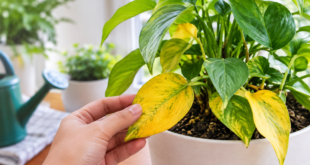
For example, yellow leaves, drooping stems, dry soil, slow growth, and brown leaf edges can indicate that something needs attention. These signs do not always have one specific cause, so it is important to consider watering, light, temperature, soil, and pests together.
Over time, you will become more familiar with what your plants normally look like.
Common Plant Care Mistakes to Avoid
Beginners often make a few simple mistakes when caring for plants at home.
One common mistake is watering according to a strict daily schedule. Plants do not all have the same water requirements.
Another mistake is placing every plant in direct sunlight. Some plants can become damaged by strong sunlight.
Using a pot without drainage is another problem. Excess water needs somewhere to go.
People also sometimes move plants from one location to another too frequently. Plants need time to adjust to their environment.
Finally, do not become discouraged if a plant struggles. Gardening is a learning process. Even experienced plant owners sometimes lose plants.
Create a Simple Plant Care Routine
A simple routine can help you stay consistent. Once or twice a week, check your plants and look at the soil. Remove dead leaves when necessary and inspect the plants for pests.
Check whether each plant is receiving suitable light. Rotate some plants occasionally if their growth is leaning toward one direction, provided the plant is suitable for this practice.
Water only when needed, and remember that different plants have different requirements.
Once a month, you can take a closer look at the overall condition of your plants, pots, soil, and growing space.
The goal is not to create a complicated gardening routine. The goal is to give your plants regular and thoughtful care.
Final Thoughts
Learning how to take care of plants at home does not have to be difficult. In my view, the most important things are choosing suitable plants, providing the right amount of sunlight, watering correctly, using good soil, ensuring proper drainage, and paying attention to changes in plant health.
You do not need expensive equipment or a large garden to become successful at home gardening. Start with a few easy plants and learn their basic requirements. As you gain experience, you can gradually add more varieties to your collection.
The biggest lesson I have learned about plant care is that consistency matters more than perfection. Plants respond to their environment, and small changes in your care routine can make a big difference over time.
With patience, observation, and regular care, your plants can become a beautiful part of your home. Whether you have a small indoor plant or a complete home garden, taking care of plants can be a rewarding and enjoyable habit.