 snailhas25000teeth
Related Articles
Growing tomatoes at home is one of the most rewarding things I have experienced in gardening. There is something special about picking a fresh, ripe tomato from a plant that I have grown myself. Homegrown tomatoes often taste fresher and more flavorful than many tomatoes bought from the market. The best part is that you do not need a large garden to grow them. With a suitable pot, good soil, enough sunlight, and regular care, you can grow healthy tomato plants on a balcony, terrace, backyard, or even a small garden space.
If you are wondering how to grow tomatoes at home, the process is actually quite simple once you understand what tomato plants need. In this guide, I will explain the steps I find most useful, from choosing the right variety to planting, watering, supporting, and harvesting tomatoes.
Choose the Right Tomato Variety
The first step in growing tomatoes at home is choosing a variety that suits your available space. Tomato plants come in many different types, and some grow much larger than others.
If you are growing tomatoes in containers, compact or determinate varieties are often a good choice. These plants usually have a more manageable growth pattern and can produce a good crop without taking over a large area.
Cherry tomatoes are also excellent for beginners. They are usually productive and can be grown successfully in suitable containers. Larger varieties can also be grown at home, but they may need more space and stronger support.
Before buying seeds or seedlings, I recommend checking the expected mature size of the plant. This small step can save you from having a crowded garden later.
Find a Sunny Location
Tomatoes love sunlight. In my experience, choosing the right location is one of the most important parts of successful tomato gardening.
Try to place your tomato plant where it can receive plenty of direct sunlight during the day. A sunny backyard, rooftop, terrace, or balcony can work well as long as the plant receives enough light.
Good sunlight helps tomato plants develop strong growth and supports flowering and fruit production. If the plant is placed in a very dark location, it may become weak and produce fewer tomatoes.
You should also choose a location with reasonable air circulation. Good airflow around the plant can help reduce problems associated with excessive moisture and crowded foliage.
Prepare Good Soil
Healthy soil gives tomato plants a strong foundation. Tomatoes generally perform well in loose, fertile soil that drains properly.
I prefer using a quality potting mix combined with mature compost or another suitable organic material. The goal is to provide nutrients while still allowing excess water to drain away.
Avoid using heavy soil that stays wet for a long time. Poor drainage can create problems for the roots and may weaken the entire plant.
If you are planting tomatoes directly in the garden, loosen the soil before planting. Remove large stones and weeds and mix in compost if the soil needs more organic matter.
Select the Right Container
Growing tomatoes in pots is a great option when you do not have a traditional garden. However, the container needs to be large enough for the plant and its roots.
Choose a strong container with drainage holes at the bottom. The exact container size depends on the tomato variety, but larger growing varieties generally need more root space.
I have found that drainage is just as important as container size. Even a large pot can cause problems if excess water has nowhere to escape.
Place a saucer underneath the container if needed, but do not allow the pot to remain permanently in standing water.
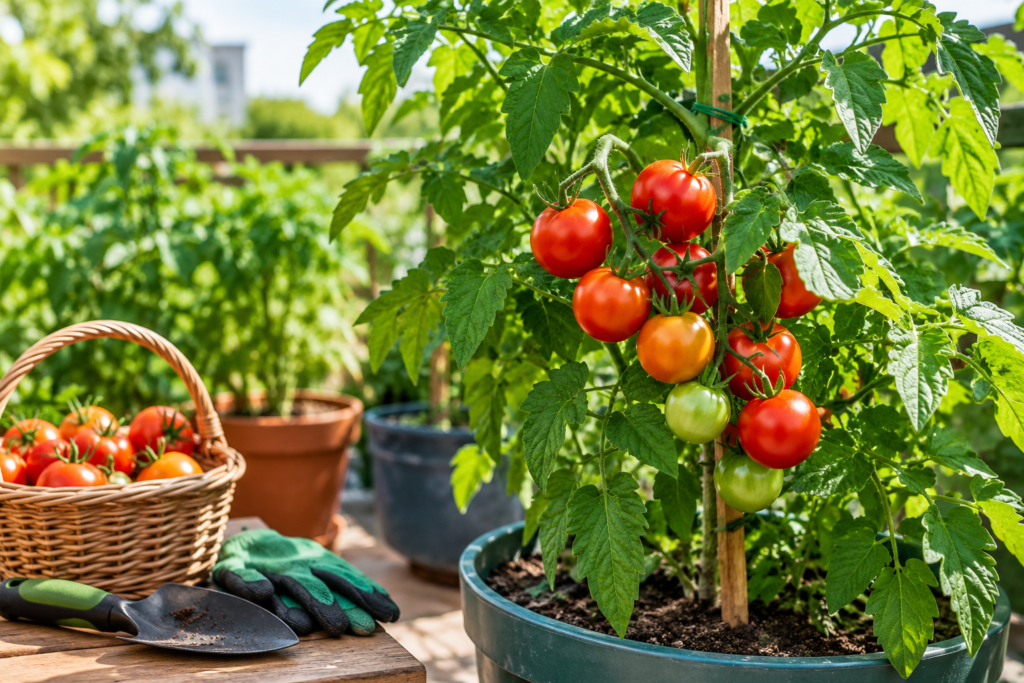
Plant Tomato Seeds or Seedlings
You can grow tomatoes from seeds or purchase young seedlings. Growing from seeds can be satisfying and gives you more varieties to choose from, while seedlings are usually easier for beginners who want a quicker start.
If starting from seeds, sow them in a suitable seed starting mix and keep the soil lightly moist. Once the young plants develop into healthy seedlings, they can gradually be moved into larger containers or the garden.
When planting a seedling, make a suitable hole in the soil and place the plant carefully inside. Tomatoes have the useful ability to develop additional roots along their buried stem, so planting a healthy seedling slightly deeper can help create a stronger root system.
After planting, water gently so the soil settles around the roots.
Water Tomatoes Correctly
Watering is one of the most important parts of tomato plant care. The goal is to provide consistent moisture without keeping the soil constantly soaked.
I usually check the soil before watering rather than following a strict schedule. If the surface feels dry, it may be time to water. During hot weather, container plants may need water more frequently because pots can dry out quickly.
Water near the base of the plant and try to avoid repeatedly soaking the leaves. Watering early in the day is often convenient because excess moisture has time to dry.
The most important thing is consistency. Large changes between very dry soil and excessive watering can put unnecessary stress on the plant and may contribute to fruit problems.
Feed Your Tomato Plants
Tomatoes are productive plants, so they need access to nutrients throughout their growing period. Good compost can provide some nutrition, while a suitable tomato fertilizer can be used when additional feeding is needed.
Always follow the instructions on the fertilizer package. Using more fertilizer does not automatically mean more tomatoes. Excessive feeding can sometimes encourage lots of leafy growth without producing the results you want.
I prefer paying attention to the overall appearance of the plant. Healthy green leaves, steady growth, flowers, and developing fruit are all useful signs that the plant is progressing well.
Give the Plant Proper Support
Many tomato plants become heavy as they grow and produce fruit. Without support, branches can bend toward the ground and may become damaged.
A simple wooden stake, tomato cage, or other suitable plant support can make a big difference.
I recommend installing the support early rather than waiting until the plant becomes large. Adding support when the plant is already crowded can disturb the roots or damage branches.
As the tomato plant grows, gently tie the main stems to the support using soft garden ties. Do not tie them too tightly because the stem will continue to grow.
Remove Unwanted Growth Carefully
Some tomato varieties benefit from occasional pruning or removal of certain side shoots. This can help keep the plant manageable and improve airflow.
However, I do not recommend aggressively removing large amounts of foliage without understanding the variety you are growing. Leaves are important because they help the plant produce energy.
For beginners, it is usually better to focus on removing damaged or diseased leaves and keeping the plant reasonably open rather than heavily pruning it.
Watch for Pests and Plant Problems
Tomato plants can sometimes attract insects and develop diseases. Regular inspection makes it easier to notice problems early.
Look at the leaves, stems, flowers, and fruit every few days. Check for unusual spots, holes, curling leaves, insects, or sudden changes in growth.
If you notice a problem, identify it before applying any treatment. Different pests and diseases require different solutions. Keeping plants healthy through proper sunlight, watering, spacing, and airflow can also help reduce many common gardening problems.
I have learned that prevention is often easier than trying to fix a badly damaged plant later.
Help Flowers Become Fruit
Tomato plants produce flowers before they develop tomatoes. Good growing conditions generally encourage successful fruit production.
Tomatoes are capable of self pollination, but gentle movement from wind or visiting insects can help distribute pollen. In an enclosed growing area, lightly shaking the supporting stem can sometimes help.
Avoid disturbing flowers unnecessarily. Instead, focus on providing suitable sunlight, consistent watering, and healthy growing conditions.
Once pollination is successful, you should gradually notice small green tomatoes forming where the flowers were.
Be Patient as Tomatoes Develop
One thing I always remind beginner gardeners is that plants need time. It can be tempting to check the plant every day expecting ripe tomatoes, but fruit development takes time.
Small green tomatoes gradually increase in size and eventually begin changing color. The exact timing depends on the variety, temperature, sunlight, and overall growing conditions.
Keep caring for the plant while the fruit develops. Continue watering consistently, provide support, and inspect the plant regularly.
Harvest Tomatoes at the Right Time
Harvesting is easily one of my favorite parts of growing tomatoes at home. The best time to harvest depends on how ripe you want the fruit to be and how you plan to use it.
For the best fresh flavor, allow tomatoes to develop their characteristic ripe color and gently pick them from the plant. Some gardeners harvest slightly earlier if they need to transport or store the fruit.
Handle ripe tomatoes carefully because they can bruise easily.
If your plant produces more tomatoes than you can eat immediately, you can share them with family and friends or use them in salads, sauces, sandwiches, and homemade meals.
Common Mistakes to Avoid
Beginners often make a few simple mistakes when learning how to grow tomatoes at home.
One common mistake is choosing a container that is too small. Another is placing the plant somewhere without enough sunlight. Overwatering is also a frequent problem, especially when gardeners follow a fixed schedule instead of checking the soil.
I also recommend avoiding overcrowding. Give tomato plants enough room for their leaves and branches to receive sunlight and air.
Finally, do not become discouraged if your first attempt is not perfect. Gardening is a learning process. Each season teaches you something new about your soil, weather, watering routine, and the varieties that perform best in your space.
Final Thoughts
Learning how to grow tomatoes at home does not require expert gardening skills. You mainly need a healthy plant, suitable soil, enough sunlight, proper watering, and regular attention.
For me, the greatest benefit of homegrown tomatoes is not only saving a little money or having fresh produce available. It is the satisfaction of watching a small plant grow from a seedling into a productive plant filled with colorful fruit.
If you are new to gardening, tomatoes are a great crop to start with. Begin with one or two plants, observe how they grow, and learn from the experience. With patience and consistent care, you can enjoy fresh tomatoes grown right at home.