 snailhas25000teeth
Related Articles
Growing coriander from seeds at home is one of the easiest and most rewarding ways to start a small kitchen garden. I personally like coriander because it does not require a large space, expensive equipment, or complicated gardening skills. With a suitable pot, good soil, regular watering, and enough sunlight, you can grow fresh coriander right on your balcony, terrace, windowsill, or in a small garden.
Fresh coriander has a special place in everyday cooking. Its leaves can add freshness and flavor to curries, salads, chutneys, soups, rice dishes, and many other meals. Growing it at home also means you can pick only what you need instead of buying a bunch from the market and watching the remaining leaves lose their freshness.
In this guide, I will explain how to grow coriander from seeds at home, from choosing the right container and preparing the soil to harvesting fresh leaves.
Choose the Right Coriander Seeds
The first step in growing coriander is choosing good quality seeds. You can buy coriander seeds from a gardening store or use whole coriander seeds intended for planting.
I recommend using fresh seeds because older seeds may have a lower germination rate. Look for seeds that are clean, dry, and free from signs of moisture or damage.
One important thing I have learned is that coriander seeds are actually small fruits containing two seeds. Gently crushing or splitting them before planting can sometimes help improve germination. However, they should not be crushed into powder. The goal is simply to separate the seed halves carefully.
Select a Suitable Pot
Coriander does not need a huge container, but the pot should provide enough room for the roots to develop. A container around 6 to 8 inches deep can work well for growing coriander, while a wider planter allows you to grow more plants together.
Make sure the container has drainage holes at the bottom. Good drainage is extremely important because excess water can make the soil too wet and may damage the roots.
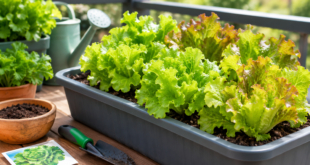
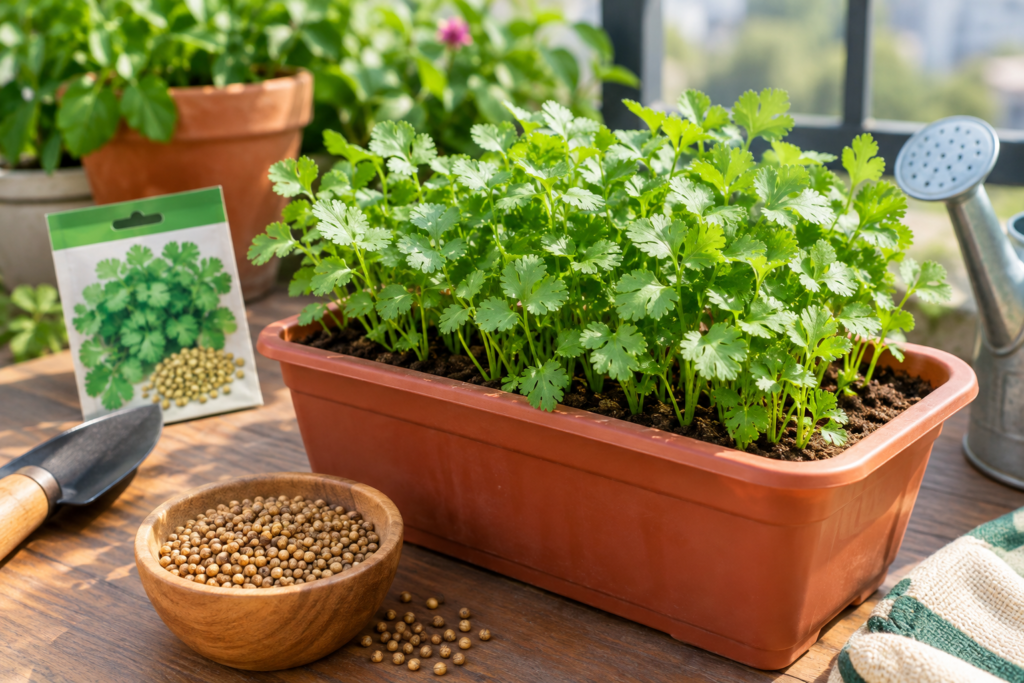
If you are growing coriander on a balcony, a rectangular planter can be a practical choice because it gives you plenty of growing space without taking up too much room.
Prepare the Soil
Good soil is one of the most important factors when growing coriander from seeds. I prefer using a light and well draining potting mix rather than heavy garden soil.
You can make a simple growing mixture using regular garden soil, compost, and another material that improves drainage, such as cocopeat or coarse sand.
The soil should be rich enough to support healthy leaf growth but loose enough for water to drain easily. Before planting, remove large stones, pieces of roots, and other debris from the soil.
Adding a small amount of mature compost can also provide nutrients that help young coriander plants establish themselves.
Plant the Coriander Seeds
Once the pot and soil are ready, it is time to sow the seeds.
Make shallow holes or grooves in the soil. Place the coriander seeds about half an inch deep and cover them lightly with soil. Avoid planting them too deeply because young seedlings may struggle to reach the surface.
If you are planting several seeds in a container, leave some space between them. Coriander can be grown relatively close together when you mainly want young leaves, but overcrowding can reduce airflow and encourage problems.
After planting, water the soil gently. A watering can with a fine shower is useful because strong water pressure can move the seeds around.
Find the Right Location
Coriander grows best when it receives plenty of light. Place your container somewhere that receives several hours of sunlight each day.
Morning sunlight is especially useful because it provides light without the intense heat that can occur later in the day. In very hot weather, coriander may struggle if it is exposed to extreme afternoon heat for long periods.
This is particularly important in warm climates. If temperatures become very high, I would move the container to a location where the plants receive bright light and some protection from harsh afternoon sun.
Good air circulation is also helpful. Avoid placing the pot in a completely enclosed and humid corner.
Water Your Coriander Carefully
Watering is simple, but it is also one of the areas where beginners can make mistakes.
The soil should remain slightly moist while the seeds are germinating. Do not allow the soil to become completely dry during this stage. At the same time, avoid keeping it constantly soaked.
I usually check the surface of the soil with my finger. If the upper layer feels dry, it is usually time to water. The exact watering frequency depends on temperature, sunlight, soil type, and container size.
During hot weather, the soil may dry faster, so the plants may need more frequent watering. During cooler or rainy conditions, watering may be needed less often.
Always allow excess water to escape through the drainage holes.
Wait for Germination
Coriander seeds can take several days to germinate. Depending on the seed quality and growing conditions, you may begin seeing small green seedlings after about one to two weeks.
During this period, patience is important. Avoid digging into the soil to check whether the seeds are growing because this can disturb the developing roots.
Keep the soil lightly moist and provide adequate light once the seedlings appear.
When the first green shoots emerge, they may look delicate, but they will become stronger as they develop.
Give Seedlings Enough Space
If too many coriander seedlings grow close together, they may compete for light, water, and nutrients. Once the seedlings become established, you can remove some of the weaker or overcrowded plants.
Thinning does not mean throwing away all the extra plants. Young coriander seedlings can sometimes be used in cooking when they are large enough to handle.
I prefer leaving enough space for the remaining plants to receive good airflow and sunlight. This can help them develop healthier foliage.
Feed the Plants Naturally
Coriander is not usually a heavy feeder, especially when it is grown in good quality soil. However, adding a small amount of compost can support healthy growth.
If the soil already contains compost or another source of organic matter, you may not need to add fertilizer frequently.
Avoid applying excessive fertilizer because too much can cause unwanted growth or create an imbalance in the soil.
For a simple home garden, I find that good soil, sunlight, and consistent watering are often more important than complicated feeding routines.
Protect Coriander from Common Problems
Coriander is generally easy to grow, but it can still experience common gardening problems.
Yellow leaves can sometimes indicate overwatering, poor drainage, or other growing issues. If the soil stays wet for long periods, check whether the container has sufficient drainage.
Small insects can also appear on young plants. Regularly inspect the leaves and stems so you can notice problems early.
Good airflow, proper watering, suitable sunlight, and clean growing conditions can reduce many common problems.
I also recommend avoiding unnecessary chemical treatments in a small home kitchen garden. If a problem appears, identify it first and choose an appropriate gardening solution.
How Long Does Coriander Take to Grow?
Coriander grows relatively quickly compared with many other herbs. You can usually begin harvesting young leaves a few weeks after germination, although the exact timing depends on the variety and growing conditions.
If you want larger and fuller plants, allow them more time to develop.
One of the best things about growing coriander at home is that you do not necessarily need to harvest the entire plant at once. You can pick a few leaves when needed and allow the remaining plant to continue growing.
How to Harvest Fresh Coriander
When the coriander plants have developed enough leaves, you can start harvesting.
Use clean scissors or a sharp knife to cut the outer stems first. Avoid removing too much foliage from a single plant at one time. Leaving enough healthy leaves allows the plant to continue growing.
I prefer harvesting coriander just before cooking because the leaves are at their freshest. Pick what you need, wash it gently, and add it to your meal.
Regular harvesting can also encourage you to make better use of the plants instead of allowing them to become overgrown.
Growing Coriander for Seeds
If you allow some coriander plants to mature instead of harvesting all the leaves, they can eventually produce flowers and seeds.
The plant will develop small flowers followed by seeds. Once the seeds mature and dry, you can collect them for future planting or use them as a spice.
This gives you another benefit of growing coriander at home because one planting can potentially provide seeds for your next crop.
However, once coriander begins flowering, leaf production changes and the leaves may become less tender. If your main goal is fresh coriander leaves, regular harvesting before flowering is usually preferable.
Common Mistakes to Avoid
One common mistake is planting coriander seeds too deeply. Shallow planting is generally better because the seedlings need to reach the surface easily.
Another mistake is overwatering. More water does not always mean better growth. Coriander needs moisture, but its roots also need oxygen and proper drainage.
Using a very small container can also restrict root development. Choose a pot that gives the plants enough room to grow.
Finally, do not ignore the weather. Coriander prefers moderate growing conditions and may struggle during periods of extreme heat. Providing some afternoon protection can help in hot areas.
Final Thoughts
Learning how to grow coriander from seeds at home is a simple project that can give you fresh herbs with very little effort. You do not need a large garden or advanced gardening knowledge. A suitable container, healthy seeds, well draining soil, sunlight, and careful watering are enough to get started.
From my point of view, coriander is one of the best herbs for beginners because you can see results relatively quickly and use the harvest in everyday cooking. Once you successfully grow your first container, you can experiment with different pots, planting times, and growing locations.
The most important thing is to keep the process simple. Give the seeds good soil, avoid excessive water, provide suitable light, and pay attention to the plants as they grow. With a little patience and regular care, you can enjoy fresh homegrown coriander whenever you need it.
Growing coriander at home is not only practical but also a satisfying way to make your kitchen garden more useful. Even a small container can provide a surprisingly generous supply of fresh green leaves.