 snailhas25000teeth
Related Articles
Watering container plants seems like one of the easiest gardening tasks, but in my experience, it is also one of the areas where beginners make the most mistakes. Some people water their plants every day because they think more water means better growth, while others wait too long and allow the soil to become completely dry. The right approach is somewhere in between.
There is no single watering schedule that works for every container plant. How often you should water container plants depends on the type of plant, pot size, soil, weather, sunlight, humidity, and drainage. A plant growing in a small pot under direct sunlight may need water much more frequently than a larger plant growing in a shaded area.
I have found that the best way to understand watering is to pay attention to the soil and the plant rather than following a strict calendar. Once you learn what your plants need, watering container plants becomes much easier.
How Often Should You Water Container Plants?
Most container plants need watering when the top layer of soil feels dry. For many plants, checking the top one to two inches of soil with your finger is a simple way to know when it is time to water.
During hot and dry weather, container plants may need water every day or every other day. In mild weather, watering two or three times a week may be enough. Some plants with higher water requirements may need more frequent watering, while drought tolerant plants can usually go longer between watering sessions.
Indoor container plants generally dry out more slowly than outdoor plants. However, rooms with strong sunlight, heating, or air conditioning can cause soil to dry faster.
Instead of asking only how often to water container plants, I recommend asking another question first: Is the soil actually dry enough to need water?
That small change in thinking can prevent both overwatering and underwatering.
Why Container Plants Dry Out Faster
Plants growing in containers have a limited amount of soil. Unlike plants growing directly in the ground, their roots cannot search through a large area for moisture.
Container plants can also lose water quickly through drainage holes and evaporation. Small containers usually dry out faster because they contain less soil and hold less moisture.
The material of the pot also matters. Terracotta pots are porous, so they can allow moisture to evaporate through the sides. Plastic and glazed ceramic pots usually retain moisture for longer.
Sunlight and wind can also make a major difference. A container sitting on a sunny balcony can become dry surprisingly quickly, especially during summer.
This is why I never recommend using exactly the same watering schedule for every plant.
Factors That Affect Container Plant Watering
Several conditions determine how frequently you need to water your plants.
Plant Type
Different plants have different water requirements. Herbs such as basil and vegetables such as tomatoes generally appreciate consistent moisture. Succulents and many drought tolerant plants prefer the soil to dry more between watering.
Before creating a watering routine, it is helpful to understand the basic needs of the specific plant.
Pot Size
Small pots usually need watering more frequently than large pots. A small container has less soil available to hold moisture, so it can become dry quickly.
Large containers hold more moisture and can often go longer between watering sessions.
Weather
Weather has a huge effect on container plant watering. Hot temperatures increase evaporation, while cool and cloudy weather can slow drying.
During a hot summer, I check my containers much more frequently than I do during cooler months.
Sunlight
Plants receiving several hours of direct sunlight usually use water faster than plants growing in shade.
If a container receives strong afternoon sunlight, check its soil regularly. You may be surprised by how quickly moisture disappears.
Soil Type
Good quality potting soil should hold enough moisture for plants while still allowing excess water to drain.
Very compact soil can cause drainage problems. On the other hand, extremely fast draining soil may require more frequent watering.
The Best Way to Check If a Plant Needs Water
One of my favorite watering methods is also one of the simplest. I put my finger into the soil and feel the moisture.
If the upper layer feels dry but the soil underneath is still slightly moist, I usually wait. If the soil feels dry several inches down and the plant is showing signs that it needs moisture, it is generally time to water.
You can also lift the container if it is small enough. A dry pot often feels noticeably lighter than a freshly watered one.
Another useful method is observing the plant. Wilting leaves, drooping stems, and dry soil can indicate that a plant needs water. However, I would not wait for severe wilting every time because repeated stress can affect plant growth.
How Much Water Should Container Plants Get?
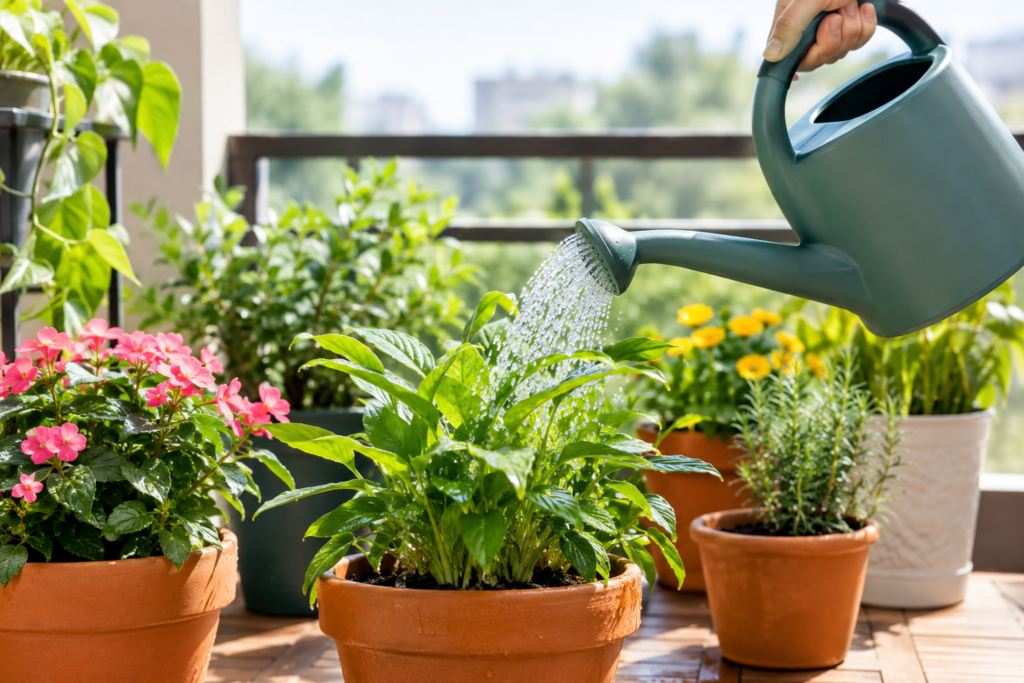
When you water a container plant, I recommend watering thoroughly rather than giving it only a small splash.
Pour water slowly over the surface of the soil until the soil becomes evenly moist and a small amount of water begins to come out of the drainage holes.
This helps moisture reach deeper into the container and encourages roots to grow throughout the available soil.
After watering, allow excess water to drain away. Do not leave the pot sitting in a tray full of water for long periods unless the particular plant requires consistently wet conditions.
A common mistake is giving a plant a tiny amount of water every day. This can wet only the upper surface while the deeper roots remain dry.
Deep and thorough watering is usually more useful than frequent light watering.
Signs of Underwatered Container Plants
Underwatering is one of the easiest problems to recognize once you know the signs.
The leaves may become droopy, dry, or crispy. Some plants may develop brown edges. The soil may pull away from the sides of the container when it becomes extremely dry.
A severely underwatered plant may look weak even though it was healthy previously.
If you notice these signs, check the soil before watering. If it is very dry, water slowly and thoroughly. Extremely dry potting soil may sometimes resist water at first, so applying water gradually can help it absorb moisture.
Signs of Overwatered Container Plants
Overwatering can be just as harmful as underwatering.
Yellow leaves, soft stems, consistently wet soil, unpleasant smells, and slow growth can indicate that a plant is receiving too much moisture or has poor drainage.
One thing I always keep in mind is that overwatering does not necessarily mean pouring a huge amount of water onto the plant once. It can also mean watering too frequently and not allowing the soil to dry appropriately between watering sessions.
Roots need oxygen as well as moisture. When soil remains saturated for too long, roots can struggle and may become vulnerable to root problems.
Best Time of Day to Water Container Plants
For outdoor container plants, morning is generally my preferred time for watering.
Morning watering gives the plant access to moisture during the warmer part of the day. It also allows leaves and surrounding surfaces to dry naturally.
Early evening can also work when necessary, especially during very hot weather. However, I prefer morning whenever possible because it fits well with a consistent gardening routine.
During extremely hot conditions, you should check plants more frequently rather than relying only on your normal schedule.
Watering Container Plants in Summer
Summer usually requires the most attention.
High temperatures, strong sunlight, and dry winds can make container soil lose moisture quickly. Small pots may need daily checking, and some plants may actually require watering every day during periods of extreme heat.
I recommend checking containers in the morning and again later in the day when temperatures are very high.
However, do not automatically water every plant simply because it is summer. Always check the soil first.
A plant sitting in a shaded area may remain moist much longer than one sitting in full afternoon sun.
Watering Container Plants in Winter
Container plants often need less water during winter because cooler temperatures reduce evaporation and many plants grow more slowly.
Watering on the same summer schedule during winter can easily lead to excessive moisture.
I usually allow the soil to become appropriately dry before watering and pay attention to the plant’s growth and location.
Indoor plants can still need regular watering during winter, especially when they are kept in warm rooms.
How Drainage Affects Watering
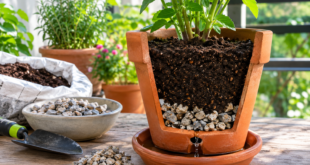
Good drainage is one of the most important parts of successful container gardening.
Every container should generally have suitable drainage holes for the type of plant being grown. Without drainage, excess water can remain around the roots.
If your pot has poor drainage, changing your watering schedule may not completely solve the problem. The container itself needs attention.
I also recommend using a quality potting mix rather than ordinary garden soil for most containers. Proper potting mixes are designed to provide a balance between moisture retention and drainage.
Should You Water Plants Every Day?
Not necessarily.
Daily watering can be appropriate for some plants under certain conditions, particularly during very hot weather or when plants are growing in small containers. But daily watering is not automatically better.
The important thing is to provide the amount of moisture your plant needs without keeping the soil unnecessarily saturated.
Instead of following the rule that every container plant should be watered daily, I prefer checking the soil regularly and adjusting the schedule according to conditions.
Tips for Creating a Simple Watering Routine
A simple routine can make container plant care much easier.
First, group plants with similar watering requirements together when possible. This makes it easier to care for them.
Second, check the soil regularly rather than watering based only on the day of the week.
Third, pay extra attention to small pots because they can dry quickly.
Fourth, check plants after major weather changes. A heatwave, strong wind, or several cloudy days can change how quickly soil dries.
Finally, make sure containers have suitable drainage.
Final Thoughts
So, how often should you water container plants? The honest answer is that there is no universal number.
Some container plants may need water every day, while others may need it only once or twice a week. The best watering schedule depends on the plant, container, soil, sunlight, temperature, humidity, and season.
From my point of view, learning to check the soil is much more useful than memorizing a fixed watering schedule. When the soil is becoming dry and the plant needs moisture, water thoroughly and allow excess water to drain.
The goal is to keep the plant’s growing environment balanced. You do not want the soil to remain completely dry for too long, but you also do not want it constantly saturated.
Once you start observing your plants, you will notice patterns. Some pots will dry quickly, while others will stay moist for several days. That observation is what eventually helps you develop the right container plant watering schedule for your own garden.
With consistent attention, proper drainage, suitable soil, and a little practice, watering container plants becomes a simple part of everyday gardening.