 snailhas25000teeth
Related Articles
Growing herbs in containers is one of the easiest ways to enjoy fresh and useful plants at home. You do not need a large garden, a big backyard, or a lot of gardening experience. A few good pots, quality soil, enough sunlight, and regular care can give you a steady supply of fresh herbs throughout the growing season.
I personally like container herb gardening because it gives me much more control over the plants. I can move pots when the weather changes, place herbs where they receive better sunlight, and keep different herbs separate according to their watering needs. It is also a practical option for people who live in apartments or homes with small outdoor spaces.
In this guide, I will explain how to grow herbs in containers, which herbs are easiest for beginners, how to choose containers and soil, how often to water, and how to keep your herbs healthy.
Why Grow Herbs in Containers?
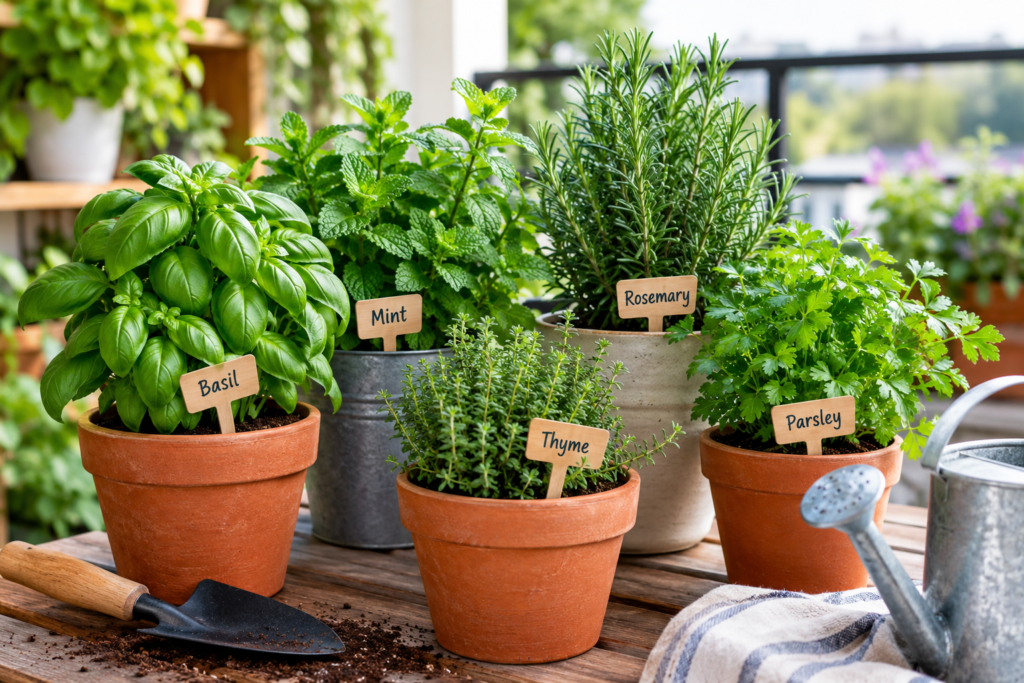
Container gardening makes growing herbs simple and convenient. Herbs such as basil, mint, parsley, thyme, oregano, rosemary, and chives can grow very well in pots when their basic needs are met.
One of the biggest advantages is accessibility. If you keep your herb containers near the kitchen, you can quickly pick fresh leaves whenever you need them. Freshly harvested herbs can add wonderful flavor to everyday meals.
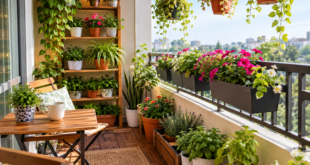
Containers are also useful when garden space is limited. A balcony, patio, terrace, windowsill, or sunny doorstep can become a small herb garden.
Another benefit is control. Poor garden soil can make gardening difficult, but with containers, you can start with a suitable potting mix. You can also move plants to a better location if they are getting too much sun, too little sunlight, or excessive rain.
Choose the Right Herbs
When learning how to grow herbs in containers, I recommend starting with herbs that are relatively easy to manage.
Basil is one of my favorite choices for beginners. It grows quickly in warm weather and produces plenty of fragrant leaves. It generally prefers several hours of sunlight and regular watering.
Mint is another easy herb, but I recommend growing it in its own container. Mint spreads aggressively and can quickly take over other plants if it is planted directly with them.
Parsley is useful because it can grow well in containers and can provide fresh leaves for a long period with proper care.
Thyme, oregano, and rosemary are also excellent choices. These herbs generally prefer good drainage and should not be kept constantly wet.
Chives are another simple option. They take up relatively little space and can provide fresh green shoots for cooking.
For your first container herb garden, I would start with three or four herbs rather than trying to grow everything at once. This makes it easier to understand how each plant responds to your growing conditions.
Select the Right Container
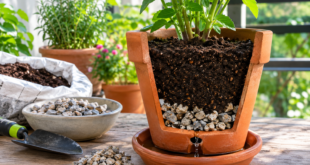
Choosing the right container is an important part of successful herb gardening. The container should be large enough for the mature size of the plant and should have drainage holes at the bottom.
Drainage is especially important because excess water can remain around the roots when a container has nowhere for water to escape. This can contribute to root problems and poor plant growth.
Small herbs can usually begin in modest sized pots, while herbs that develop larger root systems may need larger containers. Rosemary, for example, can eventually become a fairly substantial plant, so I prefer giving it enough room to develop.
Terracotta pots are popular because they are breathable and can help excess moisture evaporate. Plastic containers are lightweight and retain moisture longer. Either option can work well when used correctly.
Before planting, always check that water can flow freely from the drainage holes.
Use Good Quality Potting Soil
Regular garden soil is usually not my first choice for container herbs because it can become compacted inside a pot. Containers need a growing medium that provides good drainage while still holding enough moisture for the plant.
A quality commercial potting mix is a simple option for beginners. Look for a mix that feels light and drains well.
Some herbs prefer slightly different conditions. Mediterranean herbs such as rosemary, thyme, and oregano generally appreciate well drained soil and can struggle when their roots remain wet for long periods.
Basil and parsley usually appreciate more consistent moisture. Understanding these differences can make container herb gardening much easier.
I also avoid filling containers with heavy soil from the yard because it can make pots unnecessarily heavy and may restrict airflow around the roots.
Find the Right Amount of Sunlight
Most popular culinary herbs need plenty of sunlight. A location receiving around six hours or more of direct sunlight is often suitable for many herbs, although exact requirements can vary.
Basil, rosemary, thyme, oregano, and chives generally appreciate bright conditions. Parsley can tolerate somewhat less direct sunlight than some Mediterranean herbs.
If you are growing herbs indoors, place containers near a bright window. Watch the plants for signs that they are not receiving enough light. Thin, stretched growth can indicate that a plant is searching for more light.
Outdoor container gardening gives you another advantage because you can move pots throughout the season. If one location becomes too hot or shaded, you can adjust the position.
In very hot weather, however, some herbs may benefit from protection during the strongest afternoon heat.
Water Your Container Herbs Properly
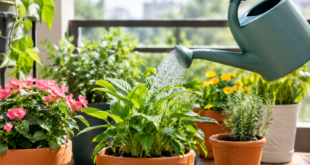
Watering is one of the most important parts of growing herbs in containers. Pots can dry out more quickly than garden beds, especially during hot and windy weather.
I prefer checking the soil before watering rather than following a strict schedule. Push your finger gently into the surface of the soil. If the upper layer feels dry, the plant may need water.
When watering, apply enough water to moisten the root area thoroughly. Allow excess water to drain through the holes at the bottom of the container.
At the same time, avoid keeping the soil permanently soaked. Herbs need moisture, but their roots also need access to air.
The correct watering frequency depends on the herb, container size, weather, soil, and location. During hot weather, containers may need attention more frequently.
Do Not Overcrowd Your Herbs
It can be tempting to put several herbs into one large container, but overcrowding can create problems. Plants compete for sunlight, water, nutrients, and root space.
Some herbs can share a container when their growing requirements are similar. For example, several herbs that prefer relatively dry and well drained conditions may work well together.
However, I prefer keeping aggressive herbs such as mint in separate containers. This makes maintenance easier and prevents the plant from competing heavily with other herbs.
Giving plants enough space also improves air circulation around the leaves, which can help create a healthier growing environment.
Feed Your Herbs Carefully
Container plants have limited access to nutrients because their roots cannot explore a large area of soil. Over time, nutrients can become depleted.
A balanced fertilizer suitable for herbs or edible plants can help maintain healthy growth. Always follow the instructions on the fertilizer label and avoid applying more than recommended.
Too much fertilizer does not automatically mean better growth. Excess fertilizer can sometimes damage roots or encourage weak, overly soft growth.
I generally prefer a simple feeding routine rather than constantly adding fertilizer. Healthy soil, adequate sunlight, proper watering, and regular harvesting are just as important.
Pruning and Harvesting Herbs
Regular harvesting is one of the enjoyable parts of growing herbs in containers. Many herbs respond well to being harvested correctly because it encourages fresh growth.
With basil, I like to harvest the upper leaves and stems regularly. Pinching just above a pair of leaves can encourage the plant to produce more branches.
For parsley, you can harvest the outer stems while allowing newer growth in the center to continue developing.
Chives can be trimmed with clean scissors when you need them. Thyme and oregano can also be harvested regularly without removing too much of the plant at one time.
Avoid stripping a plant completely. Leaving enough healthy foliage allows it to continue producing energy and growing.
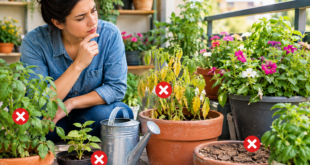
Watch for Common Problems
Container herbs can experience several common problems, but most can be managed with good basic care.
Yellow leaves may appear for different reasons. Overwatering, poor drainage, insufficient light, or natural aging can all contribute to leaf discoloration.
If leaves are wilting, check the soil before immediately adding more water. A plant can wilt because it is too dry, but excessive moisture can also cause root problems that eventually result in wilting.
Keep an eye out for small insects such as aphids and spider mites. Inspect the leaves regularly, especially the undersides. Finding a pest problem early usually makes it much easier to manage.
Good air circulation, appropriate watering, sufficient light, and regular observation can prevent many problems from becoming serious.
Grow Herbs From Seeds or Plants?
Both methods can work well. Growing herbs from seeds is inexpensive and gives you the satisfaction of watching plants develop from the beginning.
However, buying young herb plants can be easier for beginners. You get a head start and can begin harvesting sooner.
I recommend seeds for herbs that germinate easily and young plants for herbs that you want to start using quickly.
If you buy herb plants, choose healthy plants with strong green foliage. Avoid plants that appear severely damaged, diseased, or extremely weak.
Best Location for Container Herbs
The best location depends on your climate and the herbs you are growing. A sunny balcony, patio, terrace, or kitchen window can work well.
Think about convenience as well as sunlight. If your herb garden is close to your kitchen, you are more likely to use it regularly.
You should also consider wind. Small containers can dry out quickly or become unstable in strong winds. Place them somewhere protected when necessary.
In extremely hot climates, monitor the pots carefully because containers can heat up faster than garden soil. Moving them to a location with some afternoon protection can help during periods of intense heat.
Final Thoughts
Learning how to grow herbs in containers does not have to be complicated. In my experience, success comes down to a few simple things: choosing suitable herbs, using containers with drainage holes, providing good potting soil, giving plants enough sunlight, and watering according to their actual needs.
Start small and learn how your plants respond. Basil, mint, parsley, chives, thyme, oregano, and rosemary are excellent choices for building a useful home herb garden.
The biggest advantage of container herb gardening is that you can adapt it to your space. Even if you only have a balcony or a few sunny windows, you can still grow fresh herbs at home.
Once you see how quickly a healthy herb plant can produce fresh leaves, you may find yourself wanting to add more containers. With a little regular care, growing herbs in containers can become a simple and rewarding part of everyday gardening.