 snailhas25000teeth
Related Articles
Choosing the right plants for your garden is one of the most important steps toward creating a healthy and beautiful outdoor space. In my opinion, a successful garden is not simply about buying attractive plants and placing them in the soil. Every plant has its own needs, and understanding those needs before planting can save time, money, and effort.
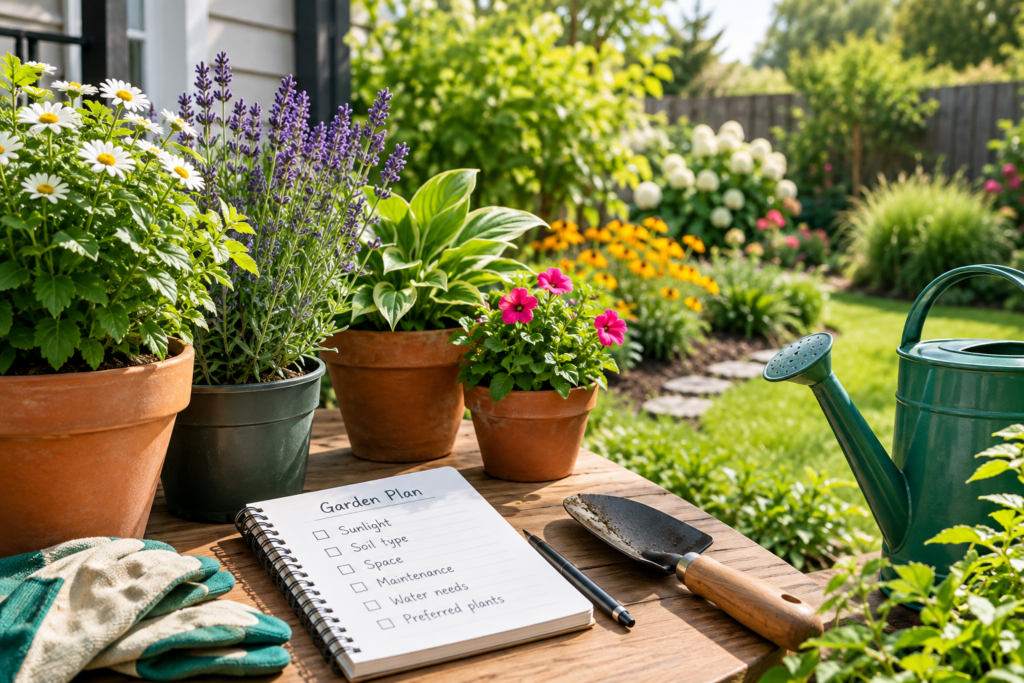
When I choose plants for a garden, I like to consider several things first, including sunlight, soil type, available space, watering needs, climate, maintenance, and the purpose of the garden. Some plants need several hours of direct sunlight, while others prefer shade. Some grow well in small containers, while others need plenty of room for their roots.
In this guide, I will explain how to choose the right plants for your garden and how to make better decisions before bringing plants home.
Understand Your Garden Space
The first thing I recommend is taking a good look at your garden space. Before choosing any plant, understand how much space you actually have.
A large backyard gives you more options because you can grow trees, shrubs, flowers, herbs, and vegetables. A small garden may be better suited to compact plants, herbs, flowering plants, and container gardening.
You should also notice whether the area is open or surrounded by walls, buildings, or trees. These features can affect sunlight, wind, temperature, and moisture.
I believe that understanding your garden space first makes plant selection much easier.
Check How Much Sunlight Your Garden Gets
Sunlight is one of the most important factors when choosing plants for your garden. Different plants have different light requirements.
Some plants grow best in full sun and need several hours of direct sunlight every day. Many vegetables, flowering plants, and herbs prefer sunny locations.
Other plants grow better in partial shade. These plants can be useful in gardens where sunlight is limited by trees, walls, or buildings.
There are also shade loving plants that can struggle when exposed to strong direct sunlight.
Before buying plants, observe your garden during different parts of the day. Notice which areas receive morning sun, afternoon sun, filtered light, or almost no direct sunlight.
Choosing plants according to the available sunlight can help them grow stronger and produce healthier leaves and flowers.
Consider Your Local Climate
Climate plays a major role in plant growth. A plant that grows beautifully in one region may struggle in another because of differences in temperature, humidity, rainfall, or seasonal changes.
When choosing garden plants, look for varieties that are suitable for your local climate. Plants that naturally perform well in your region usually require less effort to maintain.
For example, warm climate gardens can offer excellent conditions for many tropical plants, herbs, vegetables, and flowering species. However, even in warm regions, some plants may need protection from extreme summer heat.
I always think it is better to choose plants that are naturally comfortable in your local environment rather than forcing a plant to survive in unsuitable conditions.
Know Your Soil Type
Soil is another important factor that should not be ignored. Healthy soil provides plants with support, water, air, and nutrients.
Garden soil can vary considerably. Some soil is sandy and drains water quickly. Some soil contains a large amount of clay and may hold water for longer. Other soil may be rich in organic matter and suitable for a wide variety of plants.
Before planting, it can be useful to learn about your soil type. You should also consider whether the soil drains properly.
Poor drainage can cause problems for plants that do not like constantly wet roots. On the other hand, very fast draining soil may require more frequent watering.
Adding suitable organic matter or compost can improve many garden soils, but the exact approach depends on your soil and the plants you want to grow.
Think About Watering Requirements
Water is essential for plant growth, but not every plant needs the same amount.
Some plants prefer consistently moist soil, while others are more tolerant of dry conditions. Overwatering can be just as harmful as underwatering.
When selecting plants, consider how often you are realistically able to water them. If you have limited time for garden maintenance, choosing plants with moderate or lower water requirements may be a better option.
I also recommend grouping plants with similar watering needs together. This makes garden care easier because you do not have to give completely different amounts of water to plants growing next to each other.
Consider the Size of Mature Plants
One common mistake beginners make is choosing plants based only on their current size. A small plant from a nursery may eventually become much larger.
Before planting a tree, shrub, or large ornamental plant, check its expected mature height and width. Think about how much space it will need several years from now.
Planting large species too close to walls, pathways, windows, fences, or other plants can create problems later.
I prefer planning for the future rather than choosing plants only according to how they look on the day of purchase.
Choose Plants Based on Your Gardening Goals
Your reason for creating a garden should also influence your plant choices.
If you want a vegetable garden, focus on vegetables and herbs that suit your climate and available space. Tomatoes, peppers, leafy greens, herbs, and other vegetables can be excellent choices depending on local growing conditions.
If your main goal is to create a colorful garden, flowering plants and ornamental foliage may be more suitable.
Some people want a garden that attracts pollinators such as bees and butterflies. In that case, flowers that provide nectar and pollen can be useful additions.
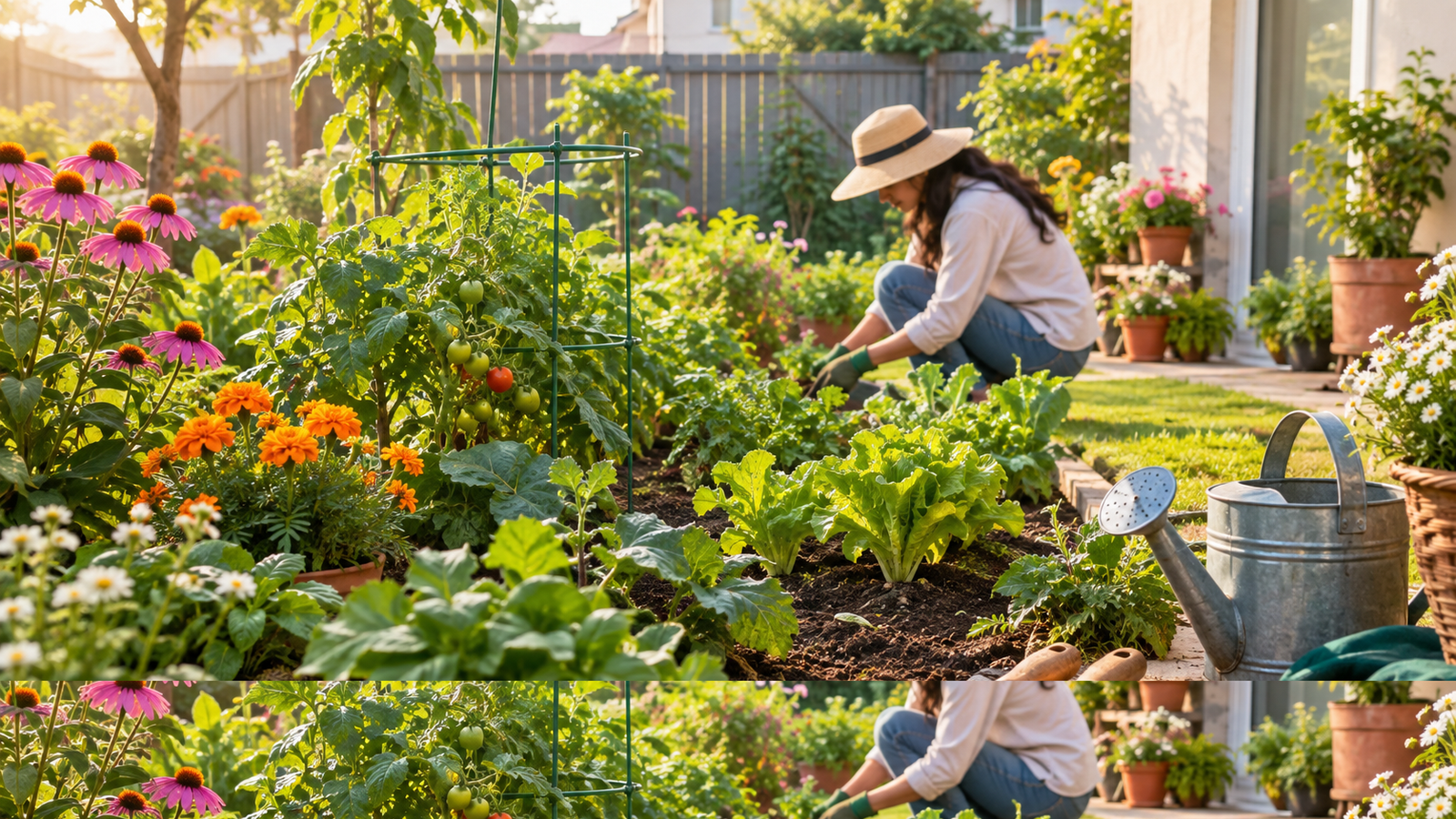
You can also create a mixed garden containing vegetables, herbs, flowers, and decorative plants. Personally, I find mixed gardens especially interesting because they can provide both beauty and practical benefits.
Think About Maintenance
Not everyone has the same amount of time to spend in the garden. This is why maintenance should be considered before choosing plants.
Some plants need regular pruning, feeding, watering, or protection from pests. Others are relatively easy to maintain once established.
If you are a beginner, I recommend starting with plants that match your available time and gardening experience.
There is nothing wrong with choosing low maintenance plants. In fact, they can make gardening more enjoyable because you can spend more time observing your plants rather than constantly trying to solve problems.
Consider Container Gardening
If you have limited outdoor space, you do not need to give up on gardening. Containers can provide an excellent way to grow plants on balconies, patios, terraces, and small outdoor areas.
Herbs, flowers, leafy vegetables, and some compact vegetables can grow well in containers when they receive suitable light, water, soil, and drainage.
When selecting plants for containers, consider their mature size and root requirements. Choose containers that provide enough room for healthy root development.
Make sure the containers also have drainage holes. Excess water needs somewhere to escape.
Choose Healthy Plants From the Start
When buying plants, take a few minutes to inspect them carefully. A healthy plant usually has strong growth and leaves that look appropriate for its species.
Avoid plants that appear severely damaged, weak, or heavily affected by insects or disease.
Check the leaves, stems, and soil. Look for signs of pests or unusual discoloration. You should also avoid choosing a plant simply because it has attractive flowers if the rest of the plant appears unhealthy.
Starting with healthy plants can give your garden a much better beginning.
Think About Plant Compatibility
Plants share the same garden environment, so it is important to consider how they will grow together.
Avoid placing a very large plant next to a small plant that needs plenty of sunlight. The larger plant may eventually block the smaller one.
You should also consider watering and soil preferences. Plants with similar requirements can often be easier to manage when planted in the same area.
Planning plant placement before digging can prevent many problems later.
Start Small If You Are a Beginner
If you are new to gardening, you do not need to fill the entire garden immediately.
Starting with a small selection of plants allows you to learn how your garden behaves throughout the seasons. You can observe sunlight, soil moisture, pests, growth patterns, and watering needs.
As your confidence improves, you can gradually add more plants.
I think this approach is much better than buying dozens of plants at once and becoming overwhelmed with their different care requirements.
Research Plants Before Buying Them
A little research can make a big difference. Before purchasing a plant, learn about its sunlight requirements, watering needs, mature size, soil preferences, flowering season, and general maintenance.
Plant labels can provide useful information, but you can also consult reliable gardening references or local nurseries.
If possible, choose plants that have a good history of growing successfully in your area.
Final Thoughts
Learning how to choose the right plants for your garden does not have to be complicated. The most important thing is to understand your garden before choosing the plants.
Pay attention to sunlight, soil, climate, water, available space, plant size, and maintenance requirements. Also consider what you want from your garden, whether that is fresh vegetables, colorful flowers, herbs, attractive foliage, or a relaxing outdoor space.
In my view, the best garden is not necessarily the one with the most plants. It is the one where the plants are suitable for their environment and receive the care they need.
Take your time, start with a few suitable plants, and learn as you grow. With proper planning and regular observation, choosing the right plants for your garden can become one of the most enjoyable parts of gardening.