 snailhas25000teeth
Related Articles
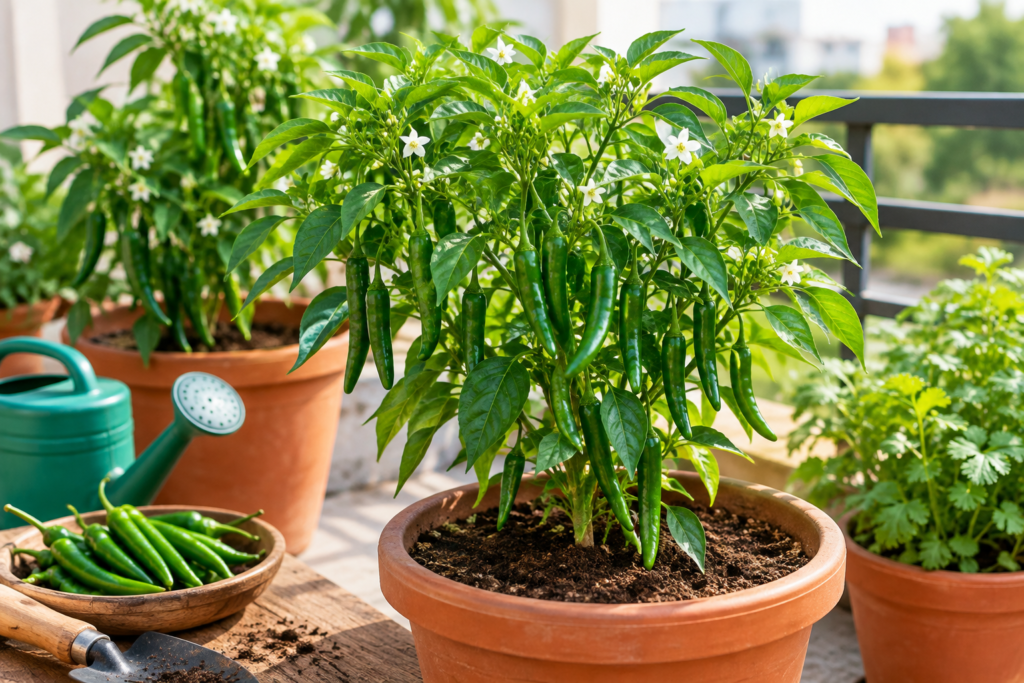
Growing green chilies in pots is one of the easiest and most rewarding ways to start a small home garden. I personally like growing chilies because they do not require a huge garden space, and with the right care, a single healthy plant can provide fresh chilies for a long time. Whether you have a balcony, rooftop, patio, terrace, or a small outdoor space, you can easily learn how to grow green chilies in pots.
Freshly picked green chilies also have a different taste and freshness compared with chilies that have been stored for several days. The best part is that you can grow them using a simple pot, good soil, sunlight, water, and a little patience.
In this guide, I will explain how I grow green chilies in pots and share the important things I have learned about choosing the right pot, planting seeds, watering, feeding, pruning, and harvesting.
Choose the Right Green Chili Variety
The first step in growing green chilies in pots is choosing a suitable variety. There are many types of chili plants, and their size, heat level, and growing period can be different.
For container gardening, I prefer varieties that remain reasonably compact but produce plenty of chilies. You can grow common green chilies, hot peppers, or milder varieties depending on what you normally use in your kitchen.
If you are a beginner, I recommend starting with a variety that is easily available in your local area. Local varieties often perform well because they are already adapted to the climate.
You can start green chili plants from seeds or purchase a young plant from a nursery. Growing from seeds is inexpensive and satisfying, while a nursery plant can give you a faster start.
Select the Right Pot
Choosing the right pot is very important when learning how to grow green chilies in pots. Chili plants need enough room for their roots to develop properly.
I prefer using a pot that is at least 12 inches deep and reasonably wide. A larger container can be even better because it provides more space for roots and holds moisture for longer.
Make sure the pot has drainage holes at the bottom. This is something beginners sometimes overlook. If excess water cannot escape, the soil may remain wet for too long, which can damage the roots.
You can use plastic pots, clay pots, ceramic containers, or recycled food safe containers. Whatever you choose, make sure it is clean and has proper drainage.
Prepare Good Soil
Good soil is one of the most important parts of growing healthy green chilies. Chili plants need soil that is fertile, loose, and well drained.
I like using a mixture of good quality garden soil, compost, and another material that helps improve drainage, such as coco peat. The exact mixture does not need to be complicated.
The soil should hold enough moisture for the plant but should not become heavy and waterlogged. Adding mature compost can also improve the soil and provide nutrients naturally.
Before planting, fill the pot with your prepared soil while leaving a little space at the top. Avoid packing the soil too tightly because chili roots need air as well as moisture.
How to Plant Green Chili Seeds
If you are starting from seeds, choose fresh and healthy green chili seeds. You can purchase seeds from a gardening store or collect mature seeds from suitable chilies.
Place the seeds about a quarter to half inch deep in moist soil. Do not plant them too deeply because young seedlings may struggle to reach the surface.
After planting, gently water the soil. Keep the container in a warm location with good natural light.
The soil should remain slightly moist during germination. Avoid pouring large amounts of water into the pot because excessive moisture can cause problems.
Depending on temperature and seed quality, seedlings may appear within several days to a couple of weeks.
Give Your Chili Plant Enough Sunlight
Sunlight is essential for growing green chilies successfully. Chili plants generally perform best when they receive several hours of direct sunlight each day.
I recommend placing the pot in the sunniest suitable location available. A balcony, terrace, rooftop, or sunny patio can work very well.
If the plant receives too little light, it may become weak and produce fewer flowers and chilies. Good sunlight helps the plant develop strong stems, healthy leaves, and better fruit production.
During extremely hot weather, however, watch the plant carefully. If the leaves begin to wilt badly during intense afternoon heat, providing some protection during the hottest part of the day may help.
Watering Green Chili Plants
Watering correctly is one of the most important parts of chili plant care. The plant needs consistent moisture, but the soil should not stay soaked.
I usually check the top layer of soil with my finger before watering. If the surface feels dry, it is generally time to water. If it still feels moist, I wait a little longer.
When watering, I prefer to water deeply enough that some water reaches the lower part of the pot. Excess water should then drain through the holes.
The watering schedule will depend on temperature, pot size, soil type, and sunlight. During hot weather, potted plants may need water more frequently because containers dry out faster.
Feed the Plant Regularly
Green chili plants need nutrients to grow leaves, flowers, and fruits. Good compost added to the soil can provide a useful nutritional foundation.
As the plant becomes established, you can use a balanced vegetable fertilizer according to the product instructions. Avoid using excessive fertilizer because more fertilizer does not always mean more chilies.
Once the plant begins flowering and producing fruit, maintaining good nutrition can support continued growth.
I have found that regular but moderate feeding works better than giving a plant a large amount of fertilizer at once.
Pruning and Supporting the Plant
Pruning is not always necessary, but light pruning can help maintain a healthy shape. Remove damaged, yellow, or unhealthy leaves when necessary.
If your chili plant becomes tall or starts leaning, you can use a small garden stake to provide support. This becomes particularly useful when the plant is carrying many chilies.
Avoid aggressive pruning, especially when the plant is young. Give it enough time to establish itself before removing large amounts of growth.
Protect Green Chili Plants From Pests
Like many garden plants, chili plants can sometimes attract insects. Aphids, whiteflies, mites, and other pests may appear on the leaves or young shoots.
I recommend checking the plant regularly. Look underneath the leaves because some pests are easier to notice there.
If you notice a small pest problem, removing affected leaves and gently washing the plant with water may help. For more persistent problems, use a suitable garden treatment according to its label and safety instructions.
Keeping the area around the pot clean and avoiding unnecessary overwatering can also support healthier plants.
Common Problems When Growing Green Chilies in Pots
Sometimes a chili plant grows well but produces very few fruits. One possible reason is insufficient sunlight. Another can be poor nutrition or stress caused by inconsistent watering.
Yellow leaves may have several causes. Overwatering, poor drainage, nutrient problems, or natural aging can all contribute to yellowing.
If flowers appear but do not develop into chilies, environmental conditions can sometimes be responsible. Very high temperatures or other forms of plant stress may affect flowering and fruit development.
The best approach is to observe the plant instead of immediately changing everything. Check the soil, sunlight, watering routine, and overall appearance before deciding what needs adjustment.
When to Harvest Green Chilies
One of the most enjoyable parts of growing green chilies in pots is harvesting your own crop.
Green chilies can usually be harvested when they have reached a useful size and are still green. Use clean scissors or pruning shears to cut the chili from the plant rather than pulling it forcefully.
Regular harvesting can encourage the plant to continue producing more fruit, provided the plant remains healthy and growing conditions are suitable.
I like harvesting only what I need for cooking and leaving the remaining chilies on the plant until they reach the size and maturity I prefer.
Tips for Growing More Green Chilies
If your goal is to get a good harvest, focus on the basics instead of making gardening unnecessarily complicated.
Give your plant plenty of sunlight. Use a container with good drainage. Choose fertile soil and add compost when appropriate. Water when the soil needs moisture instead of following a strict schedule every day.
Keep an eye on pests and damaged leaves. Harvest ripe green chilies regularly and give the plant enough room to grow.
Another useful tip is to avoid overcrowding. If you are growing several chili plants, give each one enough space and a suitable container. Crowded plants can have poorer airflow and may compete for sunlight and nutrients.
How Long Does It Take to Grow Green Chilies?
The time required depends on the variety, weather, growing conditions, and whether you start from seeds or a young plant.
Seed grown plants naturally take longer because they first need to germinate and develop into mature plants. A nursery plant can produce a harvest sooner because it has already completed part of its early growth.
With suitable conditions, you can expect your chili plant to gradually develop flowers and then small green fruits. The important thing is not to become impatient. Healthy plants need time to establish themselves.
Final Thoughts
Learning how to grow green chilies in pots is a simple gardening project that can provide fresh produce right at home. You do not need a large garden or expensive equipment. A suitable pot, fertile soil, good sunlight, proper watering, and regular care are enough to get started.
What I enjoy most about growing green chilies is watching the plant change from a small seedling into a productive plant covered with fresh green peppers. It is also a great way to become more connected with the food you eat.
If you are new to container gardening, green chilies are a good plant to try. Start with one or two pots, observe how your plants respond to their environment, and gradually improve your routine. With patience and consistent care, growing green chilies at home can become an enjoyable part of your everyday gardening experience.