 snailhas25000teeth
Related Articles
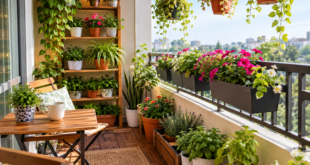
Starting a small balcony garden is one of the easiest ways to bring greenery, color, and a little piece of nature into an urban home. I personally think you do not need a large outdoor space to enjoy gardening. Even a small balcony can become a beautiful and useful garden if you choose the right plants, containers, and arrangement.
A balcony garden can also be a great place to grow herbs, vegetables, flowers, and decorative plants. The key is to understand your balcony conditions before buying anything. You need to consider sunlight, available space, wind, watering, and the weight of your containers.
In this guide, I will explain how to start a small balcony garden step by step, including choosing plants, selecting pots, preparing soil, watering, and keeping your garden healthy.
Check Your Balcony Before You Start
Before buying plants and pots, I recommend spending a little time observing your balcony. The most important thing to check is sunlight.
Some balconies receive direct sunlight for several hours, while others may only receive bright indirect light. This makes a big difference when choosing plants.
Watch your balcony throughout the day and notice how much sunlight reaches different areas. If your balcony gets six or more hours of direct sunlight, you can grow many sun loving flowers, herbs, and vegetables. If it receives only a few hours, choose plants that tolerate partial shade.
You should also check how windy the balcony becomes. Strong wind can dry out soil quickly and damage delicate plants. If your balcony is exposed to strong wind, place larger and stronger plants in suitable positions to provide some protection.
Another important consideration is weight. Wet soil and large containers can become surprisingly heavy. If you plan to use many large pots, make sure your balcony can safely support them.
Choose the Right Plants
Choosing the right plants is probably the most important part of starting a balcony garden. I suggest beginning with a small selection rather than filling the entire space immediately.
For sunny balconies, plants such as basil, rosemary, thyme, mint, marigolds, petunias, tomatoes, peppers, and many flowering plants can be good choices depending on your local climate.
For balconies with less sunlight, you can consider plants such as pothos, spider plants, peace lilies, ferns, and other shade tolerant varieties.
If you want a useful balcony garden, herbs are an excellent place to start. Basil, mint, coriander, parsley, and chives can grow successfully in containers when their basic needs are met.
For vegetables, compact varieties are usually better for a small balcony. Cherry tomatoes, lettuce, radishes, green onions, peppers, and some climbing vegetables can work well in containers.
I recommend checking the growing requirements of each plant before purchasing it. A beautiful plant is not necessarily a good plant for your particular balcony.
Select Suitable Pots and Containers
You do not need expensive containers to start a small balcony garden. What matters most is choosing containers that are suitable for the plants and have proper drainage.
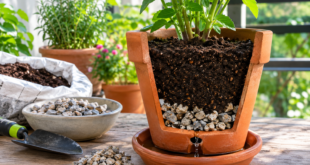
Pots should have drainage holes at the bottom so excess water can escape. Without drainage, water can remain around the roots and cause serious problems.
The size of the container also matters. Small herbs may grow comfortably in smaller pots, while tomatoes and other larger plants usually need more room for their roots.
I prefer using lightweight containers on balconies because they are easier to move and can help reduce unnecessary weight. Terracotta pots are attractive and breathable, but they can be heavier and may dry out faster.
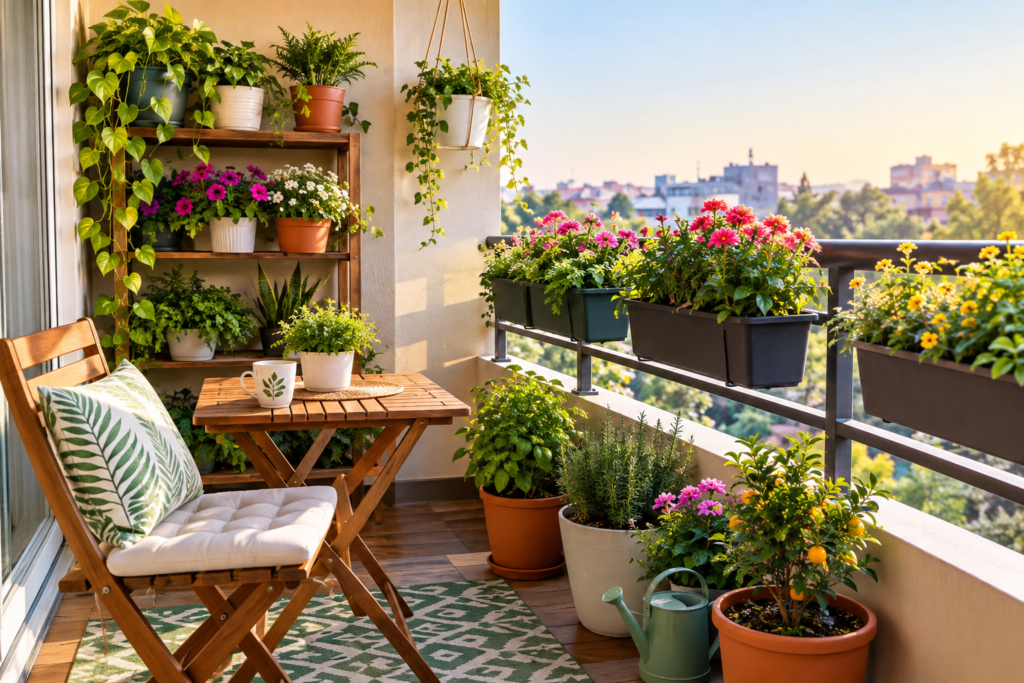
You can also use railing planters, hanging baskets, vertical planters, and narrow containers to make better use of limited space.
Use Good Quality Potting Soil
Garden soil from the ground is usually not the best choice for containers. It can become compacted and may not provide the drainage that potted plants need.
For a balcony garden, use a good quality potting mix designed for containers. A suitable potting mix should provide good drainage while still holding enough moisture for the roots.
You can improve the growing medium with suitable organic material such as compost. Compost can add nutrients and improve the overall structure of the soil.
When filling your containers, avoid packing the soil down too tightly. Roots need access to air as well as water, so loose and well structured soil is important.
Arrange Plants According to Their Needs
Once you have your plants and containers, think about how you want to arrange them. A small balcony can look crowded very quickly, so planning is important.
Place taller plants toward the back or in corners. Smaller plants can be placed in front where they can still receive sunlight. Hanging baskets can be useful because they use vertical space rather than taking up floor space.
Shelving is another practical option. A simple plant shelf can give you several levels for growing plants without requiring much additional floor area.
I also like the idea of keeping a small open area on the balcony. You do not want every inch covered with pots. Leaving some space makes the garden easier to maintain and gives the balcony a more comfortable appearance.
Water Your Balcony Plants Properly
Watering is one of the most common challenges for beginners. Container plants can dry out faster than plants growing in the ground, especially during hot weather.
However, watering too frequently can also cause problems. Instead of following a fixed schedule, check the soil.
Put your finger into the top layer of soil. If it feels dry, the plant may need water. If it still feels noticeably moist, you may be able to wait.
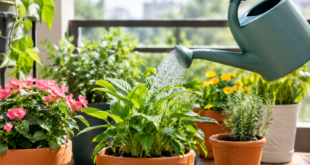
When watering, water thoroughly until a little water begins to come through the drainage holes. This helps moisture reach the deeper parts of the container.
During hot weather, you may need to check your plants more frequently. Wind and strong sunlight can also increase water loss.
Try to water at a suitable time of day, such as early morning or later in the afternoon, depending on your local conditions. Most importantly, pay attention to your plants and soil rather than relying only on a calendar.
Give Plants Enough Sunlight
Plants need light for healthy growth, but different plants have different requirements.
If a plant needs full sun, place it where it can receive enough direct sunlight. If you notice pale leaves, weak growth, or a plant leaning strongly toward the light, it may not be receiving enough light.
On the other hand, leaves that become badly scorched or dry may indicate excessive heat or sunlight, especially for plants that prefer partial shade.
One advantage of a balcony garden is that containers can often be moved. If a plant is struggling in one location, try another position and observe the results.
Feed Your Plants When Necessary
Plants growing in containers have access to a limited amount of soil. Over time, nutrients can become depleted.
A suitable balanced fertilizer can help support healthy growth, flowering, or fruit production. Always follow the instructions on the fertilizer package and avoid using more than recommended.
Too much fertilizer can damage plants rather than helping them.
Organic compost can also be useful as part of a healthy container gardening routine. I prefer keeping plant care simple instead of constantly adding different products.
Keep Your Balcony Garden Clean
Regular maintenance makes a big difference. Remove dead leaves and faded flowers when appropriate. Check the underside of leaves occasionally for insects or signs of plant problems.
If you notice yellow leaves, wilting, spots, or unusual growth, investigate the cause instead of immediately adding more water or fertilizer.
Keep fallen leaves and plant debris under control. Clean containers and make sure drainage holes remain open.
A clean balcony garden is not only more attractive but also easier to inspect and maintain.
Start Small and Learn as You Go
One mistake beginners often make is buying too many plants at once. I understand the temptation because gardening can be exciting, but starting small is usually much easier.
Begin with perhaps five to ten plants that suit your available sunlight and space. Learn how much water they need, how quickly the soil dries, and how they respond to your balcony conditions.
Once you become comfortable, you can gradually add more plants.
Gardening is something you learn through observation. Even when a plant does not grow as expected, you learn something useful for the next planting season.
Consider Growing Herbs and Vegetables
A small balcony garden does not have to be purely decorative. You can grow edible plants as well.
Fresh herbs are particularly suitable because many varieties grow well in containers and do not require much space. Basil, mint, coriander, parsley, and chives can provide fresh ingredients for everyday cooking.
If you have enough sunlight, compact tomatoes and peppers can also be rewarding. Watching a plant grow from a small seedling into a productive plant can make balcony gardening much more enjoyable.
Choose varieties that are suitable for containers and your local growing conditions.
Make Your Balcony Garden Attractive
Function is important, but I believe appearance matters too. Your balcony garden should be a place you enjoy spending time in.
You can combine different pot sizes and plant heights to create depth. Flowering plants can add color, while leafy plants can provide a relaxing green background.
A small chair, table, simple plant shelf, or decorative container can make the space feel more welcoming.
Just remember that decoration should not make plant care difficult. Leave enough room to water, prune, inspect, and move your plants when necessary.
Common Balcony Gardening Mistakes
There are several mistakes beginners can easily avoid.
The first is choosing plants without considering sunlight. A plant that needs full sun may struggle on a dark balcony.
The second is using containers without drainage holes. Proper drainage is essential for healthy roots.
Another common mistake is overwatering. More water does not always mean healthier plants.
Using containers that are too small can also restrict root growth. Finally, overcrowding plants can reduce airflow and make maintenance more difficult.
I believe the best approach is to keep things simple. Choose suitable plants, use good soil, provide appropriate light, and observe what your plants are telling you.
Final Thoughts
Starting a small balcony garden does not have to be complicated or expensive. With a few suitable containers, quality potting soil, healthy plants, and regular care, even a limited balcony can become a beautiful green space.
My biggest advice for beginners is to start with plants that match your balcony rather than trying to change your balcony to match difficult plants. Pay attention to sunlight, watering, temperature, wind, and available space.
You do not need to become an expert before you begin. Start with a few easy plants, learn from them, and slowly expand your garden.
A small balcony garden can provide flowers, fresh herbs, greenery, and a peaceful place to relax. With patience and consistent care, a simple collection of pots can turn an ordinary balcony into a space that feels fresh, natural, and completely your own.