 snailhas25000teeth
Related Articles
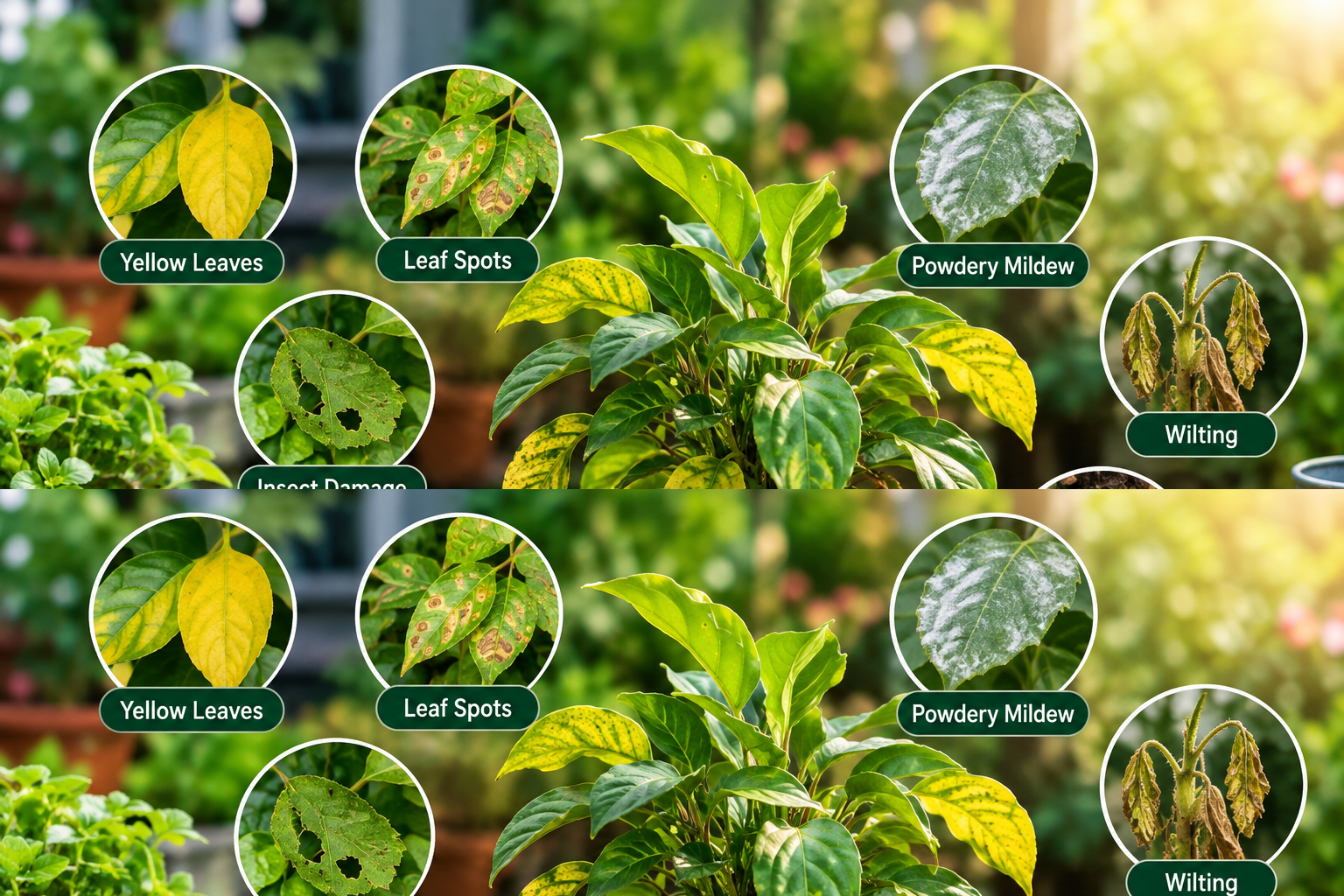
Growing a garden can be one of the most enjoyable things to do at home. Watching new leaves appear, flowers bloom, and vegetables grow gives a real sense of satisfaction. However, one problem that almost every gardener eventually faces is garden pests. Small insects and other pests can damage plants quickly if they are not noticed early.
In my experience, the first step toward protecting a garden is learning how to identify common garden pests. You do not always need strong chemicals or expensive treatments. When you know what is causing the problem, it becomes much easier to choose the right solution.
In this article, I will explain some of the most common garden pests, how to identify them, what damage they cause, and some simple ways to manage them.
Why Garden Pest Identification Matters
Not every insect found in a garden is harmful. Some insects actually help plants by pollinating flowers or eating other pests. This is why I believe it is important to identify a pest before trying to remove it.
Different garden pests also create different types of damage. Some insects chew holes in leaves, while others suck plant sap. Some hide under leaves, and others live in the soil. Looking carefully at the plant and the pest can help you understand the problem.
Early identification is especially useful because a small pest problem can often be managed more easily than a large infestation.
1. Aphids
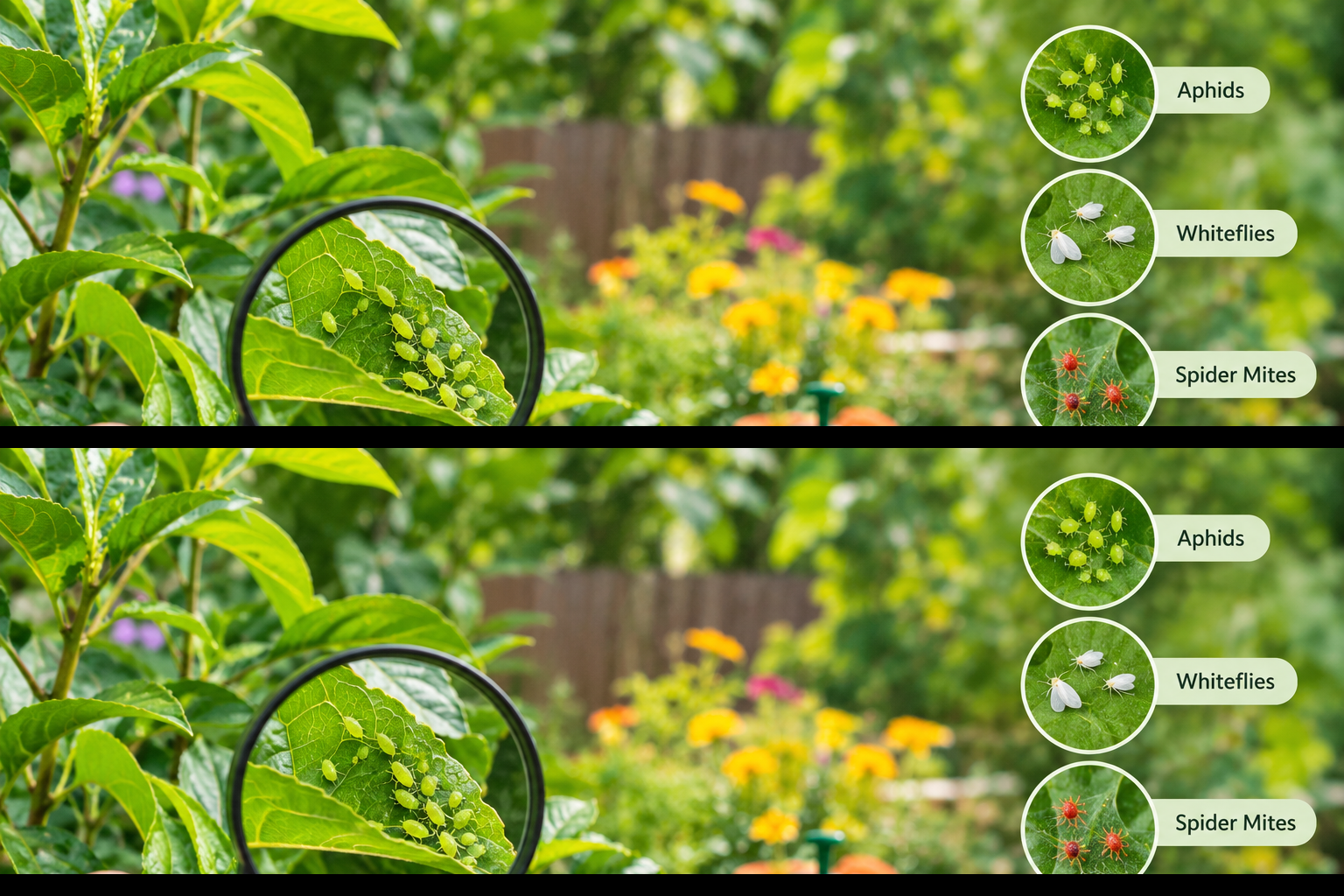
Aphids are among the most common garden pests. They are very small insects that can be green, black, yellow, brown, or even pink depending on the species.
I usually look for aphids on the soft new growth of a plant. They often gather around young leaves, stems, flower buds, and the underside of leaves. They are small, but they can appear in large groups.
Aphids feed on plant sap. As a result, affected leaves may become curled, yellow, weak, or distorted. You may also notice a sticky substance called honeydew on the leaves. Ants are sometimes attracted to this sticky material.
To identify aphids, check young shoots and the underside of leaves carefully. A magnifying glass can be helpful because individual aphids can be difficult to see.
2. Whiteflies
Whiteflies are tiny flying insects that are commonly found underneath leaves. When you disturb an affected plant, you may see a small cloud of white insects flying away.
They are particularly common in warm conditions. Like aphids, whiteflies feed on plant sap. Heavy infestations can cause leaves to turn yellow and plants to become weak.
Another sign is sticky honeydew on the leaves. Over time, this can encourage the growth of sooty mold, which gives leaves a dark appearance.
When checking for whiteflies, gently shake a branch or leaf and watch for tiny white insects flying around it. Then check the underside of the leaves for eggs and immature insects.
3. Spider Mites
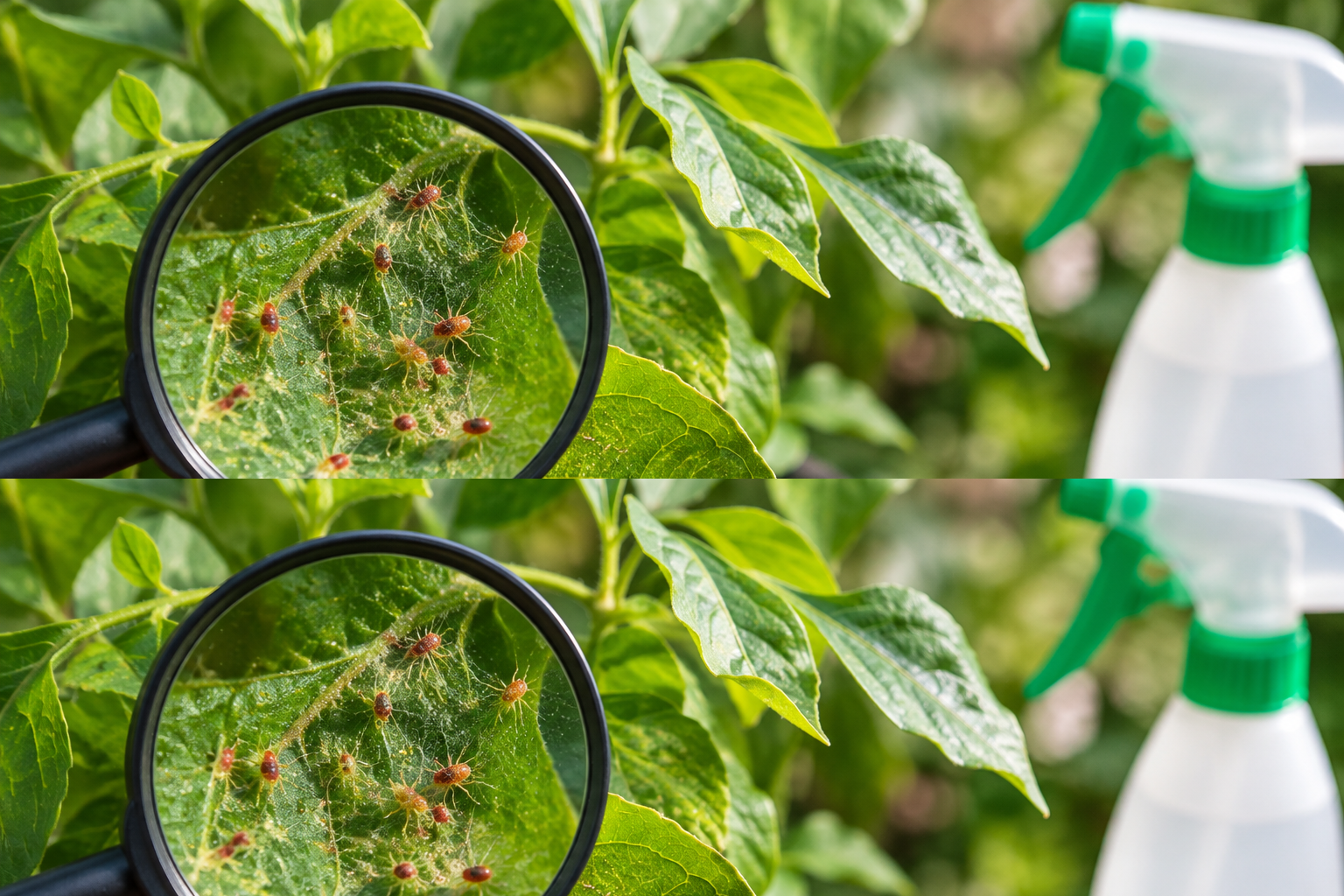
Spider mites are extremely small and can be difficult to see without magnification. They are not actually spiders, but they belong to the same general group of organisms known as arachnids.
One of the easiest ways to notice spider mite damage is by looking at the leaves. Infested leaves may develop many tiny pale spots and eventually become yellow or bronze.
In serious cases, you may notice fine webbing between leaves and stems. If you suspect spider mites, hold a white piece of paper underneath a leaf and gently tap the leaf. Tiny moving dots may become visible on the paper.
Spider mites often become a problem during hot and dry weather, so keeping plants properly watered can help reduce stress.
4. Caterpillars
Caterpillars can cause obvious damage because they chew plant leaves. Depending on the species, they can be green, brown, black, yellow, or striped.
If you notice large holes along the edges or middle of leaves, caterpillars may be responsible. Some caterpillars also hide underneath leaves during the day and become more active at other times.
Look for caterpillars, small droppings, and fresh chewing damage. Their droppings may appear as small dark or green pellets on leaves.
When I inspect plants with unexplained holes, I always check both sides of the leaves. Finding the pest itself is much more useful than treating the plant based only on the damage.
5. Slugs and Snails
Slugs and snails are common garden pests, especially in damp areas. They are most active at night or during cool, wet conditions.
They create irregular holes in leaves and may also damage young seedlings. A shiny trail of slime on the soil, leaves, or pots is one of the easiest signs to recognize.
If you suspect slugs or snails, inspect the garden in the evening with a flashlight. Check underneath pots, stones, boards, and dense plant growth because these pests like cool and sheltered places.
Removing hiding places and keeping the garden clean can make the area less attractive to them.
6. Beetles
Many different beetle species can become garden pests. Some chew holes in leaves, while others attack flowers, stems, roots, or fruits.
Beetles can have different shapes and colors, so identification sometimes requires looking closely at their appearance and the type of damage they cause.
If you see insects eating leaves, look for the insects themselves rather than immediately assuming they are harmful. Some beetles are beneficial predators, while others damage plants.
Taking a clear photograph can also help you identify an unfamiliar beetle.
7. Thrips
Thrips are tiny insects that can cause significant damage despite their small size. They feed on plant tissues and can affect leaves, flowers, and young growth.
Plants affected by thrips may develop silvery patches, distorted leaves, or damaged flowers. Small black spots may also appear on affected areas.
Because thrips are so small, they can be difficult to identify with the naked eye. Check flowers and the undersides of leaves carefully if you notice unusual discoloration.
8. Mealybugs
Mealybugs are small insects covered with a white, waxy material. They often appear like tiny pieces of cotton attached to stems, leaves, or leaf joints.
They suck sap from plants and can cause weak growth, yellow leaves, and general plant decline. Like aphids and whiteflies, they can also produce honeydew.
When checking for mealybugs, pay special attention to areas where leaves meet stems. They often hide in protected places.
9. Scale Insects
Scale insects can be confusing because they do not always look like traditional insects. They often appear as small bumps attached to stems or leaves.
They feed on plant sap and can cause yellowing, weak growth, and leaf drop when present in large numbers.
If you notice unusual brown, white, or gray bumps that do not move, inspect them closely. Scale insects can sometimes be mistaken for natural parts of the plant.
How to Identify Garden Pest Damage
Identifying the pest is only one part of the process. I also recommend looking at the type of damage.
Large irregular holes often suggest chewing insects or slugs. Tiny holes may indicate smaller insects. Curled leaves can be associated with sap sucking pests such as aphids. Yellow leaves may have many causes, including pests, watering problems, nutrient issues, or disease.
Webbing can indicate spider mites, while sticky leaves can suggest aphids, whiteflies, or other sap feeding insects.
This is why it is important not to diagnose a garden problem from one symptom alone. Look at the entire plant and its surroundings.
Simple Ways to Manage Garden Pests
Once you identify common garden pests, you can start with simple control methods.
Regular inspection is one of the easiest methods. Check your plants several times a week, especially during warm weather. Look underneath leaves, around new growth, and near the soil.
You can also remove heavily infested leaves when appropriate. For some pests, gently washing the plant with water can reduce their numbers.
Encouraging beneficial insects is another useful approach. Ladybugs, lacewings, praying mantises, and some other insects can help control certain garden pests naturally.
Keeping the garden clean also helps. Remove dead leaves, damaged plant material, and unnecessary hiding places where pests can multiply.
If a pest problem becomes serious, a suitable garden treatment may be necessary. Always identify the pest first and follow the product instructions carefully. Using more treatment than recommended does not necessarily provide better results.
How to Prevent Garden Pest Problems
Prevention is easier than dealing with a serious infestation. Healthy plants are often better able to handle minor pest pressure.
I recommend choosing plants that are suitable for your local growing conditions. Give plants enough sunlight, water, and suitable soil. Avoid overcrowding because poor air movement can create additional plant problems.
Rotate vegetable crops when possible, remove diseased plant material, and inspect new plants before adding them to your garden.
Most importantly, make plant inspection part of your normal gardening routine. Spending a few minutes checking your plants can help you notice problems before they become serious.
Final Thoughts
Common garden pests can be frustrating, but they do not have to ruin your garden. The most useful habit is learning how to identify the signs of pest activity early.
Aphids, whiteflies, spider mites, caterpillars, slugs, snails, beetles, thrips, mealybugs, and scale insects can all affect garden plants in different ways. By checking leaves, stems, flowers, and soil regularly, you can often recognize a problem before it spreads.
In my view, good pest management starts with observation. Instead of immediately reaching for a strong treatment, take a moment to understand what is happening to the plant. Once you know the pest and the type of damage it is causing, choosing an appropriate solution becomes much easier.
A healthy garden is not necessarily a garden without any insects. It is a garden where harmful pest populations are noticed and managed while beneficial insects and the natural balance of the garden are protected.