 snailhas25000teeth
Related Articles
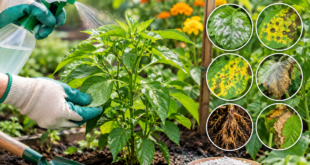
Natural pest control is mainly about prevention, observation, and using simple methods at the right time. A healthy garden can often handle a small number of insects without serious damage. The goal is to control harmful pests without disturbing the natural balance of the garden.
In this article, I will share some of the natural pest control methods that can help protect garden plants and keep your garden healthy.
Why Natural Pest Control Is Important
Garden pests such as aphids, whiteflies, spider mites, caterpillars, and some beetles can damage leaves, flowers, stems, and fruits. If their population becomes too large, plants may become weak and produce less growth.
I prefer natural pest control because it allows me to manage garden pests without immediately relying on harsh chemicals. Chemical pesticides can sometimes affect beneficial insects such as ladybugs, bees, butterflies, and other organisms that are useful for the garden.
Natural methods also encourage me to pay more attention to my plants. When I regularly inspect leaves and stems, I can often notice a pest problem before it becomes serious.
Keep Your Plants Healthy
One of the simplest natural ways to protect plants from pests is to keep them healthy. Strong plants are generally better able to tolerate minor pest damage.
I focus on providing plants with suitable sunlight, water, nutrients, and enough space to grow. Overwatering and poor soil conditions can weaken plants and may create conditions where certain pests and diseases become more noticeable.
Regular care is therefore an important part of natural garden pest control. Healthy plants should have good air circulation, suitable moisture, and enough nutrients for their particular growing needs.
Inspect Plants Regularly
Regular inspection can save a lot of trouble later. I like to check the leaves, stems, and undersides of leaves because many insects hide in these areas.
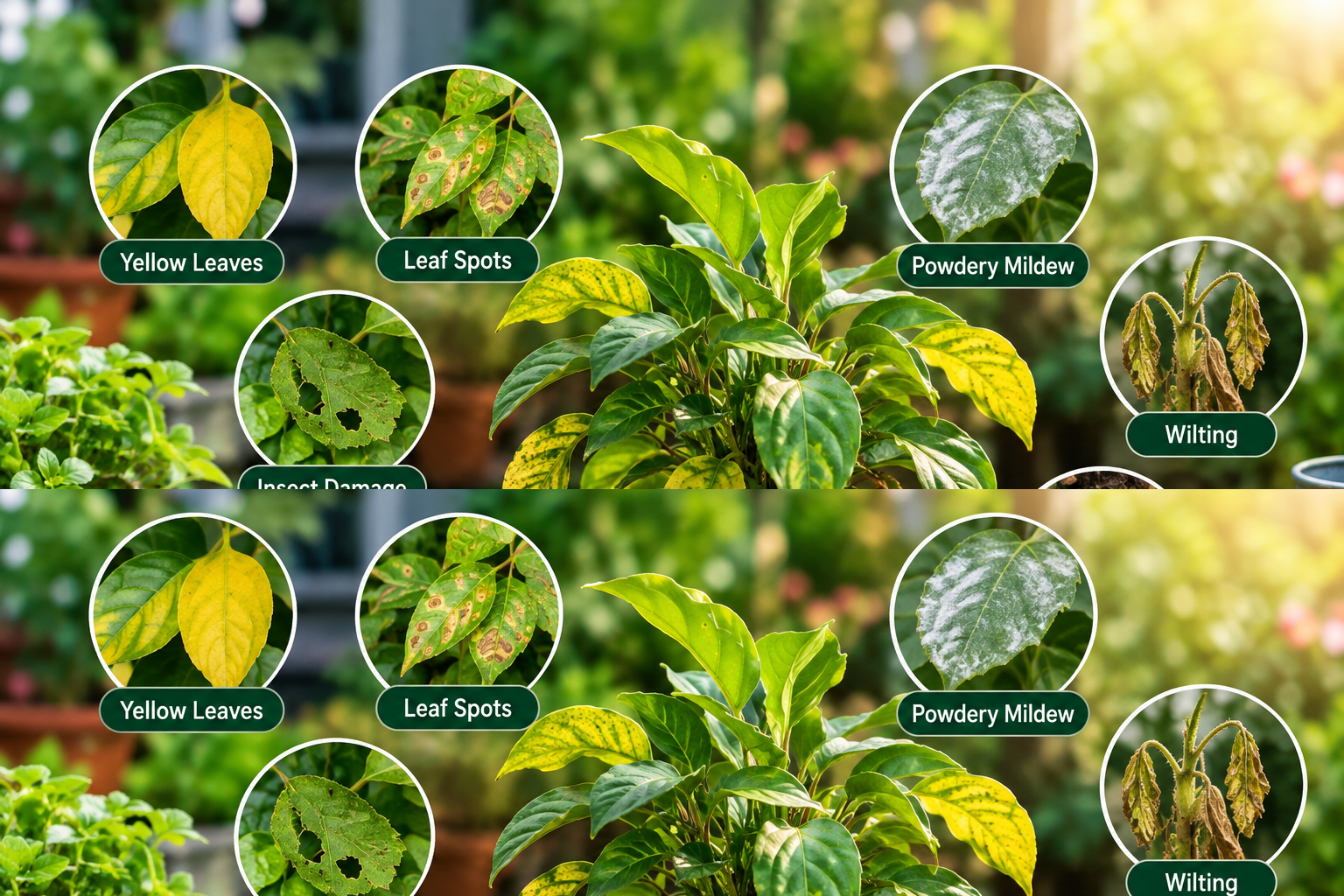
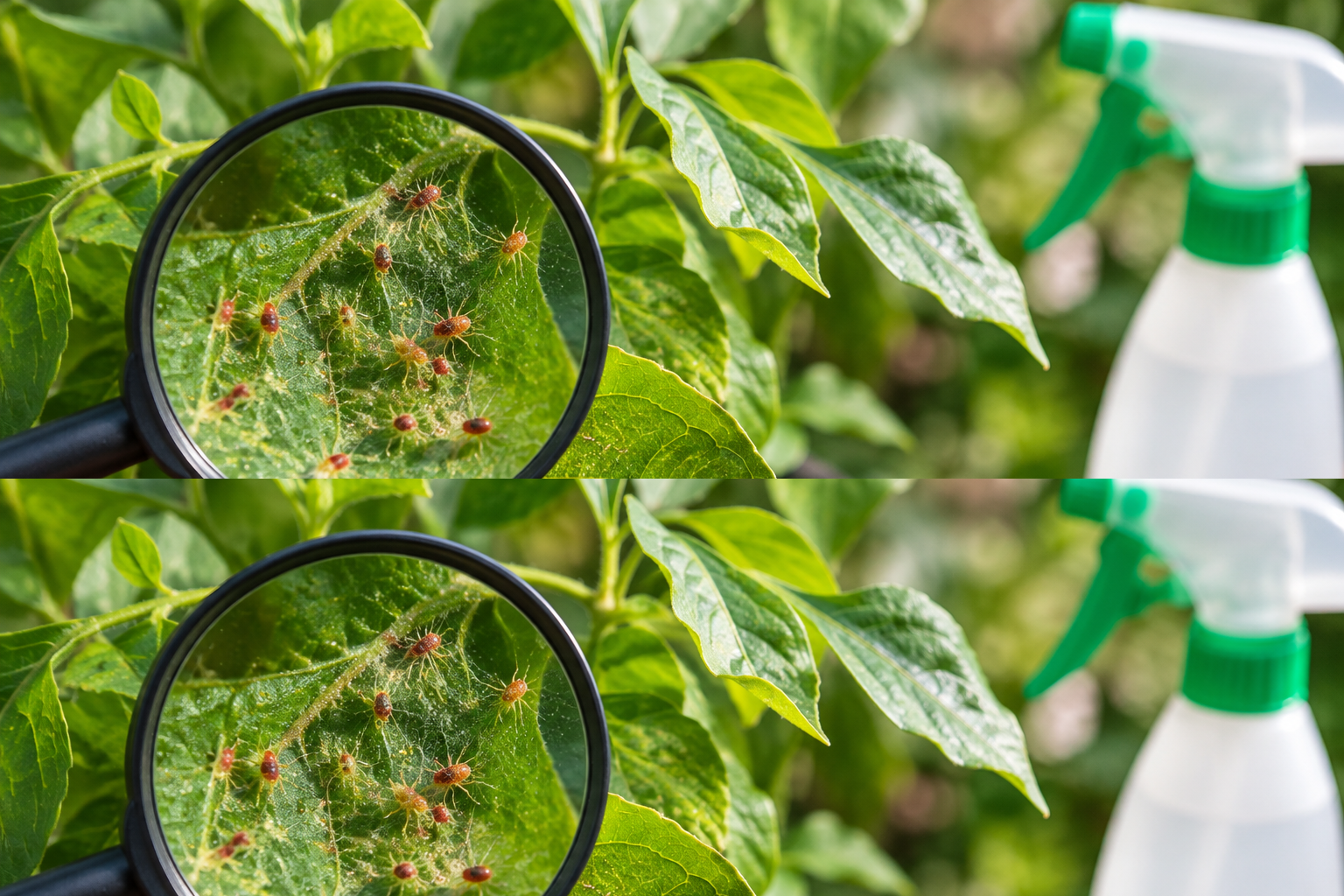
Look for signs such as small holes, curled leaves, sticky residue, yellow spots, webbing, or clusters of tiny insects. Aphids, for example, can gather around young shoots and tender leaves.
If I notice only a few pests, I try to remove them before they multiply. Early action is usually much easier than dealing with a large infestation.
Remove Pests by Hand
Hand removal is one of the easiest natural pest control methods for a small garden. Some larger insects and caterpillars can simply be picked from plants and moved away from the garden.
For small infestations, I can also gently remove insects from leaves using my fingers or a soft cloth. Wearing gardening gloves is a good idea when handling unfamiliar insects or plants.
This method may sound very simple, but it can be surprisingly useful when the problem is caught early.
Use a Strong Water Spray
A simple spray of water can help remove soft bodied insects from plants. Aphids and some other small pests can often be knocked from leaves and stems using a gentle but firm stream of water.
I usually pay special attention to the underside of leaves because insects may hide there.
The water pressure should not be so strong that it damages the plant. The purpose is to remove pests while keeping the leaves and stems healthy.
Encourage Beneficial Insects
Not every insect in the garden is harmful. Some insects are natural predators of common garden pests.
Ladybugs, lacewings, praying mantises, and some other beneficial insects can feed on pests such as aphids and other small insects.
I try to make my garden welcoming to helpful insects by growing a variety of flowering plants and avoiding unnecessary pesticide use. Flowers can provide food and shelter for pollinators and other beneficial organisms.
A garden with beneficial insects can develop a more natural balance between pests and their predators.
Plant Pest Repelling Herbs and Flowers
Certain plants are commonly used in gardens because their smell can help discourage some unwanted insects. Herbs such as basil, mint, rosemary, and thyme can be useful additions to a garden.
Flowers such as marigolds are also popular among gardeners who want to create a more diverse planting area.
I would not depend on one plant as a complete solution for pest control. Instead, I see companion planting as one part of a larger natural pest management plan.
Try Garlic Spray
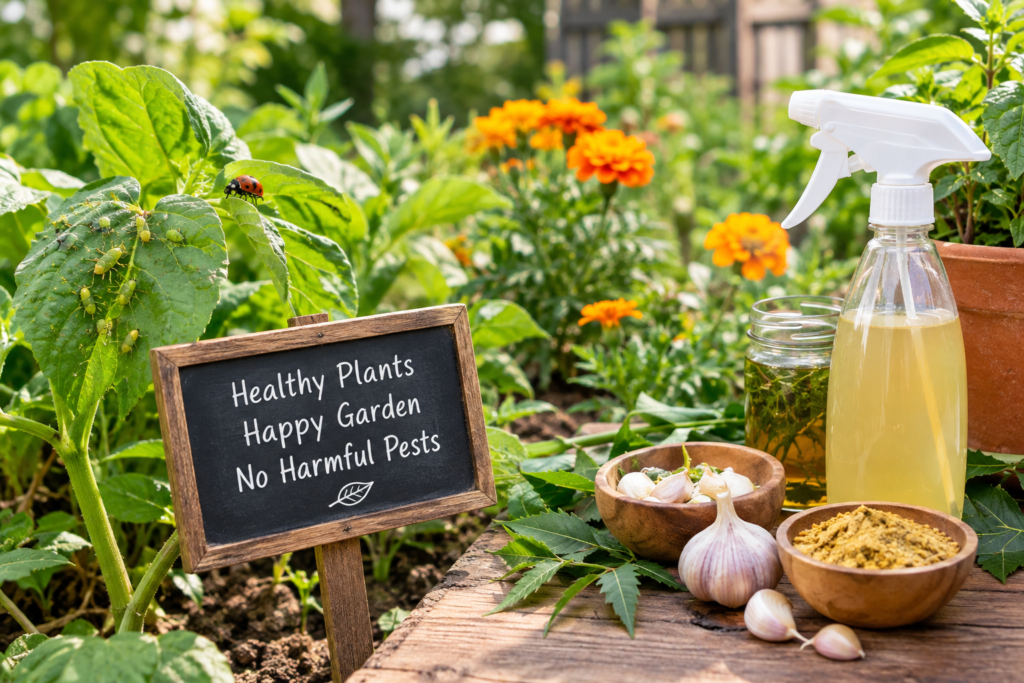
Garlic is commonly used in homemade garden sprays because of its strong smell. A simple garlic based spray can be prepared by crushing garlic cloves and allowing them to soak in water before filtering the mixture.
The filtered liquid can then be placed in a spray bottle and applied lightly to plant surfaces.
Before using any homemade spray on a large number of plants, I recommend testing it on a small area first. Different plants can react differently to homemade treatments.
It is also important to avoid spraying during very hot sunlight because some plant leaves can be sensitive to concentrated solutions.
Use Neem Carefully
Neem based products are another option used by many gardeners for natural pest management. Neem products can be useful against certain garden insects, but they should still be used carefully.
I always recommend following the product label and applying it according to the instructions. Natural does not automatically mean harmless to every insect or plant.
Spraying flowering plants when pollinators are actively visiting them should also be avoided. The goal of natural pest control should be to reduce harmful pests while protecting beneficial organisms.
Keep the Garden Clean
Garden cleanliness can make a noticeable difference. Fallen leaves, damaged plant material, weeds, and dead growth can sometimes provide hiding places for insects and other garden problems.
I remove badly damaged leaves and dispose of affected plant material appropriately. Keeping the growing area tidy also makes it easier to inspect plants.
However, I do not try to make my garden completely free of insects. A healthy garden can contain many different organisms. The main goal is to prevent harmful pest populations from becoming overwhelming.
Use Physical Barriers
Physical barriers are another excellent option for protecting plants naturally. Garden netting, row covers, and fine mesh can prevent certain insects from reaching plants.
This can be particularly useful for young vegetable plants that are vulnerable to insect damage.
I find physical barriers especially helpful when I want to protect plants without spraying anything on them. The barrier needs to be installed properly so pests cannot easily enter from the sides or gaps.
Improve Soil Health
Healthy soil is an important part of a healthy garden. Adding suitable organic matter and compost can improve soil structure and support plant growth.
Plants growing in suitable soil conditions may be better prepared to handle minor environmental stress and pest pressure.
I try to focus on the overall health of the garden rather than treating pests as an isolated problem. Good soil, appropriate watering, proper sunlight, and suitable plant spacing all contribute to healthier plants.
Avoid Overwatering
Watering is important, but too much water can create problems. Overwatering can stress some plants and contribute to poor root conditions.
I prefer to check the soil before watering rather than following a fixed schedule every day. The amount of water a plant needs depends on its type, container size, soil, weather, and growing conditions.
Watering near the base of plants can also help keep the foliage drier, which may be useful when managing certain plant diseases.
Remove Severely Infested Plant Parts
Sometimes a particular leaf or stem becomes heavily covered with pests. In such cases, removing the affected part may help prevent the problem from spreading.
I use clean gardening tools when pruning affected areas and avoid moving obviously infested plant material around the garden.
If an entire plant is severely damaged, removing it may sometimes be necessary to protect nearby plants. However, I would first identify the problem before taking major action.
Avoid Attracting Pests
Prevention is one of the most effective natural garden pest control strategies. Overripe fruits, fallen vegetables, weeds, and plant debris can sometimes attract unwanted insects.
I try to harvest vegetables and fruits at the appropriate time and remove damaged produce from the garden.
Keeping compost properly managed can also help prevent unwanted visitors. A well maintained garden gives pests fewer easy opportunities to establish large populations.
Do Not Kill Every Insect
One lesson I have learned from gardening is that seeing an insect does not always mean there is a problem.
Some insects are beneficial, while others may cause only minor damage. If I see a few insects on a healthy plant, I first try to identify them before taking action.
This approach is important because unnecessary pest control can remove helpful insects along with harmful ones.
Final Thoughts
Natural ways to protect your garden from pests do not have to be complicated. Regular plant inspection, healthy soil, proper watering, beneficial insects, physical barriers, hand removal, and carefully selected natural treatments can all play a role.
For me, the most important part of natural pest control is prevention. When plants are healthy and the garden is regularly monitored, pest problems are often easier to manage.
I also believe that a garden does not need to be completely free of insects to be healthy. A small number of insects is a normal part of the garden ecosystem. The real goal is to keep harmful pests under control while protecting plants and beneficial organisms.
By using several natural methods together, gardeners can create a healthier growing environment and reduce their dependence on harsh chemical pesticides. With regular attention and patience, it is possible to enjoy a productive garden while working with nature instead of constantly fighting against it.
Frequently Asked Questions
What is the best natural way to protect plants from pests?
Regular inspection, hand removal, water spraying, physical barriers, healthy soil, and encouraging beneficial insects are useful natural pest control methods.
Can garlic spray help protect garden plants?
Garlic based sprays are commonly used by gardeners to discourage certain insects. It is best to test homemade sprays on a small part of the plant first.
How can I keep beneficial insects in my garden?
Growing flowering plants, avoiding unnecessary pesticide use, and providing a variety of plants can help create a garden environment that supports beneficial insects.
Should I remove every insect from my garden?
No. Many insects are beneficial or harmless. It is better to identify the insect and determine whether it is actually causing significant damage before taking action.
How often should I check my plants for pests?
A quick inspection several times a week can help you notice pest problems early. Pay particular attention to new growth and the undersides of leaves.