 snailhas25000teeth
Related Articles

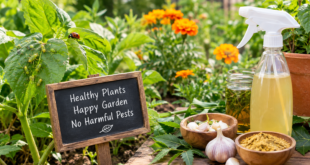
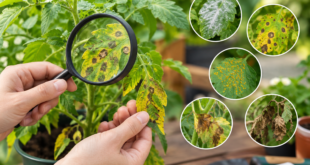
Spider mites are one of those garden pests that can become a problem before you even realize they are there. They are extremely small and often hide on the underside of leaves, making them difficult to notice during a normal garden check. By the time I notice yellow spots, dry leaves, or fine webbing on a plant, the infestation may already have started spreading.
The good news is that spider mites can be controlled if you identify them early and take consistent action. In my experience, regular plant inspection, proper watering, good air circulation, and careful treatment can make a big difference.
In this guide, I will explain how to identify spider mites, why they appear, how to get rid of spider mites naturally, and how to prevent spider mite infestations from returning.
What Are Spider Mites?
Spider mites are tiny pests that belong to the arachnid family, which means they are more closely related to spiders and ticks than insects. They feed on plant tissues by piercing plant cells and sucking out their contents.
Because spider mites are so small, you may not notice the actual pests at first. Instead, you usually see the damage they cause.
Spider mites can attack many types of plants, including vegetables, flowers, herbs, houseplants, fruit plants, and ornamental plants. They can become especially troublesome during hot and dry weather.
One reason spider mites spread quickly is their short life cycle. Under suitable conditions, their population can increase rapidly, allowing a small problem to become a serious infestation.
How to Identify Spider Mites on Plants
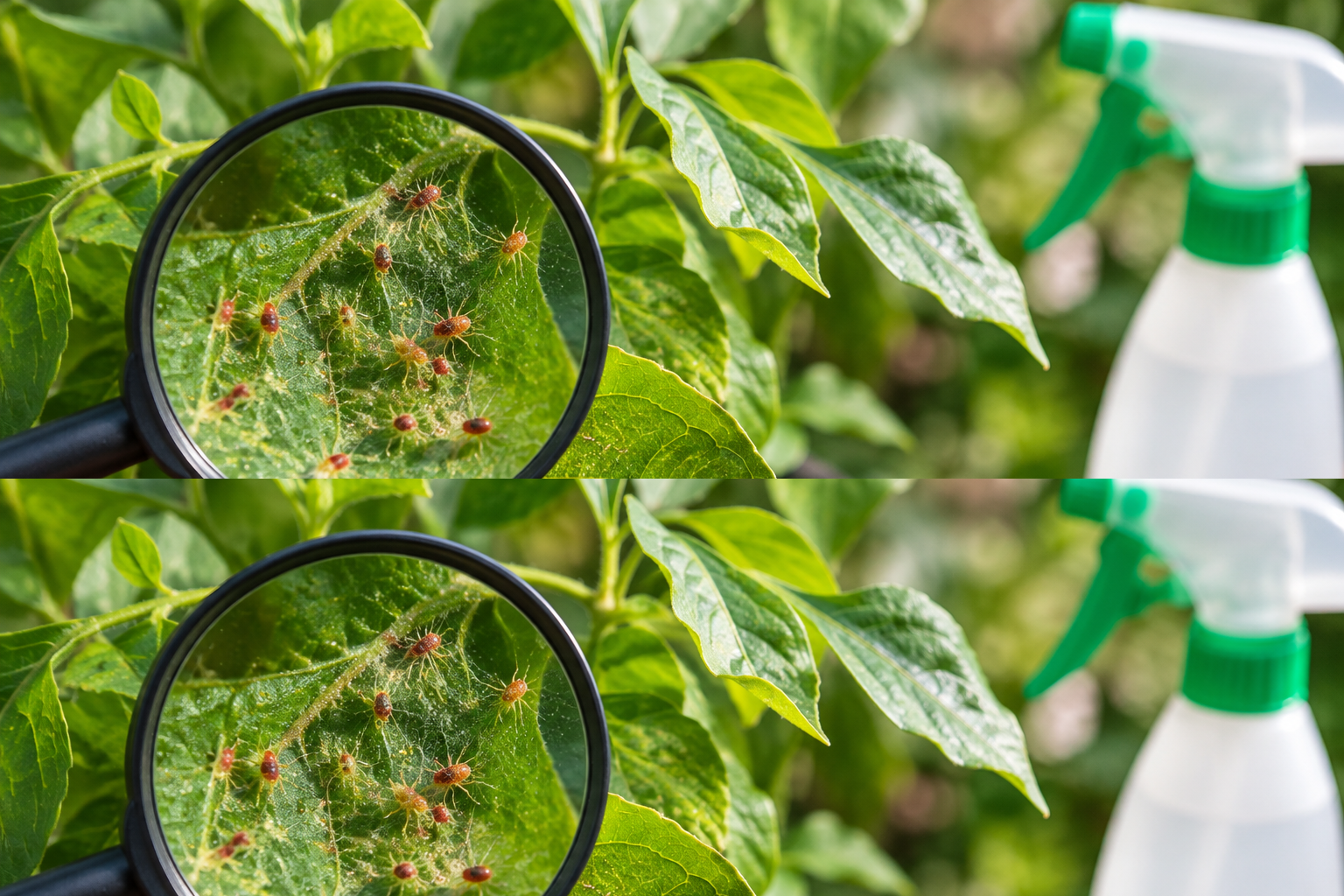
The first step in dealing with spider mites is knowing what to look for. I recommend checking the leaves carefully, especially the undersides.
One common sign is tiny pale or yellow spots across the surface of the leaves. These spots may look like small dots or speckles. As the infestation becomes worse, the leaves can lose their healthy green color.
Another important sign is fine webbing. Spider mite webbing is usually much finer than the webs made by ordinary spiders. It may appear between leaves, around stems, or underneath heavily affected leaves.
You can also gently shake a leaf over a piece of white paper. If tiny moving dots appear on the paper, you may be dealing with spider mites. A magnifying glass can make identification easier.
Why Do Spider Mites Appear?
Spider mites often become more active when plants experience hot and dry conditions. Low humidity can create an environment where spider mite populations increase quickly.
Plants that are stressed because of insufficient watering can also become more vulnerable. This does not mean watering alone will eliminate spider mites, but maintaining appropriate moisture can help plants tolerate pest pressure.
Dusty leaves can also provide favorable conditions for spider mites. This is particularly noticeable on houseplants, plants growing near roads, and garden areas that remain dry for long periods.
Another reason spider mite problems develop is a lack of regular inspection. If I only check my plants occasionally, these pests can remain unnoticed for quite some time.
Inspect Your Plants Carefully
When I suspect spider mites, I start by inspecting the entire plant instead of treating only the leaves that look damaged.
I check the underside of leaves, new growth, stems, and areas where leaves overlap. Spider mites can hide in protected areas, so simply looking at the upper surface of the leaves may not be enough.
It is also important to inspect nearby plants. Spider mites can move from one plant to another, particularly when plants are touching.
Early detection makes spider mite control much easier. If you find the infestation while it is still small, you may be able to control it without using stronger treatments.
Isolate Affected Plants
If spider mites are found on a potted plant, I recommend moving it away from healthy plants immediately.
This is especially important for indoor plants. A plant sitting close to several other plants can allow spider mites to spread quickly.
Keep the affected plant separated while you inspect and treat it. Continue checking the surrounding plants because spider mites may already have moved to them.
For outdoor gardens, complete isolation may not be possible. However, removing heavily affected leaves and keeping plants from touching each other can still help reduce the spread.
Wash Plants With Water
One of the simplest methods for dealing with spider mites is washing the plant with water.
A gentle but thorough spray can help remove spider mites, eggs, webbing, and dust from the plant. Pay special attention to the undersides of leaves because that is where many spider mites are found.
For outdoor plants, a suitable spray of water from a garden hose can help. For indoor plants, you can carefully rinse the plant in a sink, shower, or suitable outdoor location.
However, I would not rely on one washing session. Spider mites can return, so repeated inspection and treatment are important.
Also make sure the plant can tolerate getting wet and avoid damaging delicate leaves with excessive water pressure.
Use Insecticidal Soap
Insecticidal soap can be useful for controlling spider mites on many plants. It works by contacting the pests rather than providing long lasting protection.
When using insecticidal soap, I always recommend reading the product label carefully and following its instructions. Different plants can have different levels of sensitivity.
Before treating the entire plant, testing the product on a small area can be a sensible precaution. Wait and observe the plant for signs of damage before applying it more broadly.
Good coverage is important because spider mites often hide underneath leaves.
Consider Horticultural Oil
Horticultural oil is another option for managing spider mites. It can work by covering and suffocating pests when applied correctly.
As with any garden treatment, follow the label instructions carefully. Avoid applying oils during extremely hot conditions or when the plant is already under severe stress unless the product specifically allows it.
I also avoid mixing treatments unless the product label clearly states that they are compatible. Using more products does not necessarily mean better pest control.
Remove Severely Damaged Leaves
If some leaves are heavily damaged, dry, or covered with extensive webbing, removing them can help reduce the number of spider mites on the plant.
I use clean pruning scissors and remove only the affected parts that genuinely need to go. After pruning, I dispose of the damaged plant material rather than leaving it beside the plant.
Pruning alone will not solve a large infestation because spider mites can remain on other parts of the plant. However, it can support other control methods.
Encourage Natural Predators
Nature already has several organisms that feed on spider mites. Predatory mites, lacewing larvae, and some other beneficial organisms can help keep spider mite populations under control.
This is one reason I prefer avoiding unnecessary broad spectrum pesticides in the garden. Some pesticides can kill beneficial organisms along with unwanted pests.
A garden with a healthy population of beneficial insects can sometimes develop a natural balance that reduces pest problems.
Avoid Overusing Pesticides
It may be tempting to reach for a strong pesticide as soon as you notice spider mites. However, repeated or unnecessary pesticide use can sometimes make pest management more difficult.
Some products may harm beneficial predators that naturally feed on spider mites. In certain situations, spider mite populations can recover quickly after treatment while their natural enemies take longer to return.
For this reason, I prefer starting with basic control measures when the infestation is manageable. Water sprays, physical removal, appropriate soap or oil treatments, and regular monitoring can be useful parts of an integrated approach.
If a serious infestation continues, choose a product specifically labeled for the plant and pest involved and follow the instructions carefully.
How to Prevent Spider Mites
Prevention is easier when plants are regularly monitored.
I like to check my plants at least once or twice a week, especially during hot and dry weather. I look under leaves and pay attention to any unusual speckling, discoloration, or webbing.
Keeping plants properly watered is also important. Plants should receive the amount of water appropriate for their species, soil, container size, and growing conditions.
Good air circulation can also help maintain healthier growing conditions. Avoid overcrowding plants, especially in containers.
Keeping leaves reasonably clean can also be useful. Indoor plants can be gently wiped with a clean damp cloth when appropriate.
New plants should also be inspected before placing them next to existing plants. This simple habit can prevent many pest problems from spreading throughout a collection.
Can Spider Mites Kill Plants?
A small spider mite infestation may cause limited damage, but a severe infestation can seriously weaken a plant.
As spider mites continue feeding, leaves may become increasingly yellow, dry, and damaged. The plant may lose its ability to grow normally and may eventually suffer significant stress.
Young plants and already weakened plants can be particularly vulnerable.
This is why early detection matters. The sooner you recognize spider mite damage, the easier it generally is to take action.
How Often Should You Treat Spider Mites?
The correct treatment schedule depends on the product you are using and the severity of the infestation.
I would not assume that one treatment will solve everything. Spider mite eggs may survive an initial treatment, and new mites can appear later.
Instead, I recommend following the product label and continuing to inspect the plant between treatments. Look for new damage, moving mites, and fresh webbing.
Consistency is often more important than using a very strong treatment once and then forgetting about the problem.
Final Thoughts
Dealing with spider mites on plants can be frustrating, but it does not mean your plant is beyond saving. The most important thing is to recognize the signs early and respond consistently.
I believe the best approach is to combine several simple practices. Inspect plants regularly, wash affected leaves when appropriate, remove severely damaged foliage, maintain proper watering, encourage beneficial organisms, and use suitable treatments when necessary.
Spider mites are tiny, but their damage can become noticeable very quickly. A few minutes spent checking the underside of leaves each week can help you catch an infestation before it becomes difficult to control.
With regular care and patience, most gardeners can manage spider mite problems and keep their plants healthier throughout the growing season.
Frequently Asked Questions
What is the easiest way to get rid of spider mites?
Washing the plant thoroughly with water can help reduce spider mite numbers. Repeated monitoring and appropriate treatments may be necessary for larger infestations.
How do I know if my plant has spider mites?
Look for tiny yellow or pale spots, damaged leaves, fine webbing, and very small moving dots on the underside of leaves.
Can spider mites spread to other plants?
Yes. Spider mites can move between nearby plants, especially when leaves and stems are touching. Inspect surrounding plants if one plant becomes infested.
Do spider mites live in soil?
Spider mites primarily live and feed on plant surfaces, particularly leaves and stems. Their presence is usually associated with the foliage rather than the soil.
Can plants recover from spider mite damage?
Yes, plants can often recover when the infestation is controlled and growing conditions are improved. Severely damaged leaves may not recover, but healthy new growth can develop with proper care.