 snailhas25000teeth
Related Articles
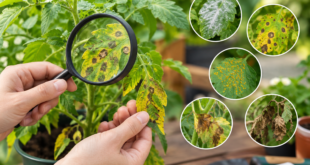
Aphids are one of the most common garden pests, and they can appear almost overnight. I have found that these tiny insects are especially frustrating because they often gather on the newest leaves, stems, and flower buds where they can quickly weaken a plant. The good thing is that aphid control does not always require strong chemicals. With regular inspection and the right treatment, most gardeners can get rid of aphids and keep their plants healthy.
In this guide, I will explain how to identify aphids, why they appear, how to get rid of aphids naturally, and what you can do to prevent them from returning.
What Are Aphids?
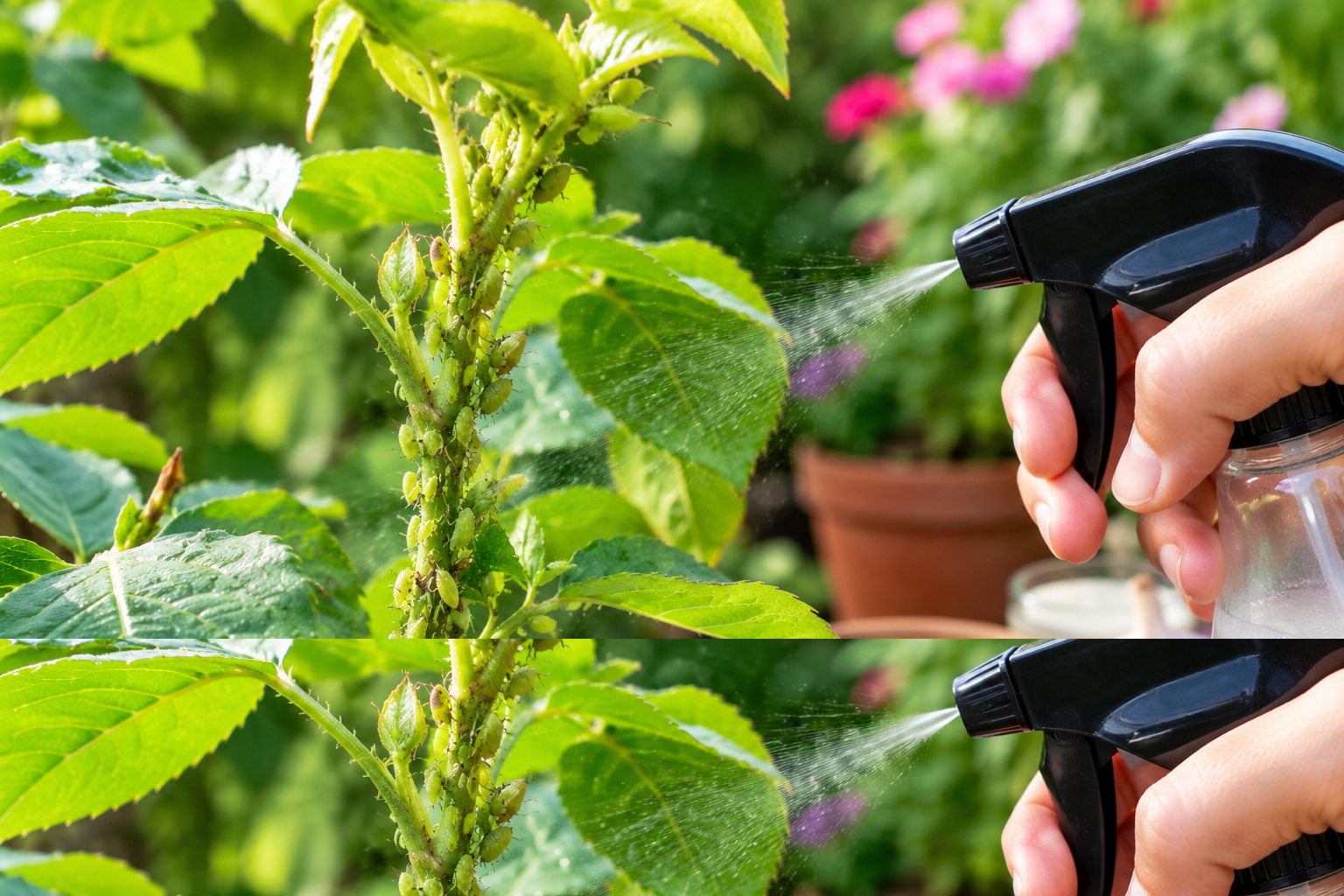
Aphids are very small insects that feed on plant sap. They can be green, black, brown, yellow, red, or even gray depending on the species. Most aphids have soft bodies and are usually found in groups.
They commonly attack the young growth of plants because new leaves and stems contain plenty of plant sap. You may find aphids underneath leaves, around stems, near flower buds, or on fresh shoots.
One reason aphids can become a serious problem is their ability to reproduce quickly. A small group can turn into a large infestation in a short period if it is not noticed early.
How to Identify Aphids on Plants
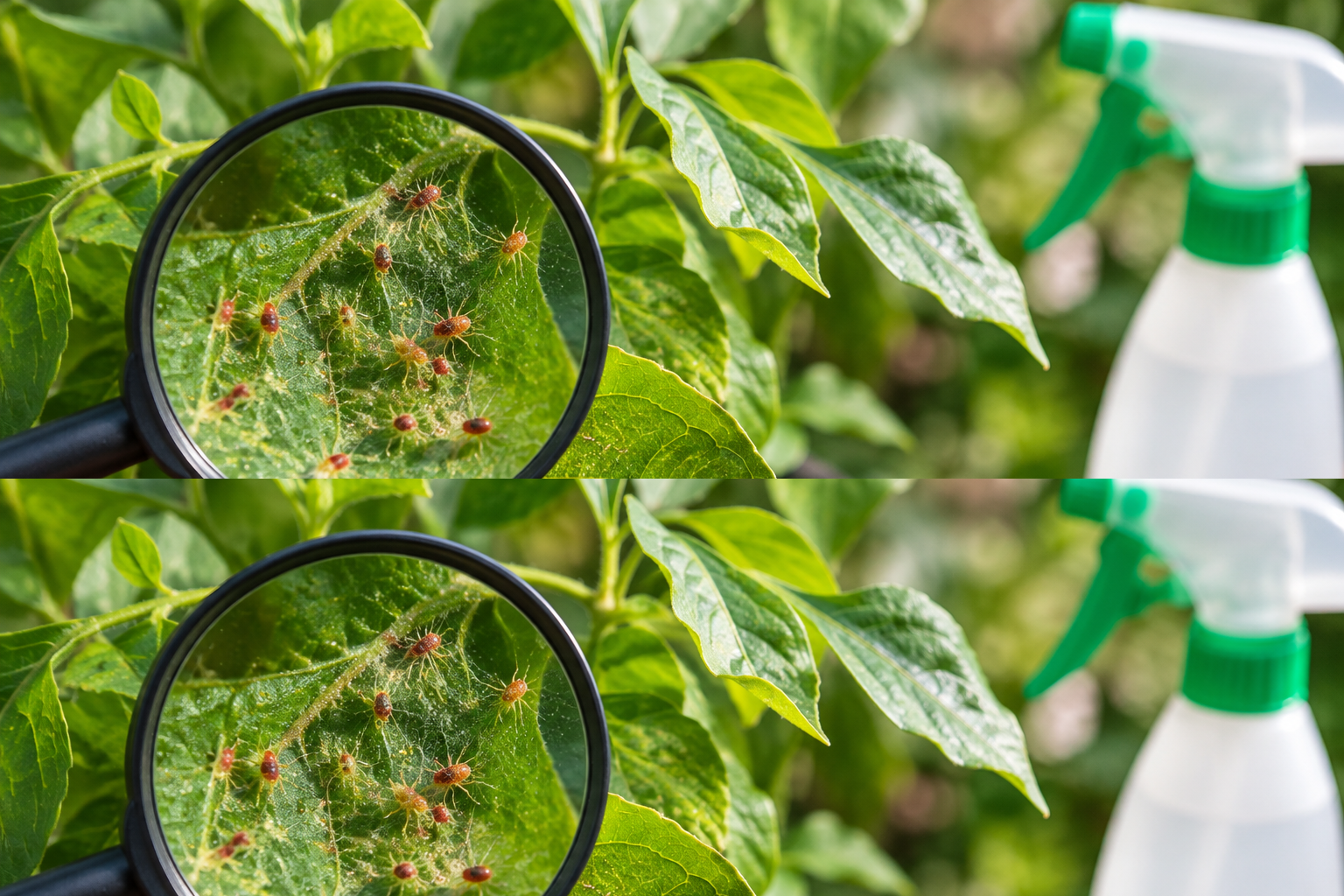
The first step in getting rid of aphids is knowing what you are looking for. Aphids are usually less than a few millimeters long, so they can be difficult to notice individually.
I usually recommend checking the youngest parts of a plant first. Look carefully at new leaves, stems, buds, and the underside of leaves.
Common signs of an aphid infestation include:
- Small insects gathered around new growth
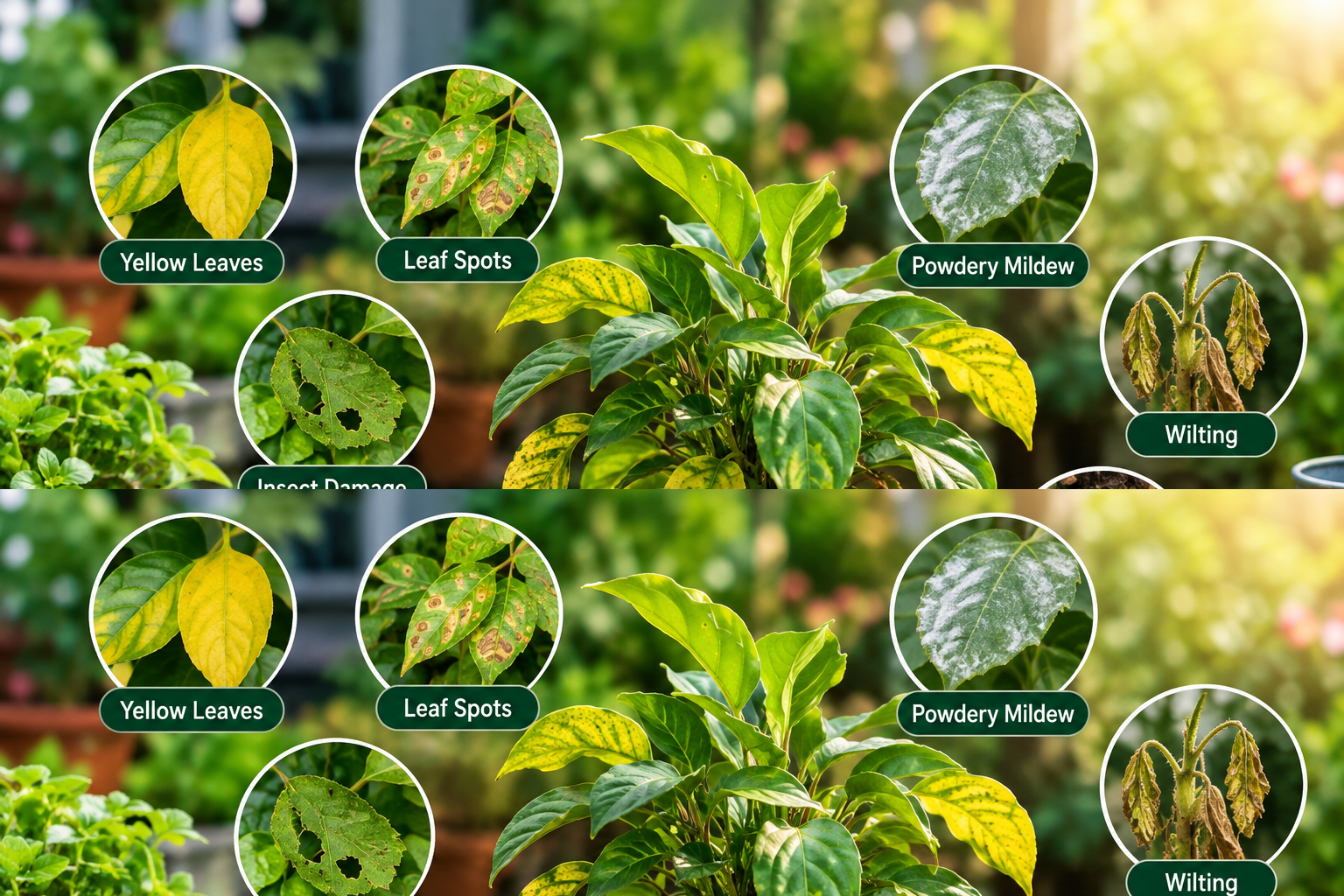
- Curled or distorted young leaves
- Yellowing leaves
- Weak or slow plant growth
- Sticky material on leaves
- Ants moving around the plant
- Black sooty mold developing on leaves
The sticky substance is called honeydew. Aphids produce it while feeding on plant sap. Ants are often attracted to this sweet material, so a sudden increase in ants around your plants can sometimes be a sign of aphids.
Why Do Aphids Attack Garden Plants?
Aphids are attracted to plants with soft, fresh growth. Plants receiving excessive nitrogen can sometimes produce a lot of tender growth, which may become attractive to aphids.
Weather can also affect aphid populations. Warm conditions and abundant new plant growth can create favorable conditions for them.
Overcrowded plants may also make pest problems harder to notice and control. When plants are growing too closely together, there is less air movement and it becomes easier for pests to spread from one plant to another.
How to Get Rid of Aphids Naturally
There are several simple ways to control aphids without immediately using chemical pesticides. For a small garden, I prefer starting with the gentlest method and increasing the treatment only when necessary.
1. Spray Aphids With Water
One of the simplest methods is using a strong stream of water to remove aphids from the plant.
Use a garden hose or spray bottle and direct the water toward the affected leaves and stems. Pay special attention to the underside of leaves and new growth.
The water can knock many aphids off the plant. They are small and soft bodied, so they often have difficulty returning to the same location.
This method may need to be repeated several times, but it can work surprisingly well for light infestations.
2. Remove Aphids by Hand
If you only see a small number of aphids, you can remove them manually.
I recommend checking the plant carefully and gently wiping affected areas with your fingers or a damp cloth. You can also remove heavily infested leaves if doing so will not seriously affect the plant.
This method is particularly useful for container plants, herbs, and small vegetable plants.
3. Use Insecticidal Soap
Insecticidal soap is another commonly used option for aphid control. It works by contacting the insects rather than acting like a long lasting poison.
When using any commercial garden product, follow the label instructions carefully. Spray the affected parts of the plant thoroughly, including the underside of leaves where aphids often hide.
It is important to understand that insecticidal soap usually needs direct contact with aphids. A single application may not eliminate every insect, especially when some are hidden.
Always test a small area of the plant first if you are concerned about sensitivity.
4. Encourage Beneficial Insects
Nature already has several useful predators that feed on aphids. Ladybugs, lacewings, and some types of predatory insects can help reduce aphid populations.
Instead of trying to eliminate every insect from the garden, I think it is better to create an environment where helpful insects can live.
Growing a variety of flowering plants can provide food and shelter for beneficial insects. Avoid unnecessary broad spectrum pesticide use because it can harm helpful insects along with garden pests.
5. Prune Heavily Infested Growth
Sometimes an aphid colony becomes concentrated on one stem or a few young shoots. In that situation, pruning can be an easy solution.
Remove the heavily infested section using clean pruning scissors and dispose of the affected material appropriately.
Do not remove large portions of a healthy plant unnecessarily. The goal is to reduce the pest population while allowing the plant to continue growing normally.
Can Neem Oil Help With Aphids?
Neem oil is often used by home gardeners as part of an insect pest management routine. It can help with certain soft bodied insects, including aphids, when used correctly.
However, neem oil should not be treated as a magic solution. Application must be done according to the product label, and plants can sometimes react badly to oils.
Avoid spraying oils during very hot conditions or when plants are under heat stress. It is also important to avoid spraying flowers when pollinators are actively visiting them.
For edible plants, always follow the product label regarding application and harvest intervals.
How Often Should You Treat Aphids?
There is no single treatment schedule that works for every garden. The best approach is to inspect your plants regularly.
After treating an infestation, check the plant again after a few days. Look at new growth and the undersides of leaves because surviving aphids may still be present.
If you continue finding aphids, repeat the appropriate treatment according to its instructions.
I have found that early action is much easier than trying to control a large infestation. Spending a few minutes checking plants each week can save a lot of effort later.
How to Prevent Aphids From Coming Back
Getting rid of aphids is only part of the job. Prevention can make future problems much easier to manage.
Inspect New Plants
Before adding a new plant to your garden, inspect it carefully. Check the leaves, stems, and growing points for aphids or other pests.
A plant that looks healthy at the garden center can sometimes carry insects that are difficult to see.
Avoid Excessive Fertilizer
Plants need nutrients, but more fertilizer does not always mean better growth. Excessive nitrogen can encourage soft, rapid growth that may be attractive to aphids.
Use fertilizer according to the needs of the particular plant and avoid applying more than recommended.
Keep Plants Healthy
Healthy plants are generally better able to tolerate minor pest pressure. Give your plants appropriate sunlight, water, nutrients, and growing space.
Healthy soil also supports stronger plant growth, so adding suitable organic matter and maintaining good soil conditions can be beneficial.
Check Plants Regularly
Regular inspection is probably one of the most useful habits for aphid prevention.
When watering your garden, take a moment to look closely at the newest leaves and stems. If you find a few aphids early, you can often remove them before they become a major infestation.
What Should You Avoid When Treating Aphids?
One common mistake is immediately reaching for the strongest pesticide available. Aphids have natural predators, and unnecessary pesticide use can damage populations of beneficial insects.
Another mistake is treating only the visible upper surface of leaves. Aphids frequently hide underneath leaves and around new stems.
It is also important not to overuse homemade mixtures. Household products can damage plants if they are too concentrated. A natural treatment is not automatically safe simply because it comes from a household ingredient.
When using any pest control product, read and follow the label carefully.
Final Thoughts
Aphids can be annoying, but they do not have to ruin your garden. The key is early identification and consistent control. Start by checking your plants regularly, especially the newest leaves, stems, and flower buds.
For a small infestation, removing aphids by hand or spraying them with water may be enough. For larger infestations, insecticidal soap or another appropriate garden treatment can provide additional control. Encouraging beneficial insects can also help keep aphid populations naturally balanced.
In my view, the most effective approach is not simply trying to kill every insect in the garden. A healthy garden needs balance. By keeping plants healthy, avoiding excessive fertilizer, checking for pests regularly, and protecting beneficial insects, you can make your garden much less welcoming to aphids.
The sooner you notice aphids, the easier they are to manage. A few minutes of regular plant inspection can make a big difference and help your garden remain healthy, productive, and attractive throughout the growing season.