 snailhas25000teeth
Related Articles
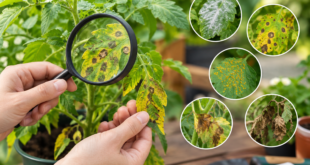
Growing plants at home can be a rewarding experience, but common garden insects can quickly become a problem. One day your plants may look healthy and green, and the next day you may notice holes in leaves, curled foliage, sticky spots, or tiny insects hiding under the leaves. I have found that protecting plants from garden insects is much easier when you notice the problem early and use simple prevention methods.
The good thing is that you do not always need strong chemical pesticides to protect your garden. Regular observation, healthy soil, proper watering, good garden hygiene, and natural pest control methods can make a big difference. In this article, I will explain some practical ways to protect plants from common garden insects and keep a healthy garden throughout the growing season.
Why Garden Insects Become a Problem
Not every insect in the garden is harmful. Some insects are actually helpful because they pollinate flowers or feed on harmful pests. The real problem starts when pest populations become large enough to damage plants.
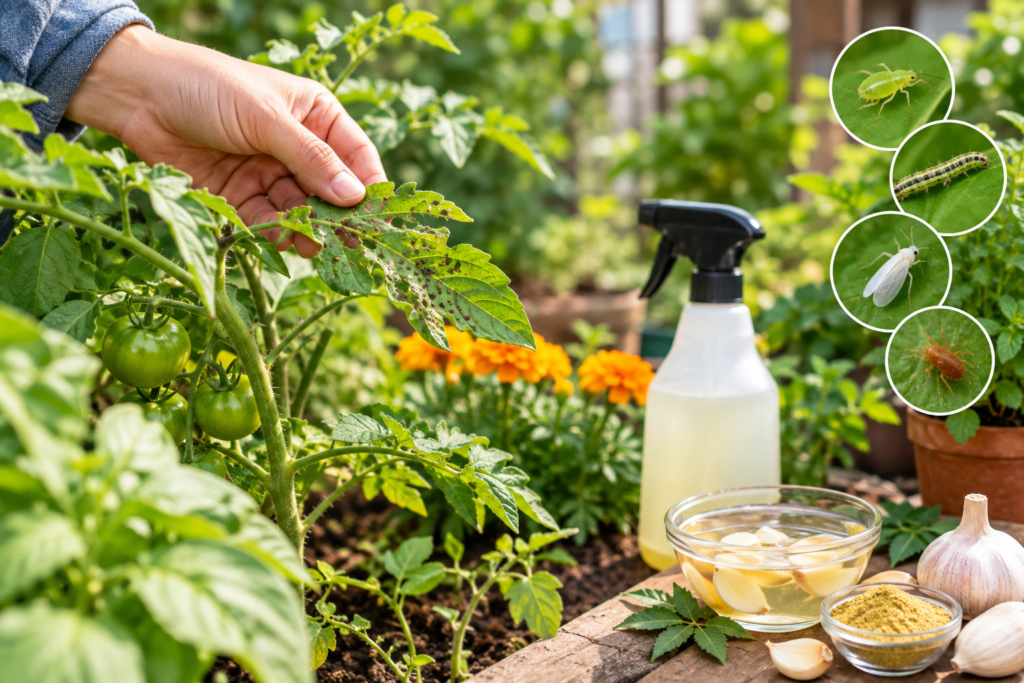
Common garden insects include aphids, whiteflies, mealybugs, caterpillars, spider mites, thrips, and some types of beetles. These insects can attack leaves, stems, flowers, and even young fruits.
In my experience, the first step in garden pest control is identifying what is causing the damage. Randomly spraying a plant without knowing the problem can sometimes make things worse.
Check Your Plants Regularly
One of the easiest ways to protect plants from common garden insects is to inspect them regularly. You do not need to spend hours doing this. A few minutes several times a week can help you notice pest problems before they become serious.
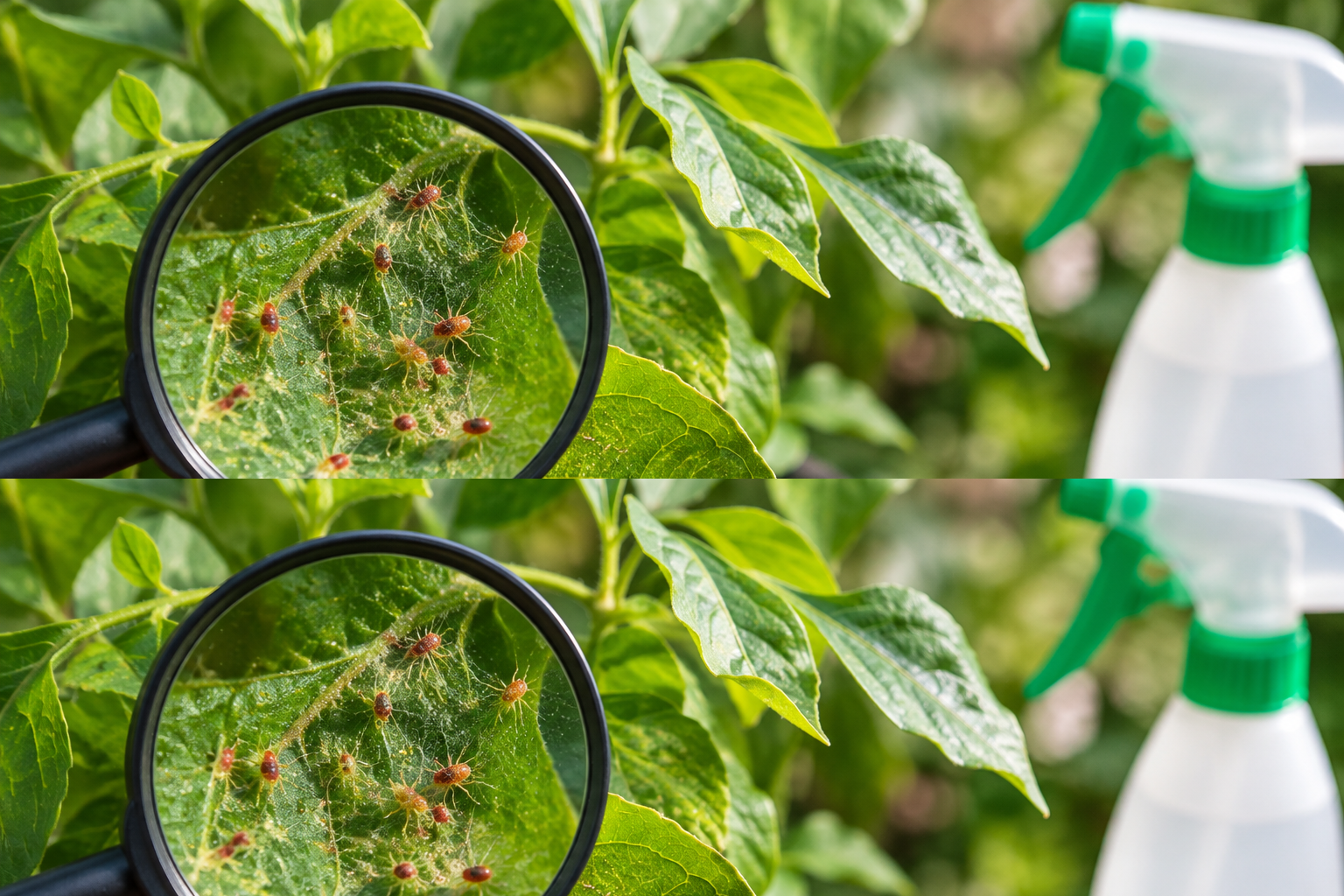
I usually recommend checking the underside of leaves because many insects hide there. Look closely at new growth, stems, flower buds, and areas where leaves meet the stem.
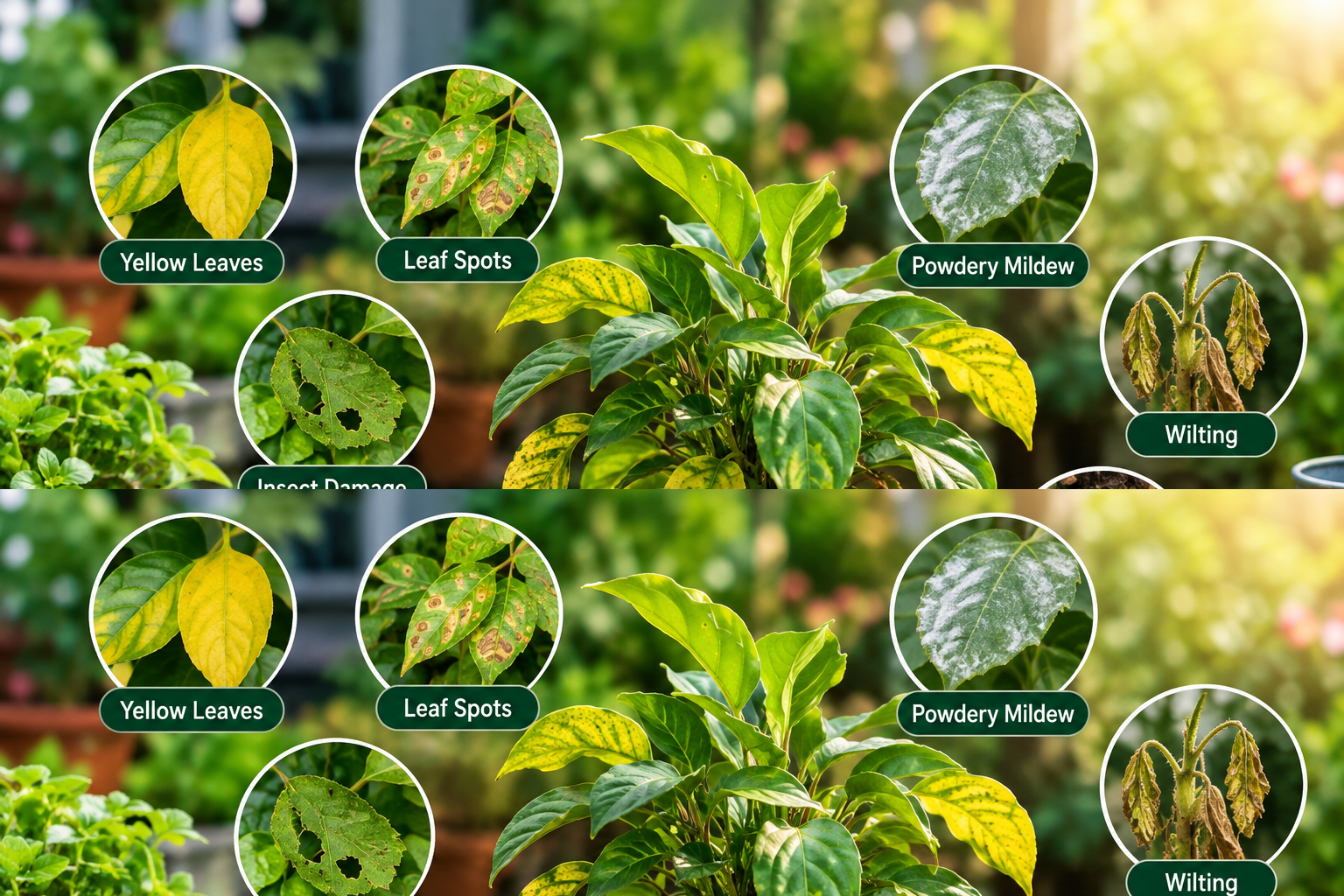
Watch for signs such as small holes, yellow leaves, curled leaves, sticky residue, webbing, white insects, black spots, or clusters of tiny bugs.
Early detection gives you more options for controlling garden insects naturally.
Keep Plants Healthy
Healthy plants are generally better able to handle minor insect damage. This does not mean insects will never appear, but a strong plant can often tolerate some damage without losing its overall health.
Give your plants the amount of sunlight they need and avoid watering them too much or too little. Use suitable soil and provide nutrients when necessary.
I also believe that overcrowding should be avoided. When plants are packed too closely together, air movement becomes poor and it can become harder to inspect individual leaves.
Healthy plants, good spacing, and proper garden care are important parts of preventing garden pests.
Remove Insects by Hand
For a small garden, physically removing insects can be surprisingly effective. If you notice caterpillars, beetles, or groups of larger insects, you can carefully remove them by hand.
For small infestations, I prefer this method because it does not introduce any spray into the garden. You can place the insects into a container and move them away from the growing area.
You can also remove heavily damaged leaves if the plant has enough healthy foliage remaining. Always use clean gardening scissors when cutting affected plant parts.
This simple method works particularly well when you notice the problem early.
Use a Strong Water Spray
A gentle but firm stream of water can help remove many soft bodied insects from plants. Aphids, spider mites, and some other small pests can often be knocked from leaves with water.
Pay particular attention to the underside of leaves. Spray carefully so that the plant is not damaged.
I find this especially useful for plants with a mild insect problem. It is simple, inexpensive, and does not require a chemical pesticide.
However, avoid using excessive water pressure because delicate leaves and young stems can be damaged.
Use Insecticidal Soap Carefully
Insecticidal soap is another option for controlling certain soft bodied garden insects. It can be useful against pests such as aphids, whiteflies, mealybugs, and some mites.
The important thing is to follow the product label carefully. More product does not necessarily mean better results. A stronger mixture can damage plant leaves.
Before treating the entire plant, testing the product on a small section is a sensible precaution. Wait and observe the plant for signs of leaf damage before applying it more widely.
Always follow the directions provided with the product.
Encourage Beneficial Insects
A healthy garden is not only about removing insects. It is also about encouraging helpful insects.
Ladybugs, lacewings, hoverflies, and some parasitic wasps can help control certain garden pests. Bees and other pollinators are also important for many flowering and vegetable plants.
Planting a variety of flowers can help attract beneficial insects. Marigolds, herbs, flowering plants, and other suitable garden plants can provide food and shelter.
I think of the garden as a small ecosystem. Instead of trying to remove every insect, it is better to maintain a balance where beneficial insects can help control harmful pests.
Keep the Garden Clean
Garden hygiene is another simple way to reduce insect problems. Remove fallen leaves, dead plant material, and badly damaged parts of plants when appropriate.
Weeds can also provide shelter for some pests, so keeping the growing area reasonably clean can help.
However, I would not recommend making the garden completely sterile. A natural garden needs some plant diversity and organic material. The goal is to remove conditions that encourage serious pest infestations while keeping the garden healthy.
Avoid Overwatering
Watering may not seem directly connected to insect control, but plant care has a major effect on pest problems.
Overwatering can weaken plants and create conditions that encourage other garden problems. Different plants have different water requirements, so I prefer checking the soil before watering rather than following a fixed schedule.
Water deeply when appropriate and allow the soil to dry to the level suitable for the particular plant.
Healthy watering habits can support stronger roots and healthier plants.
Use Garden Mulch
Mulch can help maintain soil moisture, reduce weeds, and improve overall garden conditions. Organic mulch such as composted plant material, straw, or suitable wood based mulch can be useful around many plants.
Keep mulch slightly away from the plant stem to reduce moisture related problems.
Mulch itself is not a complete solution for garden insects, but it can support healthier soil and plants, which is an important part of an integrated garden pest control approach.
Try Natural Pest Control Methods
Many gardeners prefer natural methods when protecting plants from common garden insects. Depending on the pest and plant, options can include hand removal, water sprays, insecticidal soap, physical barriers, and encouraging beneficial insects.
Some gardeners also use plant based sprays, but natural does not automatically mean harmless. Even homemade mixtures can burn leaves or harm useful insects if used incorrectly.
For this reason, I recommend testing any new treatment on a small area first and avoiding unnecessary spraying.
Use Physical Barriers
Physical barriers can prevent insects from reaching plants in the first place. Fine garden netting, row covers, and other suitable barriers can protect vegetables and young plants from certain insects.
This approach is particularly useful when you know which pest is causing the problem.
The barrier needs to be installed correctly so insects cannot easily enter from underneath or through gaps. For flowering plants that need pollination, remember that covering them can also prevent pollinators from reaching the flowers.
Rotate Vegetable Crops
If you grow vegetables every year, crop rotation can help reduce recurring pest problems. Instead of planting the same type of vegetable in exactly the same location each season, change the planting area when practical.
Different plant families attract different pests, so rotation can make it harder for certain pest populations to repeatedly find their preferred plants.
Crop rotation is not a quick solution, but it can be a useful part of long term garden planning.
Avoid Using Too Much Fertilizer
It can be tempting to think that more fertilizer will always produce healthier plants. In reality, excessive fertilizer can create problems.
For example, too much nitrogen can encourage soft, rapid plant growth that may be attractive to certain insects such as aphids.
I prefer focusing on balanced plant nutrition rather than adding fertilizer whenever a plant looks slightly weak. A soil test can also help when you are unsure about nutrient levels.
When Should You Use Pesticides?
Sometimes an insect infestation becomes serious enough that additional treatment is necessary. If you decide to use a pesticide, choose a product that is specifically labeled for the pest and plant you are treating.
Always read and follow the label instructions. Pay attention to application rates, protective equipment, harvest intervals for edible crops, and precautions for children, pets, pollinators, and other wildlife.
Avoid spraying flowering plants when pollinators are actively visiting them whenever the product label advises against it.
The goal should be to control a serious pest problem while minimizing unnecessary effects on other organisms in the garden.
Common Mistakes to Avoid
One common mistake is waiting until a plant is severely damaged before checking for insects. Regular inspection is much easier than trying to recover a badly affected plant.
Another mistake is spraying everything immediately. Not every insect is harmful, and some are beneficial.
Using too much pesticide is another problem. More is not always better and can harm plants or beneficial insects.
I also recommend avoiding the habit of treating every yellow leaf as an insect problem. Yellowing can result from watering issues, nutrient deficiencies, diseases, temperature changes, or natural aging.
Proper identification should always come before treatment.
Final Thoughts
Protecting plants from common garden insects does not have to be complicated. In my view, the best approach starts with regular observation and healthy gardening habits. Check leaves frequently, keep plants properly watered, provide suitable sunlight and nutrition, remove pests early, and encourage beneficial insects.
When an infestation appears, start with the least disruptive method that is suitable for the problem. Hand removal, water sprays, physical barriers, and insecticidal soap can all have a place in garden pest control.
A few insects in the garden are normal. The goal is not necessarily to eliminate every insect but to prevent pest populations from causing serious damage.
With regular care and a little patience, you can protect your plants from common garden insects and enjoy a healthier, greener garden throughout the growing season.