 snailhas25000teeth
Related Articles
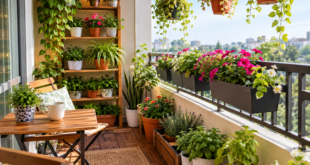
Growing vegetables in pots is one of the easiest ways to enjoy fresh food at home, especially when you do not have a large garden. I personally think container gardening is a great option for beginners because it gives you better control over the soil, watering, sunlight, and overall growing environment. You can grow vegetables on a balcony, terrace, patio, rooftop, or even beside a sunny window.
The best vegetables to grow in pots are usually those that do not need a huge amount of space for their roots. With the right container, good quality soil, enough sunlight, and regular care, many vegetables can grow surprisingly well in pots.
In this article, I will share some of the best vegetables to grow in pots, along with simple tips that can help beginners get better results.
Why Grow Vegetables in Pots?
Container vegetable gardening has several advantages. The biggest benefit, in my opinion, is flexibility. You do not need a traditional garden bed to start growing food. A few suitable containers can provide enough space for several useful vegetables.
Pots also allow you to move plants when necessary. If a plant needs more sunlight, you can move the container to a brighter location. If heavy rain or extreme weather is expected, you can protect the plant more easily.
Another advantage is soil control. Garden soil can sometimes contain weeds, pests, or poor drainage. With containers, you can choose a suitable potting mix from the beginning.
Growing vegetables in pots can also make gardening easier for people with limited outdoor space. Even a small balcony can become a productive vegetable garden when containers are arranged properly.
1. Tomatoes
Tomatoes are among my favorite vegetables to grow in containers. Technically, tomatoes are fruits, but they are commonly grown and used as vegetables in the kitchen.
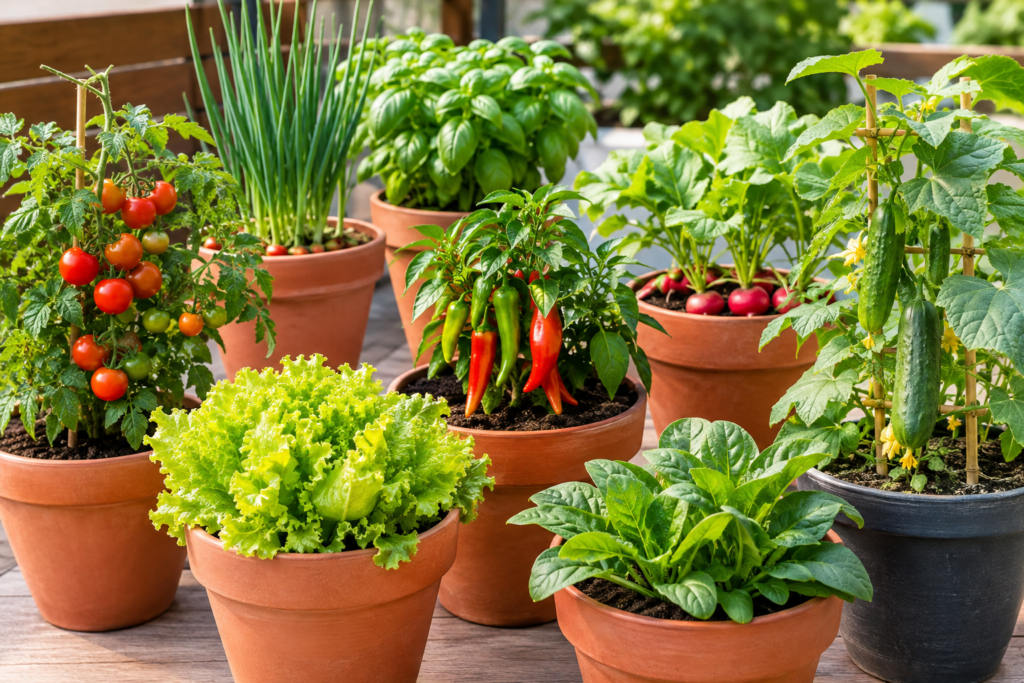
Tomato plants can produce a good harvest when they receive plenty of sunlight and regular watering. Smaller varieties, such as cherry tomatoes and compact patio tomatoes, are especially suitable for pots.
Choose a reasonably large container because tomato plants need enough room for their roots. A container with good drainage is also important.
Place the tomato pot somewhere that receives several hours of direct sunlight each day. As the plant grows, it may need a support stake or cage to keep the stems upright.
2. Lettuce
Lettuce is an excellent choice for beginners because it grows relatively quickly and does not require a deep container.
I like growing lettuce in wide pots because several plants can be grown together while still having enough room to develop. Leaf lettuce varieties are particularly useful because you can harvest individual leaves instead of waiting for the entire plant to mature.
Lettuce generally prefers cooler conditions. During very hot weather, providing some afternoon shade can help prevent the leaves from becoming bitter or stressed.
Keep the soil consistently moist, but avoid keeping it constantly waterlogged.
3. Radishes
Radishes are one of the easiest vegetables to grow in pots. They grow quickly and require relatively little space.
A container with sufficient depth for the roots is important. Fill it with loose, well draining potting soil and sow the seeds according to the instructions on the seed packet.
One thing I enjoy about growing radishes is that you can often see results fairly quickly. They are therefore a good vegetable for beginners who want to experience a fast growing crop.
Regular watering helps the roots develop properly. If the soil becomes too dry, the radishes may not develop as well.
4. Carrots
Carrots can also be grown successfully in containers, but choosing the right variety is important. Shorter carrot varieties are generally easier to grow in pots because they do not need as much root depth.
Use a tall container filled with loose soil. Avoid heavy or compacted soil because carrot roots need space to grow downward.
One of the most important things with container grown carrots is consistent moisture. Uneven watering can affect root development.
Carrots are particularly rewarding because you cannot see the main root developing until harvest time. Pulling a healthy carrot from your own pot can be a very satisfying gardening experience.
5. Green Beans
Green beans are another good option for container gardening. Bush bean varieties are especially convenient because they tend to remain more compact than climbing varieties.
Use a container that provides enough room for the roots and make sure it has drainage holes. Green beans generally appreciate plenty of sunlight.
If you choose a climbing variety, provide a suitable support structure. This allows the plant to grow upward instead of spreading across your limited gardening area.
With regular harvesting, bean plants can continue producing fresh pods for a useful period.
6. Peppers
Peppers are excellent vegetables for growing in pots. Both sweet peppers and hot peppers can perform well in containers when they receive suitable care.
One advantage of peppers is that many varieties naturally have a compact growth habit. This makes them useful for balconies and small patios.
Choose a container that is large enough to support the mature plant. Place it in a sunny location and water consistently.
Peppers can be especially attractive because the fruits often change color as they mature. A container filled with healthy green leaves and colorful peppers can make a small garden look beautiful as well as productive.
7. Cucumbers
Cucumbers can grow in pots, although they require a little more planning than lettuce or radishes. Their vines can spread considerably, so vertical support is very helpful.
A trellis or other strong support allows the cucumber plant to grow upward. This saves floor space and keeps the developing fruits away from the soil.
Choose a suitable container with good drainage and use a fertile potting mix. Cucumbers generally need regular watering because their large leaves can lose moisture quickly in warm weather.
For small spaces, look for compact or container friendly cucumber varieties.
8. Spinach
Spinach is a practical choice for container vegetable gardening. It does not require an extremely deep container and can provide a useful supply of fresh leaves.
Spinach generally performs best during cooler conditions. In warmer weather, excessive heat can cause plants to bolt, which means they start producing flowers and seeds.
I recommend harvesting the outer leaves regularly while allowing the younger leaves in the center to continue growing. This can provide repeated harvests from the same container.
Keep the soil evenly moist and place the pot where the plant receives suitable sunlight without excessive heat.
9. Green Onions
Green onions are particularly suitable for small containers. They do not need a large amount of space and can be grown in relatively narrow pots.
You can grow them from seeds, sets, or sometimes from leftover kitchen portions, depending on the variety and growing method.
Green onions are useful because you can harvest them gradually. Instead of removing everything at once, you can cut what you need and allow the remaining plants to continue growing.
They are a simple addition to a balcony or kitchen garden.
10. Beets
Beets can also be grown in containers when you choose a pot with enough depth for their roots.
Both the roots and young leaves can be useful in the kitchen. Loose soil is important because compacted soil can make it difficult for the roots to develop properly.
Beets appreciate regular moisture and sunlight. A medium to large container can provide enough room for several plants if they are spaced appropriately.
For anyone interested in growing vegetables that offer more than one edible part, beets are worth considering.
Choosing the Right Pots
Choosing the correct container is just as important as choosing the vegetable. Different plants have different root requirements.
Leafy vegetables such as lettuce and spinach can often grow in relatively shallow containers. Tomatoes, carrots, cucumbers, and peppers usually benefit from more space.
Always make sure the container has drainage holes. Without proper drainage, excess water can remain around the roots and create problems.
You can use terracotta pots, plastic containers, fabric containers, wooden planters, or other suitable gardening containers. The material is less important than proper size, drainage, and plant care.
Use Good Quality Potting Soil
Good soil is one of the foundations of successful container gardening. I would avoid filling pots entirely with heavy garden soil because it may become compacted and drain poorly.
A quality potting mix is generally a better choice. It should provide good drainage while still holding enough moisture for the plant.
Adding suitable organic matter can also help support healthy plant growth. However, avoid using too much fertilizer, especially when plants are young.
Give Vegetables Enough Sunlight
Most vegetables need good sunlight to produce strong growth and healthy harvests. Tomatoes, peppers, beans, and cucumbers generally perform best when placed in a bright sunny location.
Leafy vegetables such as lettuce and spinach can tolerate somewhat less direct sunlight, depending on the growing conditions.
Before placing your pots permanently, observe your balcony, terrace, or patio during the day. Notice which areas receive the most sunlight. This simple step can make a major difference.
Watering Container Vegetables
Potted vegetables can dry out faster than vegetables growing in the ground. This is particularly true during hot and dry weather.
Check the soil regularly by touching the surface. If it feels dry, the plant may need watering. However, avoid watering automatically without checking the soil because excessive moisture can also create problems.
Water slowly enough that moisture reaches the deeper parts of the container. Make sure excess water can escape through the drainage holes.
Common Mistakes to Avoid
One common mistake beginners make is choosing containers that are too small. A plant may look tiny when purchased, but it can grow significantly larger.
Another mistake is planting too many vegetables in one container. Crowded plants compete for water, nutrients, sunlight, and root space.
Poor drainage is another major problem. Always check the drainage holes before planting.
Finally, do not ignore your plants after planting them. Container gardening requires regular observation. Look at the leaves, check the soil, watch for pests, and notice changes in growth.
Final Thoughts
Growing vegetables in pots is a simple and rewarding way to produce fresh food at home. You do not need a large backyard or expensive gardening equipment to begin. With a few suitable containers, good soil, sunlight, water, and regular attention, you can grow a surprising variety of vegetables.
In my view, beginners should start with easy options such as lettuce, radishes, green onions, spinach, peppers, and tomatoes. Once you become comfortable with watering, feeding, spacing, and sunlight requirements, you can experiment with cucumbers, carrots, beans, and other container friendly vegetables.
The best vegetables to grow in pots are ultimately the ones that match your available space, climate, sunlight, and personal cooking preferences. Start small, learn from each growing season, and gradually expand your container garden. The experience of harvesting vegetables that you have grown yourself makes the effort worthwhile.