 snailhas25000teeth
Related Articles
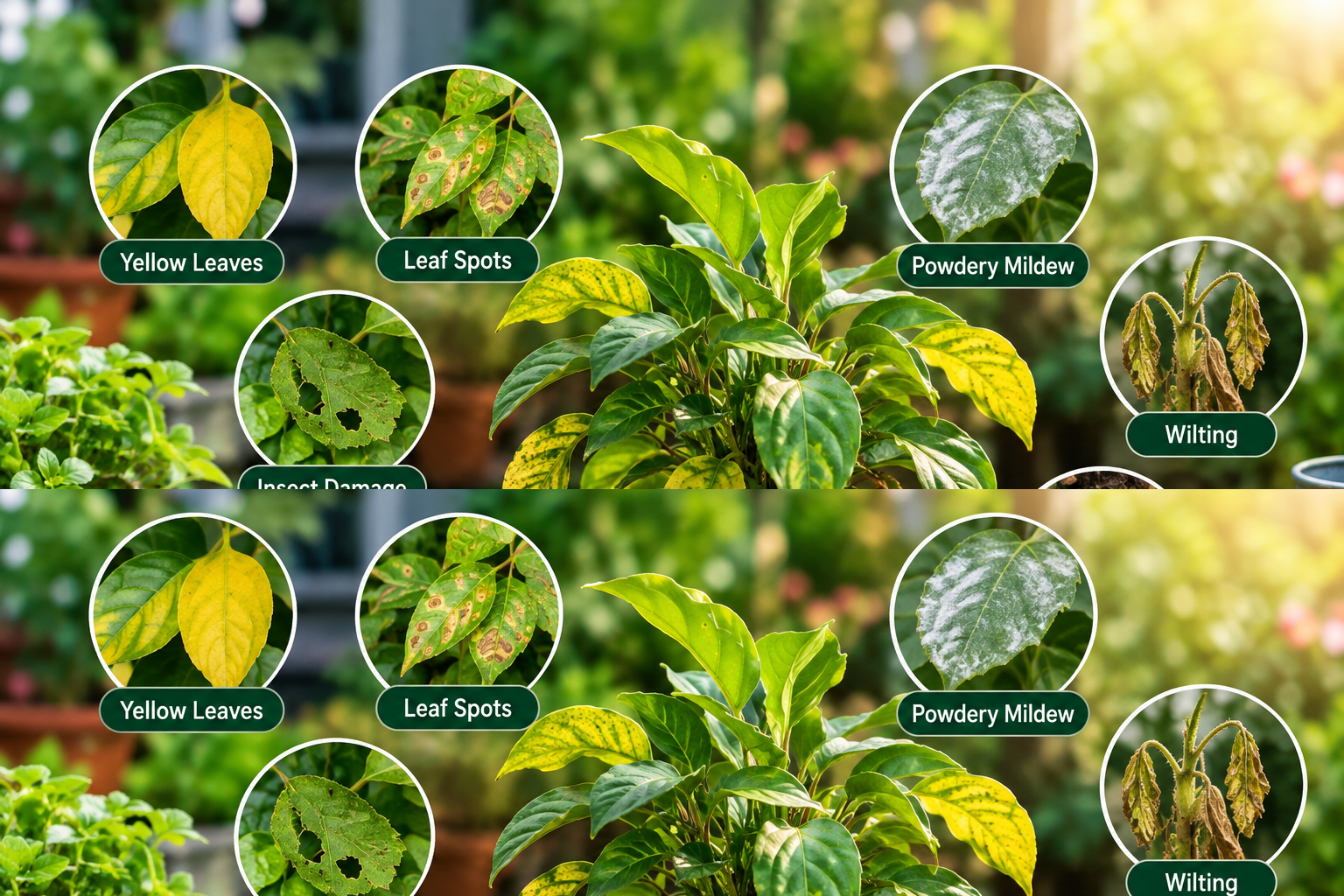
Fungal problems are among the most common issues I have noticed in garden plants. They can appear suddenly and affect leaves, stems, flowers, fruits, and even plant roots. Sometimes a plant may look healthy one day and then develop spots, white powder, yellow leaves, or soft areas within a short time. The good thing is that many fungal problems can be prevented with proper garden care.
In my experience, preventing fungal diseases is much easier than trying to save a severely infected plant. Good watering habits, proper air circulation, clean gardening tools, healthy soil, and regular plant inspection can make a noticeable difference. In this article, I will share practical ways to prevent fungal problems in garden plants and keep plants healthy throughout the growing season.
What Causes Fungal Problems in Garden Plants?
Fungi naturally exist in soil, air, plant debris, and garden environments. Their presence does not always mean that plants will become diseased. Problems usually develop when environmental conditions become suitable for fungal growth.
High humidity, excessive moisture, poor air circulation, overcrowded plants, and wet leaves can create an ideal environment for fungal diseases.
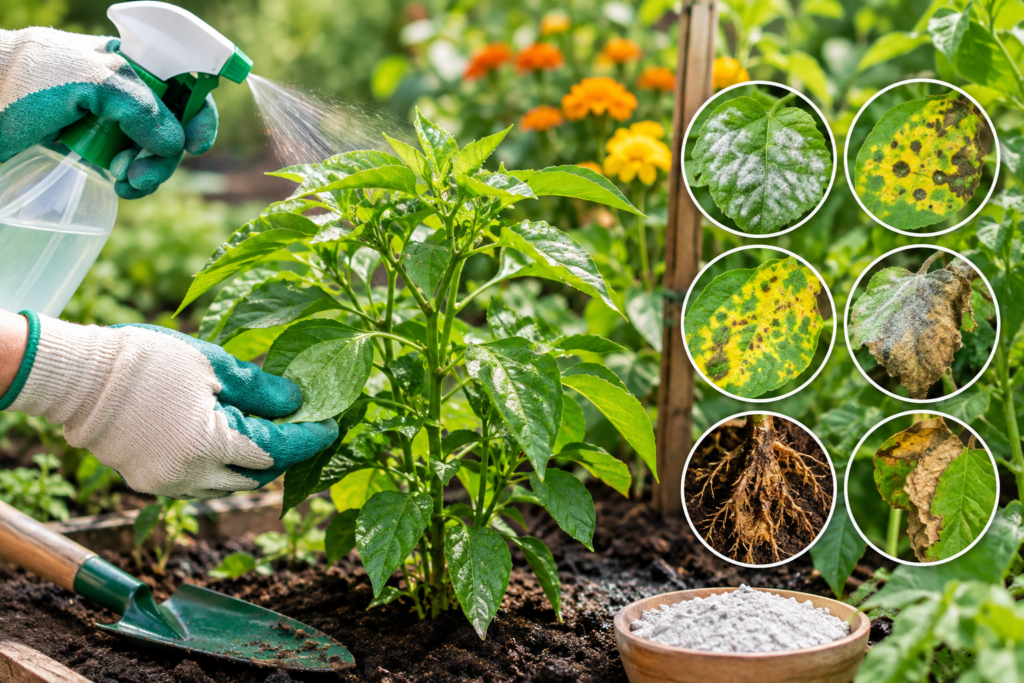
Common fungal problems include powdery mildew, downy mildew, leaf spot, root rot, damping off, and various types of blight. Different fungi affect different plants, but the prevention methods are often similar.
The first step is understanding that moisture management is one of the most important parts of fungal disease prevention.
Avoid Overwatering Your Plants
One of the most common gardening mistakes I see is overwatering. Plants need water, but too much water can create problems for both roots and leaves.
When soil remains wet for a long time, roots may not receive enough oxygen. This can encourage root rot and other soil related fungal problems. Constantly wet conditions can also increase humidity around the plant.
I prefer checking the soil before watering instead of following a strict daily schedule. Simply place your finger into the top few centimeters of soil. If the soil still feels moist, I usually wait before watering again.
The exact watering requirement depends on the plant, weather, soil type, and container size. During hot weather, plants may need water more frequently, while cool or rainy conditions may require much less.
Water Plants at the Soil Level
The way you water your garden can also affect fungal disease prevention. Pouring water directly over the leaves can leave them wet for long periods.
I prefer watering near the base of the plant so the roots receive moisture while the leaves remain relatively dry. This is especially useful in humid weather.
Morning is generally a good time to water because any moisture that reaches the foliage has more opportunity to dry during the day.
Avoid unnecessary overhead watering, particularly when plants are already showing signs of fungal problems.
Improve Air Circulation
Good air circulation is extremely important for preventing fungal problems in garden plants. When plants are packed closely together, air cannot move freely around their leaves.
This creates a humid environment where fungal diseases can develop more easily.
When planting, I try to leave enough space between plants according to their mature size. Plants that look small at the beginning can become much larger as they grow.
Pruning can also help improve airflow. Removing selected overcrowded branches and leaves allows air to move through the plant.
However, I avoid excessive pruning because healthy foliage is important for photosynthesis and plant growth.
Give Plants Enough Sunlight
Many garden plants grow best when they receive the amount of sunlight they naturally require. Good sunlight can help foliage dry more quickly after watering, rain, or morning dew.
Before planting, I recommend checking the sunlight requirements of each plant. Some plants need full sun, while others prefer partial shade.
Planting a sun loving plant in a dark and poorly ventilated location can create weak growth and increased moisture around the foliage.
At the same time, not every plant should be placed in direct sunlight. The goal is to provide suitable growing conditions for each particular plant.
Keep Garden Beds Clean
Dead leaves, fallen fruits, damaged flowers, and other plant debris can sometimes provide a place where fungal organisms survive and multiply.
I make it a habit to remove unhealthy plant material from the garden. This is especially important when I notice diseased leaves.
Do not leave infected leaves lying around the base of plants. Remove them carefully and dispose of them appropriately.
Keeping the garden clean also makes it easier to notice new symptoms early.
Remove Diseased Leaves Quickly
Early detection can make fungal disease management much easier.
When I inspect my plants, I look for unusual spots, discoloration, powdery growth, curling leaves, rotting areas, or unusual patches on stems.
If I find a clearly infected leaf, removing it can help reduce the amount of diseased material in the garden.
Use clean pruning scissors or garden shears when removing affected plant parts. After working with an infected plant, clean the tools before using them on another healthy plant.
Avoid handling healthy plants immediately after touching diseased material without cleaning your hands or tools.
Clean Your Gardening Tools
Garden tools can accidentally spread plant diseases from one plant to another.
Pruning shears, scissors, knives, and other tools can carry plant material or fungal organisms after cutting infected plants.
I always try to keep my gardening tools clean, especially when moving between plants.
Cleaning tools regularly is a simple habit that can reduce the chance of spreading disease throughout the garden.
It is particularly important when pruning plants that show signs of infection.
Choose Healthy Plants
Fungal disease prevention should begin before planting.
When purchasing seedlings or young plants, inspect them carefully. Avoid plants with obvious leaf spots, unusual discoloration, rotting stems, or visible fungal growth.
Healthy plants generally have strong growth and clean foliage appropriate for their variety.
I also recommend choosing plant varieties that are known to perform well in your local growing conditions. Some varieties have better resistance to particular diseases than others.
Selecting suitable plants can reduce future problems and make garden maintenance easier.
Improve Soil Drainage
Poor drainage is another major factor behind fungal problems, particularly root related diseases.
If water stays around plant roots for long periods, the root system may become stressed or damaged.
Before planting, I check whether the soil drains properly. Heavy soil can sometimes hold too much water, while very compacted soil may prevent proper drainage.
Adding suitable organic matter can improve soil structure over time. Raised beds and containers can also be useful where natural drainage is poor.
However, soil amendments should be selected according to the specific garden and plant requirements.
Avoid Planting Too Closely
Overcrowding is easy to overlook when planting a garden. Small seedlings may look far apart, but they can quickly become crowded as they mature.
When plants touch each other constantly, moisture can remain trapped between leaves.
I prefer giving plants enough room to develop naturally. Proper spacing improves airflow and also makes it easier to inspect plants for pests and diseases.
It can also make watering, pruning, harvesting, and general garden maintenance much easier.
Be Careful With Fertilizer
Plants need nutrients for healthy growth, but excessive fertilizer can create problems.
Too much nitrogen can encourage very soft and rapid leafy growth. This type of growth may be more vulnerable to certain pests and diseases.
I prefer using fertilizer according to the needs of the plant rather than applying large amounts without checking the soil or plant requirements.
A balanced approach to plant nutrition helps plants develop strong roots, stems, and foliage.
Avoid Working With Wet Plants
Another simple habit I find useful is avoiding unnecessary handling of wet foliage.
When leaves are wet, they can be easier to damage. Working through a wet garden can also spread plant material from one plant to another.
If possible, I prefer pruning and handling plants when the foliage is dry.
This is especially important when removing diseased plant parts.
Use Mulch Carefully
Mulch can be very useful in a garden. It helps conserve soil moisture, reduce weeds, and protect soil from extreme temperature changes.
However, mulch should not be piled directly against plant stems.
When organic material remains constantly wet and touches the base of a plant, it can contribute to moisture related problems.
I keep a small amount of space around plant stems and make sure the mulch layer is not excessively thick.
Inspect Plants Regularly
Regular inspection is one of the easiest ways to prevent serious fungal problems.
I recommend taking a few minutes each week to examine leaves, stems, flowers, and soil.
Look underneath leaves as well as on top because some problems can begin in less visible areas.
Early signs can include small brown spots, yellow patches, white powder, unusual growth, or soft tissue.
Finding these symptoms early gives you more time to identify the cause and take appropriate action.
What Should You Do If Fungal Problems Appear?
Even with careful gardening, fungal problems can sometimes occur. Weather conditions, plant susceptibility, and naturally occurring fungal organisms can make complete prevention impossible.
If you notice symptoms, first try to identify the problem rather than immediately applying a treatment.
Check whether the plant has been overwatered, whether the leaves remain wet for long periods, and whether the plant has enough airflow.
Remove severely affected plant material when appropriate and improve the growing conditions.
For persistent or serious diseases, a suitable fungicide may sometimes be necessary. Always read the product label carefully and make sure the product is approved for the particular plant and disease. Follow the recommended application rate and safety instructions.
Final Thoughts
Preventing fungal problems in garden plants is mainly about creating healthy growing conditions. I have found that simple gardening habits can make a big difference.
Watering carefully, improving air circulation, providing suitable sunlight, keeping the garden clean, cleaning gardening tools, maintaining good soil drainage, and inspecting plants regularly are all useful preventive steps.
There is no single method that can prevent every fungal disease. However, when plants are healthy and their growing environment is well managed, they are generally better prepared to deal with common garden problems.
For me, prevention starts with paying attention to the garden every week. A few minutes of regular observation can help identify problems before they become serious. With consistent care and good gardening practices, it is possible to maintain healthier plants and reduce the risk of fungal diseases throughout the growing season.