 snailhas25000teeth
Related Articles
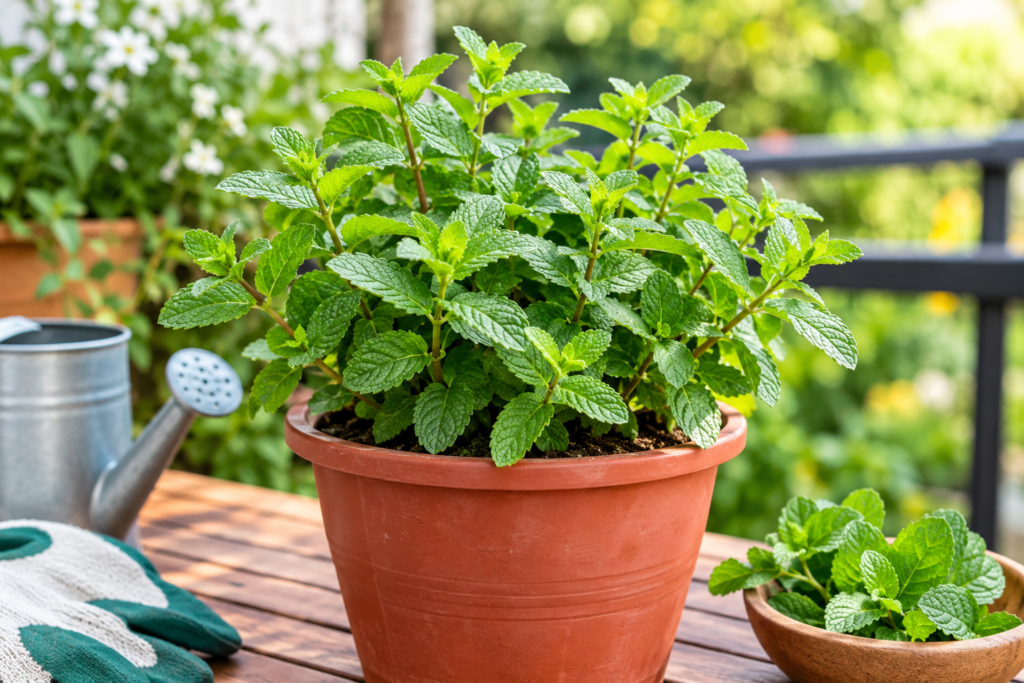
Growing mint in a container is one of the easiest ways to enjoy fresh herbs at home. Mint grows quickly, does not require a large garden, and can be grown on a balcony, terrace, patio, windowsill, or even a small outdoor space. In my experience, growing mint in a container is especially useful because mint can spread very quickly when planted directly in garden soil.
I like keeping mint in a separate pot because it allows me to control its growth while having fresh leaves available whenever I need them. Whether you are a beginner gardener or someone who already grows vegetables and herbs, learning how to grow mint in a container is simple.
In this guide, I will explain everything I consider important, including choosing a container, preparing the soil, planting mint, watering, sunlight, feeding, pruning, harvesting, and common problems.
Why Grow Mint in a Container?
Mint is a vigorous herb. Once it becomes established, it can spread through underground stems and occupy more space than expected. This is one reason I prefer container gardening for mint.
A container keeps the roots in a defined area and makes the plant much easier to manage. It also means you can move the pot if the weather becomes too hot or cold.
Another benefit is convenience. Having a mint plant close to the kitchen means I can pick fresh leaves for tea, drinks, salads, desserts, and homemade recipes without visiting a garden.
For people living in apartments or homes without a traditional garden, growing mint in pots is an excellent option.
Choose the Right Container
The first important step is choosing a suitable container. Mint does not need an extremely deep pot, but it does appreciate enough space for its roots to develop.
I recommend using a container that is at least 8 to 12 inches wide and reasonably deep. A wider container can be even better because mint tends to spread as it grows.
Drainage is extremely important. Always choose a container with drainage holes at the bottom. Excess water can remain around the roots when there is nowhere for it to escape, which can eventually cause root problems.
Terracotta, plastic, ceramic, and other suitable gardening containers can all work. I personally prefer a sturdy pot that is easy to move when necessary.
Select Good Quality Mint
You can grow mint from seeds, cuttings, or a young nursery plant. For beginners, I find that starting with a healthy young mint plant is usually the easiest method.
Look for a plant with fresh green leaves, strong stems, and no obvious signs of pests or disease. Avoid plants that look weak, extremely dry, or heavily damaged.
There are different types of mint available, including spearmint and peppermint. The choice depends on the flavor and purpose you prefer.
If you already have a healthy mint plant, you can also propagate it from a cutting. A fresh stem placed in water can develop roots, after which it can be transferred into soil.
Prepare the Soil
Mint prefers soil that holds some moisture but still drains well. I avoid using heavy garden soil alone in containers because it can become compacted and may hold too much water.
A good quality potting mix is a simple choice. You can improve the growing medium by mixing in some compost to provide organic matter.
The soil should feel loose and airy rather than hard and compact. Good soil allows water to move through the container while giving the roots access to air.
Before planting, fill the container while leaving a little space below the rim. This makes watering easier and prevents soil from spilling over the sides.
How to Plant Mint in a Container
Planting mint is straightforward. If you are using a young nursery plant, carefully remove it from its original container and loosen any tightly packed roots.
Place the plant in the center of the new container. The top of the root ball should remain close to the soil surface rather than being buried extremely deep.
Fill the surrounding space with potting soil and gently press it around the roots. Do not compact the soil too firmly.
After planting, water the mint thoroughly until some water comes through the drainage holes. This helps settle the soil around the roots.
For the first few days, I pay close attention to the plant because it may need a little time to adjust to its new container.
Find the Right Location
Mint grows well when it receives plenty of light, but the ideal amount can depend on your climate.
A location with several hours of sunlight is generally suitable. In very hot climates, especially during intense summer afternoons, mint may appreciate protection from harsh direct sunlight.
If you are growing mint indoors, place the container near a bright window where the plant can receive plenty of natural light.
One useful sign is the growth pattern. If the stems become very long and weak while the leaves remain small, the plant may not be receiving enough light.
Water Mint Correctly
Watering is one of the most important parts of growing mint in a container. Mint generally likes consistently moist soil, but it does not mean the soil should remain soaking wet all the time.
I usually check the surface of the soil before watering. If the top layer feels slightly dry, it is usually time to water.
During hot weather, container soil can dry out faster, so the plant may need more frequent watering. During cooler or rainy periods, watering requirements can decrease.
Always check the actual soil rather than following a fixed watering schedule. The size of the container, weather, sunlight, and growing location can all affect how quickly the soil dries.
Fertilizing Mint
Mint is not an extremely demanding plant, especially when grown in good quality soil. However, occasional feeding can support healthy growth.
I prefer using compost or a mild balanced fertilizer rather than applying large amounts of fertilizer. Too much fertilizer is not necessary and can sometimes encourage excessive soft growth.
If your potting mix already contains nutrients, you may not need to feed the plant frequently. Watch the plant and its growth rather than assuming that more fertilizer is always better.
Pruning Mint for Better Growth
Regular pruning is one of my favorite ways to keep container grown mint healthy and attractive.
When the stems become tall, I trim the upper portions just above a pair of healthy leaves. This encourages the plant to produce more side growth and become bushier.
If you allow mint to grow without pruning, it can become tall and untidy. Regular harvesting naturally works as a form of pruning because you are removing some of the stems and leaves.
Do not be afraid to harvest your mint. Healthy mint plants usually respond well to regular cutting when they have suitable growing conditions.
How to Harvest Fresh Mint
You can begin harvesting mint once the plant has established itself and produced enough healthy growth.
I prefer harvesting fresh leaves and young stems when I need them. Using clean scissors or garden shears makes harvesting easier and reduces unnecessary damage to the plant.
For the best flavor, many gardeners prefer harvesting before the plant produces flowers. However, flowering does not mean the plant is useless. You can still use the leaves, although the flavor and texture may change as the plant matures.
Try not to remove too much of the plant at one time. Regular small harvests are usually better than cutting almost the entire plant.
Common Problems When Growing Mint in Containers
Although mint is easy to grow, it can still experience problems.
One common issue is yellowing leaves. This can happen because of excessive watering, poor drainage, insufficient light, or other growing conditions.
Another problem is dry or wilted foliage. If the soil is very dry, the plant may need more consistent watering.
Mint can also attract pests such as aphids and spider mites. Check the leaves and stems regularly. If you notice small insects, sticky residue, webbing, or unusual leaf damage, take action early.
Good air circulation, proper watering, and regular observation can help reduce many problems.
How to Keep Mint Healthy During Hot Weather
If you live in a hot region, summer care deserves special attention. Container plants can become much hotter than plants growing in the ground.
During extremely hot weather, I prefer placing mint where it receives bright light but is protected from the strongest afternoon sun.
Check the soil more frequently because hot temperatures can cause containers to dry quickly. A layer of organic mulch on the soil surface can also help reduce moisture loss.
However, avoid covering the stem directly with wet material. Good airflow around the plant remains important.
Should You Repot Mint?
Mint can eventually become crowded in its container. When you notice that the plant is becoming root bound or the growth is slowing despite proper care, repotting may help.
Choose a slightly larger container and transfer the plant carefully. You can also divide a mature mint plant into smaller sections and grow them in separate pots.
This is another advantage of container gardening. Instead of allowing one plant to take over your garden, you can manage several smaller plants in individual containers.
Can Mint Grow Indoors?
Yes, mint can grow indoors if it receives enough light and receives appropriate care.
Place the pot near a bright window. Make sure the container has drainage holes and avoid keeping it directly beside a very hot heating source.
Indoor mint may grow more slowly than outdoor mint, but with good light, suitable soil, and consistent moisture, it can still provide fresh leaves for your kitchen.
Final Thoughts
Learning how to grow mint in a container does not require complicated gardening skills. In my experience, the most important things are choosing a container with good drainage, using suitable potting soil, providing enough light, watering when the soil begins to dry, and pruning the plant regularly.
The biggest advantage of growing mint in a container is control. Mint is naturally a fast growing herb, and keeping it in a pot prevents it from spreading throughout other parts of the garden.
I also find container grown mint especially rewarding because you can harvest fresh leaves whenever you need them. A single healthy plant can provide plenty of fresh mint with surprisingly little effort.
If you are starting a small herb garden, mint is one of the plants I would recommend trying first. With a suitable container and a little regular attention, you can enjoy fresh, fragrant mint at home throughout much of the growing season.