 snailhas25000teeth
Related Articles
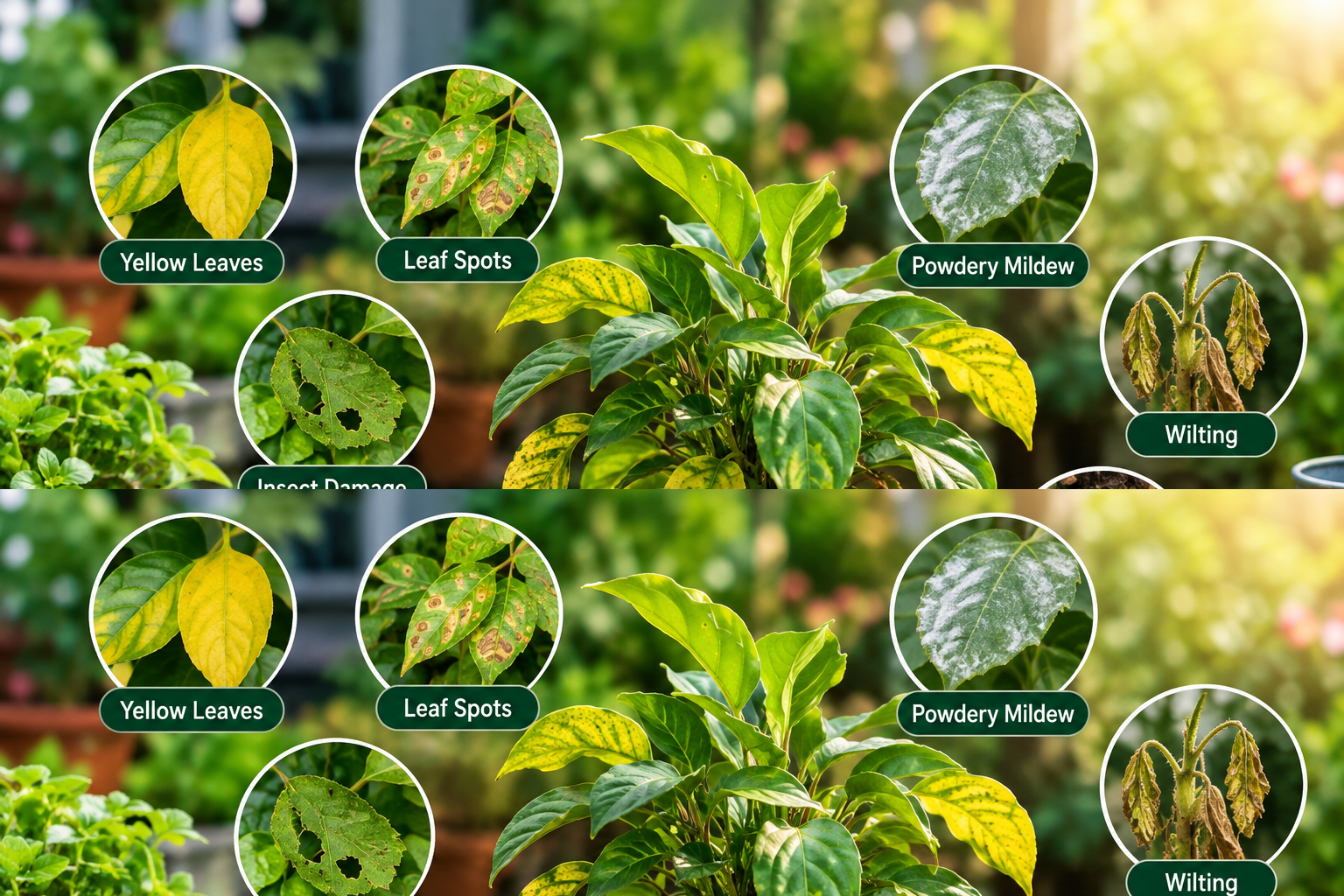
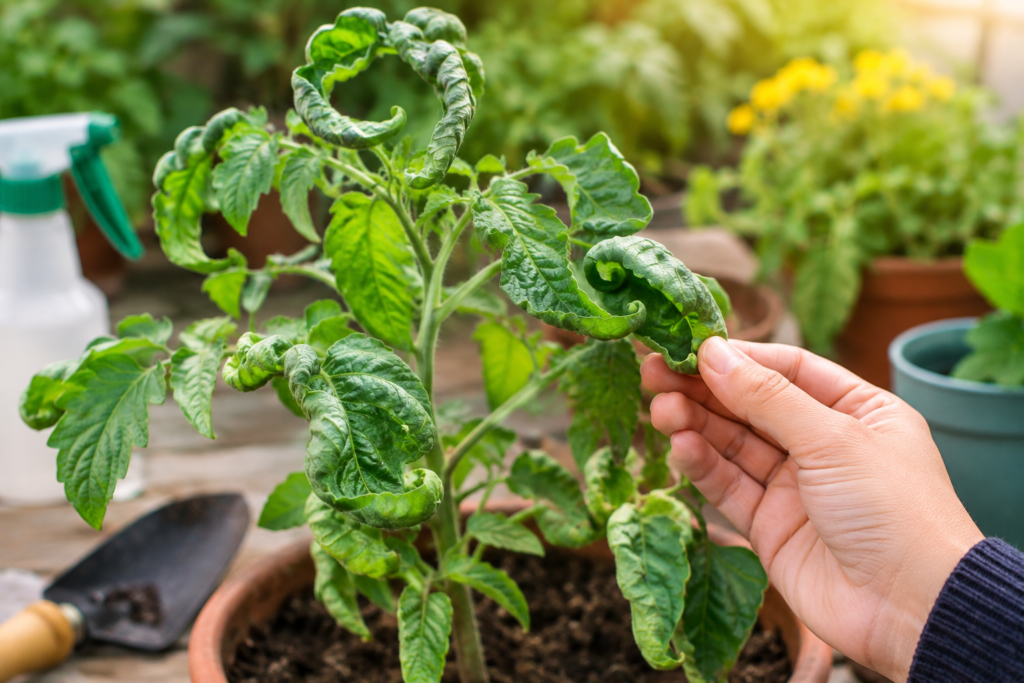
Seeing your plant leaves curling can be worrying, especially when the plant was growing normally a few days ago. I have noticed that curling leaves are often one of the first signs that a plant is reacting to a change in its growing conditions. The good thing is that curled leaves do not always mean your plant is seriously damaged. In many cases, you can identify the cause and help the plant recover with a few simple changes.
Plant leaves can curl for several reasons, including underwatering, overwatering, heat stress, pests, poor lighting, nutrient problems, transplant stress, or disease. The important thing is to look at the whole plant instead of focusing only on the curled leaves. In this article, I will explain the most common reasons why plant leaves curl and what you can do to fix the problem.
What Does It Mean When Plant Leaves Curl?
Plant leaves curl when the plant is under some type of stress. Healthy leaves normally spread out to capture sunlight and support photosynthesis. When conditions become unfavorable, the plant may curl its leaves as a natural response.
The direction of the curl can sometimes provide a useful clue. Leaves curling upward may be related to heat, excessive light, or water stress. Leaves curling downward can sometimes happen because of overwatering, pests, or other growing problems. However, the appearance of the entire plant should always be considered before deciding on a solution.
1. Underwatering Can Cause Curling Leaves
One of the most common reasons for curling leaves is not giving the plant enough water. When the soil becomes too dry, the plant cannot absorb enough moisture to keep its leaves firm.
You may notice that the leaves become curled, soft, dry, or slightly crispy around the edges. The soil may also pull away from the sides of the pot.
If I notice these signs, I first check the soil instead of immediately adding fertilizer or other treatments. Push your finger about an inch into the soil. If the soil feels very dry, the plant may need water.
Water the plant slowly and thoroughly until some water comes out through the drainage holes. Avoid giving a very dry plant a small amount of water and assuming the problem is solved. The water needs to reach the root area properly.
2. Overwatering Can Also Make Leaves Curl
It may seem strange, but too much water can cause symptoms that look similar to underwatering. When the soil stays wet for too long, plant roots may not receive enough oxygen.
Overwatering can cause leaves to curl downward, turn yellow, become soft, or eventually fall from the plant. The soil may remain wet for several days.
Before watering again, always check the moisture level of the soil. Plants generally need a balance between moisture and air around their roots. Make sure your container has drainage holes and that excess water can escape.
If the soil is constantly wet, reduce watering and improve drainage. For badly affected plants, checking the roots may also be necessary.
3. Too Much Heat Can Curl Plant Leaves
High temperatures are another common cause of curling leaves. Plants lose water through their leaves, especially during hot weather. If water is being lost faster than the roots can replace it, the leaves may curl to reduce moisture loss.
This problem can happen during very hot summer days, especially when plants are growing in containers. Dark pots can become particularly hot when they are exposed to strong sunlight for long periods.
If your plant is experiencing heat stress, provide some protection during the hottest part of the day. Depending on the plant, moving it to a location with morning sunlight and afternoon shade can help.
4. Excessive Sunlight May Cause Leaf Curling
Plants need sunlight, but too much intense sunlight can stress some varieties. This is particularly common when a plant that normally grows in moderate light is suddenly placed under strong direct sunlight.
Along with curling, you may see pale areas, scorched edges, or brown patches on the leaves.
I prefer to introduce plants to stronger sunlight gradually. If you are moving a plant outdoors or changing its location, give it time to adjust. Understanding the plant’s sunlight requirements can prevent many problems.
5. Cold Temperatures Can Affect Leaves
Not all leaf curling is caused by heat. Cold temperatures can also cause stress. Some plants are particularly sensitive to sudden drops in temperature.
Cold stress may cause leaves to curl, become limp, develop discoloration, or stop growing normally. Young plants and tropical houseplants are often more sensitive to cold conditions.
Keep sensitive plants away from cold drafts, air conditioners, and very cold windows. If you are growing plants outdoors, protect them when temperatures suddenly fall below their preferred range.
6. Pests Can Cause Curling Leaves
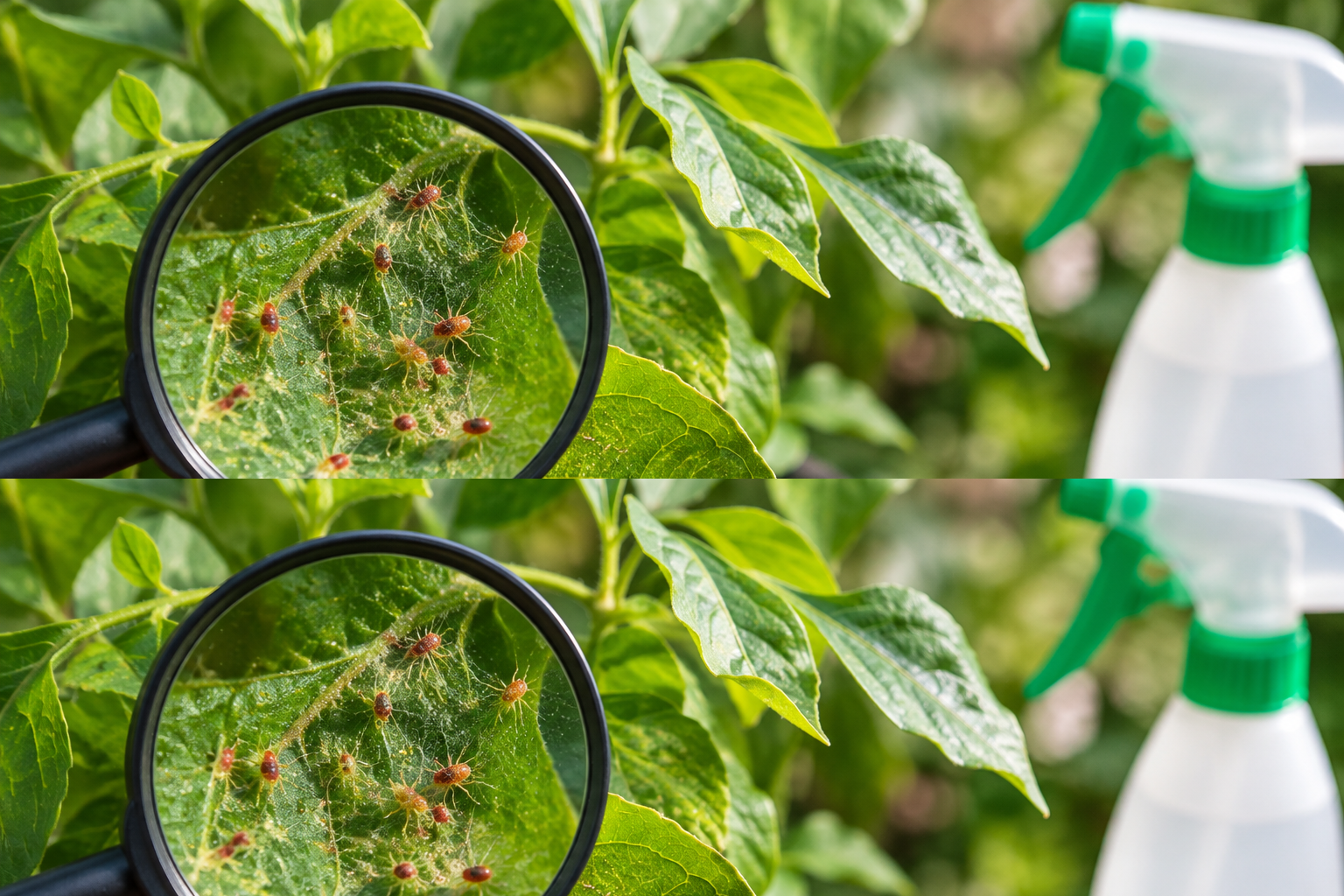
Small insects are another important cause of curled leaves. Aphids, thrips, whiteflies, mites, and other pests can feed on plant tissues and interfere with normal growth.
Aphids are particularly easy to find on young leaves and new shoots. They can cause leaves to curl, become distorted, or develop sticky surfaces.
When I see unexplained curling, I check the underside of the leaves and the newest growth. Many pests hide in these areas.
Look for tiny insects, webbing, sticky residue, white insects, or unusual spots. If you find pests, remove badly affected leaves when appropriate and wash the plant with a gentle stream of water. For larger infestations, use a suitable pest control method according to the plant and product instructions.
7. Nutrient Problems Can Affect Leaf Growth
Plants require nutrients to produce healthy leaves and new growth. A deficiency of certain nutrients can cause unusual leaf color, curling, weak growth, or distorted new leaves.
However, I would not recommend adding fertilizer immediately just because the leaves are curling. Too much fertilizer can also damage roots and create additional problems.
Look at other symptoms as well. Yellowing between leaf veins, pale new growth, slow growth, or unusual discoloration may provide additional clues.
If the plant has been growing in the same soil for a long time, a suitable balanced fertilizer may help. Always follow the recommended application rate rather than assuming more fertilizer will produce faster growth.
8. Transplant Shock Can Cause Curling
Plants sometimes curl their leaves after being moved into a new pot or location. This is known as transplant stress.
During transplanting, roots can be disturbed or damaged. The plant then needs time to adjust to its new environment.
If your plant recently experienced repotting, avoid making several major changes at once. Give it suitable light, consistent moisture, and enough time to recover.
New growth is usually a better sign of recovery than trying to make older damaged leaves look normal again.
9. Poor Air Circulation Can Create Problems
Good air circulation is important for healthy plants. When plants are placed too close together or kept in a poorly ventilated area, humidity can remain high around the leaves.
Poor air movement can also increase the risk of certain fungal and bacterial problems. Keep enough space between plants and avoid keeping leaves constantly wet.
For indoor plants, gentle air movement can be useful. You do not need strong wind directly on the plant. The goal is simply to prevent stagnant air.
10. Disease May Be Responsible
Sometimes curled leaves are associated with plant diseases. Viral, bacterial, and fungal problems can cause distorted growth, discoloration, spots, and unusual leaf shapes.
If several leaves are becoming severely distorted and the plant also shows unusual colors or patterns, disease may be worth considering.
Remove severely damaged plant material when appropriate and avoid spreading the problem to healthy plants. Clean gardening tools after working with a diseased plant.
If you are unsure about the cause, take a clear photograph of the leaves and compare the symptoms with reliable gardening resources or ask a local nursery or gardening professional.
How to Fix Curling Leaves
The best solution depends on the actual cause. I recommend following a simple checking process rather than changing everything at once.
First, check the soil moisture. Then look at the leaves closely for insects or other damage. Check whether the plant is receiving the correct amount of sunlight. Think about recent weather changes, repotting, fertilizing, or moving the plant.
Once you identify the most likely cause, make one or two appropriate changes and observe the plant over the following days.
Do not remove every curled leaf immediately. A damaged leaf may still be useful to the plant if it remains green and functional. Severely damaged or dead leaves can be removed with clean scissors.
How to Prevent Plant Leaves From Curling
Prevention starts with consistent plant care. Learn how much water your particular plant needs instead of following a fixed watering schedule for every plant.
Choose a pot with good drainage and use suitable soil. Provide the correct amount of sunlight and protect sensitive plants from extreme temperatures.
Regularly inspect your plants for pests, especially the underside of leaves and new growth. Catching an infestation early is usually much easier than dealing with a large infestation later.
Avoid excessive fertilizer and always follow the instructions on the product. Most plants do not need constant feeding.
Final Thoughts
If you are wondering why your plant leaves are curling, do not panic. Curling leaves are usually a sign that the plant is responding to some type of stress, and finding that stress is the first step toward solving the problem.
Check water, light, temperature, pests, soil, nutrients, and recent changes in the plant’s environment. In my experience, taking a few minutes to carefully observe the plant is much more useful than immediately trying several treatments.
Once you understand what your plant is telling you, it becomes much easier to provide the right care. With proper watering, suitable light, good drainage, regular pest checks, and stable growing conditions, many plants can produce healthy new growth again.