 snailhas25000teeth
Related Articles
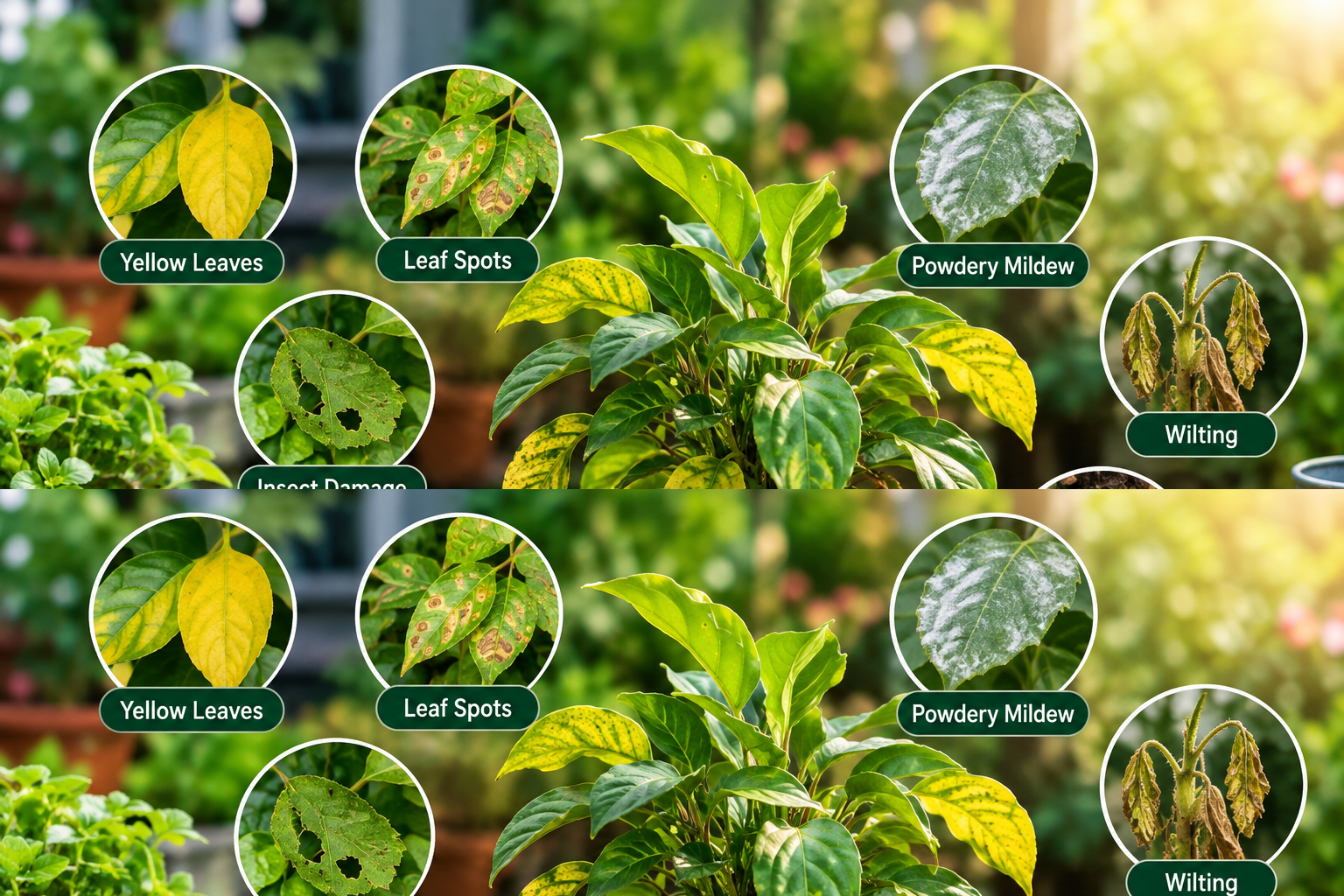
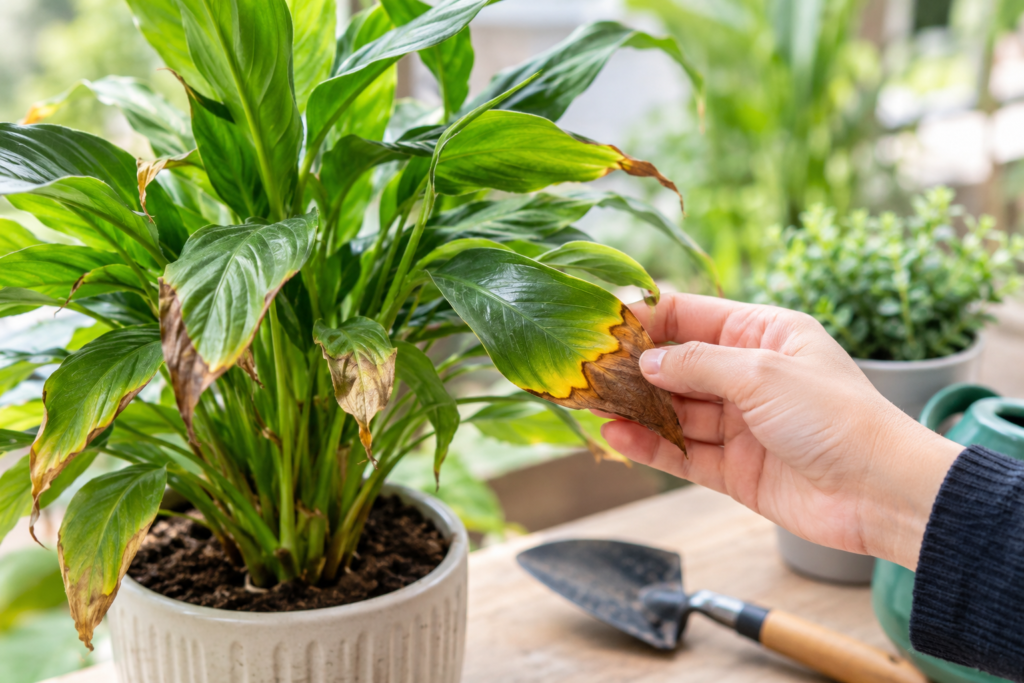
Seeing brown leaves on a plant can be frustrating, especially when the rest of the plant looks healthy and green. I have noticed that brown leaves are one of the most common problems gardeners face, and the good thing is that they are often a sign that the plant is trying to tell us something.
The important thing is not to panic when you notice brown tips, edges, or spots. Brown leaves can happen for several different reasons, including watering problems, low humidity, too much sunlight, poor soil, temperature changes, pests, or natural aging.
In this guide, I will explain why plant leaves turn brown, how to identify the possible cause, and what you can do to help your plant recover.
Why Are My Plant Leaves Turning Brown?
There is no single reason why plant leaves turn brown. Different plants react differently to their growing conditions. Sometimes only the tips become brown, while in other cases entire leaves may turn brown and dry.
In my experience, the best way to understand the problem is to look at where the browning starts and what the leaves feel like. Brown and crispy edges can point toward a lack of moisture or low humidity, while soft brown leaves may indicate too much water or root problems.
Before changing your plant care routine, take a close look at the plant, soil, pot, and location.
1. Underwatering Can Cause Brown Leaves
One of the most common reasons for brown leaves is underwatering. When a plant does not receive enough water, it cannot move enough moisture to its leaves. The leaf edges and tips may begin to dry out and turn brown.
You may also notice that the leaves feel crispy, curl inward, or become weak. The soil can become very dry and pull away from the sides of the pot.
If you think underwatering is the problem, check the soil before watering. Push your finger into the top layer of soil. If the soil feels very dry several centimeters below the surface, your plant may need water.
When watering, I prefer to water thoroughly rather than giving the plant just a small amount. Water slowly until some water comes out of the drainage holes. This helps moisten the root area properly.
However, always consider the plant species because some plants naturally prefer drier soil.
2. Overwatering Can Also Turn Leaves Brown
It may seem strange, but too much water can also cause brown leaves.
When plant roots stay in constantly wet soil, they may not receive enough oxygen. Poor drainage can also create conditions that damage the roots. Once the roots become unhealthy, the plant may struggle to take up water and nutrients.
Overwatered plants can have yellowing leaves, brown spots, soft leaves, or a generally unhealthy appearance. The soil may remain wet for a long time after watering.
To prevent this problem, make sure your container has drainage holes. Avoid watering simply because it is a particular day of the week. Instead, check the soil and the plant’s moisture needs.
I have found that checking the soil before watering is much more reliable than following a fixed watering schedule.
3. Low Humidity Can Cause Brown Leaf Tips
Indoor plants can develop brown tips when the air around them is too dry. This is particularly common with tropical plants that naturally grow in humid environments.
Dry indoor air can become a bigger problem when air conditioning, heaters, or fans are running frequently.
If the leaves are mostly green but the tips are turning brown and crispy, low humidity may be one possible cause.
You can improve the environment by grouping plants together, using a suitable humidifier, or moving the plant away from strong sources of dry air.
However, increasing humidity is not the only thing that matters. Good airflow is also important because constantly damp and stagnant conditions can encourage other plant problems.
4. Too Much Direct Sunlight
Sunlight is essential for healthy plant growth, but too much intense sunlight can damage leaves.
Plants that prefer bright indirect light may develop brown patches or scorched areas when placed directly in strong sunlight for long periods.
Sunburn can appear as dry brown patches, especially on parts of the leaves that receive the strongest light.
If you notice that the browning is mostly on the side facing a sunny window, consider moving the plant to a location with suitable indirect light.
Do not move every plant into a dark corner just because the leaves are turning brown. Plants still need adequate light for photosynthesis and healthy growth.
The goal is to provide the type and amount of sunlight that suits the particular plant.
5. Temperature Stress
Sudden temperature changes can also cause brown leaves.
Many houseplants prefer stable temperatures and may react badly to cold drafts, very hot air, or sudden changes between hot and cold environments.
For example, placing a tropical plant close to an air conditioner may expose it to cold air for several hours every day. Similarly, placing a plant next to a heater can create very dry and hot conditions.
If your plant is developing brown leaves and is located near an air conditioner, heater, open window, or strong draft, consider moving it to a more stable location.
6. Poor Water Quality
Sometimes the problem is not how much water you give the plant but what is in the water.
Some plants can be sensitive to minerals and salts that accumulate in the soil over time. This may result in brown leaf tips and edges.
If you regularly notice brown tips despite providing appropriate light and watering, water quality may be worth considering.
You can also pay attention to whether a white or crusty substance is building up on the surface of the soil or around the container.
If you suspect mineral buildup, review the plant’s specific care requirements and consider using a suitable water source.
7. Lack of Nutrients
Plants need nutrients to produce healthy leaves and new growth. If the soil does not provide enough nutrients, the plant may develop discoloration or weak growth.
However, I would not immediately add fertilizer every time I see a brown leaf.
Brown leaves can have many causes, and adding too much fertilizer can create additional problems. Excess fertilizer can increase salt buildup around the roots and may damage the plant.
Before fertilizing, consider the plant’s age, soil condition, growing season, and previous feeding routine.
If the plant has been growing in the same soil for a long time and new growth looks weak, checking its nutrient needs may be useful.
8. Root Problems
Healthy roots are extremely important because they absorb water and nutrients. When roots become damaged, the leaves can show signs of stress.
Root problems can be caused by excessive moisture, poor drainage, compacted soil, or other growing conditions.
If the plant continues developing brown leaves even after you have corrected watering and lighting, inspect the root system when appropriate.
Healthy roots generally have a firm appearance appropriate to the plant species. Damaged roots may be soft, dark, or have an unpleasant smell.
If you find significant root damage, remove unhealthy portions with clean tools and repot the plant in suitable fresh soil when appropriate.
9. Pests Can Damage Plant Leaves
Garden insects and other pests can also cause brown spots and damaged leaves.
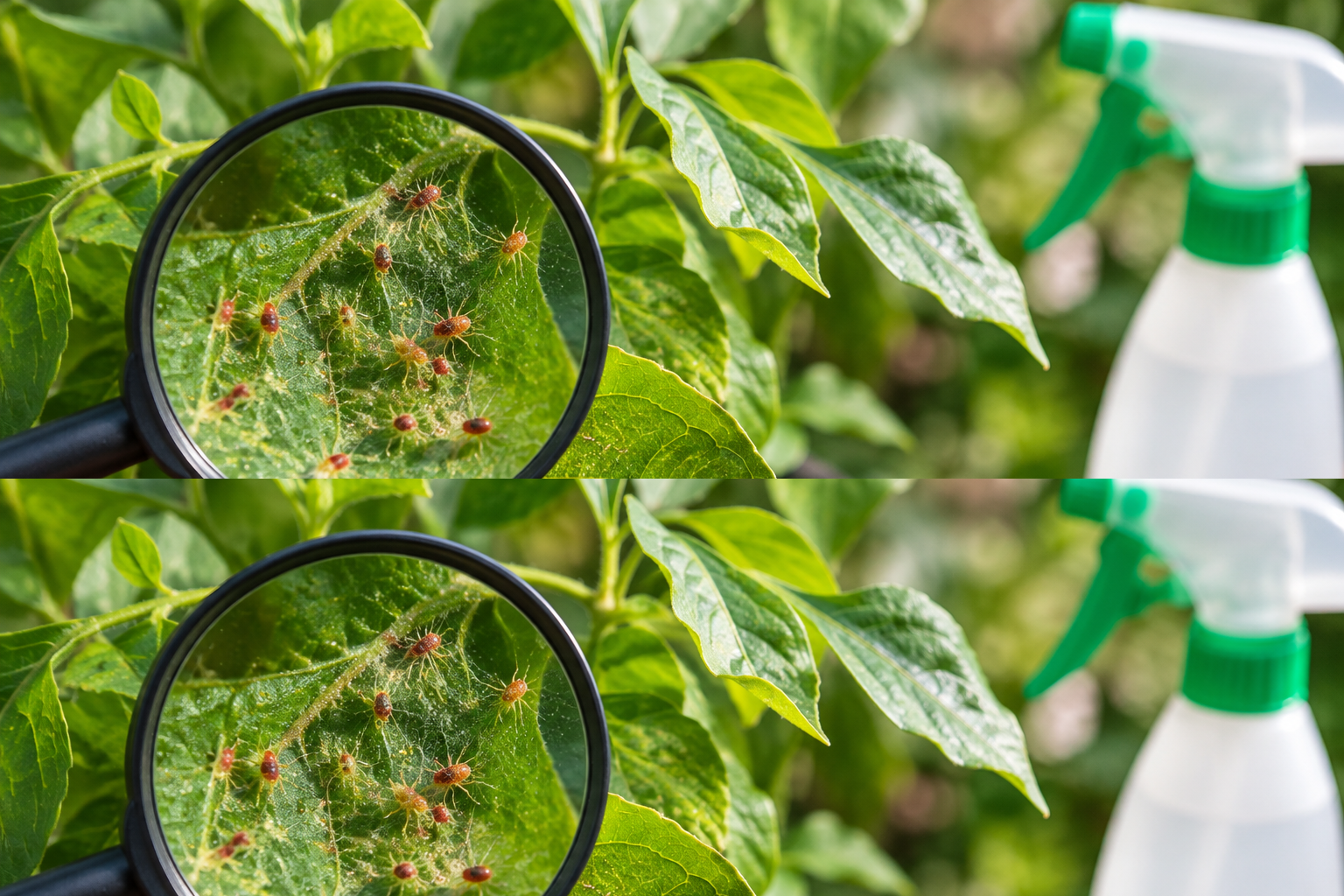
Common pests include aphids, spider mites, thrips, mealybugs, and scale insects. They feed on plant tissues or plant fluids and can leave behind damaged areas.
When I notice unusual brown spots, I always think it is worth checking the underside of the leaves as well as the stems.
Look for tiny insects, webbing, sticky residue, small spots, or distorted new growth.
If pests are present, identify the pest before choosing a treatment. Different pests may require different approaches.
Early detection can make pest management much easier.
10. Natural Aging
Not every brown leaf means that something is wrong.
Older leaves naturally become less productive as the plant grows. Some plants gradually allow older leaves to yellow, brown, and fall away while producing fresh growth.
If only one or two old leaves are changing color while the rest of the plant looks healthy and new leaves are developing normally, natural aging may be the explanation.
In this situation, there is usually no reason to panic.
You can remove completely dead leaves using clean scissors to keep the plant looking tidy.
How to Save a Plant With Brown Leaves
The first step is to identify the cause instead of treating the symptom.
Start by checking the soil moisture. Then look at the plant’s lighting conditions, humidity, temperature, drainage, and general appearance.
Inspect the leaves carefully for pests. Check whether the pot has drainage holes and whether water is staying in the soil for too long.
If only the tips are brown, avoid removing the entire leaf immediately. A mostly healthy leaf can still contribute to photosynthesis.
You can trim damaged areas if you prefer a cleaner appearance. Use clean scissors and follow the natural shape of the leaf.
Remember that a brown section of a leaf will not turn green again. The goal is to prevent new damage and encourage healthy new growth.
How to Prevent Brown Leaves in the Future
Preventing brown leaves is easier when you understand your plant’s specific needs.
I recommend creating a simple plant care routine rather than watering every plant in exactly the same way. Different plants have different requirements for moisture, light, humidity, soil, and fertilizer.
Check the soil regularly and observe how quickly it dries. Make sure containers have proper drainage and avoid leaving plants sitting in water.
Provide suitable sunlight and protect sensitive plants from extreme temperatures.
It is also helpful to inspect your plants regularly for pests. A quick inspection once or twice a week can help you notice problems before they become serious.
Finally, avoid making too many changes at once. If you change watering, lighting, soil, fertilizer, and location simultaneously, it can be difficult to know what actually helped.
Final Thoughts
So, why are my plant leaves turning brown? The answer can be anything from underwatering and overwatering to low humidity, intense sunlight, temperature stress, pests, poor drainage, or natural aging.
The most important thing is to look at the complete picture instead of focusing on the brown leaf alone.
I believe healthy gardening is mostly about observation. Your plant will often give you clues through its leaves, soil, and growth pattern. When you pay attention to these signs, it becomes much easier to understand what your plant needs.
If you notice brown leaves today, check the soil first, look at the light, inspect for pests, and think about any recent changes in the plant’s environment. With consistent care and a little patience, many plants can produce fresh, healthy growth again.